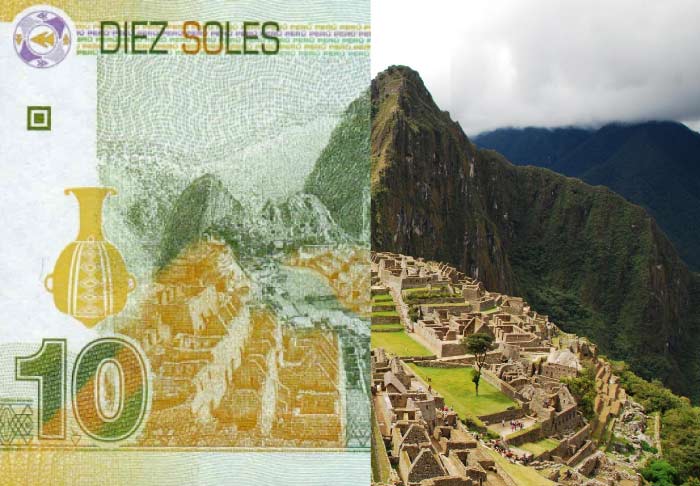




Salkantay Trek vs Inca Trail: Which Is the Best Trek to Machu Picchu on the Route to the Inca Citadel?
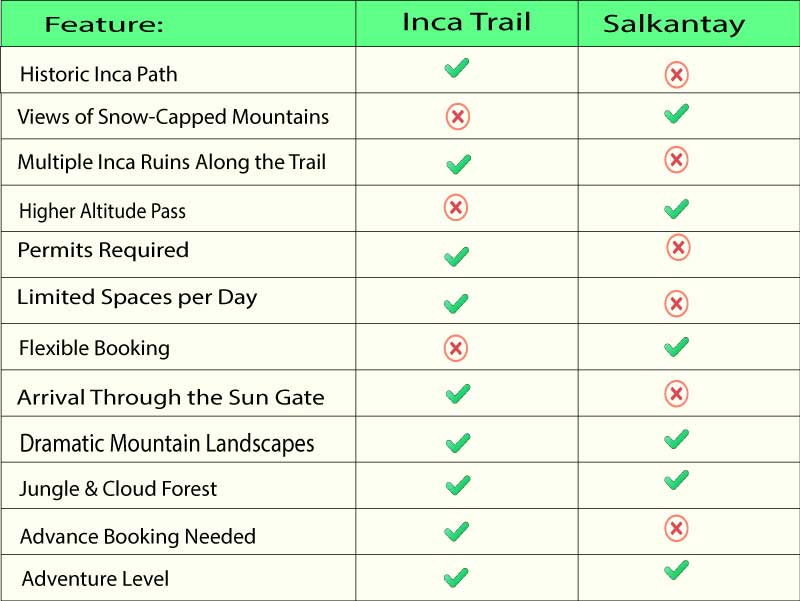
Choosing between the Inca Trail or the Salkantay Trek is one of the most important decisions when planning a trek in Peru to reach Machu Picchu through the Sun Gate, one of the world’s most iconic archaeological sites and Inca ruins. The Inca Trail is considered the classic route, following ancient Inca paths that connect directly to the entrance to Machu Picchu, offering unmatched cultural value and access to several impressive Inca sites. Because Inca Trail permits sell out quickly, it remains the trail that is the most famous and highly regulated, making it essential to secure your permits for the Inca Trail well in advance.
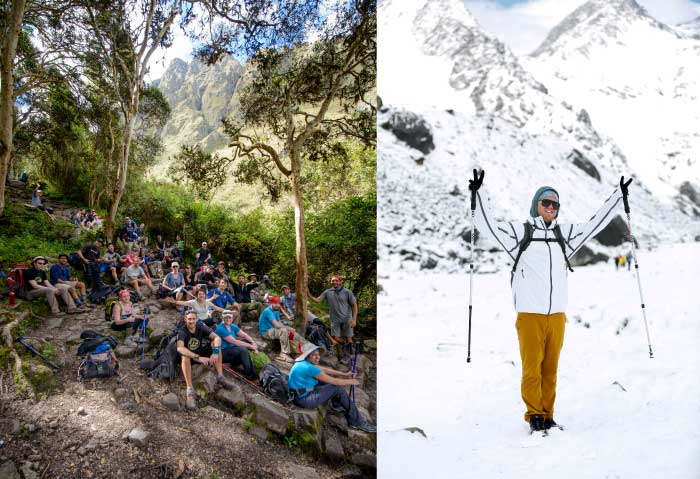
The Salkantay Trek is longer and more challenging, taking hikers along the dramatic Salkantay Mountain and through remote landscapes along the Salkantay Trek, offering a powerful sense of adventure. Since the Salkantay Trek does not require permits, it has become the main alternative to the Classic Inca Trail to Machu Picchu, often more accessible and sometimes more affordable than the Inca Trail. This route provides breathtaking scenery and the chance to reach Machu Picchu the next day via the Salkantay Route after a trek that typically spans several days.
When choosing between the Salkantay Trek or the Inca Trail, the best option depends on your fitness level, the kind of experience you want, and how early you plan to book your trek. Whether you prefer the cultural depth of the famous Inca Trail or the wild, panoramic landscapes of the classic 5-day Salkantay Trek, both offer unforgettable paths near Machu Picchu and deliver unique ways to experience the legacy of the Inca Empire.
An Overview of the Inca Trail vs Salkantay Trek: Routes to Machu Picchu and the Inca Citadel
A More Challenging Journey on the Salkantay Route: The Longer Salkantay Trek to Machu Picchu
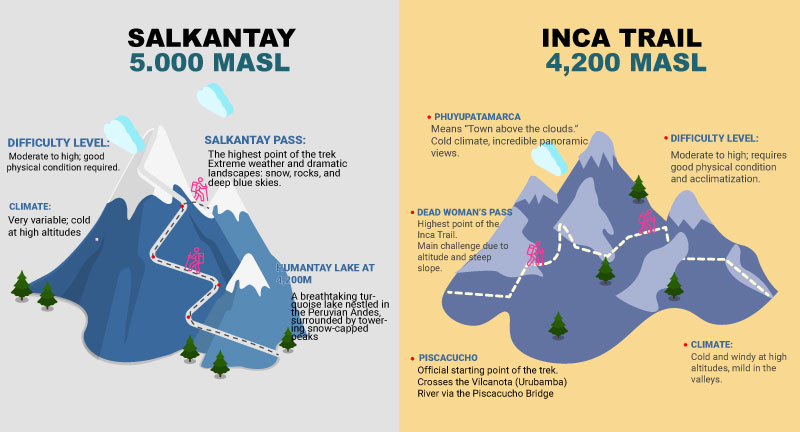
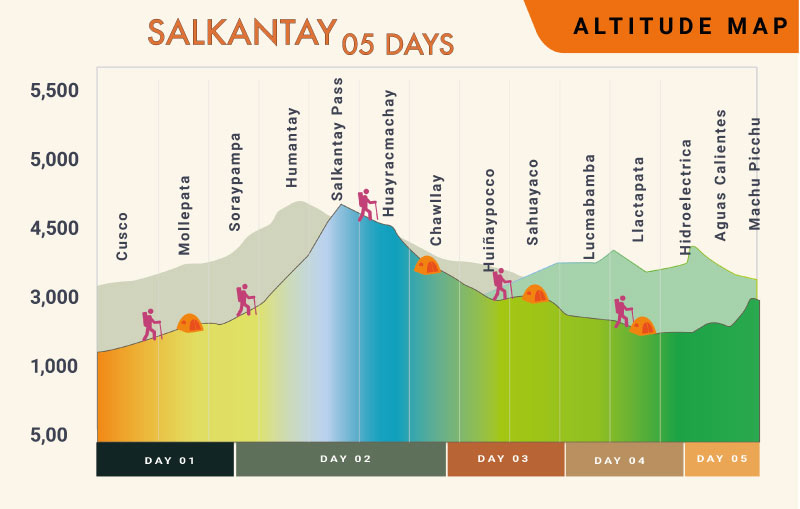
The Salkantay Trek is considered one of Peru’s most demanding routes, offering dramatic changes in landscape—from snowcapped peaks to tropical cloud forests. This trek typically spans 4–5 days and includes a climb to the 4,600 m Salkantay Pass, with breathtaking views of the Salkantay glacier. Because the Salkantay Trek is also more remote, hikers enjoy a quieter journey through Andean villages and wild high-mountain terrain. It is often harder than the Inca Trail due to altitude, steep climbs, and variable weather. After reaching Aguas Calientes, visitors can access the citadel with an entrance ticket to Machu Picchu, completing the journey along a less crowded, nature-focused route.
The Inca Trail to Machu Picchu: Ancient Inca History and Iconic Inca Ruins on the Classic Way to the Citadel
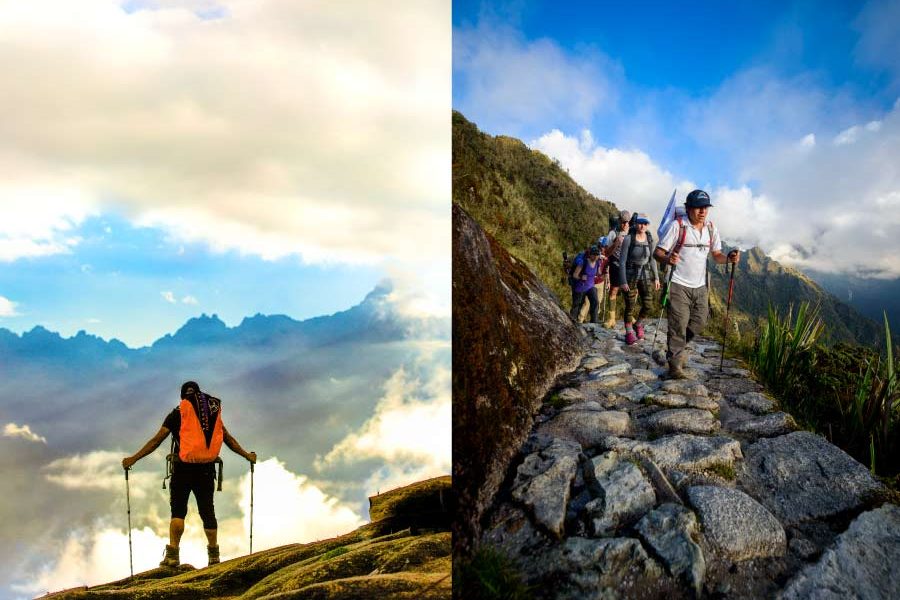
The Inca Trail trek is the classic route to the citadel and trail is one of the most famous hikes in the world. The Inca Trail follows centuries-old pathways, passing temples, terraces, and impressive Inca ruins before arriving at Machu Picchu via the iconic Sun Gate. Although demanding, the terrain is milder than Salkantay, making it accessible for more travelers.
Because the Inca Trail has a limit on daily entries and Inca Trail permits are limited, reservations through a licensed tour operator are essential. The trail is closed in February, and inca trail is strictly regulated to protect the environment. This path provides history, culture, and unforgettable views in a controlled, organized setting.
A Comparative Analysis of Salkantay vs Inca Trail: Choosing Which Trek Is Best on the Way to Machu Picchu
Despite the fact that both routes lead to Machu Picchu, the experiences they provide differ greatly. A brief comparison of the two journeys is provided below:
| SALKANTAY TREK | INCA TRAIL | |
| Duration and Distance: | Depending on the agency and schedule, the Salkantay Trek takes 4 to 5 days to complete, spanning a total of roughly 72 km. | The Inca Trail, on the other hand, is roughly 43 kilometers long and has a set duration 4 days. |
| Difficulty Level: | The Salkantay Trek is typically considered more difficult due to its higher elevations and more rugged terrain. | The Inca Trail has a less dramatic altitude profile and is easier to reach, despite being equally difficult. |
| Type of Experience: | Closer connection with nature, diverse landscapes including snow-capped mountains and tropical forests | More historically focused with several archaeological sites and a strong connection to Inca culture |
| Crowds and Exclusivity: | The Salkantay Trek is less crowded and quieter, making it possible to have a more personal experience | Because of permission limits and increased popularity, the Inca Trail is more likely to be congested, particularly during peak season |
The village of Aguas Calientes is the entry point to Machu Picchu, and both routes terminate close to it. The Inca Trail leads straight to the Sun Gate, a natural vantage point with a view of the ruins, while the Salkantay Trek offers a more remote access.
A High-Altitude Adventure: The Longer Salkantay Trek Compared to the Inca Trail or Salkantay Trek Permit Route
Several elements, including altitude, topography, and duration, contribute to the Salkantay Trek’s reputation as one of the most arduous treks in the area. The 72 km of this roughly 5-day route entails lengthy and difficult climbs on a variety of terrain, such as rocky descents, high ascents, and routes that pass through woods, snow-capped mountains, and tropical valleys.
- Altitude: The Salkantay Trek’s altitude is a major contributing factor to its difficulty. Particularly in the Salkantay Pass, the hike ascends to elevations of more than 4,600 meters above sea level. Altitude sickness is more likely to occur at these elevations, and hikers may encounter symptoms like exhaustion, lightheadedness, and trouble breathing.Altitude is still a factor, even though it’s lower than other Andean or Himalayan routes. The secret to enjoying the hike safely is to gradually acclimate to the altitude.
- Terrain: The Salkantay Trek stands out due to its rugged terrain. Strong physical and mental stamina are necessary for the steep climbs and descents, which are frequently made slick by the weather, as well as the frequent changes in surface types (rocks, mud, and dirt trails). Trekkers need to be ready to take on challenging sections, particularly while traversing colder and higher terrain.
- Weather and Duration: The trek is strenuous because it is a lengthier hike, with sections that take up to eight hours each day. The weather is also subject to change. Although the climate of the route varies from balmy tropical valleys to frigid high-mountain regions, travelers may experience abrupt downpours and sharp temperature swings. Extreme weather conditions, ranging from extreme cold to high humidity, must be anticipated by trekkers.
Those in good physical shape, seeking a significant physical challenge, and possessing prior high-altitude trekking experience are the ideal candidates for the Salkantay Trek. Beginners and anyone with altitude-related health conditions are no advise
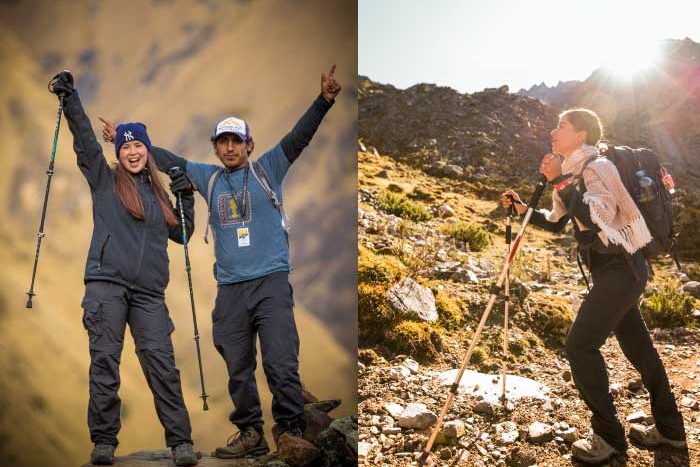
The Inca Trail: A Moderately Difficult Historic Trek Requiring an Inca Trail Permit
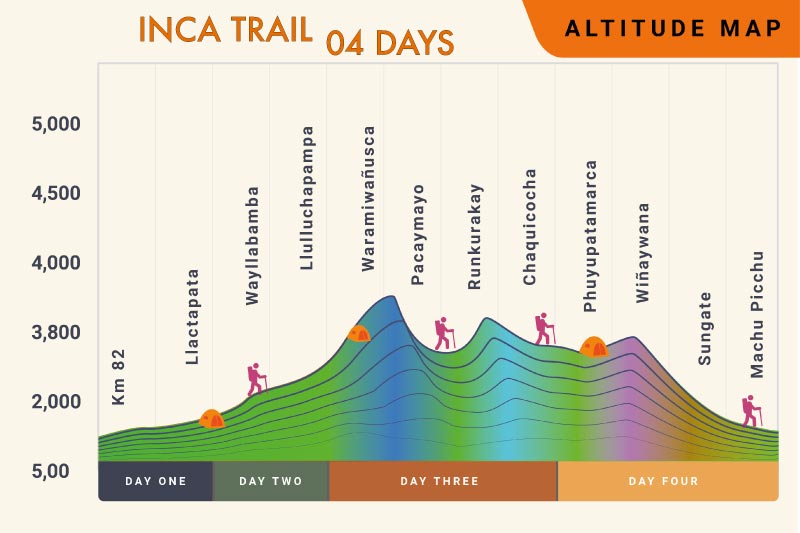
Although the height and topography of the Inca Trail are not as taxing as those of the Salkantay Trail it is still a strenuous journey that calls for sufficient physical preparation. Compared to the Salkantay Trek, this 4-day path is a little shorter—about 43 km—but just as magnificent.
- Altitude: At 4,200 meters above sea level, Dead Woman’s Pass is the highest point on the Inca Trail. Altitude is also a problem to take into account, even though this is far lower than the Salkantay Trek. Altitude sickness symptoms can strike hikers, particularly if they haven’t adequately acclimated before embarking on the journey. However, because the trek is shorter and is finished in a shorter amount of time, the acclimatization route is typically less strenuous.
- Topography: Although the Inca Trail’s topography is varied, it is not as harsh as the Salkantay Trek’s. Although there are some steep parts and Inca stairs along the way, particularly in the beginning, the path is more reputable and easier to follow. The majority of the journey is on paved Inca roads, making it easier to walk, but the steep slopes and stairs are still difficult. The walk is visually appealing and varied because to the terrain’s variation between mountains, forests, and ancient ruins.
- Weather & Length: The Inca Trail is a lengthy trip, requiring 6 to 8 hours of walking per day, much to the Salkantay Trek. The daily stages are a little less demanding, though, because the voyage is shorter. Though hikers should expect rain, particularly during the rainy season (November to March), the Inca Trail experiences warmer weather than the Salkantay Trek. Warmer temperatures during the day and cooler temperatures in the mornings and evenings are common weather conditions on the trail.
The Inca Trail is better suited for those who are in reasonable physical condition but might not be ready for the strenuous demands of a high-mountain climb than the Salkantay climb. People interested in Inca history and culture who want a physically challenging but approachable experience should try it.
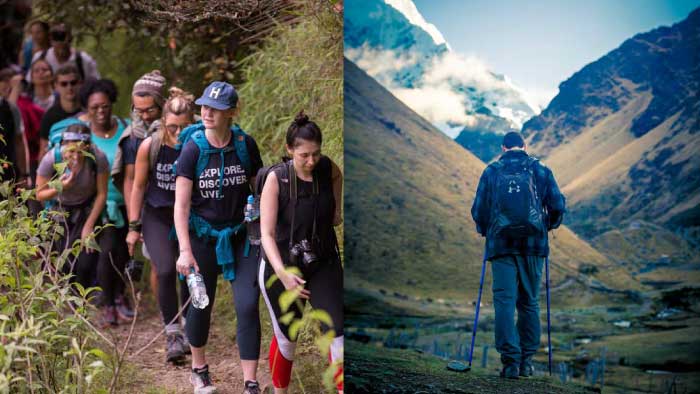
In the end, which is more challenging?
- Difficulty Level: Because of its higher elevation, rough terrain, and longer duration, the Salkantay Trek is generally more challenging. It calls for a great deal of physical training, particularly if you have never gone high-mountain trekking before. Because of its lower elevation and more mild terrain, the Inca Trail is more accessible even if it is still difficult.
- Physical Endurance: While both treks call for a high level of endurance, the Salkantay Trek requires greater mental and physical work. The Inca Trail is more appropriate for those in general physical condition due to its ascents and less rugged terrain, even if it also features long walking days.
- Altitude Adaptation: Because of its higher elevation, the Salkantay Trek carries a higher risk of altitude sickness. Though the Inca Trail permits progressive acclimatization, it also poses difficulties in this regard.
In conclusion, the Salkantay Trek is the ideal option if you’re searching for a very difficult hike that will expose you to harsh circumstances and stunning scenery. The Inca Trail is ideal if you want a more cultural and historical experience that is moderately challenging but equally rewarding. You can reach the magnificent Machu Picchu on any journey, but the route you take will rely on your choices and level of physical fitness.
Which Trek Provides the Best Machu Picchu Views?
One of the most exciting moments for trail hikers is seeing the Inca citadel from above, but each route offers a unique visual experience. The Inca Trail is one of the world’s iconic hikes and trail is the most famous for its arrival at the Sun Gate, the most celebrated spot on the Inca Trail. Since Inca Trail permits are limited and the Inca Trail is closed in February, travelers seeking the classic viewpoint often choose the Inca Trail, including the shorter 2-day Inca Trail, considered by many the best tour for a shorter experience. Because the Inca Trail ultimately follows original Inca paths, it delivers the most emotional and panoramic arrival when the Inca Trail starts approaching Inti Punku.
The Salkantay Trek Tour, a top alternative to the Inca Trail, offers sweeping Andean landscapes throughout a trek that spans diverse ecosystems. When you hike the Salkantay, the scenery is spectacular, though the first view of the citadel appears only after reaching Aguas Calientes. Still, many adventurers prefer this route for its remote beauty and dramatic mountain backdrops.
Salkantay Trek: Magnificent High-Andean Views on a Longer and More Scenic Route
The Salkantay Trek is one of the most breathtaking paths in the area because of its striking scenery. The walk offers stunning and incredibly varied vistas along the way, even if it doesn’t provide direct views of Machu Picchu until the very end of the journey. From the snow-capped heights of the Vilcabamba mountain range to deep tropical jungles, the Salkantay Trek’s visual experience is distinguished by its frequent changes in landscape.
Views from Salkantay Pass: One of the trek’s highlights is Salkantay Pass, which is 4,600 meters above sea level and offers views of the magnificent Mount Salkantay, a mountain that rises more than 6,200 meters. Enjoy a panoramic view of the snow-covered peaks and deep valleys that spread for miles from this pass, which offers breathtaking and dramatic vistas. The emphasis here is mainly on the grandeur of the surrounding landscape, while Machu Picchu is not yet visible on the horizon.
After finishing the hike and arriving in Aguas Calientes, travelers take a train to Machu Picchu. Though it is a more conventional perspective from the other side of the river, through a more mountainous and enclosed setting, the last view of the Inca fortress is breathtaking. Although the view is magnificent, it lacks the Inca Trail’s renowned viewpoint.
En conclusión, quienes buscan vistas panorámicas de los Andes en su estado más prístino pueden encontrar la caminata Salkantay ideal. Sin embargo, este no es el sendero que les brindará una vista directa de Machu Picchu hasta el final, si su objetivo principal es verlo desde un punto emblemático a lo largo de la caminata.
Inca Trail: The Traditional Sun Gate View of Machu Picchu
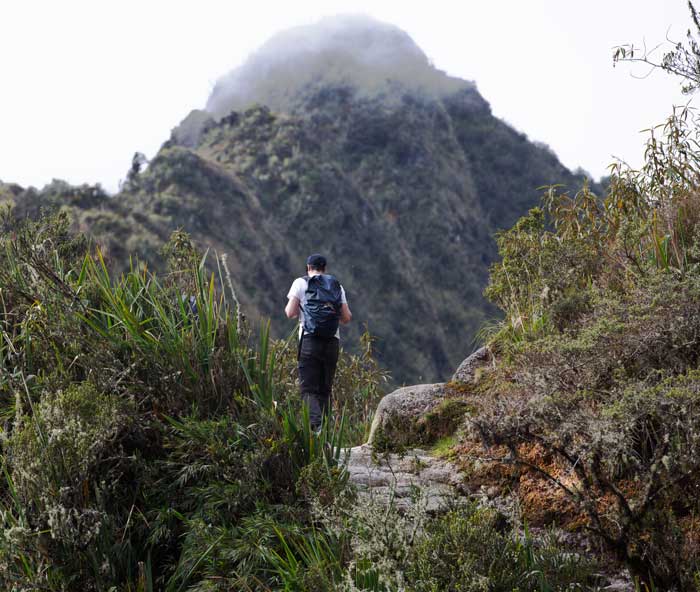
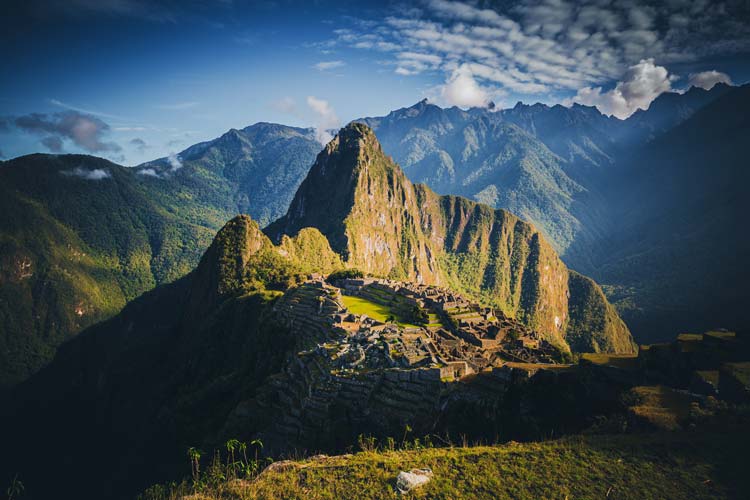
In addition to being well-known for its historical and cultural perspective, the Inca Trail provides the trek’s most recognizable view of Machu Picchu. The Sun Gate, also known as Inti Punku, is a natural overlook that offers trekkers a breathtaking view of Machu Picchu on the last day of the Inca Trail.
Without a doubt, this spot is the most well-known location to obtain a broad perspective of Machu Picchu. With the lush mountains and thick forest encircling the archeological site, the Sun Gate, which is roughly 2,720 meters above sea level, is the first place trekkers see the Inca citadel in all its beauty. Many people consider this vista to be the high point of the hike, and it has become famous.
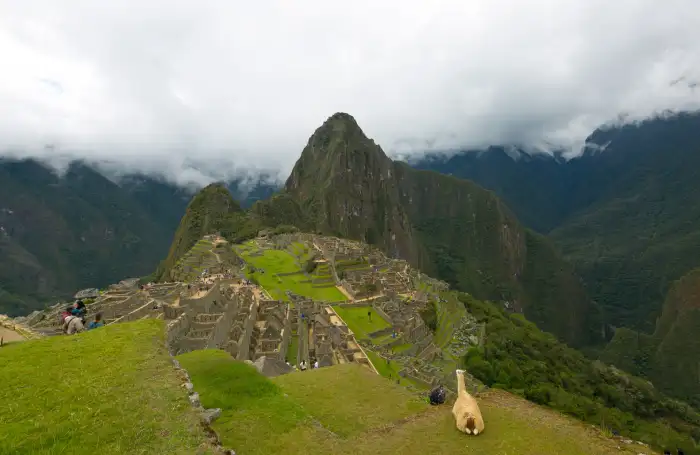
From this vantage point, visitors can get a more comprehensive view of the citadel, with the surrounding mountains framing the main square, temples, and the well-known agricultural terraces.
The Inca Trail’s layout enables hikers to trace the steps of the Incas of antiquity. The vista of Machu Picchu is breathtaking as you get closer to the Sun Gate. The visual experience is further enhanced and varied by the trail’s passing by other archaeological sites, which provide views of Machu Picchu from various perspectives.
The Inca Trail offers a significant link to history, and the fact that you reach Machu Picchu by a route that the Incas previously used gives the view a cultural and emotional significance that few other treks can match.
To sum up, the Inca Trail, particularly from the Sun Gate, provides the most iconic and direct views of Machu Picchu.Many consider arriving at this viewpoint, the most famous and representative, one of the most thrilling parts of the journey.
In conclusion, which provides superior views of Machu Picchu?
The Inca Trail is an excellent option for those seeking the renowned panoramic view of Machu Picchu. Arriving at the Sun Gate, the traditional location to witness Machu Picchu in all its splendor, is a moment that many hikers will never forget. The Inca Trail is ideal for those who enjoy traveling a route rich in culture and history while capturing the most famous picture of the Inca citadel.
Although the Salkantay Trek provides breathtaking vistas of the Andes and the chance to witness nature in its most pristine form, there are fewer direct views of Machu Picchu.
Only at the end of the journey is the citadel visible, and the last viewpoint is more conventional and lacks the Inca Trail’s initial visual impact. Nonetheless, the Salkantay Trek is a fantastic choice if you’re looking for a more secluded hike with expansive views of the mountains and the surrounding environment.
Cost Comparison: Inca Trail vs. Salkantay
The Salkantay Trek and the Inca Trail have quite different prices, so the path you choose will rely on your spending limit and your experience goals. Here is a comparison of the prices for each of these hikes.
The Inca Trail
Due to a number of circumstances, including the Peruvian government’s stringent rules and the restricted quantity of permits available, the Inca Trail is typically more costly.
Since these permits are required to access the trail and sell out rapidly, the trek’s overall cost goes up. Depending on the agency, time of year, and services (such as guides, gear, transportation, and admission fees), the cost of an Inca Trail guided tour typically ranges from $600 to $1,000 USD per person. Furthermore, admission to Machu Picchu is already covered by the package; however, additional services, including access to Huayna Picchu Mountain, will cost more.
The Salkantay Trek
The Salkantay Trek is typically less expensive in contrast. A guided Salkantay Trek typically costs between $400 and $700 USD, while the exact cost also depends on the agency and the services provided. This is because a lot more people can travel the path and it does not need the same stringent permits as the Inca Trail. Although Machu Picchu admission is also covered, trekkers frequently have a choice of service levels, which may have an impact on the total cost.
| Feature | Inca Trail | Salkantay Trek |
|---|---|---|
| Average Cost (USD) | $600 – $1,000+ | $400 – $700 |
| Permit Requirement | Yes (strict, government-controlled) | No special permits required |
| Availability | Limited (sells out months in advance) | High availability year-round |
| Booking Time | 3–6 months in advance recommended | Can be booked days or weeks in advance |
| Included Services | Guide, meals, porters, camping gear | Guide, meals, transport, optional upgrades |
| Accommodation Type | Camping (regulated campsites only) | Hostels, lodges, or upgraded hotels |
| Flexibility | Fixed itinerary (no changes allowed) | Flexible itineraries and service levels |
| Group Size | Restricted and controlled | More flexible group sizes |
| Machu Picchu Entry | Included | Included |
| Extra Costs | Huayna Picchu, rentals, tips | Optional upgrades, activities, tips |
| Overall Experience | Classic, historical route | Adventure + nature + cultural mix |
Permits and Reservations: Essential Information
To make sure your trip goes as well as possible, it’s crucial to comprehend how the reservations and permissions procedure operate before starting on any of these well-known paths to Machu Picchu. Although preparation is necessary for both climbs, the permits and reservation procedures differ significantly, particularly for the Inca Trail. This is all the information you require.
Inca Trail: Required Licenses and Reservation Procedures
To protect its historical and ecological value, the Inca Trail is also one of the most strictly regulated routes in Peru. Access is controlled through a daily permit system, and Inca Trail permits are limited to about 500 per day, including guides and porters. Because these Inca Trail are limited, permits sell out quickly—especially from April to October—so booking at least six months in advance is strongly recommended.
Permits must be secured through an authorized tour operator, as they cannot be purchased directly. Packages usually include transportation, guides, meals, and your Machu Picchu entrance ticket. Due to high demand and regulations, permit prices increase annually and form part of the total cost of the Inca Trail trek.
Salkantay Trek: More Freedom, Fewer Limitations
The Salkantay Trek’s reservation procedure is less rigid and more flexible than the Inca Trail’s. Booking in advance is still advised, although there is less urgency because of restricted permits or deadlines.
Since the Salkantay Trek doesn’t require any specific permissions, there are more trekkers available. This makes it a more adaptable choice, perfect for people who want to make reservations with less suspense.
Reservations should be made at least two to three months in advance, especially during the busiest times of the year, however there are no hard and fast rules. This provides you time to organize other parts of your trip and guarantees that you can choose the dates that work best for you.
Many people prefer to make their reservations through a vacation agency that offers transportation, equipment, and guides, however this is not required. Similar to the Inca Trail, certain organizations provide all-inclusive packages that include both the trek and Machu Picchu admission.
Permits are not too expensive, but the cost of the trek depends more on the services and degree of comfort you select (e.g., whether you want to camp or undertake the walk with more amenities).
In summary: Comparing Permits and Reservations for the Inca Trail with the Salkantay Trek
The Inca Trail is highly regulated and stringent, requiring reservations in advance because daily permits are limited. Booking at least six months in advance is advised.
Booking is made easier with the Salkantay Trek’s greater flexibility and lack of permit limitations, but it’s still essential to make reservations in advance to guarantee the best dates and services.
Selecting the Ideal Trek for Your Journey
Your degree of physical condition, your hobbies, and the kind of experience you hope to have will all play a role in your decision between the Inca Trail and the Salkantay Trek for your Machu Picchu excursion. Though they have quite different qualities, both walks provide breathtaking views and a strong connection to nature and history. We help you choose the best trek for your needs and objectives in the sections that follow.
Which kinds of landscapes are your favorites?
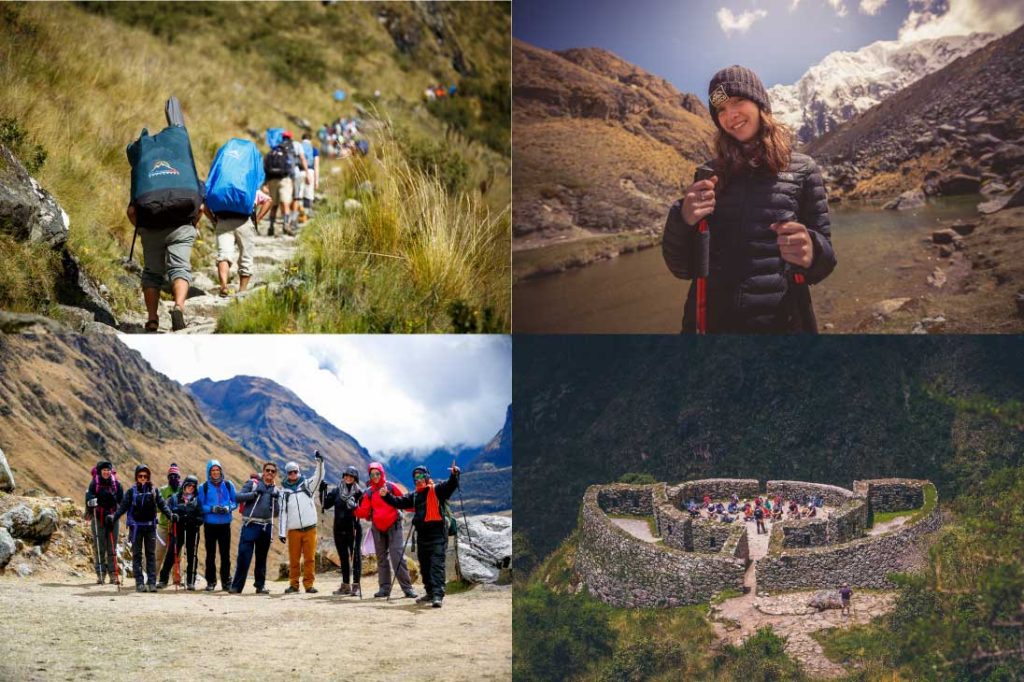
This trek is perfect for those who are drawn to breathtaking and diverse scenery. You will pass through high mountain regions, cloud forests, tropical lowlands, and snowy ranges along this trip. The Salkantay Trek will provide you with a more remote and expansive experience if you prefer walks in more remote and uncrowded settings.
The Inca Trail is the greatest choice if you want to see archaeology, nature, and culture while walking along a historical route. You’ll get breathtaking views of the citadel of Machu Picchu and a number of Inca archaeological sites along the way. The Inca Trail is the route to take if you’ve ever dreamed of the iconic view of Machu Picchu from the Sun Gate.
What Level of Physical Fitness Do You Have?
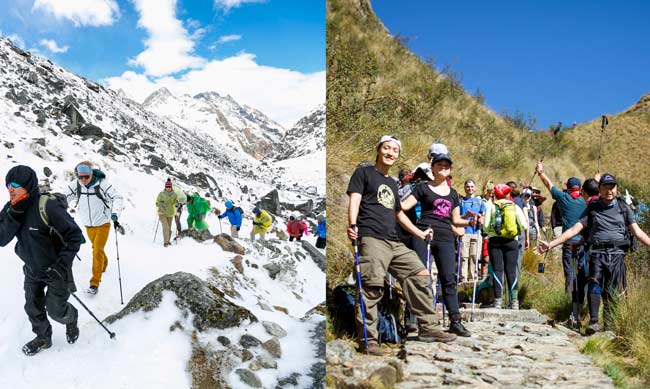
The terrain and elevation of this journey are more difficult. Particularly in the beginning of the journey, it can be physically taxing and reaches elevations beyond 4,600 meters. The Salkantay Trek is a great choice if you appreciate more strenuous physical challenges and are in good physical condition.
Although it is a strenuous hike as well, the Inca Trail is a little easier to navigate in terms of elevation and terrain. The Inca Trail features gentler, less strenuous sections than the Salkantay Trek, despite the fact that there will be some high climbs and Inca stairs. The Inca Trail might be a better option if you’ve never trekked at high elevations but still desire a strenuous physical experience.
Which Kind of Experience Is Your Favorite?
The Salkantay Trek is the ideal option if you’re searching for a more daring hike that offers a better sense of seclusion and fewer tourists. It provides the chance to see nature in its most pristine state, away from visitors, and arrive at Machu Picchu through an unconventional path. If you want a longer and more difficult walk, this is the best option.
This route will lead you through distinctive and striking archeological sites if you’re looking for a deeper historical and cultural experience. The trail has a strong cultural component because it traces the old Inca road system. Additionally, the Inca Trail will provide a more social experience if you want a more organized hike with more people (and the chance to socialize with other travelers).
What’s Your Time Limit?
The Salkantay Trek usually lasts five days, which allows you more time to take in the diverse scenery and acclimate to the higher elevation. If you want a longer walk and have more time, this is the best option.
If you are short on time or would rather do a walk that focuses more on the historic route to Machu Picchu, the 4-day Inca Trail is a shorter choice. For those seeking a comprehensive but condensed experience, it’s perfect.
How Much Do You Have to Spend?
Compared to the Inca Trail, the Salkantay Trek is typically less expensive. The overall cost is reduced because it doesn’t need as many rules or stringent permissions. There are also more affordable trekking alternatives available, ranging from basic to luxurious.
The Inca Trail is typically more costly due to government restrictions and the strong demand for permits. The fee typically includes permits, guides, porters, and other extra services. Although the trail’s popularity and historical significance make the cost justified, it might not be the best option if money is limited.