




The Inca Trail rainy season runs from November to March and brings specific challenges and conditions for anyone trekking to Machu Picchu. During this period, trails can become muddy and slippery, rivers may swell, and the cloud forest sections are noticeably more humid. Despite these difficulties, the landscapes are greener, waterfalls fuller, and the paths are generally less crowded, offering a quieter and more immersive trekking experience compared to the dry season.
The Classic Inca Trail covers approximately 43 kilometers (26 miles) and is usually completed over four days. Along the route, hikers pass through terraces, ceremonial temples, and hidden ruins built by the Incas, providing a direct connection to their history and culture. Each day brings different scenery, ranging from high Andean mountains and dramatic valleys to lush cloud forests filled with unique flora and fauna, making the trek visually diverse and constantly engaging.
During the rainy season, weather can be unpredictable. Heavy rain and fog can reduce visibility, and some trail sections may become challenging due to mud or water accumulation. Occasional landslides can occur, requiring hikers to pay close attention and follow their guides’ instructions. The trek also involves high-altitude conditions, reaching over 4,200 meters (13,800 feet) at points like Dead Woman’s Pass, so proper acclimatization in Cusco or the Sacred Valley is essential to minimize the risk of altitude sickness. Trekking gear is crucial: sturdy waterproof boots, layered clothing for variable temperatures, rain protection, trekking poles for stability, and gloves are highly recommended. A rain cover for your backpack and quick-drying clothing can make the hike safer and more comfortable.
Guides and porters are essential during this season, managing logistics, carrying equipment, preparing meals, and monitoring trail conditions to ensure safety. Traveling with experienced guides allows trekkers to focus on the hike while learning about the culture and history of the region. Despite the extra challenges, the experience remains incredibly rewarding. On the fourth day, hikers reach the Sun Gate (Inti Punku), where the first panoramic view of Machu Picchu unfolds, revealing the citadel framed by misty mountains and vibrant cloud forest. The combination of challenging weather, lush landscapes, and ancient ruins makes the Inca Trail rainy season a distinctive and memorable way to experience this historic route.
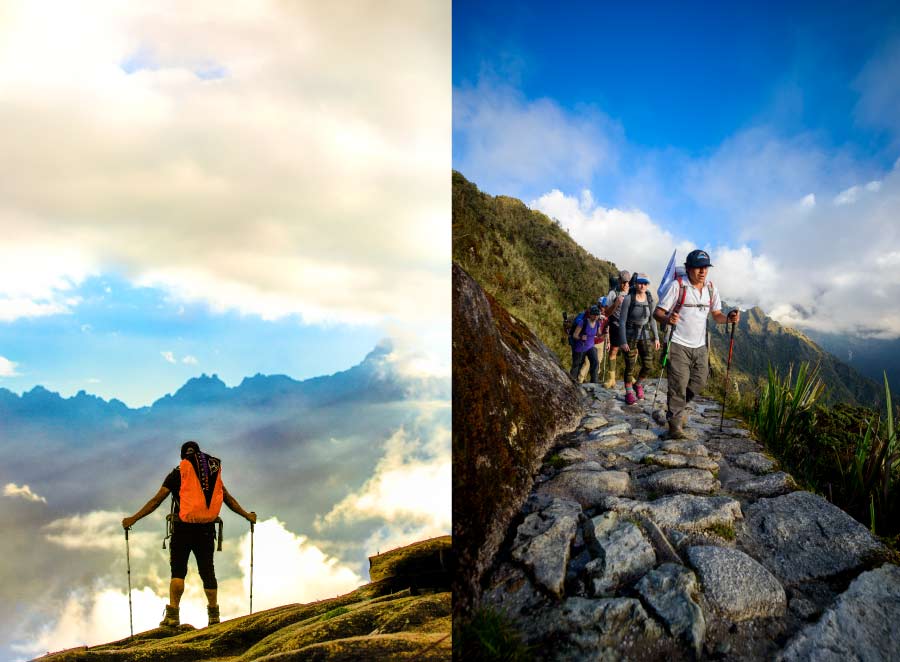
Trail conditions during rainy season
During the rainy season in the inca trail , Cusco and the surrounding regions experience heavy rainfall and variable weather patterns, which can affect hiking conditions along the Inca Trail. Rising rivers, muddy paths, and occasional landslides may impact some sections of the trail, especially at higher elevations.
February is the wettest month, and for this reason the trail is closed each year for maintenance and conservation work to preserve the trail. During this closure, authorities repair and stabilize areas damaged by rain, ensuring safer conditions for trekkers later. Even outside February, hikers should expect slippery paths and wet terrain.
Preparation is essential for anyone planning to hike the Inca Trail during this season. Essential gear includes sturdy hiking boots, waterproof layers, a day pack, trekking poles for stability, and a warm sleeping bag for cold nights. Bringing extra layers, gloves, and a rain cover for your backpack is highly recommended.
IIn addition, trekkers should be aware that trail signage can sometimes be obscured in misty or rainy conditions. Always go with a licensed guide, follow the marked route, and travel with a small group or tour for safety.
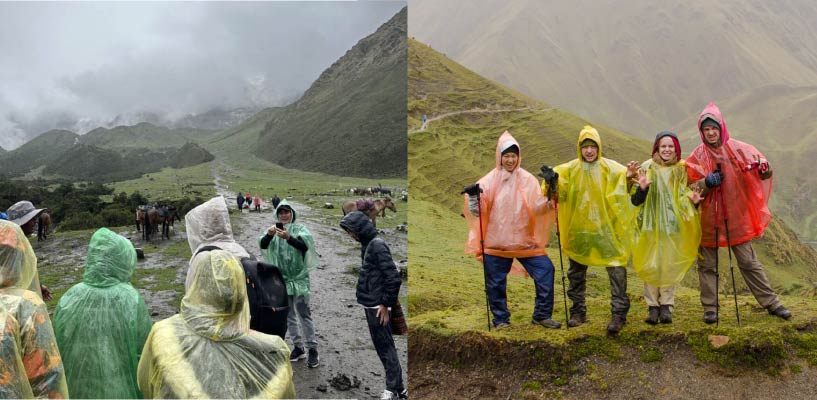
Inca Trail to Machu Picchu updates 2026
The Inca Trail normally reopens in March after its annual closure, although weather conditions and visitor flow can still impact hiking conditions during this time. On the 4 days Inca Trail, trekkers experience noticeable changes in climate throughout the journey. Day 1 begins in the high Andes, where cooler temperatures and mountain views set the tone, gradually immersing hikers in both the landscapes and history of the Inca civilization. By Day 3, the trail descends into warmer and more humid cloud-forest environments, where many hikers notice increased humidity and a completely different ecosystem.
In recent years, weather patterns in the region have become more unpredictable. For example, in 2025, authorities announced that the trail might remain closed until March 15 due to heavy rains and landslides affecting the area. These measures are taken to protect both visitors and the fragile ecosystem surrounding the famous Inca Trail to Machu Picchu. During such situations, access may be temporarily limited, and in some cases, only Circuit 1 of Machu Picchu may be available to ensure safety and proper visitor management.
Tour operators and guides providing trail tours work closely with government authorities to continuously monitor conditions and carry out maintenance on affected sections. Their role is essential in ensuring that the trail remains safe and accessible, allowing trekkers to continue their journey to Machu Picchu with confidence. These coordinated efforts also help preserve the historical and natural integrity of the route.
Despite occasional challenges, the experience remains incredibly rewarding. By Day 4, hikers reach the iconic Sun Gate (Inti Punku), where the first panoramic view of Machu Picchu unfolds one of the most memorable highlights of the entire trek.
Advantages of hiking during rainy season
But although hiking during the rainy season can be daunting, going on the Inca Trail at that period presents various advantages. Booking your tour during the rainy season ensures you fewer crowds, which allows you to enjoy the Sacred City in a more serene way. Remember that with fewer people on the trail, you can have a more intimate and personal experience.
Since fewer tourists visit the region during the rainy season, you may find the best deal regarding housing, or you can even discuss pricing more easily with tour agencies.
The rainy season’s cool temperatures bring a pleasant climate to hike in, which is a lot more bearable than during the dry season when the sun hits very heavily.
As we area team of photographers here at Southern Peru Explorers, we care very much about the unique atmosphere brought during the rainy season, which provides beautiful pictures. With intense green landscapes, misty clouds, wet trails, and occasional sunrays piercing through the clouds, create an ethereal setting that makes for stunning photos. Another excellent reason to hike in the majestic Andean region during the rainy season is wildlife viewing. Animals like snakes and frogs, as well as birds, frogs, and insects, are more active during or after the rain.
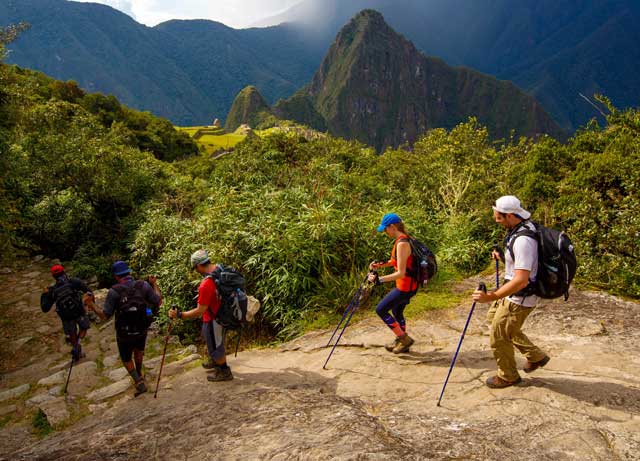
Recommendations for trekkers
If you’re planning to hike the Inca Trail during the rainy season, preparation truly makes all the difference. Weather in the Andes can shift quickly from bright sunshine to rain in just a few hours so being ready for all conditions is essential. Make sure to pack good waterproof gear, sturdy and comfortable hiking boots, warm layers for cold mornings and evenings, and a reliable sleeping bag. A light day pack is also important for carrying your daily essentials like water, snacks, sunscreen, and a rain jacket. Staying well hydrated is key, especially at higher altitudes where your body needs more support.
Acclimatization is another crucial part of your preparation. Spending at least a couple of days in Cusco or the Sacred Valley before starting your trek allows your body to adjust gradually to the altitude. This not only reduces the risk of altitude sickness but also helps you feel stronger and more comfortable during the hike.
When it comes to booking your Inca Trail trek, planning ahead is essential. Permits are limited and tend to sell out quickly, especially during the dry season. Even for shoulder months like April and October, it’s highly recommended to book at least 4 to 6 months in advance. Securing your permit early gives you peace of mind and ensures everything is well organized before your trip.
It’s also important to remember that the Classic 4 days Inca Trail (4 days and 3 nights) is a regulated route, and all trekkers must be accompanied by a licensed guide. Choosing a professional and responsible operator not only guarantees your safety and comfort but also helps preserve the archaeological sites and natural environment along the trail.
Finally, keep in mind that your overall experience will depend on factors like weather, altitude, and your own pace. Take your time, start your days early, listen to your guide, and enjoy the journey step by step. With the right preparation and mindset, hiking the Inca Trail becomes an unforgettable adventure one that leads you to Machu Picchu fully prepared and ready to appreciate every moment.