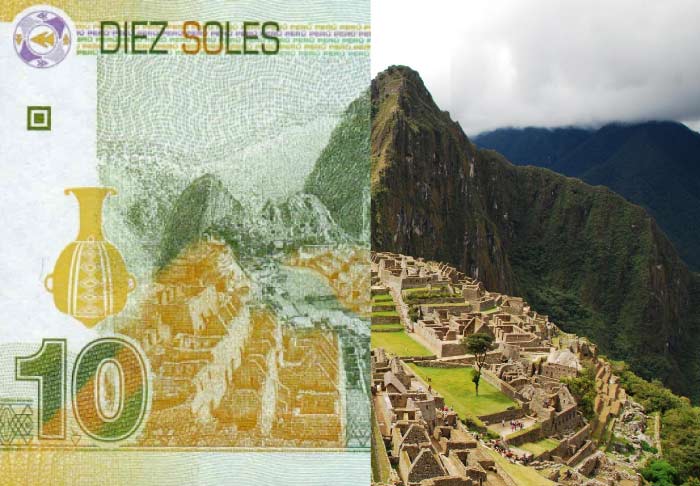




Peru Tours FAQ: Southern Explorers Guide to Machu Picchu, Cusco, Inca Trail & Complete Trip Planning
Planning a trip to Peru is an exciting adventure, but it often comes with many questions especially for first-time travelers. In this comprehensive Peru tours FAQ, we provide clear and practical answers to the most common concerns, helping you plan a smooth, safe, and unforgettable journey.
Peru is a country of incredible diversity, where ancient history meets breathtaking landscapes. From exploring vibrant cities like Lima and Cusco to embarking on once-in-a-lifetime adventures such as the Inca Trail to Machu Picchu, every traveler can find a unique experience. Whether you’re seeking cultural immersion, family-friendly trips, or fully customized private tours, Peru offers something for every travel style.
However, proper preparation is key to making the most of your visit. One important factor to consider is the high altitude in the Andes, which may affect travelers during their first days. Taking time to acclimatize in Cusco or the Sacred Valley will ensure a more comfortable and enjoyable experience.
When organizing your trip, it’s essential to plan ahead. Peru is one of South America’s top travel destinations, and during peak seasons, permits for the Inca Trail, accommodations, and guided tours can sell out months in advance. While some last-minute bookings may still be possible, availability often limited, so early planning is highly recommended.
Additionally, understanding practical travel details such as the local currency (Peruvian Sol), exchange rates, and general travel costs will help you manage your budget effectively and avoid surprises along the way.
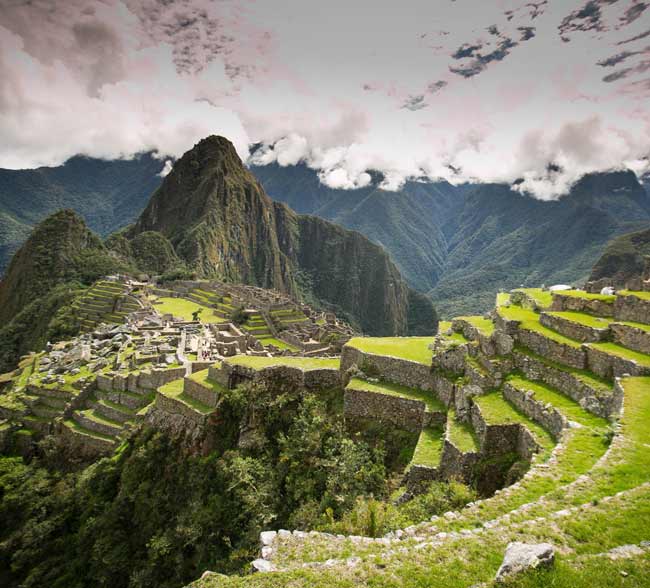
This FAQ section has been carefully designed to give you clarity, confidence, and all the essential information you need before your trip. With the right preparation, you’ll be ready to fully enjoy the rich culture, stunning landscapes, and unforgettable experiences that make Peru one of the world’s most remarkable destinations.
What treks are available in Peru?
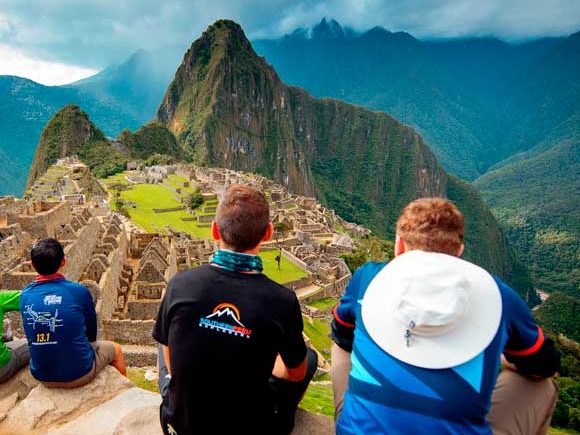
For any traveler ready to Peru tours, the country offers some of the most iconic trekking routes in the world. The legendary Inca Trail to Machu Picchu is one of the most sought-after experiences, especially during the height of the dry season from June to August, widely considered the best time to visit.
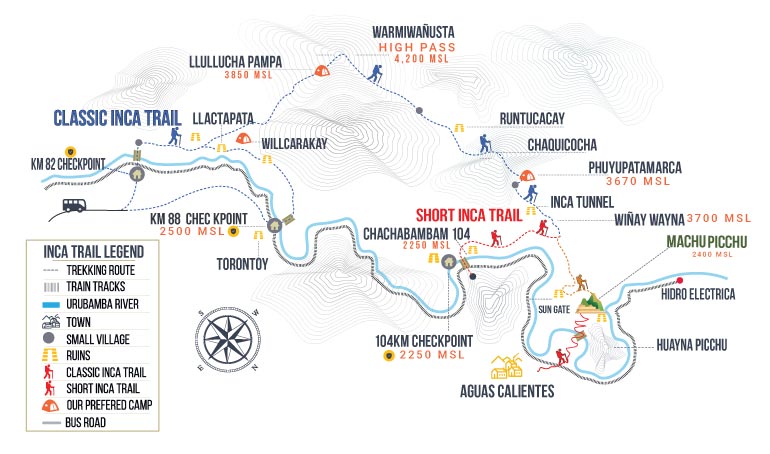
However, due to strict regulations, many of these departures fill up months in advance 4 months or more recommended so early planning is essential.
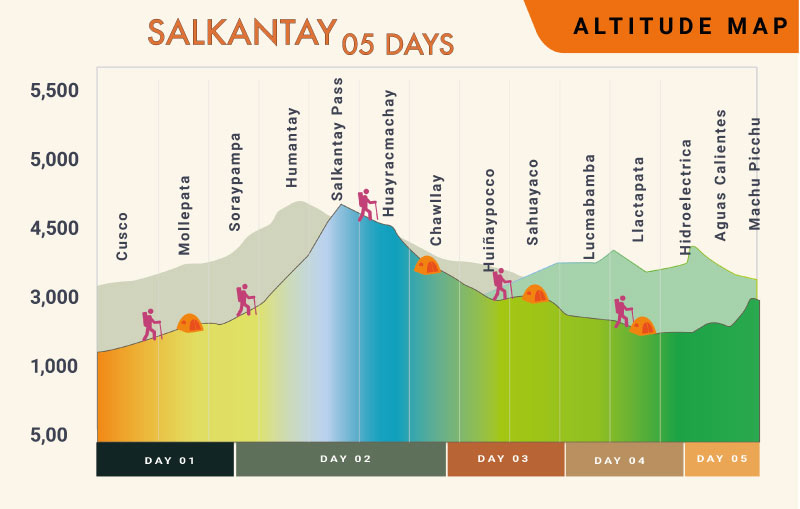
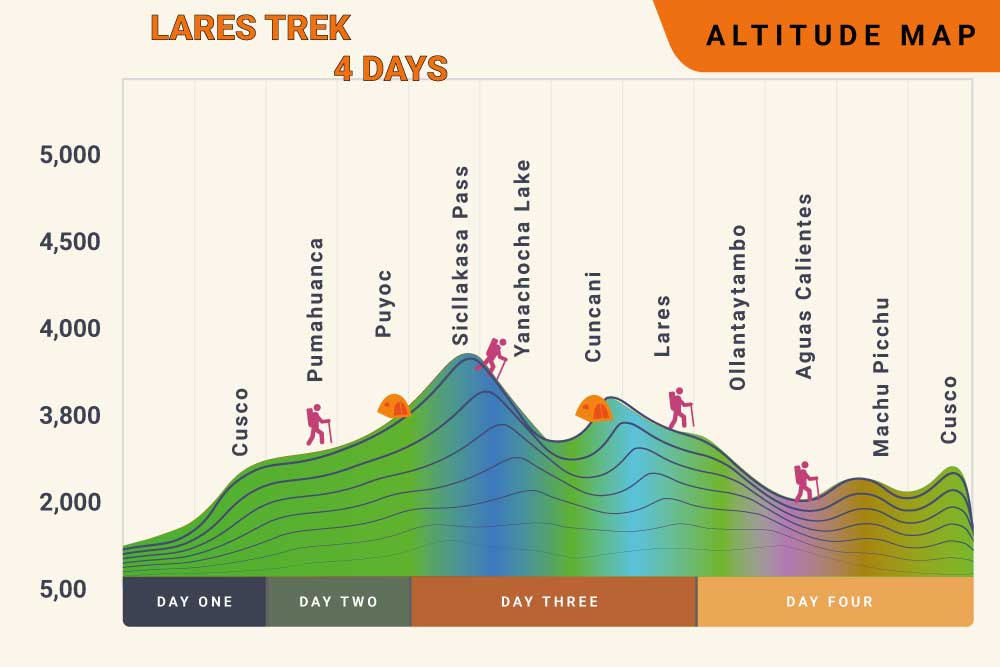
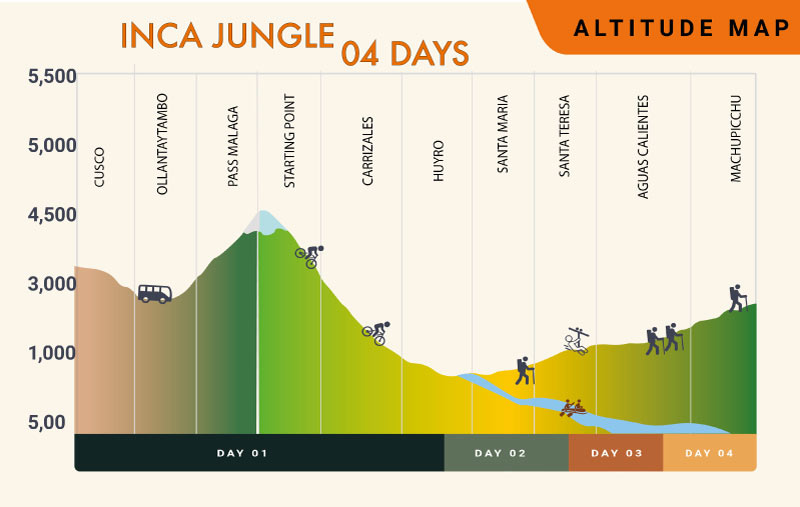
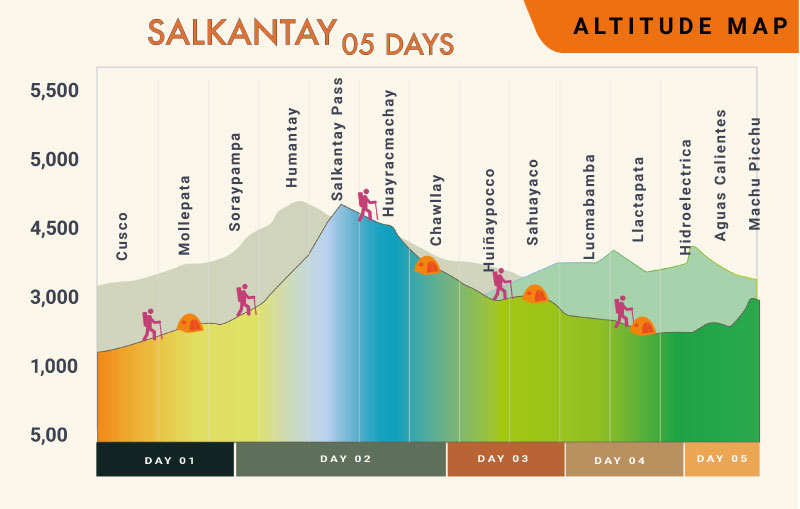
If permits are unavailable, alternative routes such as the Salkantay Trek and Lares Trek offer equally rewarding experiences. These treks take you through breathtaking landscapes, from high-altitude mountains to lush valleys, and provide a deeper connection to local culture. They are ideal for those seeking more diverse and less crowded travel experiences.
If you are visiting outside of these busy months, you may find better availability and flexibility, while still enjoying incredible scenery.
HOW DO I BOOK A TREK WITH SOUTHERN PERU EXPLORERS?
We make planning a trip simple and stress-free. As your trusted travel partner, you can contact us through our website and send your group details in one request.
Once we receive your information, we will guide you through the booking process. A 50% deposit per person is required to secure your reservation, after which we confirm all permits and services. You will then receive a full confirmation email with your detailed itinerary.
Because departures fill up months in advance, we recommend booking early. However, we are often able to accommodate last minute travelers as well, depending on availability. If a specific lodge or service is not available for your selected dates, we will recommend some other similar options that would be equally enjoyable.
HOW DO I GET A PERMIT FOR THE INCA TRAIL TO MACHU PICCHU?
Getting a permit for the Inca Trail is a key step in planning your trek, and it’s important to know that these permits are strictly controlled by the Peruvian government. You can’t purchase them on your own they must be arranged through an authorized tour operator. The good news is that Southern Peru Explorers takes care of the entire process for you, so you don’t have to worry about the paperwork.
When booking your trek, you’ll need to provide your personal details exactly as they appear on your passport. This is very important because permits are issued in your name and cannot be transferred or modified later. Once your reservation is confirmed, travel dates and personal information cannot be changed.
If you happen to renew your passport after booking, don’t worry it’s still possible to update your passport number. For this, the Ministry of Culture will ask for a copy of both your old and new passport. If you no longer have your old passport, you can usually provide another official ID that shows the same name.
Because permits are limited and often sell out months in advance, it’s always a good idea to book as early as possible. This way, you secure your spot and can focus on getting ready for one of the most incredible trekking experiences in the world.
Important Booking & Travel Tips
When organizing your trip to Peru, we usually recommend that you wait to book your international flights until after your tour has been confirmed. This helps avoid scheduling conflicts.
At the same time, the sooner that you can take advantage of flight deals as they become available, the better balancing flexibility with cost savings is key.
Whether you are traveling during peak season or outside of these busy months, our team ensures a seamless experience tailored to your needs, making Peru one of the top destinations for tourism in South America.
HOW DO I GET TO CUSCO?
Getting to Cusco is easier than it might seem, and for most travelers, the journey starts with a flight. Since Cusco’s airport only handles domestic flights, you’ll first arrive in Lima if you’re coming from abroad. From there, you’ll need to collect your luggage, go through customs, and then check in again for your flight to Cusco.
Several airlines operate daily flights between Lima and Cusco, including LATAM, Avianca, Sky, and a few local carriers. In our experience, LATAM and Avianca tend to be the most reliable options, especially when it comes to handling delays or last-minute changes. Flights are relatively short about 1 hour and 15 minutes but keep in mind that weather conditions in the Andes can sometimes affect schedules, so it’s always a good idea to allow some flexibility in your itinerary.
If you prefer a more scenic and gradual journey, there are also bus options from Lima or other cities, but these take significantly longer (often over 20 hours). For most travelers, flying remains the most practical and comfortable choice.

WHERE SHOULD I STAY IN CUSCO?
Cusco has something for every type of traveler, whether you’re looking for a charming boutique hotel, a comfortable mid-range stay, or a budget-friendly hostel. You’ll find plenty of great options, especially around the Historic Center, which is where most restaurants, shops, and attractions are located.
That said, it’s good to know that many of Cusco’s streets are narrow and cobblestoned, and some areas are not accessible by car. This means you might need to walk a short distance to reach your hotel, especially if you’re staying very close to the main square (Plaza de Armas). It’s all part of the city’s charm but something to keep in mind, especially if you’re arriving with luggage or late at night.
If you’re concerned about altitude, some travelers prefer staying in quieter areas like the Sacred Valley for the first nights, where the elevation is lower and the environment more relaxed perfect for acclimatizing before exploring Cusco or starting a trek.
As your travel partner, we’re always happy to help you choose the right accommodation based on your travel style, comfort level, and budget. We can also coordinate meeting points, transfers, and logistics to make your arrival as smooth as possible so you can focus on enjoying your time in this incredible city.
WHAT IS ALTITUDE SICKNESS? HOW CAN I PREVENT IT?
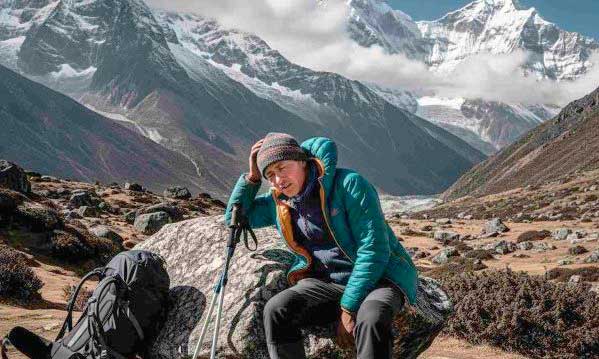
Cusco is located at high elevation, and many treks take place at even higher altitudes. For travelers visiting during the height of their journey in the Andes, acclimatization is essential.
Common symptoms include headaches, fatigue, dizziness, and shortness of breath. To prevent this, we recommend rest, hydration, light meals, and coca tea. This is especially important for travelers visiting high-altitude destinations like Cusco or Lake Titicaca.
You may also consult your doctor about medications before your travel to Peru.
CAN I STAY IN THE SACRED VALLEY?
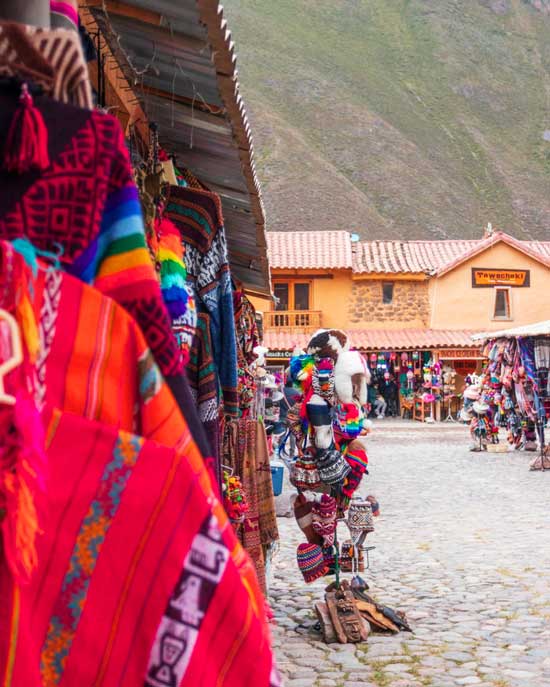
Absolutely staying in the Sacred Valley is actually one of the best decisions you can make, especially at the beginning of your trip. Places like Ollantaytambo offer a more relaxed atmosphere and, importantly, a lower altitude than Cusco, which can really help your body adjust before heading into higher elevations.
Beyond that, the Sacred Valley is beautiful in its own right surrounded by mountains, traditional villages, and impressive archaeological sites. It’s not just a stopover, but a destination worth enjoying at a slower pace.
That said, if you’re planning to hike the Inca Trail or join a guided trek, you’ll need to attend a pre-trek briefing in Cusco. This is an important step where you’ll meet your guide and go over all the details of your journey. Don’t worry if you decide to stay in the Sacred Valley, we can help coordinate your transportation and schedule so everything runs smoothly.
The key is to stay in close contact with your travel agent so your itinerary is well organized and stress-free.

CAN I SPEND AN EXTRA NIGHT IN AGUAS CALIENTES?
Yes, of course! Spending an extra night in Aguas Calientes can be a great idea if you want to take things a bit slower and enjoy more time around Machu Picchu.
Many travelers choose to extend their stay so they can visit Machu Picchu more than once, explore the town at a relaxed pace, or even hike nearby spots like Huayna Picchu or Machu Picchu Mountain. It also gives you a bit more flexibility in case of weather changes.
If you’re considering this option, we recommend letting us know at the time of booking or at least one month in advance so we can adjust your train tickets and overall itinerary without any issues.
Keep in mind that the extra night will involve additional costs, such as accommodation and meals. The good news is that Aguas Calientes has a wide range of hotels and restaurants for different budgets, and we’ll be happy to recommend options that fit your travel style.
DO I NEED A VISA OR VACCINATIONS TO TRAVEL TO PERU?
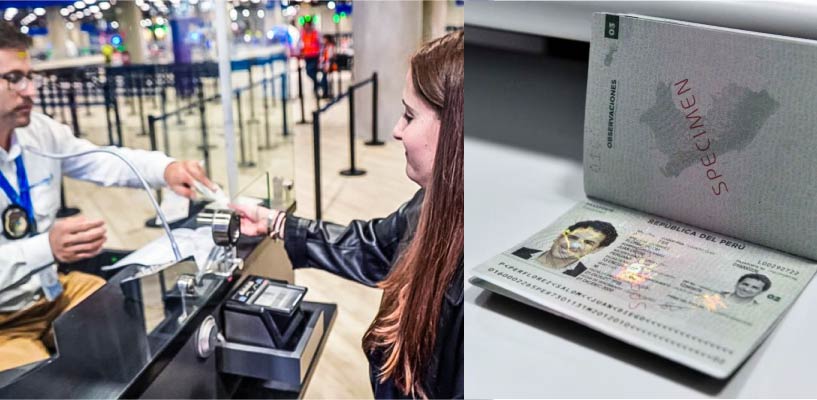
For most travelers, visiting Peru is quite straightforward. Many nationalities do not need a visa for short tourist stays, but it’s always a good idea to double-check current requirements based on your country before traveling.
If your itinerary includes jungle destinations, such as the Amazon, some vaccinations like yellow fever may be recommended. While not always mandatory, consulting a travel clinic before your trip is the best way to be fully prepared.
We also recommend having travel insurance, especially if you plan activities like trekking or visiting remote areas. It provides peace of mind and extra protection during your journey.
HOW CHALLENGING IS THE TREK?
Most treks in the Cusco region are considered moderately challenging, but the experience can vary depending on the route and your level of preparation. You don’t need to be an athlete, but having a good basic fitness level will definitely help you enjoy the journey more.
One of the biggest factors to consider is the altitude. Many treks take place above 3,000 meters (10,000 feet), where the air is thinner and your body needs time to adjust. That’s why we highly recommend spending at least two days in Cusco or the Sacred Valley before starting your trek. Proper acclimatization can make your experience much more comfortable and enjoyable.
If you’d like to prepare in advance, simple activities like hiking, walking uphill, using a treadmill on an incline, or doing stair exercises can really help build endurance. The goal is not speed, but consistency and comfort over several days of walking.
At the end of the day, these treks are not just about the physical challenge they’re about enjoying the landscapes, the culture, and the journey itself. With the right preparation and mindset, it’s an experience that most travelers can successfully complete and truly enjoy.
DO I NEED HIKING BOOTS?
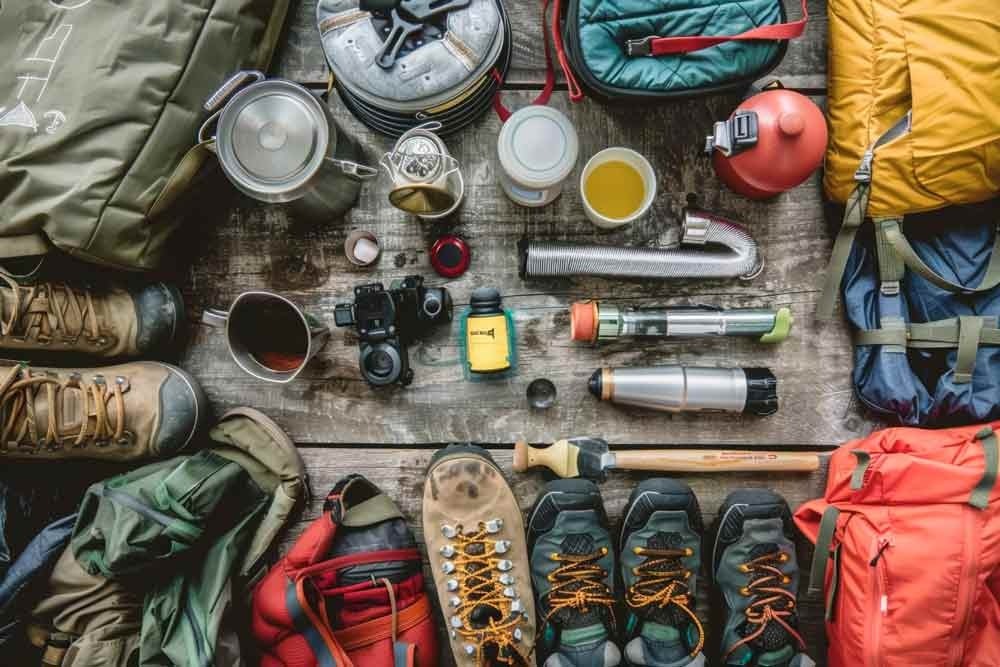
The Inca Trail to Machu Picchu involves climbing down ancient Inca-made steps that vary in height. To give extra support to your ankles, we suggest that you pack light hiking boots that cover and protect the ankles.
SHOULD I USE WALKING STICKS?
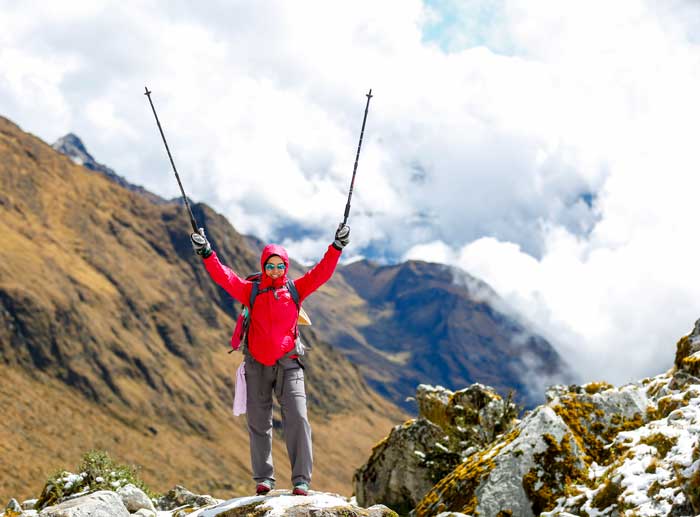
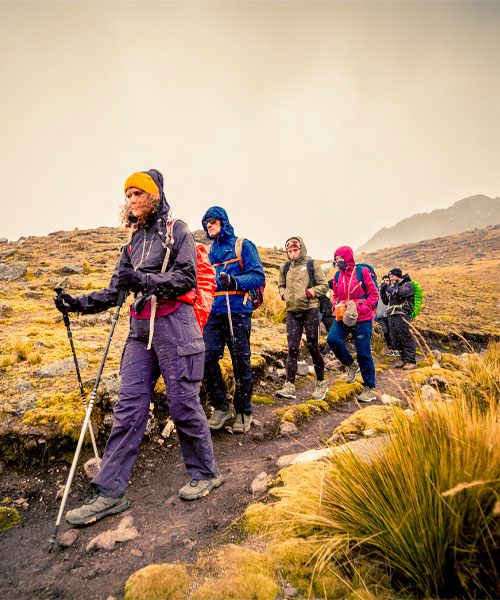
Like sturdy hiking boots, the use of walking sticks will lessen the impact on your knees and feet as we walk down many many Incan stairs. Walking sticks will also come in handy during our steep ascents! If you choose to bring walking sticks, make sure that the sticks have rubber tips on the ends. If not, the park ranger will not permit you to use them. You can purchase rubber tips here in Cusco, in case you forget yours at home!

WHAT IS THE WEIGHT LIMIT FOR LUGGAGE ON TREKS?
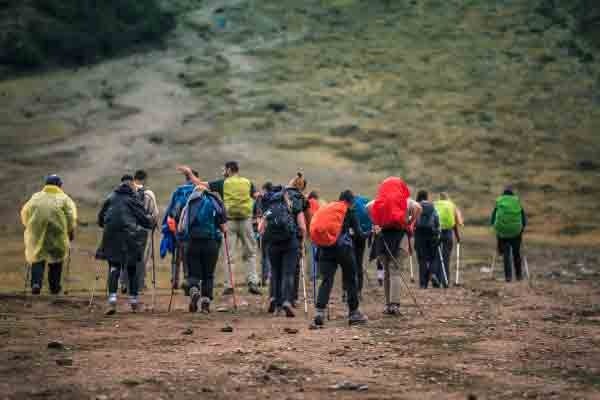
At the briefing, we will give you a personal duffel bag to pack all of your personal belongings. This duffel will be carried by our team of porters, and thus should not exceed more than 7kgs /15.4 lbs, including your Southern Peruvian Explorers sleeping bag and air mattress. You will not have access to your duffel bag during the day, so all personal items needed for hiking (e.g. water bottle, camera, extra layers, sunglasses, sunscreen) should be packed in a personal day pack.
WHERE DO I STORE MY LUGGAGE?
If you’re doing the Inca Trail or any Peru tours to Machu Picchu, it’s best to leave your extra luggage in Cusco and carry only what you need for the trek.
Most hotels and hostels offer free luggage storage for their guests, which is very convenient while you’re exploring Machu Picchu or on your trip. We can also store your bags at our Southern Peru Explorers office (Calle Garcilaso 265) if needed.
WHAT SHOULD I EXPECT AS FAR AS WEATHER?
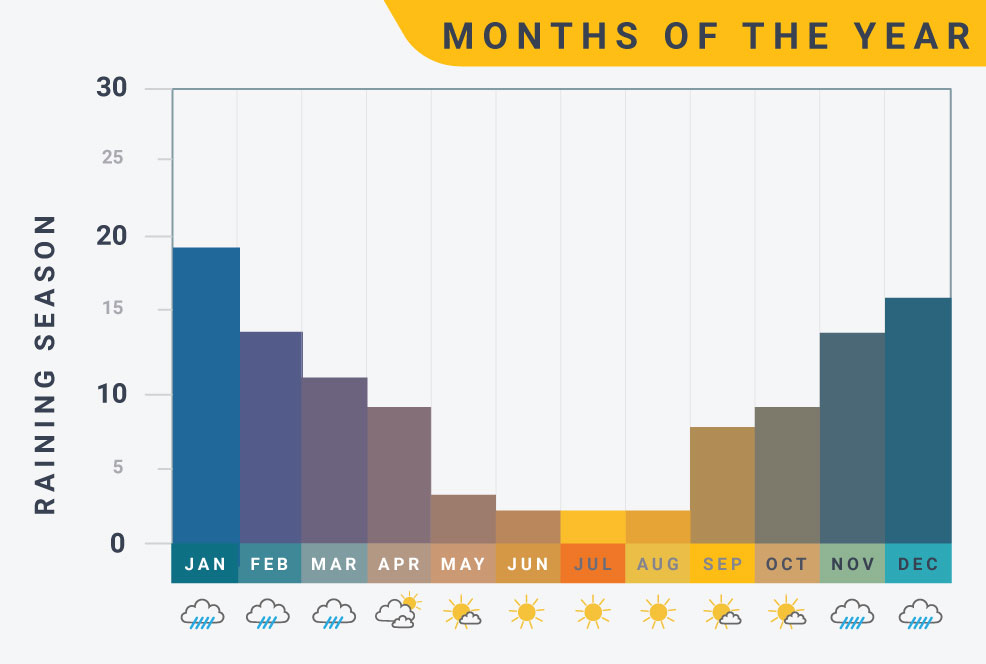
Weather in Peru can be quite variable, especially if you’re planning the Inca Trail or other Peru tours to Machu Picchu. The dry season runs from April to September, while the rainy season is typically from November to February. Months like March and October can bring a mix of sun and rain.
In Cusco, temperatures stay fairly consistent year-round, with cold mornings and evenings and warmer days once the sun comes out. The best advice is to dress in layers bring a waterproof jacket, sunscreen, and warm clothing so you’re prepared for changing conditions throughout your trip.
IS IT CUSTOM TO TIP GUIDES AND PORTERS? IF SO, HOW MUCH IS RECOMMENDED?
On the final day of your trek, there is a tipping custom. All hikers will put their tips together to give to the guide and to the chef. The chef is responsible for distributing the money equally among all of the cooks and porters. We advise that you tip between $30 and $75, according to the level of service you believe you have received.
If you have additional questions that we have not addressed here, please contact us directly using the contact form on our website!