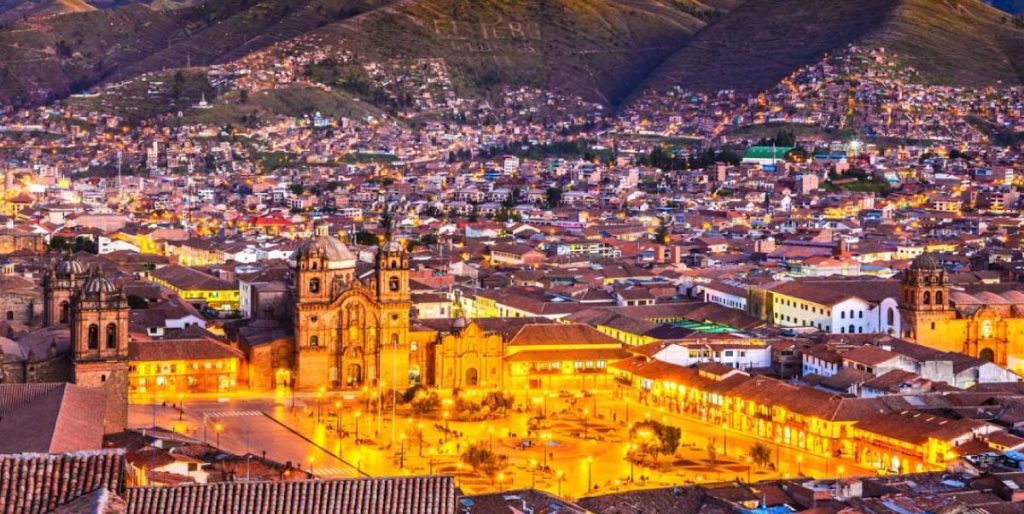




Cost of Life in Cusco: What to Expect When Living in Peru’s Historic Capital
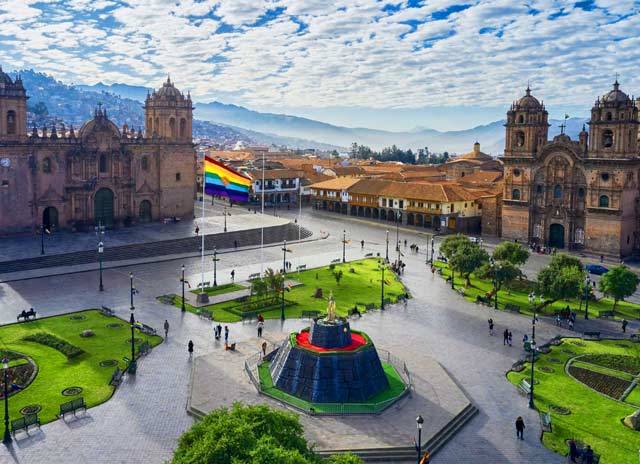
Cusco is known around the world as the gateway to Machu Picchu and the former capital of the Inca Empire. Every year, millions of visitors pass through the city on their way to Peru’s most famous attraction, but many travelers quickly discover that Cusco is much more than a tourist destination. With its rich history, vibrant culture, spectacular mountain scenery, and relatively affordable lifestyle, Cusco has become an increasingly popular place for digital nomads, expatriates, retirees, students, and long-term travelers.
One of the biggest questions people ask before moving to the city is: What is the cost of life in Cusco? The answer depends largely on your lifestyle, housing preferences, and spending habits. While Cusco is generally more affordable than many cities in North America and Europe, costs can vary between the tourist-focused Historic Center and the more residential neighborhoods located on the outskirts of the city.
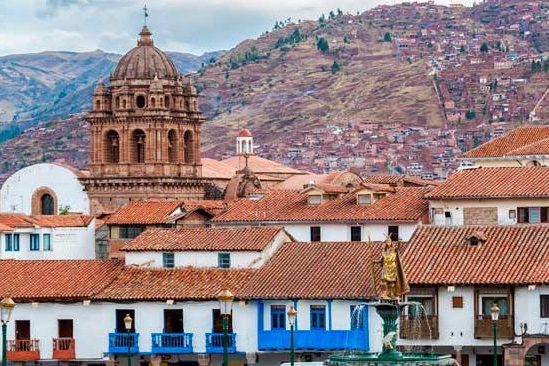
For some, Cusco offers the opportunity to live comfortably on a modest budget while enjoying access to world-class cultural attractions and outdoor adventures. For others, it provides an affordable base for remote work, language study, or retirement in one of South America’s most fascinating destinations.
In this guide, we’ll explore the real cost of living in Cusco, including accommodation, food, transportation, healthcare, utilities, and lifestyle expenses to help you better understand what it takes to live in Peru’s historic capital.
Is Cusco Expensive?
Compared to many major cities around the world, Cusco is considered relatively affordable. However, compared to other Peruvian cities, prices can be slightly higher due to the city’s popularity as an international tourist destination.
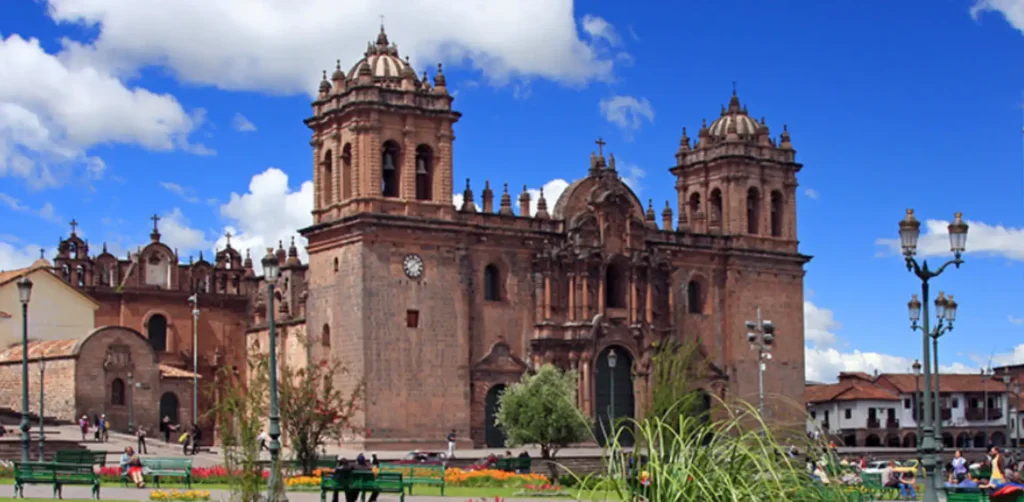
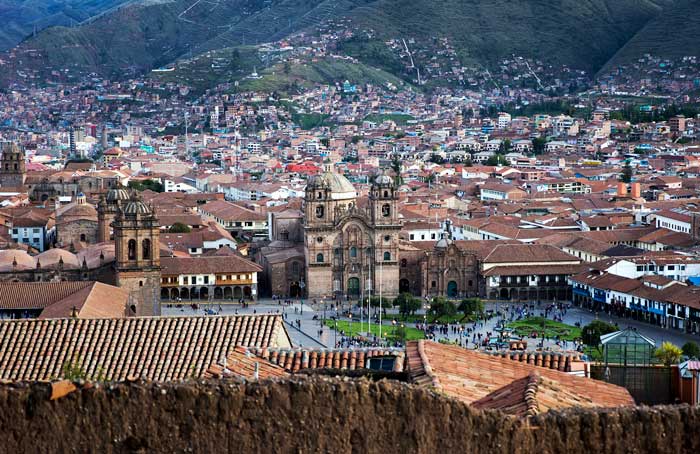
The Historic Center, where many visitors choose to stay, tends to have the highest prices for accommodation, dining, and services. Meanwhile, residential districts such as Wanchaq, San Sebastián, and San Jerónimo often provide more affordable alternatives for long-term residents.
Although tourism influences certain prices, everyday expenses such as transportation, local markets, healthcare, and utilities remain reasonably affordable compared to international standards.
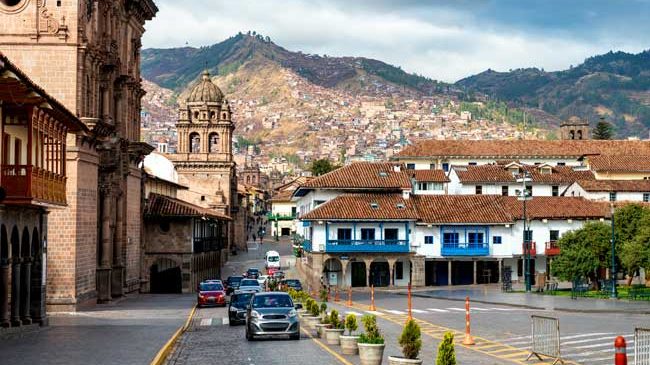
Cost Comparison
| City | Relative Cost of Living |
|---|---|
| Cusco | Moderate |
| Arequipa | Moderate |
| Lima | Higher |
| Santiago, Chile | High |
| Madrid, Spain | Very High |
| New York, USA | Extremely High |
For many foreigners, the ability to enjoy a comfortable lifestyle while spending significantly less than they would in their home country is one of Cusco’s greatest attractions.
Housing Costs in Cusco
Accommodation is usually the largest monthly expense for anyone living in Cusco. Fortunately, the city offers a wide variety of housing options, ranging from budget-friendly rooms and shared apartments to modern furnished properties in desirable neighborhoods.
The Historic Center is often the most sought-after area because of its proximity to restaurants, cafés, museums, and cultural attractions. However, convenience comes with higher rental prices. Long-term residents often choose neighborhoods such as Wanchaq, Magisterio, San Sebastián, or San Jerónimo, where larger properties and lower rental rates are more common.
Rental prices can also vary depending on whether a property is furnished, the length of the lease agreement, and the time of year.
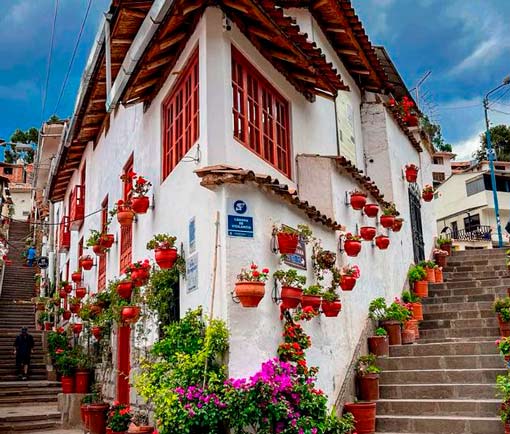
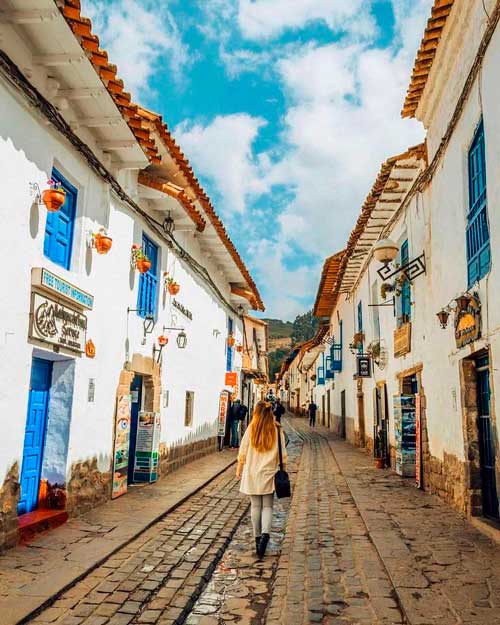
Average Monthly Rental Costs
| Accommodation Type | Average Monthly Cost |
|---|---|
| Shared Room | $150 – $300 |
| Studio Apartment | $250 – $450 |
| One-Bedroom Apartment | $350 – $700 |
| Two-Bedroom Apartment | $500 – $1,000 |
| Furnished Apartment in Historic Center | $700 – $1,200+ |
Many landlords offer discounted rates for long-term tenants, making extended stays considerably more affordable than short-term rentals.
Food and Grocery Costs
One of the easiest ways to save money while living in Cusco is by taking advantage of the city’s excellent local markets. Traditional markets such as San Pedro Market offer fresh fruits, vegetables, meats, cheeses, and local products at very reasonable prices.
Residents who cook at home can keep their monthly food expenses relatively low, especially when shopping at local markets rather than international supermarkets.
Eating out is also surprisingly affordable. Local restaurants often serve a “menú del día,” which includes a starter, main course, and drink for a fraction of what similar meals would cost in many Western countries.

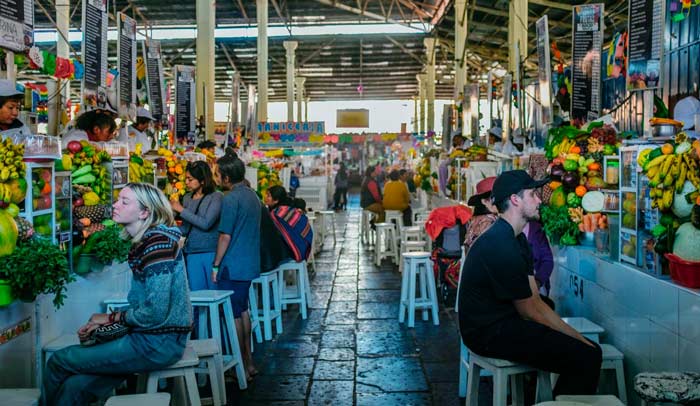
Typical Food Costs
| Item | Average Cost |
|---|---|
| Local Lunch Menu | $3 – $6 |
| Casual Restaurant Meal | $8 – $15 |
| Mid-Range Dinner | $15 – $30 |
| Coffee | $2 – $5 |
| Fresh Produce from Local Markets | Low Cost |
For food lovers, Cusco offers everything from traditional Peruvian dishes to international cuisine, allowing residents to enjoy a diverse dining scene without overspending.
Transportation Around Cusco
Getting around Cusco is relatively easy and affordable. The city center is highly walkable, and many residents rarely need private transportation for daily activities.
Taxis are widely available and generally inexpensive, especially for short distances. Local buses and shared transportation options provide an even cheaper way to travel between neighborhoods.
Because many attractions, restaurants, and services are concentrated near the city center, walking is often the preferred method of transportation.
Average Transportation Costs
| Transportation Type | Average Cost |
|---|---|
| Local Bus | $0.30 – $0.50 |
| Taxi Within City | $2 – $5 |
| Airport Transfer | $5 – $12 |
| Monthly Transport Budget | $20 – $60 |
Compared to larger cities, transportation expenses typically represent a small portion of a resident’s monthly budget.
Internet and Digital Nomad Life in Cusco
Over the past decade, Cusco has become increasingly popular among digital nomads and remote workers. The city offers a growing number of coworking spaces, modern cafés, and accommodations equipped with reliable internet connections.
Many remote workers appreciate the balance between productivity and lifestyle. After finishing work, it is possible to explore ancient archaeological sites, hike through the Andes, or simply enjoy the city’s vibrant cultural atmosphere.
Internet speeds vary by neighborhood and provider, but fiber-optic services are becoming increasingly common in residential areas.
Popular neighborhoods for remote workers include:
- Historic Center
- Wanchaq
- Magisterio
- San Blas
These areas offer convenient access to cafés, restaurants, and coworking facilities while maintaining a strong sense of community.
Healthcare and Daily Services
Healthcare is another area where Cusco remains affordable compared to many countries. The city has both public and private healthcare facilities, as well as numerous pharmacies and specialized clinics.
Private healthcare is often preferred by expatriates and international residents because of shorter waiting times and access to English-speaking professionals.
Basic medical consultations, dental care, and routine treatments are generally available at reasonable prices, making healthcare costs manageable for most residents.
Additionally, pharmacies are easy to find throughout the city and carry a wide range of medications and healthcare products.
Monthly Budget Examples
Your overall cost of life in Cusco will depend heavily on your lifestyle. Some residents live comfortably on a modest budget, while others choose more luxurious accommodation and dining options.
Estimated Monthly Budgets
| Lifestyle | Estimated Monthly Budget |
|---|---|
| Budget Traveler | $500 – $800 |
| Student | $600 – $900 |
| Digital Nomad | $900 – $1,500 |
| Expat Individual | $1,200 – $2,000 |
| Expat Couple | $1,800 – $3,000 |
These estimates include accommodation, food, transportation, utilities, and entertainment.
Advantages of Living in Cusco
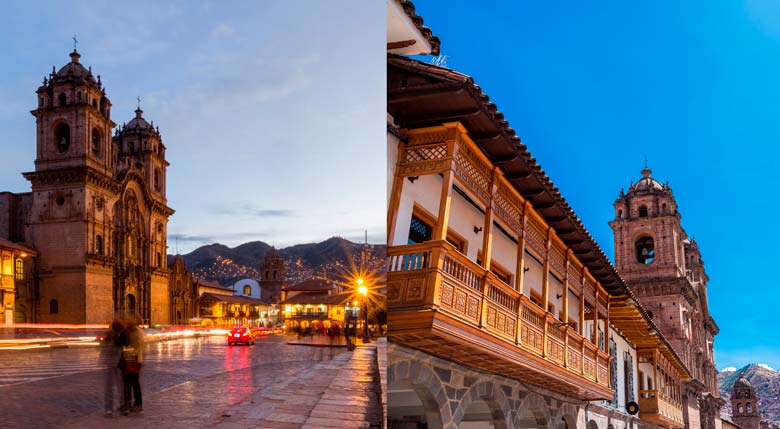
Many people choose Cusco not only because of its affordability but also because of the quality of life it offers.
Some of the main advantages include:
- Rich history and cultural heritage
- Affordable housing compared to many international cities
- Access to world-famous attractions
- Strong tourism infrastructure
- Growing digital nomad community
- Mild climate throughout much of the year
- Easy access to hiking and outdoor activities
The city’s unique blend of ancient traditions and modern amenities makes it an attractive place for people from around the world.
Challenges of Living in Cusco
While Cusco offers many benefits, there are also challenges to consider before relocating.
The most significant factor for many newcomers is the altitude. Located at approximately 3,400 meters (11,150 feet) above sea level, the city can require an adjustment period for those arriving from lower elevations.
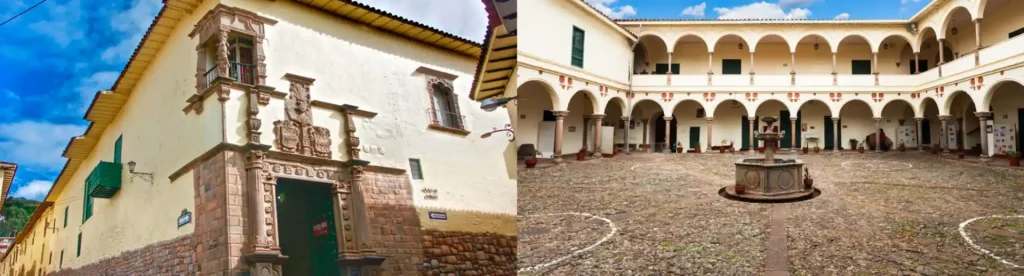
Additionally, the cobblestone streets, while charming, can be difficult to navigate, especially for those with mobility issues. The tourism industry can also lead to seasonal fluctuations in job availability, creating uncertainty for locals and newcomers alike. Furthermore, adapting to the local culture and customs may take time, but it can ultimately lead to a richer experience. Finally, while the cost of living is generally lower, certain imported goods can be quite expensive, impacting specific budgets.
Other considerations include:
- Increased tourism during peak seasons
- Occasional traffic congestion
- Cooler temperatures during the dry season
- Higher rental prices in tourist districts
Despite these challenges, most residents quickly adapt and enjoy the city’s relaxed pace of life.
Is Cusco a Good Place to Live?
For many people, the answer is a resounding yes. Cusco combines affordability, culture, history, and natural beauty in a way that few cities can match. Whether you are a digital nomad seeking a new base, a retiree looking for a lower cost of living, or a traveler planning an extended stay, Cusco offers an appealing balance between comfort and adventure.
While living expenses vary depending on personal choices, most residents find that they can enjoy a high quality of life for significantly less than they would spend in many cities across North America or Europe. Add to that the city’s incredible landscapes, welcoming atmosphere, and endless opportunities for exploration, and it becomes easy to understand why so many visitors decide to stay far longer than originally planned.
For anyone considering a move to Peru, understanding the cost of life in Cusco is the first step toward discovering whether this remarkable Andean city could become your next home.