




Cusco is one of South America’s most fascinating destinations, celebrated for its rich history, breathtaking architecture, and deep connection to the Inca civilization. While many travelers come to explore Machu Picchu or hike the Inca Trail, the city’s museums offer an equally rewarding experience. They preserve centuries of archaeological discoveries, colonial artwork, religious heritage, and cultural traditions that help visitors understand why Cusco was once the capital of the Inca Empire.
Visiting the best museums in Cusco allows travelers to look beyond the famous landmarks and discover the stories behind one of the world’s greatest civilizations. From priceless Inca artifacts and pre-Columbian masterpieces to colonial paintings and sacred archaeological sites, every museum provides a unique perspective on Peru’s remarkable past.
Whether you are passionate about history, archaeology, photography, or art, these cultural attractions deserve a place on your itinerary. Here are the five best museums in Cusco that every visitor should experience.
Inka Museum
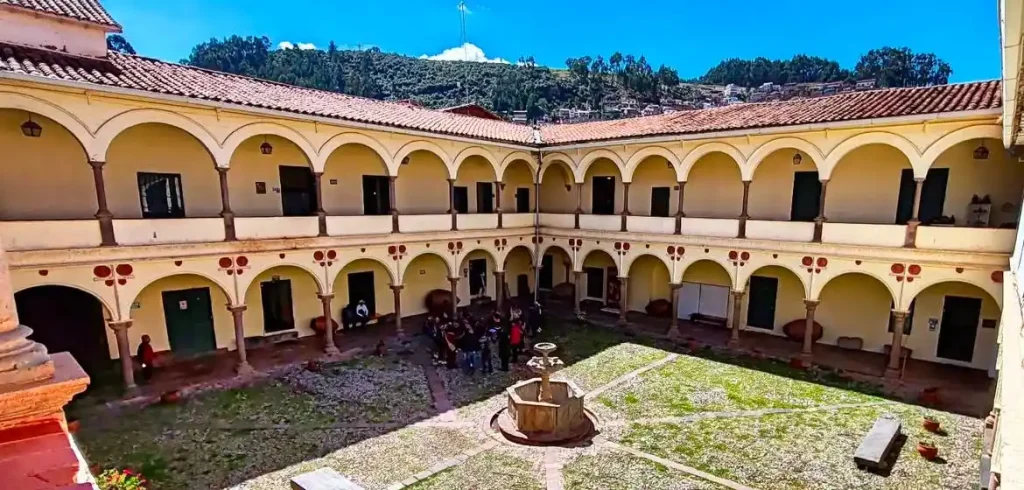
Located just a short walk from Cusco’s Plaza de Armas, the Inka Museum is considered one of the city’s most important cultural institutions. Housed inside a beautiful colonial mansion dating back to the 17th century, the museum presents one of Peru’s most comprehensive collections dedicated to the Inca civilization.
Its galleries feature hundreds of archaeological artifacts, including finely crafted ceramics, agricultural tools, ceremonial objects, metalwork, ancient textiles, and well-preserved mummies. The exhibits guide visitors through the development of Andean civilizations before explaining the rise and expansion of the Inca Empire.
One of the museum’s greatest strengths is its ability to explain how the Incas organized their society, developed advanced agricultural systems, built remarkable stone architecture, and established one of the largest empires in the Americas. Detailed displays also explore religious ceremonies, traditional clothing, and everyday life.
Visitors often appreciate the peaceful courtyard, where local artisans sometimes demonstrate traditional weaving techniques, offering an authentic glimpse into living Andean culture.
Why Visit?
- Extensive collection of authentic Inca artifacts.
- Learn about daily life, religion, and engineering.
- Beautiful colonial architecture.
- Excellent introduction before visiting archaeological sites.
Museo de Arte Precolombino (MAP)
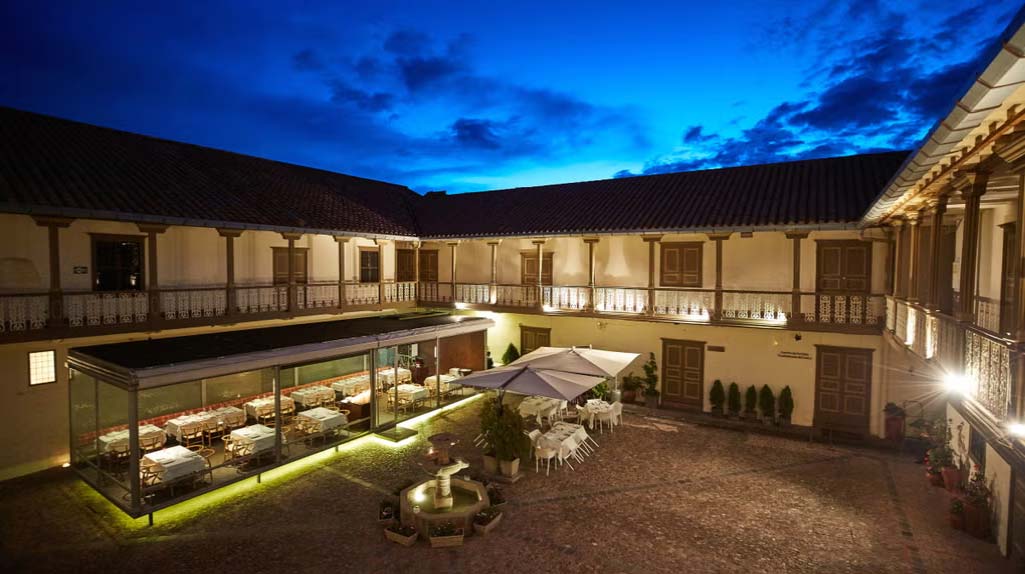
The Museo de Arte Precolombino, commonly known as MAP, is one of Cusco’s finest museums for lovers of ancient art. Located in an elegant colonial building, this museum presents masterpieces created by cultures that flourished in Peru long before the arrival of the Spanish.
Unlike traditional archaeological museums, MAP emphasizes the artistic beauty of ancient objects. Carefully illuminated galleries display exquisite ceramics, delicate gold jewelry, carved stone sculptures, wooden artifacts, shells, and textiles representing civilizations such as the Nazca, Moche, Chimu, Wari, and Inca.
Each gallery is thoughtfully designed, allowing visitors to admire the craftsmanship while learning about the symbolism, religious beliefs, and cultural achievements of ancient Peru. Informative displays in English and Spanish make the museum accessible to international travelers.
Because of its modern presentation and exceptional conservation, MAP is frequently recommended for visitors seeking a deeper appreciation of Peru’s artistic heritage.
Why Visit?
- Beautifully curated exhibitions.
- Outstanding examples of pre-Columbian art.
- Modern museum design.
- Excellent educational experience for all ages.
Qorikancha Site Museum
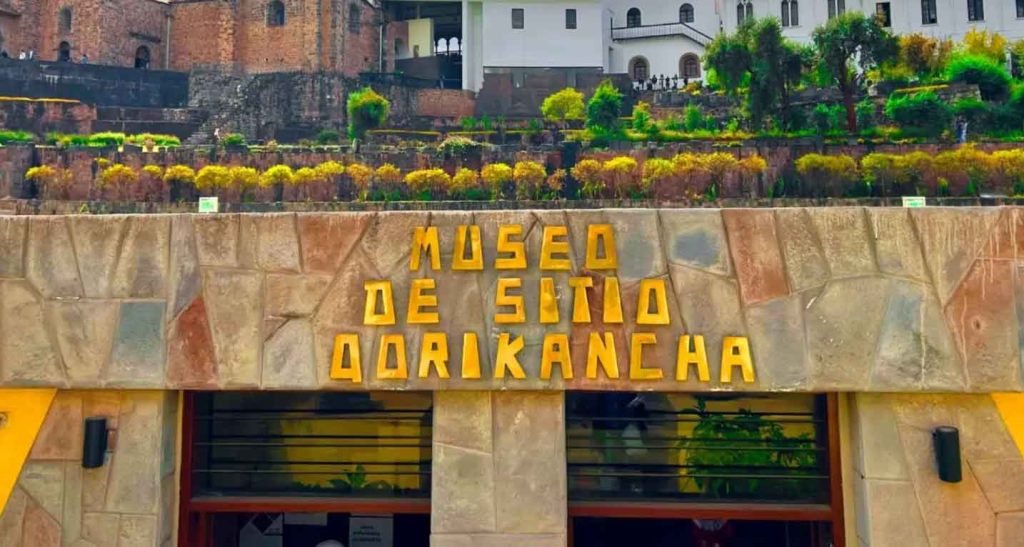
The Qorikancha Site Museum offers valuable historical context for one of Cusco’s most iconic landmarks the Temple of the Sun, once considered the most sacred temple of the Inca Empire.
Although many travelers visit Qorikancha itself, the adjacent museum provides a richer understanding of its archaeological importance. Inside, visitors discover artifacts excavated during restoration projects, including ceramics, stone tools, metal objects, ceremonial offerings, and ancient human remains.
Detailed scale models help explain how the original temple looked before the Spanish conquest. Historical panels describe how walls were once covered with sheets of gold that reflected the sunlight, symbolizing the Incas’ devotion to the Sun God, Inti.
The museum also explains the remarkable engineering techniques used by Inca builders and highlights the sophisticated urban planning that made Cusco one of the greatest cities in pre-Columbian America.
A visit to both the museum and Qorikancha creates a complete historical experience that helps visitors appreciate the spiritual and architectural significance of this extraordinary site.
Why Visit?
- Complements a visit to Qorikancha.
- Displays authentic archaeological discoveries.
- Explains Inca architecture and engineering.
- Features informative models and historical exhibits.
Regional Historical Museum of Cusco
The Regional Historical Museum provides a broad overview of Cusco’s development from ancient civilizations to the modern era. The museum occupies the historic house traditionally associated with the famous writer and historian Garcilaso de la Vega, whose works documented both Inca and Spanish cultures.
Its extensive collections include archaeological artifacts, colonial paintings, historical manuscripts, furniture, weapons, coins, and religious objects that illustrate the transformation of Cusco through different historical periods.
The museum successfully connects the stories of pre-Inca societies, the rise of the Inca Empire, the Spanish conquest, and Peru’s colonial history. Visitors leave with a better understanding of how these events shaped the city’s identity.
The building itself is worth admiring, combining colonial architecture with peaceful courtyards that reflect Cusco’s unique blend of Andean and European influences.
Why Visit?
- Comprehensive overview of Cusco’s history.
- Archaeological and colonial collections.
- Historic birthplace of Garcilaso de la Vega.
- Ideal for travelers interested in Peruvian history.
Museum of Religious Art
Located inside the historic Archbishop’s Palace, the Museum of Religious Art preserves one of Cusco’s most valuable collections of colonial paintings and sacred art.
The museum is especially famous for showcasing works created by the Cusco School, an artistic movement that combined European Renaissance techniques with indigenous traditions after the Spanish conquest. The result was a unique artistic style found nowhere else in the world.
Visitors admire beautifully restored paintings, intricately carved wooden ceilings, religious sculptures, silver ornaments, antique furniture, and decorative chapels. The palace itself is equally impressive, featuring remarkable colonial architecture built on the foundations of ancient Inca walls.
Beyond its artistic treasures, the museum reveals how religion influenced colonial society and how Andean symbolism became integrated into Christian art, creating a distinctive cultural identity that still defines Cusco today.
Why Visit?
- Home of the famous Cusco School paintings.
- Stunning colonial architecture.
- Rich collection of religious art.
- Perfect for art and history enthusiasts.
Quick Comparison of the Best Museums in Cusco
| Museum | Main Focus | Best For | Approximate Visit Time |
|---|---|---|---|
| Inka Museum | Inca civilization, archaeology, textiles, ceramics | History lovers and first-time visitors | 1.5–2 hours |
| Museo de Arte Precolombino (MAP) | Pre-Columbian art and ancient cultures | Art enthusiasts and culture seekers | 1–1.5 hours |
| Qorikancha Site Museum | Inca archaeology and the Temple of the Sun | Travelers visiting Qorikancha | 45–60 minutes |
| Regional Historical Museum | History of Cusco from pre-Inca to colonial times | Visitors wanting a complete historical overview | 1–2 hours |
| Museum of Religious Art | Colonial paintings and Cusco School art | Art lovers and colonial history enthusiasts | 45–60 minutes |
for Visiting Museums in Cusco
To enjoy the best museums in Cusco, consider visiting early in the day when galleries are quieter and you can explore at a comfortable pace. Most museums are located within the Historic Center, making it easy to visit several in one day on foot.
Wear comfortable shoes, bring a reusable water bottle, and check photography policies before entering each museum. Reading exhibit descriptions or joining a guided tour can greatly enhance your understanding of the collections and the fascinating history behind them.
If you plan to visit several cultural attractions, it is also worth checking whether admission is included with the Cusco Tourist Ticket, as this can provide excellent value during your stay.