




Cusco isn’t a city you visit, it’s a city you walk, breathe in slowly, and savor on every corner. Known to the Incas as Qosqo, “the navel of the world,” it was once the capital of the largest empire in pre-Columbian America. Today it’s a fascinating layering of history: Inca stonework as foundations, colonial churches built on top of them, and a vibrant, modern Andean city living its everyday life around it all. If you’re thinking about exploring it, here’s a thorough, honest Cusco Travel Guide to help you make the most of it.
Cuando ustedes visitan
Getting there and getting your bearings
Most travelers arrive at Alejandro Velasco Astete International Airport, just a short taxi ride from the historic center. The airport is small and easy to navigate, though it sits right at altitude, so the effects of elevation start the moment you land.
The historic center is compact and very walkable, built on a grid of narrow, sloped streets radiating out from the Plaza de Armas. Comfortable shoes are non-negotiable the cobblestones are charming but uneven, and the hills are steeper than they look on a map.
First things first: the altitude
Cusco sits at over 3,400 meters (11,150 feet) above sea level, so altitude sickness (“soroche”) is a real and common experience, even for people who are otherwise in good shape. Some practical tips:
- Take it easy your first couple of days: avoid intense physical activity, alcohol, and heavy meals right after landing.
- Coca tea (mate de coca) is the local go-to remedy, available at almost any restaurant or place to stay, often for free at hotel reception.
- Drink more water than usual; dehydration makes altitude symptoms worse.
- Some travelers take altitude sickness medication (like acetazolamide) starting a day or two before arriving – worth discussing with a doctor before your trip if you’re concerned.
- Symptoms like mild headache, fatigue, or shortness of breath are common and usually fade within 48 hours. Severe symptoms (confusion, chest pain, trouble breathing at rest) need medical attention.
- If possible, avoid flying straight from sea level into a strenuous trek the next day. Give your body at least one full day to adjust.
Plaza de Armas: the heart of it all
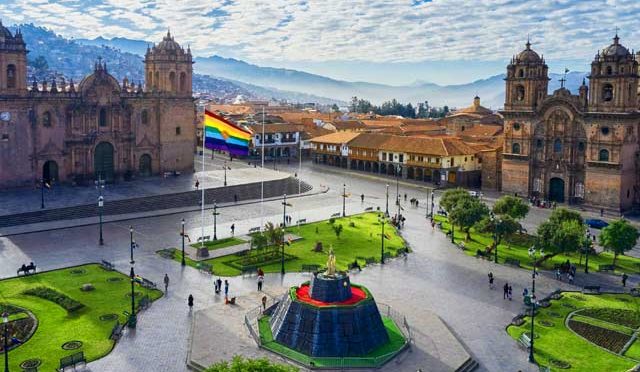
Every route starts and ends here. The square is framed by the Cusco Cathedral, a massive 16th-century structure that took nearly a century to build, and the Church of the Society of Jesus (La Compañía), known for its elaborately carved facade. Both were built using stones taken from Inca structures, including the nearby palace of Sacsayhuamán.
Grab a seat on one of the second-floor balconies overlooking the plaza at sunset with a coffee or a craft beer. It’s touristy, sure, but it’s touristy for a reason: watching the light change over the cathedral towers while the plaza fills with people is one of those simple pleasures worth doing without rushing.
San Blas: the artists’ neighborhood
Climbing up steep cobblestone streets north of the plaza takes you to San Blas, the city’s bohemian quarter. Here you’ll find artisan workshops specializing in ceramics and woodcarving, small independent galleries, cozy cafés, and some of the best views of Cusco’s red-tiled rooftops. The streets are narrower and quieter than downtown, and it’s a great place to wander without a fixed plan. Plan for tired legs the neighborhood is essentially built on a hillside.
San Cristóbal and beyond
If San Blas isn’t high enough for you, keep climbing toward the San Cristóbal viewpoint or the white statue of Cristo Blanco, both offering sweeping views over the entire city. It’s a solid 20–30 minute uphill walk from the plaza, tougher than it sounds given the altitude, but it rewards you with one of the best panoramic photo spots in Cusco, especially near sunset.
The Tourist Ticket: what it is and how much it costs
To visit the main archaeological sites and museums in the city, you’ll need the Cusco Tourist Ticket (Boleto Turístico del Cusco, or BTC), managed by COSITUC (Comité de Servicios Integrados Turísticos Culturales Cusco). As of 2026, it works like this:
- Full ticket (Boleto Integral): S/130 for foreign adults (about $35 USD), valid for 10 days, covering 16 attractions spread across three circuits: Cusco city, the Sacred Valley, and the South Valley.
- Partial tickets: sold by circuit, for travelers who only have time to visit one specific area – for example, just the four ruins near the city (Sacsayhuamán, Q’enqo, Puka Pukara, and Tambomachay).
- Discounted rates exist for Peruvian nationals, Andean Community (CAN) citizens, and students with a valid ISIC card.
- Prices can change without notice, so it’s worth confirming them at the COSITUC office (Av. El Sol 103) or at the ticket booth of the first site you visit.
- The ticket is cash-only, in Peruvian soles, and cannot be purchased online – only in person at authorized offices or site entrances.
- Note that the BTC does not cover Machu Picchu, so always double check what’s included versus what needs a separate ticket.
Sacsayhuamán and the nearby ruins
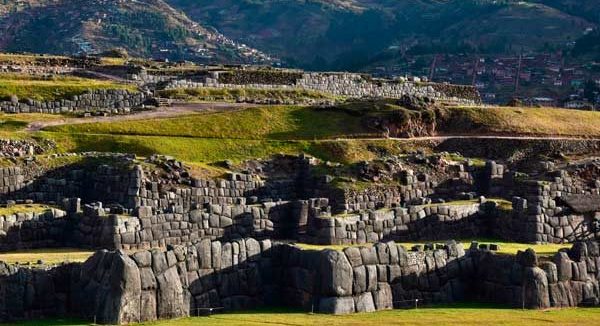
A short ride or steep uphill walk from downtown is Sacsayhuamán, an Inca fortress (or ceremonial complex, depending on which historian you ask) built with massive stone blocks some weighing over 100 tons fitted together with a precision that still puzzles architects and engineers today. The zigzagging walls are the site’s signature feature, and the open esplanade in front of them hosts Inti Raymi, the great Inca sun festival, every June.
The same circuit includes three smaller sites:
- Q’enqo: a carved limestone outcrop believed to have been used for ceremonial and possibly astronomical purposes.
- Puka Pukara: a reddish stone structure thought to have served as a checkpoint or resting station.
- Tambomachay: known as “the Inca’s bath,” featuring a series of aqueducts and stone channels still carrying water today.
All four can comfortably be covered in half a day, either walking, by taxi, or as part of an organized city tour.
Qorikancha: the Temple of the Sun
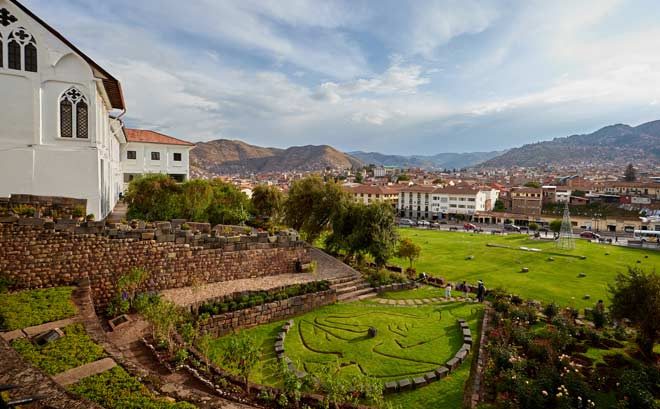
Back down in the city, Qorikancha was once the most important temple in the Inca Empire, dedicated to the sun god Inti and reportedly covered in sheets of gold before the Spanish conquest. Today the Santo Domingo Convent sits on top of the original Inca foundations, and walking through it you can see, quite literally, the two eras stacked on top of each other colonial arches next to perfectly fitted Inca stonework.
The Sacred Valley: a must-do excursion
If you have at least one extra day, the Sacred Valley (Valle Sagrado) is absolutely worth it. It’s lower in altitude than Cusco, which makes it a good place to acclimatize, and it’s packed with sites:
- Pisac: known for its colorful crafts market and its impressive agricultural terraces carved into the mountainside.
- Ollantaytambo: one of the few places where you can see Inca urban planning still in use locals live in houses built directly on original Inca foundations. Its fortress-temple complex is one of the most impressive in the region.
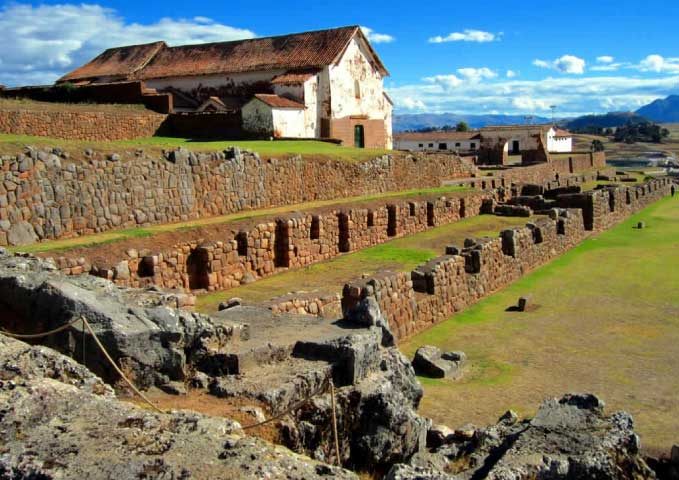
- Chinchero: a small Andean town known for traditional weaving cooperatives where you can watch the entire process, from washing wool to natural dyeing.
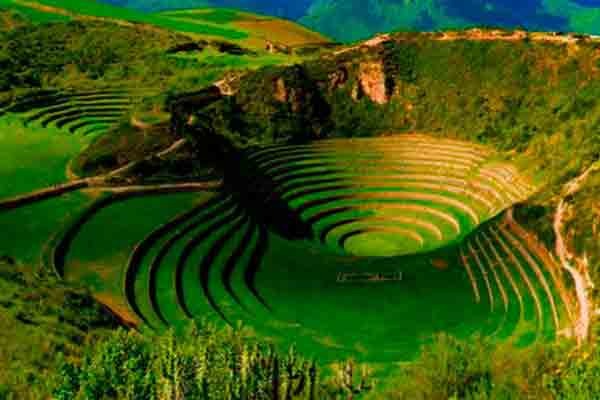
- Moray: circular agricultural terraces believed to have functioned as an Inca experimental farming site, thanks to the different microclimates created at each level.
- Salineras de Maras: thousands of small salt pools carved into a hillside, still harvested by hand using pre-Columbian techniques.
Many travelers do the Sacred Valley as a full-day tour from Cusco, but staying overnight in Ollantaytambo or Urubamba offers a quieter, more immersive experience – and it’s a smart move if you’re catching an early train to Machu Picchu the next morning.
Eating in Cusco
Cusco’s cuisine blends Andean ingredients with Spanish colonial influences, and it’s one of the best reasons to slow down here. A few must-tries:
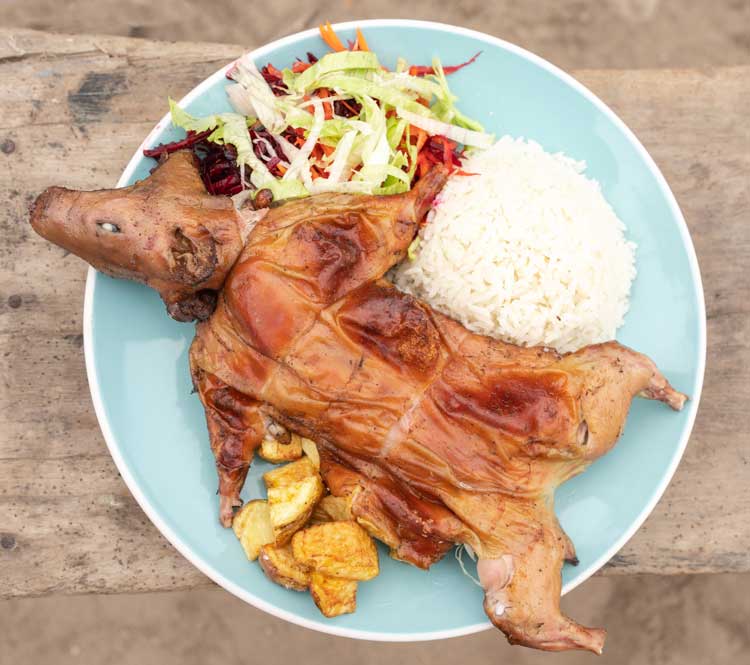
- Chicharrón and cuy (guinea pig): traditional dishes, especially outside the touristy center. Cuy is often served whole, roasted or fried, and is considered a delicacy for special occasions.
- Lomo saltado and rocoto relleno: staples of Peruvian home cooking, widely available across the city.
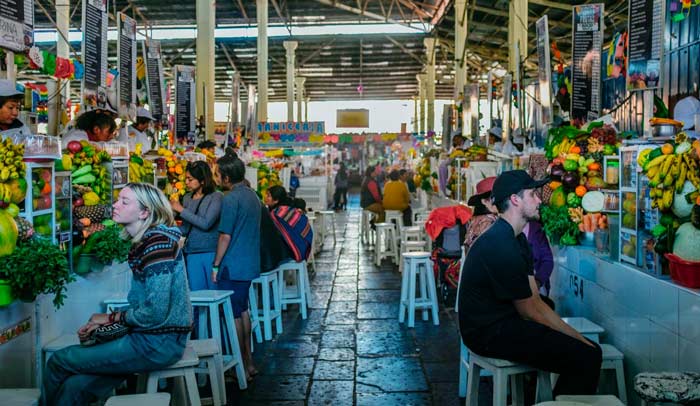
- San Pedro Market: the best place for fresh juices, local cheeses, and authentic street food without the “tourist” price tag. It’s also a good spot for people-watching and picking up local snacks like Andean corn or chocolate from small producers.
- Chicha morada (a sweet, non-alcoholic purple corn drink) and chicha de jora (a fermented corn beer, traditionally served in local chicherías): both worth trying at least once.
- Restaurants around San Blas tend to offer more elevated, contemporary Andean cooking a good option if you want a tasting menu experience featuring native ingredients like quinoa, native potatoes, and Amazonian fruits.
- For coffee lovers, Peru produces excellent beans, and Cusco has a growing specialty coffee scene, especially around San Blas.
Shopping and markets
Beyond San Pedro Market, Cusco is a great place for handmade textiles, alpaca wool products, and silver jewelry. A few tips:
- Bargaining is expected and normal at craft markets and with independent vendors, though not at restaurants or with formal transportation.
- Look for the difference between alpaca and “baby alpaca” wool quality and price vary significantly, and not every “alpaca” sweater is actually alpaca.
- Buying directly from weaving cooperatives, like those in Chinchero, supports traditional techniques and often gets you a better and more transparent price than souvenir shops downtown.
Getting to Machu Picchu
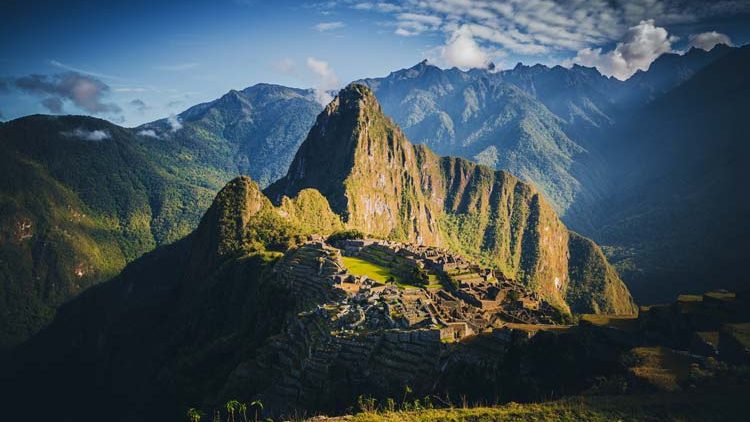
Many travelers use Cusco as their base for reaching Machu Picchu, Peru’s most famous archaeological site. There are several ways to get there:
- Train: The most common option, departing from Ollantaytambo or Poroy station and arriving in Aguas Calientes (also called Machu Picchu Pueblo), the town at the base of the mountain. From there, a short bus ride takes you up to the site itself.
- The classic Inca Trail: A 4-day, 3-night trek along original Inca paths, ending at the Sun Gate with a sunrise view over the ruins. Daily permits are strictly limited, so this needs to be booked months in advance, often through a licensed tour operator.
- Alternative treks: Routes like the Salkantay trek (usually 4–5 days, passing a stunning snow-capped mountain) or the 2-day short Inca Trail offer flexibility for travelers with less lead time or who can’t get an Inca Trail permit.
- Machu Picchu entrance tickets are separate from the Cusco Tourist Ticket and are also limited in number per day, so booking ahead ideally a few weeks in advance during high season (May–September) is strongly recommended.
Day trips beyond the Sacred Valley
If you have extra time, a few lesser-visited spots are worth considering:
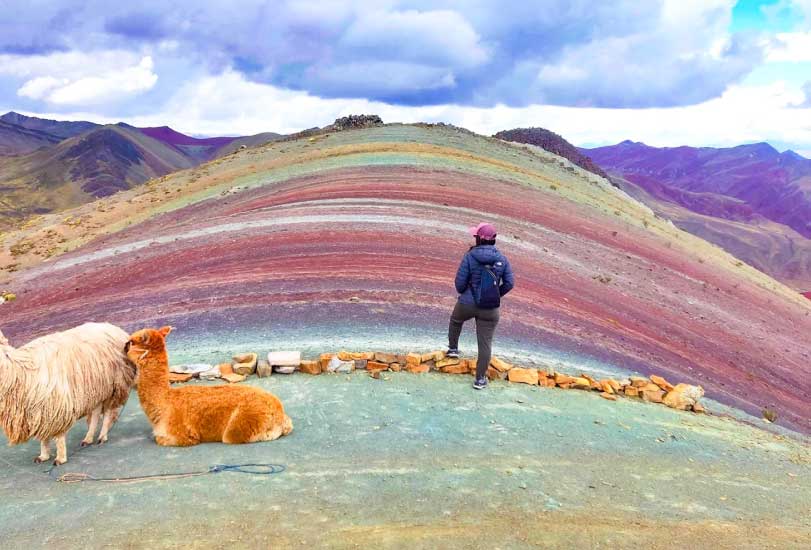
- Rainbow Mountain (Vinicunca): a striking, naturally striped mountain that’s become hugely popular in recent years. It requires an early start, a long day of driving and hiking, and decent fitness given the altitude (over 5,000 meters at the summit).
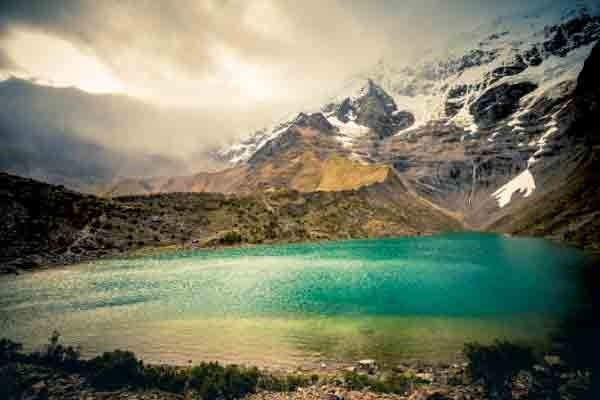
- Humantay Lake: a turquoise glacial lake, often combined with the start of the Salkantay trek, also demanding but shorter than Rainbow Mountain.
- Maras and Moray combined tour: an easier half-day option combining the salt pans and the circular terraces, good for travelers with limited time or lower energy.
Nightlife and evenings
Cusco has a lively but manageable nightlife scene, concentrated mostly around the Plaza de Armas and the surrounding alleys. Expect a mix of backpacker bars, live music venues playing Andean folk and Latin pop, and rooftop bars with plaza views. It’s generally low-key compared to bigger Peruvian cities, which fits the overall pace of a place better suited to early starts and long walking days than late nights.
A few final practical tips
- Pack layers: mornings and nights are cold, especially in the dry season (May–September), but the midday sun can burn fast at this altitude, even when it doesn’t feel hot.
- Carry cash in small bills; many smaller vendors and rural areas don’t take cards.
- Many locals speak Quechua alongside Spanish; learning a couple of words (like “sulpayki,” thank you) is always appreciated.
- Travel insurance that covers high-altitude trekking is worth considering if you’re planning multi-day hikes.
- The rainy season (November–March) means green landscapes but muddier trails and a higher chance of rescheduled treks; the dry season is more predictable but busier and pricier.
Cusco rewards those who walk slowly, ask questions, and let themselves be surprised by a city that has survived centuries of history without losing its character. Whether you have three days or three weeks, there’s always another street, another dish, or another viewpoint worth the extra effort of climbing one more hill.