



THE BEST GUIDE TO CIRCUITS IN MACHU PICCHU: WHICH ONE TO CHOOSE, ROUTES AND KEY TIPS
Visiting Machu Picchu is a once-in-a-lifetime experience and one of the most iconic journeys in the world. Located high in the Peruvian Andes, this ancient Inca citadel attracts millions of travelers each year who seek history, culture, and breathtaking landscapes.
However, in recent years, access to Machu Picchu has changed significantly. Visitors can no longer explore the site freely as in the past. Today, the citadel is carefully organized into 3 main circuits with up to 10 official routes (updated since 2024). This system has been designed to protect the archaeological site, reduce overcrowding, and ensure a safer and more structured visit.
Understanding how these circuits work is essential before purchasing your ticket. Each circuit offers a different experience — from panoramic viewpoints and classic postcard photos to in-depth cultural exploration of temples and residential areas. Choosing the wrong circuit can mean missing key highlights of Machu Picchu.
WHY DO CIRCUITS EXIST IN MACHU PICCHU?
The current circuit system at Machu Picchu was implemented by the Ministry of Culture of Peru as part of a long-term sustainable tourism management strategy aimed at preserving one of the most important archaeological sites in the world.
Due to the increasing number of visitors each year, it became necessary to regulate access in order to prevent physical deterioration, overcrowding, and environmental damage. As a result, the site is now organized into controlled circuits that guide visitors through specific routes.

Main objectives of the circuit system:
- Regulate visitor flow: Distribute tourists across different routes and time slots to avoid congestion in key areas.
- Protect original Inca structures: Limit direct contact and foot traffic in fragile sectors of the citadel.
- Reduce environmental impact: Preserve the natural surroundings and maintain the ecological balance of the area.
- Ensure a safe and organized experience: Provide clear pathways that improve navigation, safety, and overall visitor satisfaction.
- Promote responsible tourism: Encourage visitors to respect cultural heritage while enjoying a meaningful experience.
Important information
Once you enter your selected circuit, you are not allowed to go back, skip sections, or change routes. All paths are one-way and strictly controlled. This means your ticket choice is crucial: It will determine what you see, how long you stay, and the type of experience you will have inside Machu Picchu.
For this reason, understanding the differences between circuits before booking is essential to avoid disappointment and make the most of your visit.

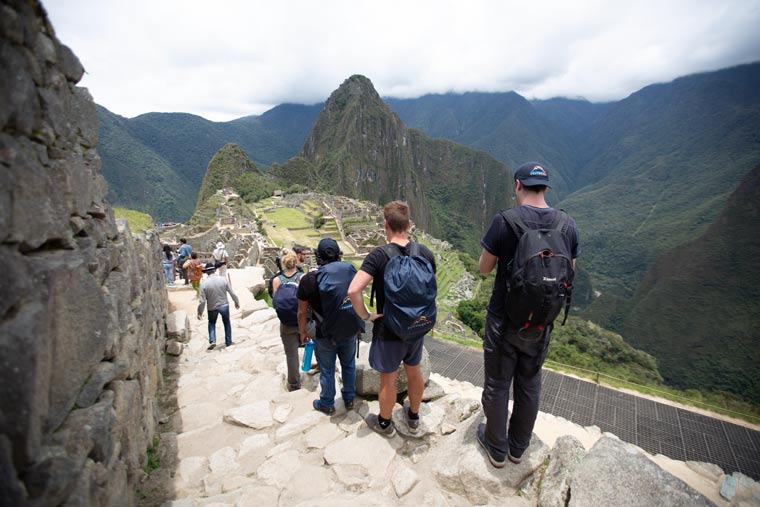
HOW MANY CIRCUITS EXIST IN MACHU PICCHU?
Currently, Machu Picchu is organized into a structured visiting system that includes 3 main circuits and up to 10 official routes depending on the type of ticket you purchase. Each circuit has been carefully designed to offer a different perspective of the citadel, allowing visitors to explore specific areas while helping to preserve the site.
Current structure:
- 3 main circuits: These represent the general type of experience you will have inside Machu Picchu (panoramic, classic, or lower/royal sectors).
- 10 specific routes: These are detailed paths within each circuit, often combined with additional experiences such as mountain hikes (e.g., Huayna Picchu or Machu Picchu Mountain).
CIRCUIT 1: MACHU PICCHU PANORAMIC
Circuit 1 at Machu Picchu is specifically designed for visitors who want to experience the most iconic panoramic views of the citadel from its upper sectors. This route offers a visual introduction to Machu Picchu, allowing you to appreciate its full layout, architectural harmony, and dramatic natural setting.
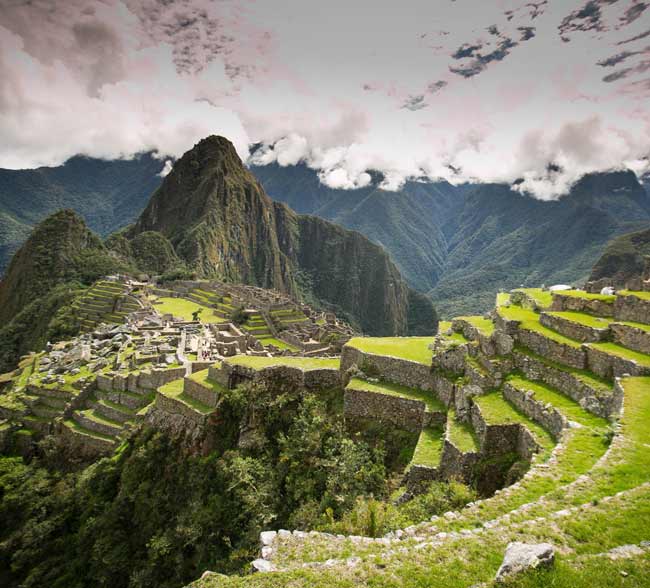
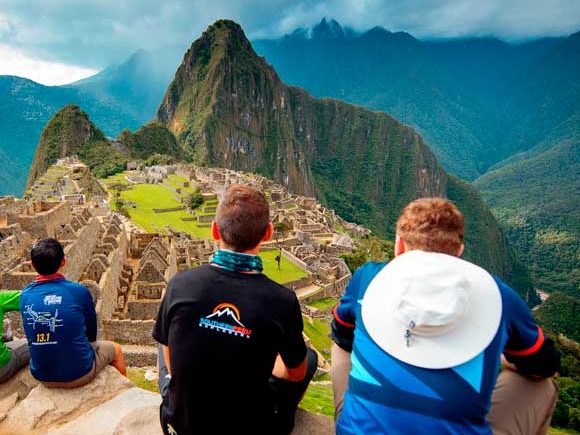
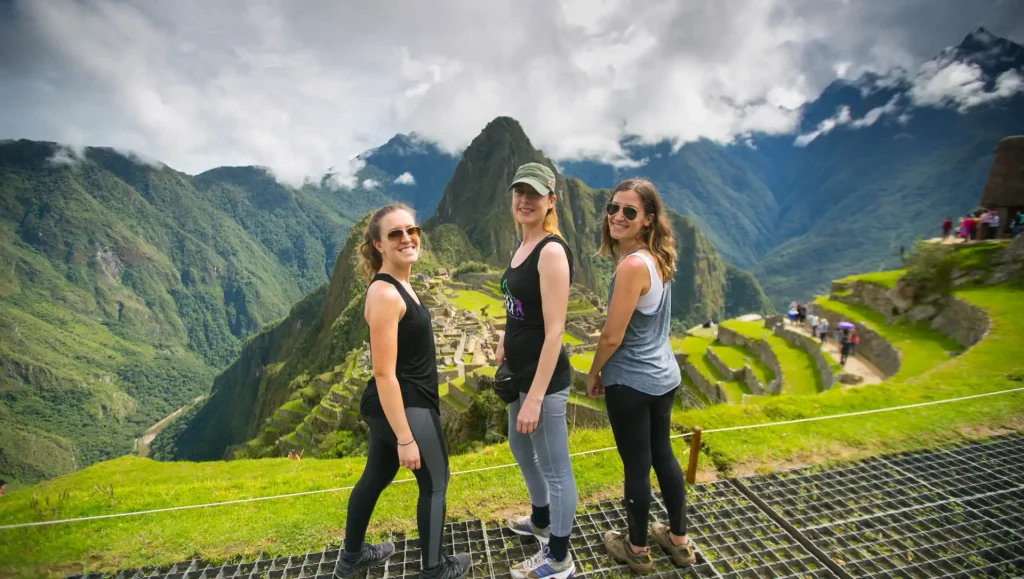
From elevated terraces and strategic viewpoints, visitors can capture the classic postcard photograph — the breathtaking image of the entire citadel surrounded by lush green mountains and the Urubamba River valley below.
While this circuit does not include access to the inner urban sectors, it provides a unique perspective that highlights the relationship between Inca architecture and the surrounding landscape.
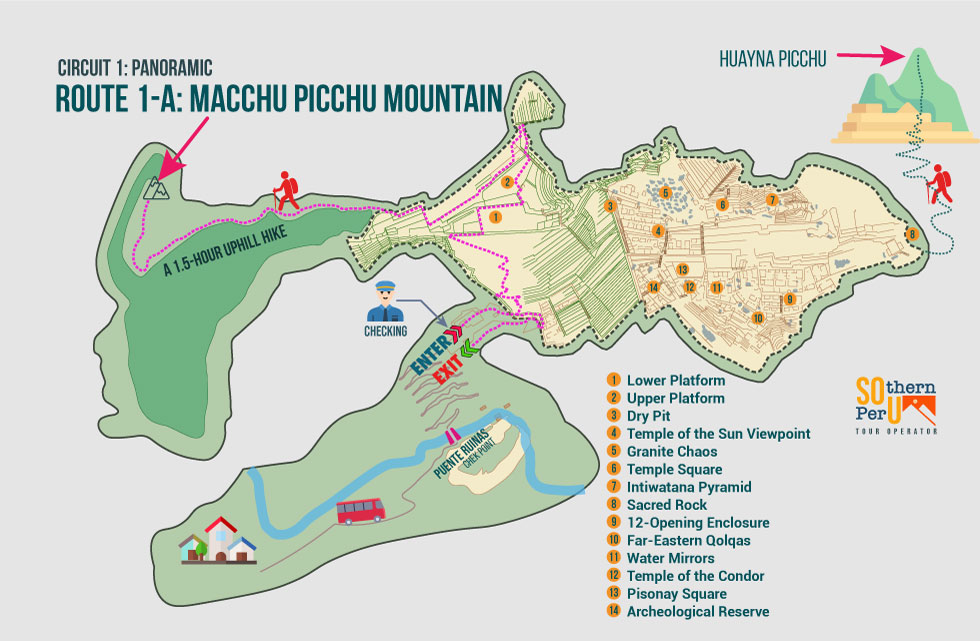
WHAT DOES IT INCLUDE?
- Upper agricultural terraces (andenes)
- Main panoramic viewpoints
- Elevated platforms for photography
- Wide-angle views of the archaeological complex
| Advantages: | Disadvantages: |
|---|---|
| Best panoramic views Ideal for professional photography or social media Less physical effort | Does not allow access to temples or inner sectors More superficial experience |
RECOMMENDED FOR:
- Photographers and content creators
- Travelers with limited time
- Visitors primarily interested in scenic views
- People who have already visited Machu Picchu and want a different perspective

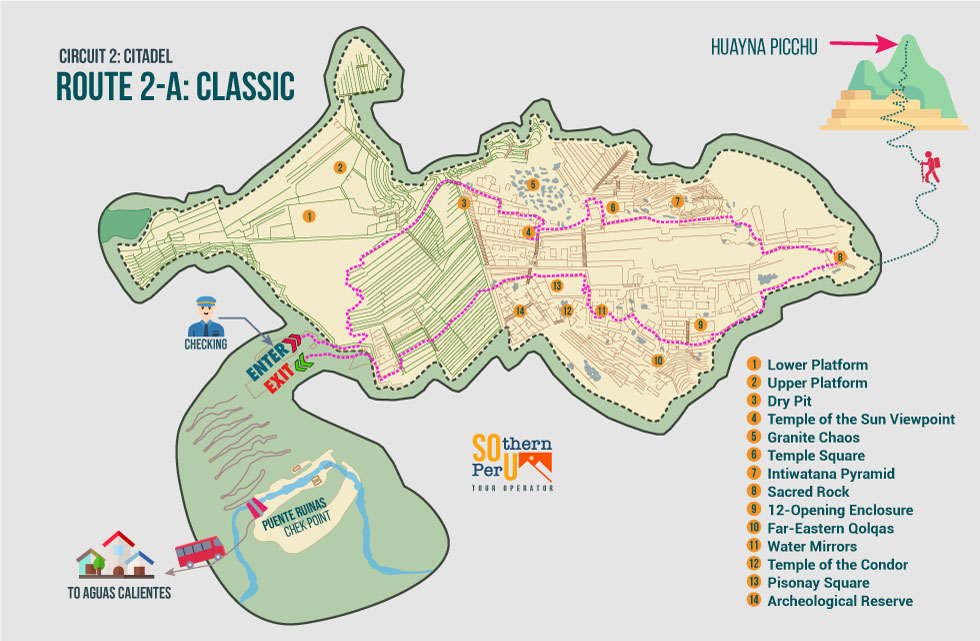
CIRCUIT 2: MACHU PICCHU CLASSIC
Circuit 2 at Machu Picchu is the most popular and comprehensive route, widely considered the best option for visitors who want to fully experience the citadel. It combines the iconic panoramic viewpoints with access to the main archaeological sectors, offering a balanced and in-depth exploration of Machu Picchu.
This circuit allows you to not only capture the famous postcard photo but also walk through the heart of the Inca city, understanding its urban planning, religious significance, and daily life. For this reason, it is the most recommended circuit, especially for first-time visitors. If you can only choose one circuit, this is the best choice.
Book this circuit several weeks in advance, especially during high season. Pairing it with a professional guide will significantly enhance your understanding of the site.
WHAT DOES IT INCLUDE?
- Main square (central plaza)
- Temple of the Sun (one of the most important ceremonial structures)
- Temple of the Three Windows
- Sacred and urban sectors
- Residential areas and stone pathways
- Original Inca trails connecting different sectors
| Advantages: | Disadvantages: |
|---|---|
| Best panoramic views Ideal for professional photography or social media Less physical effort | Does not allow access to temples or inner sectors More superficial experience |
RECOMMENDED FOR:
- First-time visitors to Machu Picchu
- Cultural and heritage travelers
- Students of tourism, archaeology, or history
- Anyone looking for a complete and meaningful experience
CIRCUIT 3: MACHU PICCHU ROYALTY OR LOWER AREA
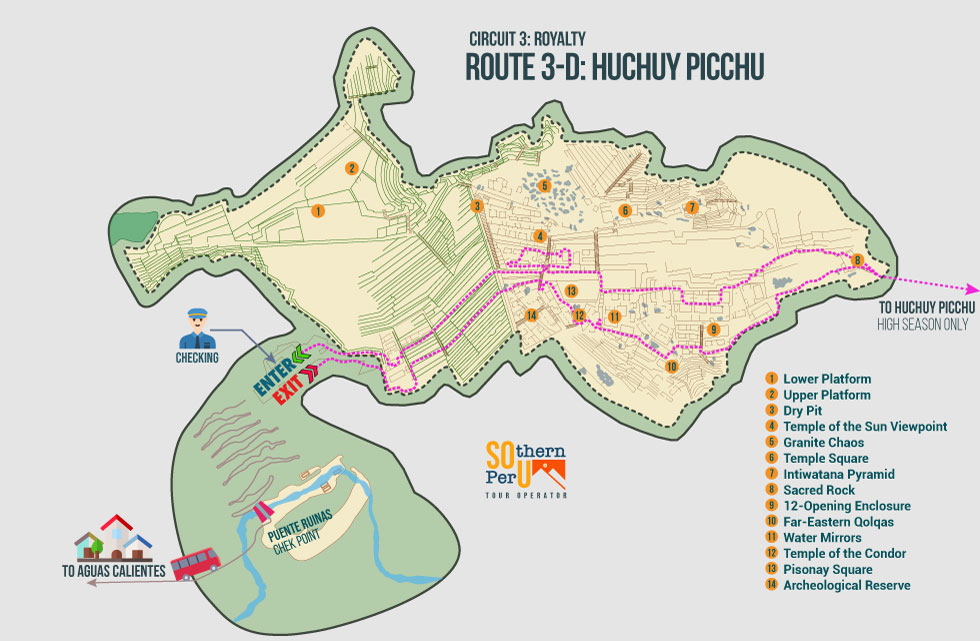
Circuit 3 at Machu Picchu offers a more specialized and less crowded experience, focusing on the lower sectors of the citadel. Unlike the panoramic or classic routes, this circuit emphasizes the functional and everyday aspects of Inca life, particularly agriculture, residential organization, and the spaces associated with the elite.
By exploring these areas, visitors gain a deeper understanding of how Machu Picchu operated as a living city — not just as a ceremonial center, but as a complex settlement with social hierarchy and productive systems.
WHAT DOES IT INCLUDE?
- Agricultural terraces (andenes) used for cultivation and adaptation to the mountainous terrain
- Residential sectors where daily life activities took place
- Areas associated with the Inca nobility and elite occupation
- Lower sections of the archaeological complex with cultural and functional significance
| Advantages: | Disadvantages: |
|---|---|
| Best panoramic views Ideal for professional photography or social media Less physical effort | Does not allow access to temples or inner sectors More superficial experience |
RECOMMENDED FOR:
- Returning visitors who want to explore Machu Picchu from a different perspective
- Travelers interested in historical and cultural interpretation
- Visitors who prefer to avoid crowds and enjoy a slower-paced experience
- Those interested in understanding the agricultural and social organization of the Incas
ADDITIONAL ROUTES WITHIN THE CIRCUITS (HIGH DEMAND)
In addition to the main circuits, Machu Picchu offers exclusive high-demand routes that require a separate ticket and must be booked in advance. These experiences combine hiking, adventure, and panoramic viewpoints, providing a more active and elevated perspective of the citadel.
Unlike the standard circuits, these routes involve steeper trails, limited capacity, and fixed entry times, making them some of the most sought-after experiences in Machu Picchu.
AVAILABLE ROUTES
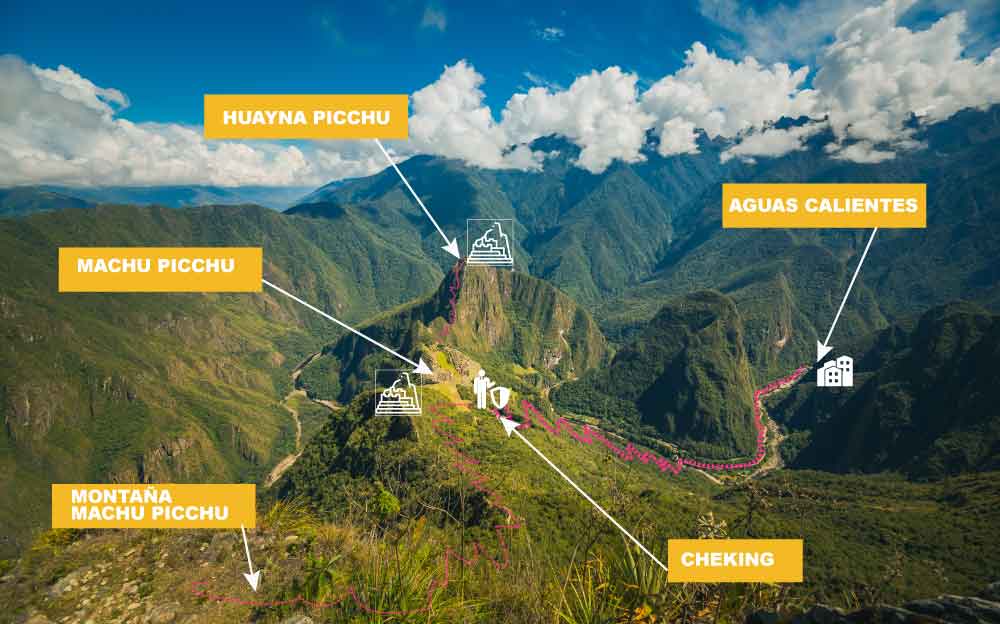
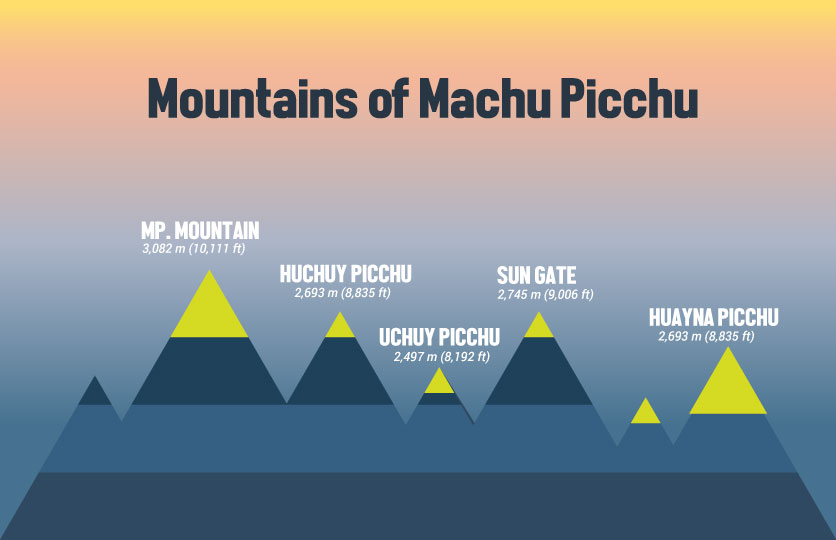
- Machu Picchu Mountain: The highest accessible point in the area, offering wide and less crowded panoramic views. It is a longer and more physically demanding hike, ideal for those seeking a challenging but rewarding experience.
- Huayna Picchu: The iconic peak seen in most Machu Picchu photos. This route is shorter but steeper, with narrow paths and dramatic viewpoints overlooking the citadel. It is one of the most popular and fastest-selling tickets.
- Huchuy Picchu: A shorter and less demanding alternative to Huayna Picchu, suitable for visitors who want a moderate hike with beautiful views but without extreme difficulty.
WHICH CIRCUIT SHOULD YOU CHOOSE IN MACHU PICCHU?
Choosing the right circuit at Machu Picchu is one of the most important decisions you will make when planning your visit. Each circuit offers a completely different experience, and your choice will determine what you see, how you explore the site, and how memorable your visit will be.
To help you decide, here is a practical guide based on different traveler profiles:
First-time visitors: Circuit 2 (Classic – complete experience)
If this is your first time in Machu Picchu, Circuit 2 is the best option. It combines the iconic panoramic view with access to the main temples, plazas, and urban sectors, offering a complete understanding of the site. Best choice for a full and meaningful experience.
Photography-focused travelers: Circuit 1 (Panoramic)
If your main goal is to capture the famous postcard photo of Machu Picchu, Circuit 1 provides the best elevated viewpoints and scenic perspectives. Ideal for photos, but limited in archaeological exploration.
Cultural and history enthusiasts: Circuit 3 (Lower area)
If you are interested in understanding the daily life, agricultural systems, and social organization of the Incas, Circuit 3 offers a more specialized and less crowded experience. Perfect for deeper cultural interpretation.
COMPARATIVE TABLE OF MACHU PICCHU CIRCUITS
| Feature | Circuit 1: Panoramic | Circuit 2: Classic | Circuit 3: Royalty (Lower Area) |
|---|---|---|---|
| Type of experience | Visual / scenic | Integral / complete | Cultural / specialized |
| Location | Upper area | Upper + middle | Lower area |
| Classic photo | Yes (best) | Yes | No |
| Internal tour (temples & plazas) | No | Yes (complete) | Partial |
| Depth level | Low | High | Medium |
| Duration | 1.5 – 2 hours | 2 – 3 hours | 1.5 – 2 hours |
| Difficulty level | Low | Medium | Low |
| Tourist flow | Medium | High | Low |
| Ideal for first visit | No | Yes | No |
| Main focus | Photography | History + architecture | Daily Inca life |
| Access to key sectors | Limited | Complete | Specific |
| Compatibility with extra routes | Some | Limited | Yes |
CONCLUSION: Guide to circuits in Machu Picchu
Visiting Machu Picchu is far more than a simple trip it is an encounter with one of the most extraordinary cultural and historical legacies in the world. Recognized as a UNESCO World Heritage Site and one of the New Seven Wonders of the World, Machu Picchu represents the ingenuity, spirituality, and harmony of the Inca civilization with its natural environment.
The implementation of the circuit system is not a limitation, but a necessary strategy to preserve this fragile heritage while ensuring a safe, organized, and meaningful experience for every visitor. By guiding the flow of tourism, these routes protect the site for future generations while enhancing the quality of each visit.
Choosing the right circuit is therefore essential. It determines:
- What parts of Machu Picchu you will explore
- The type of experience you will have (scenic, cultural, or complete)
- The memories you will take with you
A well-informed decision can transform your visit from a simple walk into a deep and unforgettable journey through history.