



The Inca Jungle adventure to Machu Picchu is an exciting alternative to the classic trail to Machu Picchu. This 4-day journey through the Amazon and the Andes offers travelers a unique experience that combines nature, adventure, and history. Starting near Abra Málaga, where you can admire impressive snow-capped peaks, the route descends into lush jungle landscapes along the route to Machu Picchu.
During the trek, you will follow paths once used by the Incas, discovering hidden ruins, tropical valleys, and breathtaking waterfalls. Unlike traditional treks such as the Salkantay Trek, this adventure includes thrilling activities like mountain biking, river rafting, zip-lining, and jungle hiking. Along the way, travelers enjoy a rich cultural experience, visiting small villages, learning about coffee production, and interacting with local families. Nights are typically spent in a comfortable hostel, allowing you to rest and recharge for the next day’s adventure while traveling with a knowledgeable tour guide.
Many tour companies in Peru organize this adventure, and each trek offers different options depending on the level of comfort and activities included. The journey ends with a spectacular visit to Machu Picchu, where some travelers also choose to hike Huayna Picchu for panoramic views of the ancient citadel.
In this comprehensive guide on How to Plan the Inca Jungle Trek, we will cover the most important information to help you prepare for this unforgettable adventure. From the best season to travel and what to pack in your backpack, to the physical requirements and how to choose among the best tour companies, this guide will help you organize every detail of your trip.
Inca Jungle adventure to Machu Picchu is the most comprehensive tour
If you want everything you need to know before planning your trip to Machu Picchu, the Inca Jungle Trek is one of the most exciting options available. While the traditional Inca Trail is the most famous route, the Inca Jungle Trek is one of the most dynamic alternatives, offering an unforgettable adventure filled with nature, culture, and adventure activities.
This route is ideal for travelers who want more than a typical Inca Trail trek. The Inca Jungle Trek takes you through mountains, cloud forests, and tropical landscapes, while also allowing you to know about the Inca jungle and local traditions. The experience combines hiking, biking, rafting, and zip-lining, making it a thrilling adventure to Machu Picchu.
Unlike the famous Inca Trail, which follows a strict path along the Inca road network, this trek mixes several environments and experiences. Along the way, you will pass ancient Inca ruins, visit small Andean communities, and learn about their culture and traditions. Many travelers say that the highlight of the trek is the moment of arriving at Machu Picchu, the legendary Inca citadel and one of the world’s most famous archaeological wonders.
The Inca Jungle Trek is usually completed in four days, although some trail options can be shorter or longer depending on the itinerary chosen. This Machupicchu trek offers a diverse journey where the adventure begins high in the Andes and gradually descends into the lush Amazon jungle before the final destination: majestic Machu Picchu.
What are the outdoor activities?
The Inca Jungle Trek involves several exciting activities that make it different from other treks in Peru. The journey offers a unique experience combining nature, culture, and adrenaline, making it one of the most dynamic routes to Machu Picchu.
| Activity | Description |
|---|---|
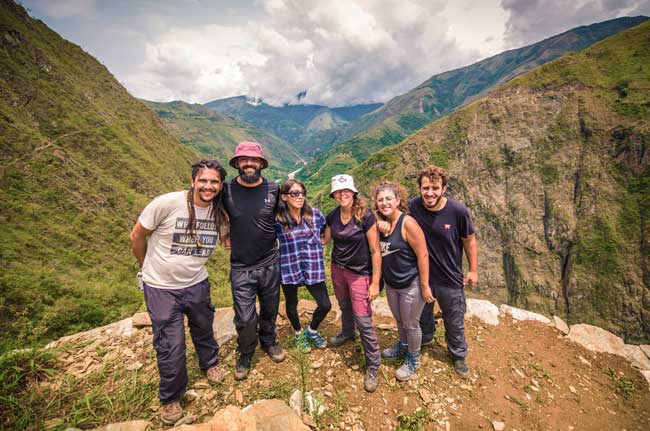
| Trekking | The trek takes you through diverse ecosystems, from high mountain trails in the Andes to warm tropical forests. Along the route, hikers pass through coffee plantations, jungle paths, and remote villages where they can learn about local traditions and daily life. This part of the journey allows travelers to connect deeply with nature while gradually descending toward the cloud forest. The changing landscapes make every section of the trek feel completely different and immersive. |
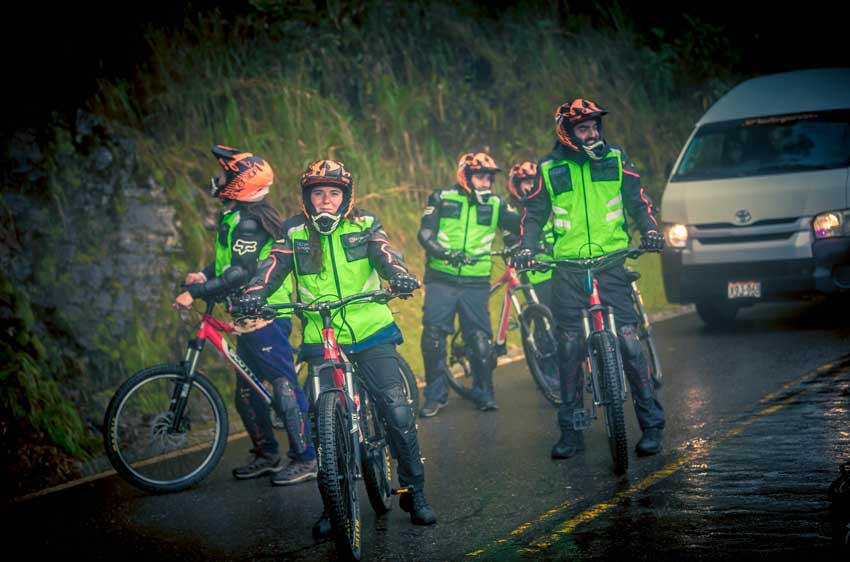
| Mountain Biking | The adventure usually begins with an exhilarating downhill biking experience from the high Andes. Starting near Abra Málaga, riders descend along winding mountain roads surrounded by breathtaking scenery, including snow-capped peaks and lush valleys. This activity is suitable for beginners and experienced riders alike, as guides provide safety instructions and equipment. It’s one of the most thrilling ways to start the journey. |
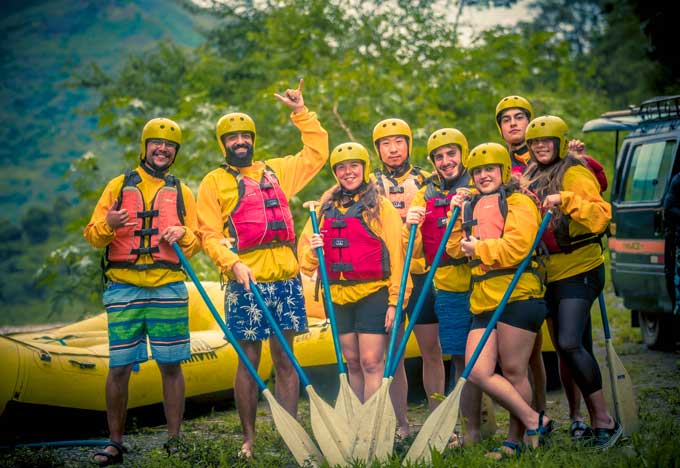
| Rafting | Another highlight of the Inca Jungle experience is rafting on the Urubamba River in the Sacred Valley. Depending on the season, the river offers varying levels of rapids, making it both exciting and safe. Professional guides ensure that all safety measures are followed, allowing travelers to enjoy the adrenaline rush while surrounded by stunning natural landscapes. |
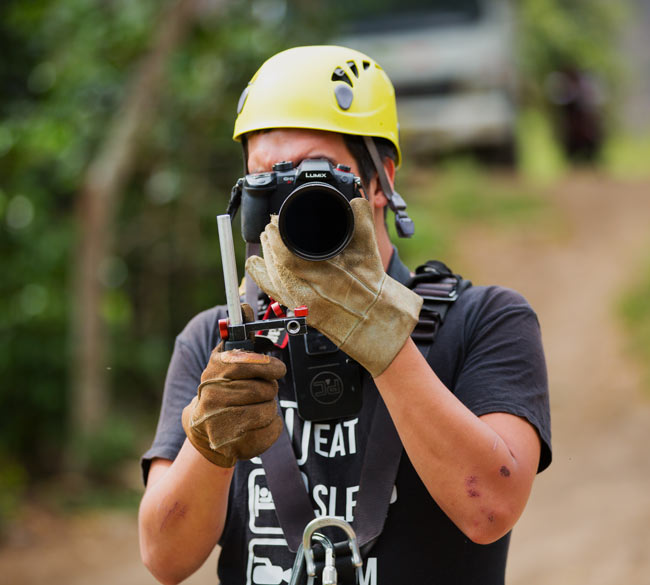
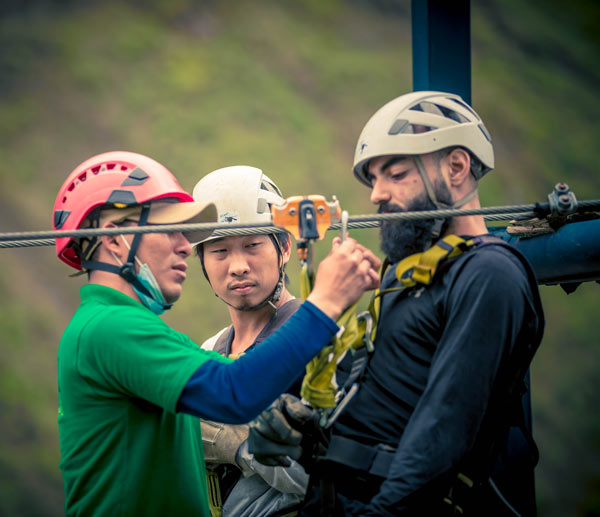
| Zip-lining | For those seeking even more adventure, zip-lining through the jungle canopy is an unforgettable experience. Participants glide across cables high above the forest, enjoying panoramic views of the lush surroundings. This activity combines excitement with a unique perspective of the tropical ecosystem. |
| Overall Experience | Overall, the Inca Jungle Trek can vary depending on the itinerary and the tour operators offer different packages. However, the adventure always trek ends with the opportunity to visit Machu Picchu and explore the incredible archaeological site. |
What is the itinerary?
Many tour operators offer different versions of this route, but most tour companies offering the Inca Jungle follow a similar 4-day program.
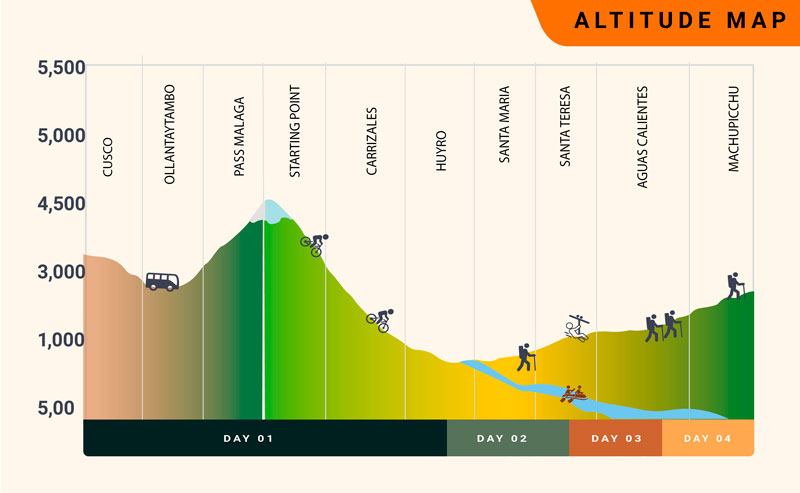
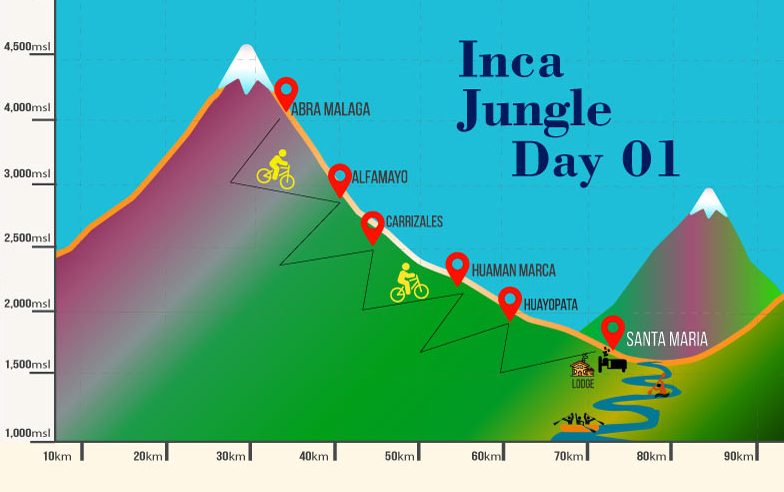
Day 1: Cusco – Start of the Trek – Santa Maria
The Inca Jungle Trek begins early in Cusco with transportation through the Sacred Valley and up into the Andes. Along the way, travelers can enjoy impressive views of mountains, valleys, and traditional villages. After reaching the high mountain pass near Abra Málaga, the adventure officially begins.
The first activity is an exciting downhill mountain biking experience, descending from high-altitude landscapes into warmer jungle environments. The route offers incredible scenery, including snow-capped peaks, waterfalls, and lush vegetation. After several hours of biking, the group continues by vehicle to Santa Maria, where they spend the first night. In the evening, travelers can relax, enjoy a local meal, and prepare for the next day.
Day 2: Santa Maria – Santa Teresa
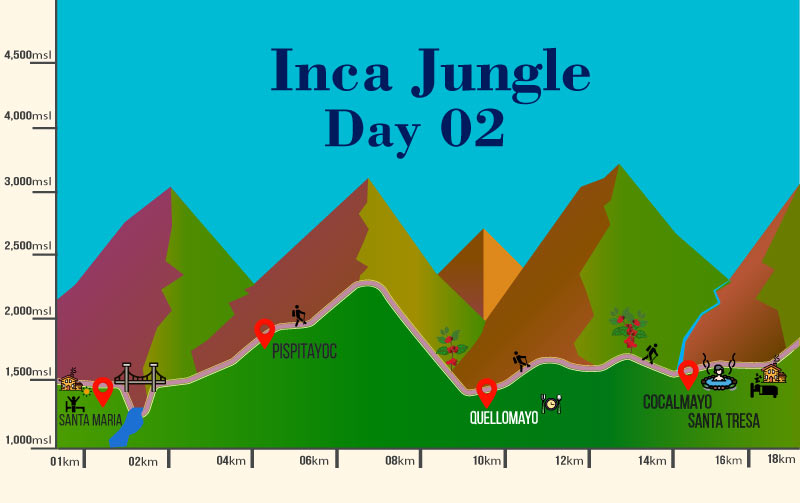
The second day combines adventure and cultural immersion. In the morning, many itineraries include rafting on the Urubamba River, where travelers can experience thrilling rapids under the supervision of professional guides.
After rafting, the trek continues on foot along jungle trails and sections of ancient paths. Along the way, hikers pass coffee plantations, fruit farms, and small villages. This is a great opportunity to learn about local agriculture, taste fresh coffee, and interact with local families.
The day ends in Santa Teresa, a small town known for its relaxing hot springs. Many travelers choose to visit the thermal baths in the evening, which is a perfect way to recover after a day of physical activity.
Day 3: Santa Teresa – Aguas Calientes
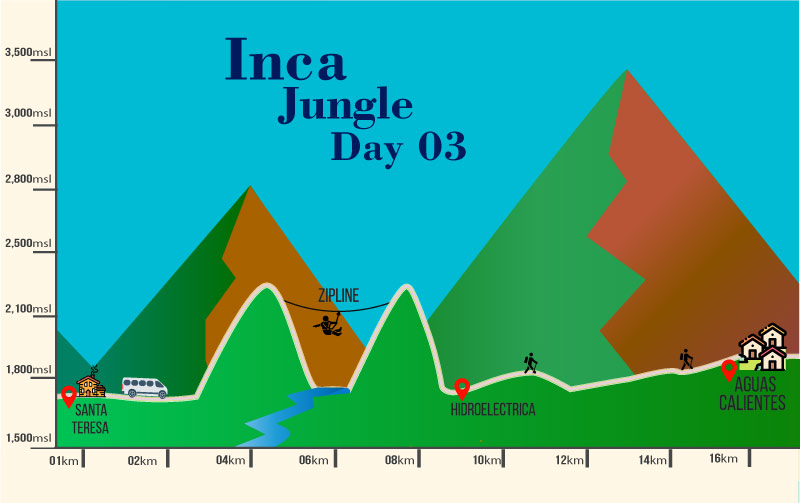
Day three is often considered one of the most scenic parts of the trek. The journey continues through lush jungle landscapes, rivers, and coffee farms, offering a deeper connection with nature.
Some routes include zip-lining in the morning, adding an extra dose of adrenaline before continuing the hike. As the trek progresses, travelers may walk along a section of the original Inca Trail, which provides a glimpse into the ancient road system built by the Incas.
In the afternoon, the group arrives in Aguas Calientes, the town located at the base of Machu Picchu. Here, travelers can rest in a comfortable hostel or hotel, explore the town, or visit local markets. An early night is recommended to prepare for the final day.
Day 4: Machu Picchu
The final day is the highlight of the entire journey. Travelers wake up early to begin the ascent to Machu Picchu, either by hiking up the stairs or taking a bus to the entrance.
Upon arrival, a professional guide leads a detailed tour of the ancient citadel, explaining its history, architecture, and cultural significance. Visitors explore the most important sectors, including temples, terraces, and ceremonial areas.
After the guided tour, travelers usually have free time to explore on their own, take photos, or hike additional mountains such as Huayna Picchu or Machu Picchu Mountain for panoramic views.
After exploring the ruins and enjoying the breathtaking scenery, travelers truly understand why Machu Picchu is considered one of the most extraordinary destinations in the world and a must-visit highlight of any trip to Peru.
What is the best season to do the Inca Jungle Trek?
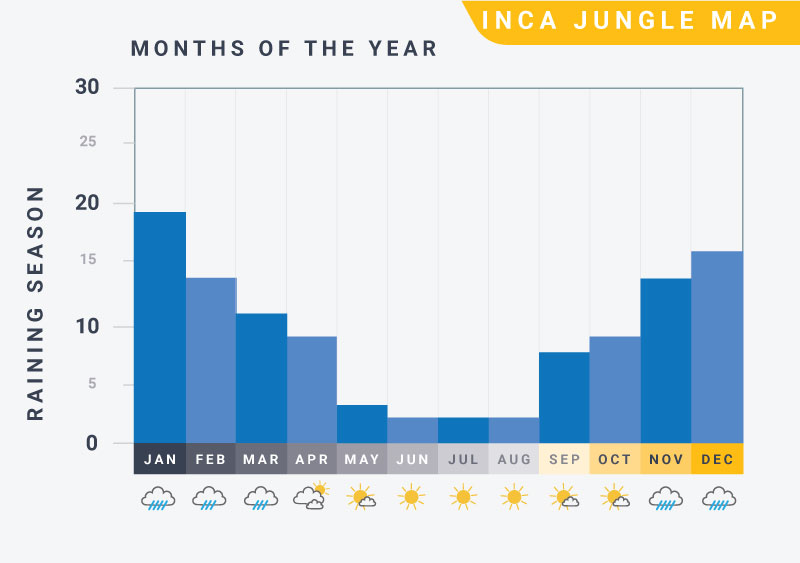
The best time to plan your Inca Jungle Trek largely depends on your preferences. During the dry season (from May to October), you will have the best weather conditions, as the temperatures will be dry and cool with less rain, which is ideal for hiking, biking, and camping in particular. Although, it is also the peak tourist season, therefore you can expect more trekkers and visitors to the main archaeological sites, in general.
During the wet season (from November to May), be aware that heavy rainfalls occur, which can lead to floods or landslips. Your hike in the rainy season has to be carefully prepared as there is a higher risk of accidents. But on the other hand, you can expect intense green landscapes and fewer crowds.
Finally, remember that booking during the dry season will ensure more predictable conditions but will also come with higher prices and more tourists.
Why choose Southern Peru Explorers for your Inca Jungle Trek?
The Inca Jungle Trek requires careful organization, and choosing a reliable, licensed tour operator is essential for a safe and enjoyable experience. While many companies in Peru offer this adventure, not all provide the same level of service, safety standards, and local expertise. Selecting the right operator can make a significant difference in your overall journey to Machu Picchu.
Booking with a professional team means that an experienced trek guide will accompany you throughout the entire route, ensuring not only your safety but also enriching your experience with valuable insights into the history of the Incas, local traditions, and the natural environment. A knowledgeable guide transforms the trek into a deeper cultural and educational journey, not just an adventure.
At Southern Peru Explorers, we focus on delivering high-quality, personalized experiences that combine adventure, comfort, and authenticity. Our goal is to help you enjoy every moment of the trek while feeling safe, supported, and connected to the region.
Here are some reasons why travelers choose us:
- We are a government-accredited tour operator with years of experience organizing treks and adventure tours in the Cusco region. Our reputation is built on reliability, professionalism, and excellent customer service.
- Our professional guides and staff are highly trained, friendly, and passionate about what they do. They prioritize safety at all times while also creating a fun and engaging atmosphere throughout the journey.
- We design flexible itineraries tailored to different travel styles and preferences. Whether you are looking for more adventure activities, additional comfort, or a balanced experience, we adapt the trek to meet your expectations.
- We support local communities by working with local families, farmers, and service providers. This not only creates authentic cultural experiences but also contributes to sustainable tourism and the local economy.
- We provide high-quality equipment and carefully planned meals prepared with fresh, local ingredients. Proper nutrition and reliable gear are essential for maintaining energy and comfort during the trek.
- We maintain strict safety protocols for all activities, including biking, rafting, and zip-lining. Our team ensures that all equipment is regularly checked and that travelers receive proper instructions before each activity.
- We offer continuous assistance from the moment you book until the end of your tour. Our team is available to answer questions, help with preparation, and ensure that everything runs smoothly during your trip.
- Because the Inca Trail to Machu Picchu has limited permits, many travelers choose the Inca Jungle Trek as an exciting and more flexible alternative. However, it is still highly recommended to book your trek in advance, especially during the high season, to secure availability and guarantee the best experience possible.
Recommendations for trekkers
The Inca Jungle Trek is a physically demanding adventure, requiring a decent level of fitness. While the hike part is not as strenuous as the Inca Trail, there are still challenging sections, we recommend you to aclimatize to the altitude first. The trek starts at high altitudes (around 2,000 meters) and reaches over 2,400 meters once in Machu Picchu. To avoid altitude sickness, spend a few days in Cusco or Sacred Valley to acclimatize. Drink plenty of water, eat light meals, and avoid alcohol.
You can also do a short hike to train you physically at this altitude. You can for instance hike to the Moon Temple (45 minutes up above Cusco) or the Huchuy Qosqo hike from Chinchero to Lamay (5 hours in total).
While you are on the trek, remember to stay hydrated, especially during physical activities in varying climates. Drink plenty of water throughout the trek and carry snacks to maintain your energy levels.
What to pack to go on the Inca Jungle Trek?
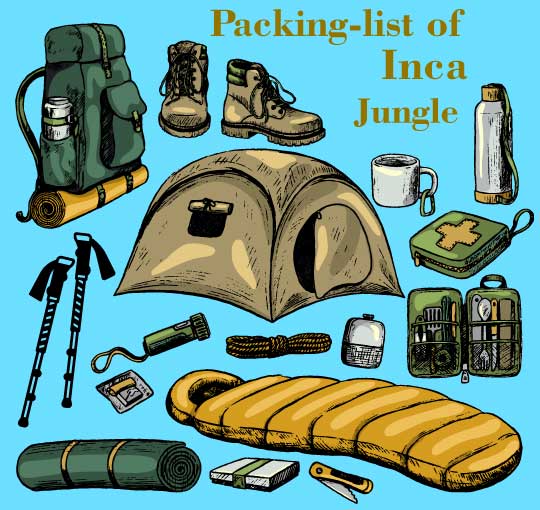
It can be challenging to pack for the Inca Jungle Trek because you need to bring equipment for a variety of environments, including cold mornings, hot afternoons, and possibly rainy days.
Clothing: Lightweight moisture-wicking clothes (t-shirts, shorts, and pants for trekking); Waterproof jacket (essential for rain and cooler temperatures); Swimsuit (for the hot springs and rafting); Comfortable hiking shoes or trail runners with good grip; Flip-flops or sandals (for the evenings and hot springs); Jacket for the evenings; Hat, sunglasses, and sunscreen; Quick-dry towel.
Gear: Small daypack for daily essentials; Water bottle or hydration system (at least 2-3 liters); Camera or smartphone (with extra batteries or power bank) ; Flashlight or headlamp (with extra batteries); A rain poncho (for extra protection during rain).
Health and Safety: Personal medications (and a copy of your prescription if necessary); First aid kit (band-aids, antiseptic cream, blister pads, etc.); Insect repellent (the jungle areas can have mosquitoes).
Accommodation and Meals
Accommodations during the Inca Jungle Trek range from camping tents to basic lodges to more comfortable hotels, depending on your preferences and budget.
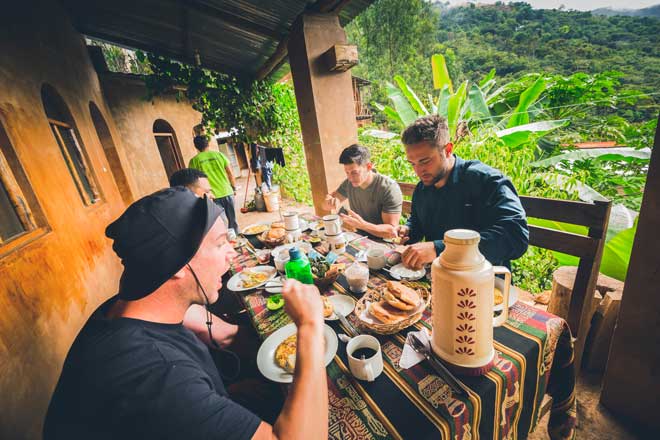
Meals are provided by the tour operator, with breakfast, lunch, and dinner included each day. We provide delicious and refilling meals, and we adapt to any kind of diet. We always recommend the guests bring some extra snacks with them in case they would like to eat in between the fixed meal times.
Final Tips
Before starting your adventure to Machu Picchu, it is highly recommended to purchase travel insurance that covers trekking and adventure activities such as biking, rafting, and hiking. Being prepared will give you peace of mind and allow you to fully enjoy every moment of the journey.
It is also important to arrive in Cusco a few days in advance to properly acclimatize to the altitude. Staying hydrated, eating light meals, and taking time to rest will help you avoid altitude sickness and ensure a better experience during the trek.
Most importantly, remember that this journey is not only about reaching Machu Picchu, but about everything you experience along the way. From crossing diverse landscapes and exploring the Andes and jungle, to meeting local communities and learning about their traditions, every moment becomes part of an unforgettable adventure.
Whether you choose the traditional Inca Trail or the exciting Inca Jungle Trek, the reward at the end is the same: arriving at Machu Picchu, one of the most extraordinary destinations in the world. Standing before this ancient citadel after days of adventure is a truly unique and memorable experience that will stay with you for a lifetime.