



Inca Jungle Trek Information: Essential Guide to Your Adventure to Machu Picchu
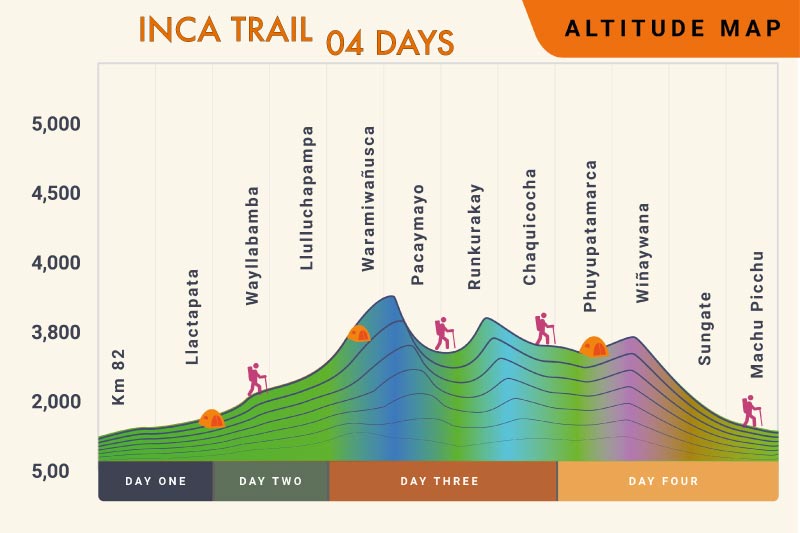
If you’re planning a trip to Peru and considering the famous Inca Trail, it’s important to know that permits are limited and the trail closes every February for maintenance. Because of this, many travelers look for alternative routes—and one of the most exciting options is the Inca Jungle Trek to Machu Picchu.
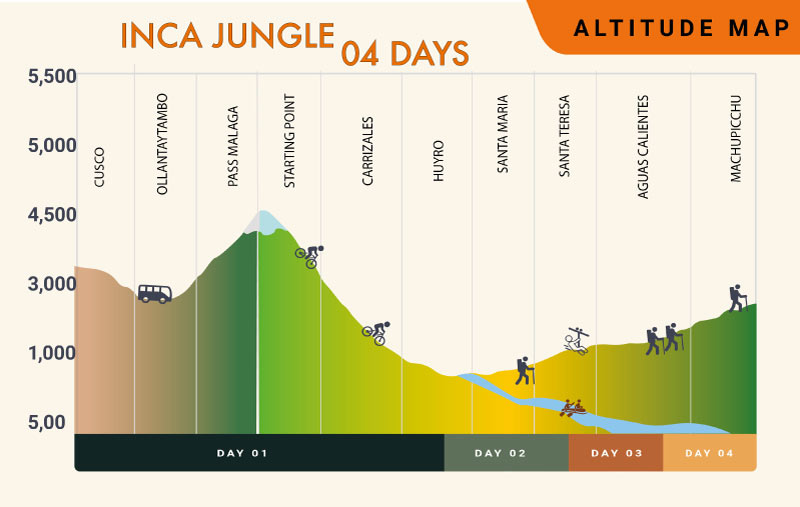
Unlike the traditional Inca Trail, this route offers a more dynamic and diverse experience. The Inca Jungle Trek combines hiking with adventure activities such as downhill biking and optional rafting, taking you through a variety of landscapes—from high Andean mountains to lush cloud forest and jungle terrain. This makes it ideal for travelers who want more than just a classic hike.
Along the journey, you’ll still connect with the history of the Inca civilization. Parts of the route follow ancient paths once used by Inca messengers, giving you a sense of the original network that connected the empire. At the same time, the trek offers more flexibility and fewer restrictions compared to the classic 4-day Inca Trail, making it a great option for those who prefer a less crowded experience.
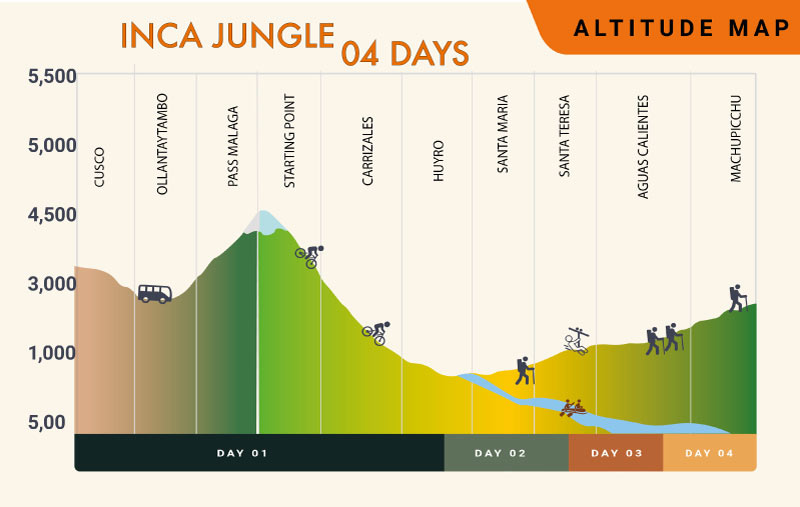
Typically completed in 4 days, this adventure blends culture, nature, and adrenaline. You’ll pass through local villages, coffee plantations, and tropical landscapes before reaching Aguas Calientes, the gateway to Machu Picchu. From there, the journey culminates with a guided visit to the iconic citadel.
Whether you’re looking for an alternative trek, an active travel experience, or a complete guide to reaching Machu Picchu, the Inca Jungle Trek stands out as one of the most unique and adventurous routes available in Peru.
What is the Inca Jungle Trek?
The Inca Jungle Trek is a multi-activity adventure route to Machu Picchu that goes beyond traditional trekking. It combines hiking with experiences like mountain biking, rafting, and optional ziplining, offering a dynamic journey through diverse ecosystems—from high Andean landscapes to lush cloud forests and jungle terrain.
Unlike the classic Inca Trail, this trek is more flexible, allowing travelers to customize parts of the experience based on their interests, fitness level, and schedule. It’s ideal for those who want an active and immersive adventure that blends culture, nature, and adrenaline in a single itinerary.
This trek has become one of the most popular alternatives to the Inca Trail for several reasons:
- Permit availability: Inca Trail permits are limited and often sell out months in advance, while the Inca Jungle Trek generally offers more flexibility and easier booking.
- Variety of activities: It’s perfect for travelers who enjoy multiple adventure activities alongside trekking.
- Cultural immersion: Participants pass through small villages and local communities, offering insights into traditional Andean life without adding extra days to the journey.
- Scenic diversity: The route transitions quickly between mountain passes, jungle trails, rivers, and fertile valleys, providing dramatic and ever-changing landscapes that you wouldn’t experience on a single traditional trek.
Overall, the Inca Jungle Trek is designed for travelers who want a complete experience, combining the thrill of adventure sports, the beauty of Peru’s natural landscapes, and a deeper connection with local culture, all culminating in a visit to Machu Picchu.
A Route Full of Diversity: From Andes to Jungle
One of the most remarkable features of the Inca Jungle Trek is the rapid transition between vastly different landscapes. In just a few days, travelers experience high-altitude mountains, fertile valleys, and dense jungle ecosystems all on a single journey.
The trek usually begins after spending a couple of days acclimatizing in the Andean highlands, which helps reduce the risk of altitude sickness and allows you to enjoy the adventure more comfortably. From there, the route passes through the Sacred Valley, where terraced fields, small villages, and local markets offer a glimpse into traditional Andean life.
As you ascend toward the higher mountain passes, you’ll encounter snow-capped peaks, deep valleys, and winding trails surrounded by dramatic scenery. These sections provide not only breathtaking views but also excellent opportunities for photography and nature observation.
Soon after, the trek descends into the cloud forest and jungle, where temperatures rise and humidity increases. The flora and fauna change dramatically-lush vegetation, tropical birds, and vibrant orchids appear as you move deeper into the jungle. This striking environmental shift is a highlight of the trek, giving travelers a sense of how diverse Peru’s landscapes are within a single region.
This combination of high-altitude adventure and tropical exploration is what makes the Inca Jungle Trek unique, offering an experience that blends physical challenge, natural beauty, and immersive exploration in a way few other treks can match.
Activities That Make It Unique
The Inca Jungle Trek is much more than a traditional hike it’s a complete adventure that combines multiple activities in one journey. Each component of the trek offers a unique way to experience Peru’s landscapes and culture.
Mountain Biking
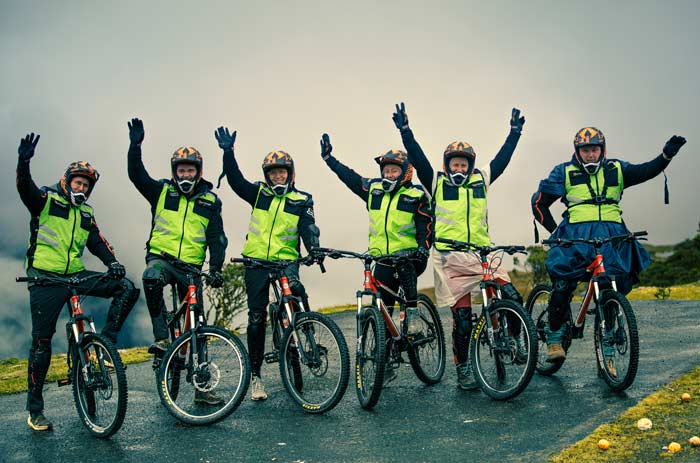
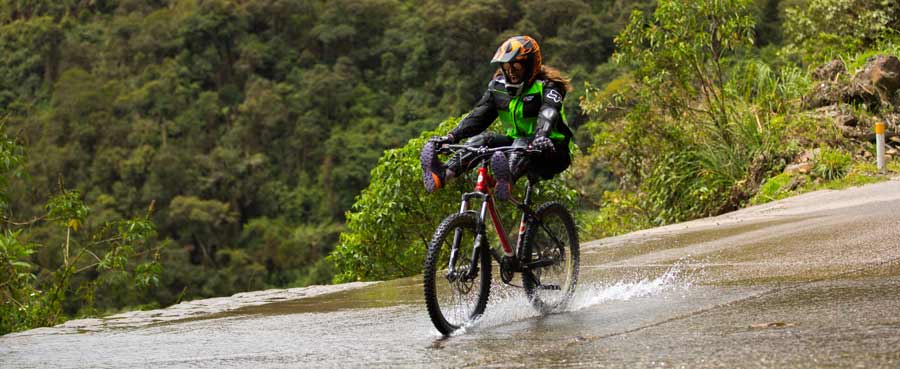
The trek often begins with a thrilling downhill bike ride from the high Andean passes into the lush jungle. Riders navigate winding trails and switchbacks while enjoying panoramic views of valleys and mountains. This is not only an adrenaline-filled start but also a chance to see dramatic scenery that you wouldn’t experience on foot alone.
Rafting (Optional)
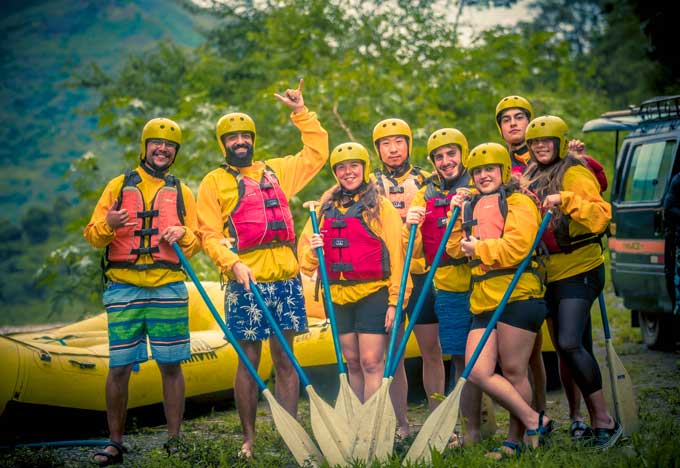
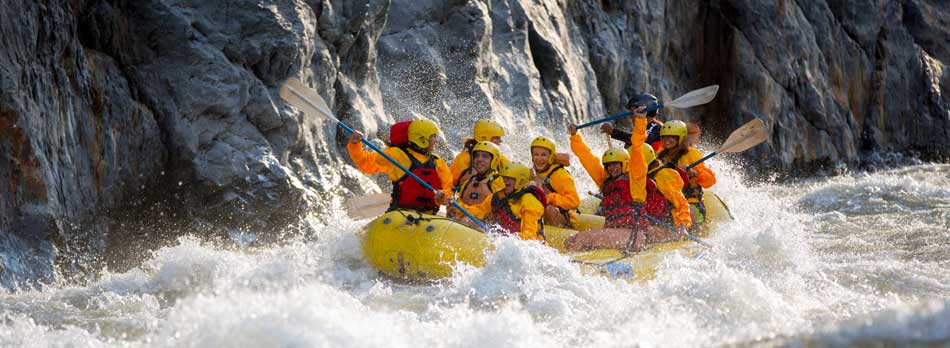
For those seeking extra excitement, rafting on the Vilcanota River offers a chance to navigate rapids surrounded by dense jungle and steep cliffs. Depending on the season, this activity can range from gentle rapids perfect for beginners to more challenging sections for experienced adventurers.
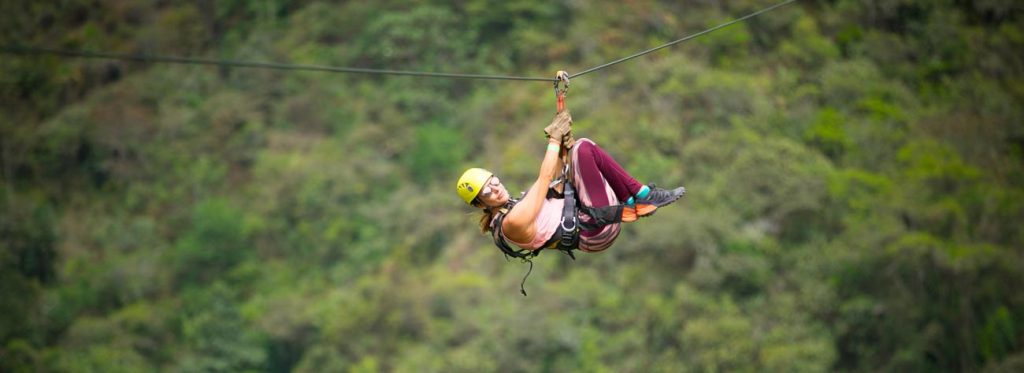
Zipline / Jungle Canopy (Optional)
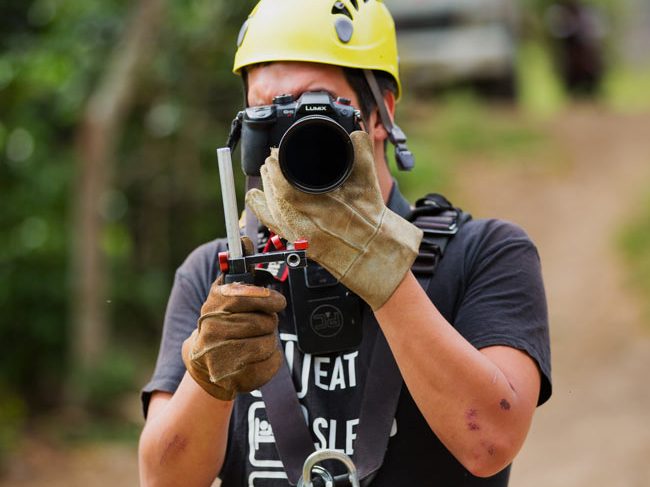
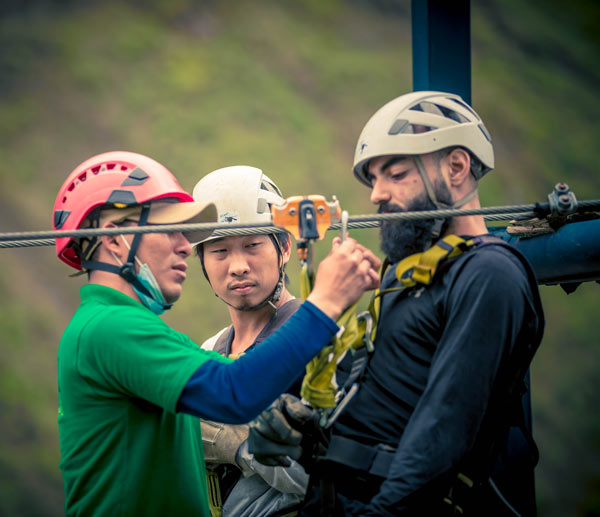
The zipline activity provides a unique bird’s-eye view of the jungle, gliding above treetops and rivers. It’s an exhilarating way to connect with the tropical ecosystem and capture stunning photos of the surrounding landscape.
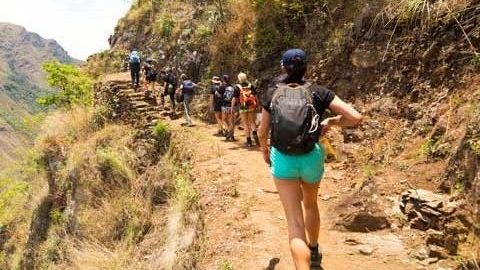
Trekking
The hiking portions of the Inca Jungle Trek tie all these activities together. Walking through small Andean villages, coffee plantations, and vibrant jungle trails, you’ll experience the diversity of the region firsthand. Certain segments even include original Inca paths, giving you a glimpse of the ancient routes used centuries ago.
Each activity complements the others, creating a balanced adventure that blends physical challenge, cultural encounters, and breathtaking scenery, making the Inca Jungle Trek a truly unique way to reach Machu Picchu.
Culture, History, and Inca Heritage (Arrival at Machu Picchu)
The Inca Jungle Trek typically concludes in Aguas Calientes, the small town nestled at the base of Machu Picchu. This bustling town is the gateway to the ancient citadel and offers travelers a chance to rest, explore local markets, and enjoy Peruvian cuisine before the big day. Many visitors take the evening to stroll along the Urubamba River, sample traditional dishes like trucha (trout), alpaca steak, or local desserts, and prepare for an early start.
From Aguas Calientes, the journey continues with a guided visit to Machu Picchu, usually scheduled for early morning to catch the soft sunlight over the iconic ruins. During the tour, you’ll explore the temples, terraces, ceremonial plazas, and agricultural sectors, learning about the Inca’s sophisticated engineering, astronomy, and spiritual practices. Knowledgeable guides share stories about the citadel’s history, including how it served as a royal estate, a religious center, and a strategic fortress in the Andes.
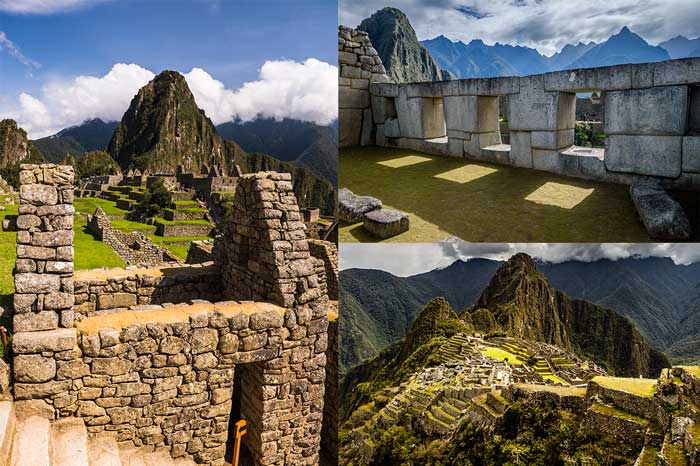
For travelers seeking an extra challenge and unforgettable views, there are optional hikes within Machu Picchu:
- Huayna Picchu – The famous peak that towers over the citadel. The hike is steep and can take 1.5–2 hours, but the panoramic views of Machu Picchu and the surrounding mountains are breathtaking. Tickets are extremely limited and must be booked months in advance.
- Machu Picchu Mountain (Montaña) – A longer but less crowded hike that offers 360-degree views of the citadel, the Urubamba River, and the Andean peaks. This hike is ideal for photography enthusiasts and those who want a broader perspective of the landscape.
Other tips for visiting Machu Picchu:
- Time your visit: Arrive early to avoid the largest crowds and enjoy a more serene experience.
- Bring essentials: Water, snacks, sunscreen, a hat, comfortable walking shoes, and a rain poncho. Weather in the Andes can change rapidly.
- Respect the site: Machu Picchu is a UNESCO World Heritage site—avoid touching walls, stepping on terraces, or leaving any trash behind.
- Photography tips: Sunrise or late afternoon provides the best light for stunning photos, especially with the mountains in the background.
After the guided tour, most travelers return to Aguas Calientes for lunch before taking the train back to Ollantaytambo or Cusco, marking the end of the trek. For those staying overnight in Aguas Calientes, the town offers hot springs and small cultural experiences that provide a relaxing conclusion to the adventure.
Arriving at Machu Picchu after completing the Inca Jungle Trek is not just a visit—it’s the culmination of an immersive journey, where adventure, culture, and nature all come together to create a truly unforgettable experience.
Comparing with Other Routes
When planning your journey to Machu Picchu, it’s important to understand that each trek offers a different experience, level of difficulty, and type of scenery. Here’s a detailed comparison of the most popular options:
| Trek | Experience & Highlights | Duration | Difficulty | Best For | Unique Features |
|---|---|---|---|---|---|
| Classic Inca Trail | Follows the original stone paths built by the Incas; rich in history and archaeological sites | 4 days / 3 nights | Moderate to challenging | History enthusiasts, trekkers who want the “classic” Inca experience | Passes through Sun Gate, Wiñay Wayna, and other UNESCO sites; limited permits, must book months in advance |
| Salkantay Trek | Dramatic mountain scenery, snow-capped peaks, glacial lakes | 5 days / 4 nights | Challenging | Adventure seekers, nature lovers, photographers | Higher altitudes (up to 4,650 m); remote landscapes; less crowded than Inca Trail |
| Inca Jungle Trek | Combines trekking, biking, rafting, ziplining, and cultural immersion | 4 days / 3 nights | Moderate | Travelers seeking adventure, variety, and a mix of culture & adrenaline | Unique multi-activity route; passes through Andean villages, cloud forests, and coffee plantations; flexible itinerary and easier permits |
Why the Inca Jungle Trek Stands Out:
- Offers a balanced mix of adventure, nature, and culture in one trip
- Flexible and accessible even when Inca Trail permits are sold out
- Includes additional activities like biking, rafting, and optional ziplining
- Ideal for travelers who want both excitement and cultural immersion
- Perfect for small groups or families looking for a more interactive experience
This comparison shows that while each route has its appeal, the Inca Jungle Trek is the most versatile option for those who want a dynamic and memorable journey to Machu Picchu.
Important Travel TipsTo make the most of your Inca Jungle Trek and enjoy a safe, comfortable, and unforgettable experience, consider the following tips:
1. Acclimatize Properly
Spend at least 1–3 days in the highlands (Cusco or the Sacred Valley) before starting the trek. This helps your body adjust to the altitude, reducing the risk of headaches, fatigue, and altitude sickness. During this period, avoid strenuous activity, stay hydrated, and consider drinking coca tea, a traditional Andean remedy for altitude adjustment.

2. Be Prepared for Changing Weather
The weather along the Inca Jungle Trek can vary dramatically. Early mornings and high passes are often cold and windy, while the cloud forest and jungle sections are humid and warm, with occasional rain showers—even during the dry season. Bring layers, a rain poncho, waterproof gear, and sun protection to stay comfortable throughout the trek.

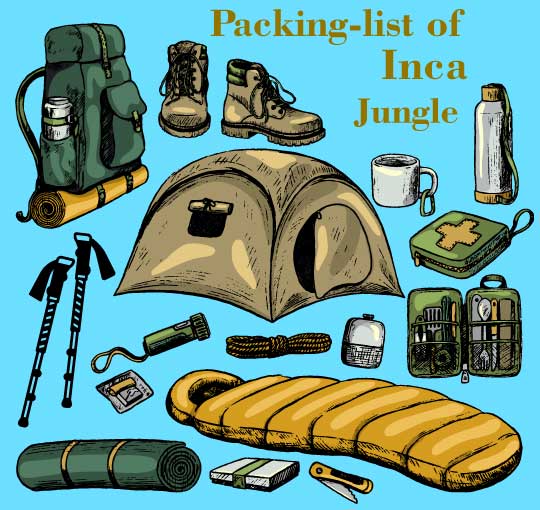
3. Bring the Right Gear
Proper gear is essential for both comfort and safety:
- Sturdy hiking shoes with good grip
- Lightweight, breathable clothing for warm sections
- Warm layers for high-altitude mornings and nights
- Gloves and a hat for cold or sunny conditions
- Small backpack for daily essentials
- Reusable water bottle to stay hydrated
- Optional: snacks, camera, insect repellent, and trekking poles
4. Consider Your Fitness Level
The trek involves multi-day trekking, biking, and optional adventure activities, so a moderate level of fitness is recommended. Even if you’re not an expert hiker, pacing yourself and taking breaks will help you enjoy every section of the journey.
5. Respect Local Culture and Nature
Along the trail, you’ll encounter small villages, local communities, and protected ecosystems. Be mindful of local customs, wildlife, and natural resources. Avoid littering, respect sacred sites, and interact with communities respectfully.
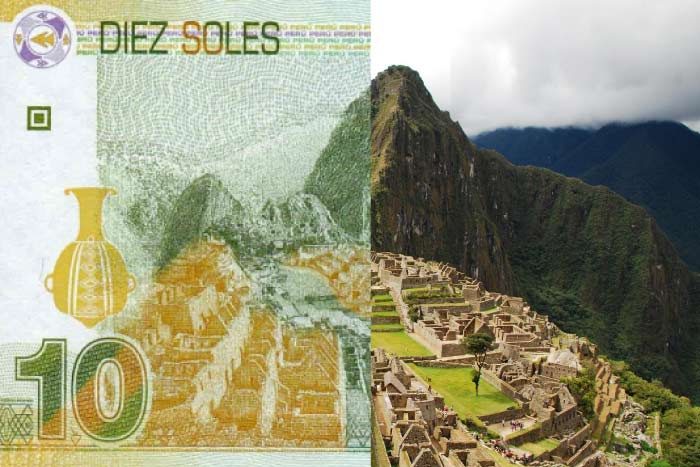
6. Carry Cash in Soles
Some villages and small establishments along the trek only accept Peruvian Soles, so carry enough cash for meals, souvenirs, or additional activities. Cards are usually accepted only in larger towns.
7. Health and Safety Precautions
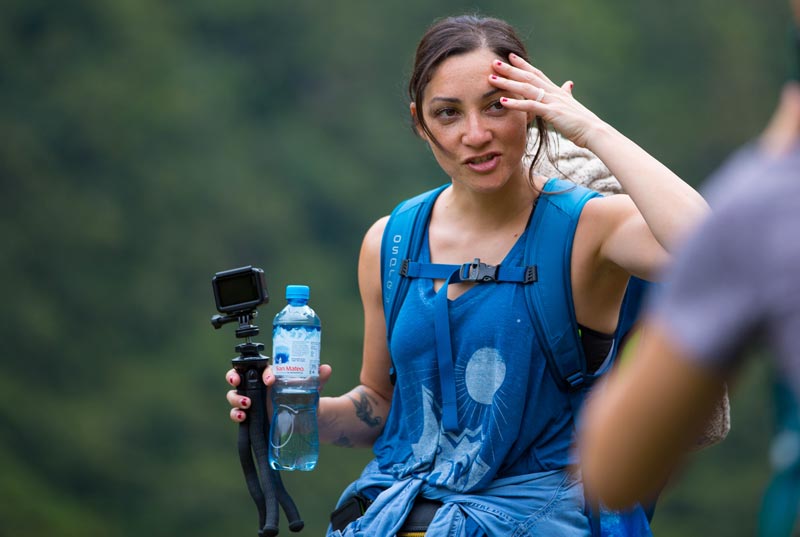
- Drink plenty of water to prevent dehydration
- Apply sunscreen frequently to avoid sunburn at high altitudes
- Take mosquito repellent for jungle sections
- Follow your guide’s instructions for adventure activities like biking, rafting, or ziplining

Why Choose the Inca Jungle Trek?
The Inca Jungle Trek stands out as an exceptional choice for travelers seeking a unique and versatile adventure. It combines flexibility, diversity, and excitement in a single journey, offering an alternative for those who want more than a traditional hike. Unlike other routes, this trek allows you to customize your experience, including multiple activities—trekking, mountain biking, rafting, and optional ziplining—all in one seamless itinerary.
Even when popular trails are crowded or permits are limited, this adventure remains accessible, making it perfect for travelers who value spontaneity, convenience, and a less conventional route.
The trek provides a well-balanced mix of adrenaline, cultural immersion, and natural beauty. You’ll traverse a variety of landscapes, from high-altitude mountains and Andean valleys to cloud forests and tropical jungle. Along the way, you can witness local traditions, interact with small village communities, and gain insights into regional history and agricultural practices that have been maintained for centuries.
This journey is designed to appeal to both adventure seekers and culture enthusiasts. Trekkers experience thrilling outdoor activities while enjoying breathtaking scenery, discovering hidden archaeological sites, and learning about the lifestyle and customs of local Andean and jungle communities. The route also offers opportunities to see rare wildlife, exotic plants, and cascading waterfalls that enrich the experience beyond the physical challenge.
Moreover, the Inca Jungle Trek allows for a more intimate connection with the environment. Smaller group sizes, less crowded paths, and thoughtfully arranged accommodations and guides ensure a personal and immersive adventure. This makes it ideal for travelers looking for meaningful interactions with nature and culture while still embracing the excitement of an active journey.
Ultimately, the Inca Jungle Trek is perfect for anyone seeking an adventure that is dynamic, enriching, and truly unforgettable. It combines adrenaline, cultural insights, and scenic wonders into a single, well-curated experience, leaving travelers with memories and stories that will last a lifetime.