



You have your dates set, you are staring at Google Flights looking for the best deals to Cusco, and you are ready to embark on the adventure of a lifetime in Peru. But you have hit a massive roadblock. Choosing between the Inca Trail vs Salkantay is the ultimate dilemma for anyone planning a trek to Machu Picchu.
You want the jaw-dropping scenery, you want the challenge, but you also want to make sure you are picking the route that fits your travel style, budget, and fitness level. If you are confused by the endless forums comparing the Inca Trail vs Salkantay vs Machu Picchu, you are not alone.
In this comprehensive guide, we will break down exactly what you need to know. From the salkantay trek vs inca trail cost to the day-by-day difficulty, we will help you make a confident decision so you can finally book your trip.
Understanding the Basics: Trails vs. The Destination
First, let’s clear up a common misconception for first-time visitors searching for inca trail vs machu picchu. Machu Picchu is the ancient citadel and your final destination. The Inca Trail and the Salkantay Trek are simply two different mountainous routes you can hike to get there.
While taking a train from Cusco is an option, trekking through the Andes is the most rewarding way to arrive. These treks are the crown jewels of cusco tours tradicionales (traditional Cusco tours), but they offer vastly different experiences.
The Classic Inca Trail: Stepping Through History
The Classic Inca Trail is arguably the most famous hike in South America. Over four days and three nights, you will walk 26 miles (42 km) along original cobblestone pathways built by the Inca Empire over 500 years ago.
Why Choose the Inca Trail?
The biggest draw of this route is the history. You are not just hiking; you are exploring exclusive archaeological sites like Wiñay Wayna and Phuyupatamarca that cannot be reached by road or train.
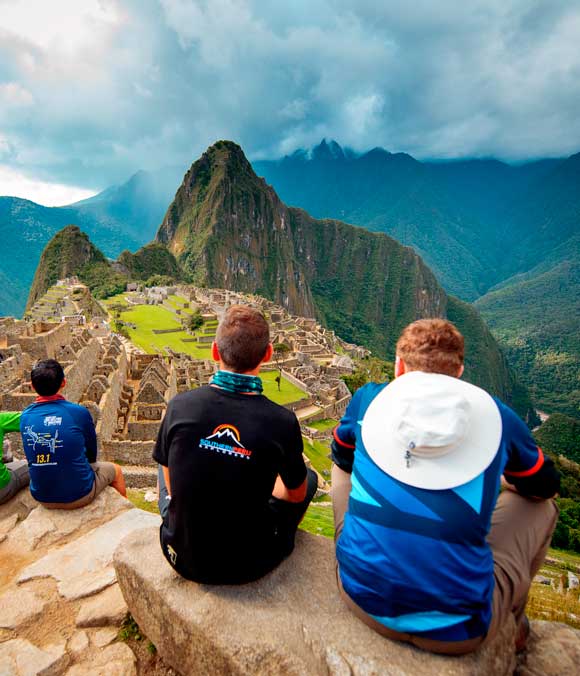
Furthermore, this is the only trek that allows you to walk straight into the citadel via the Sun Gate Inca Trail (Inti Punku) at sunrise. Seeing the morning mist clear over Machu Picchu right from the trail is an emotional, unforgettable experience.
The Drawbacks of the Inca Trail
The exclusivity comes at a price. The Peruvian government strictly limits access to 500 people per day (including porters and guides). This means permits sell out 5 to 6 months in advance. If you are planning a last-minute trip, this route is likely off the table.
The Salkantay Trek: Wild Scenery and High Altitudes
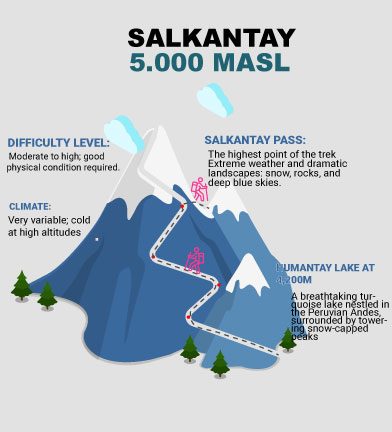
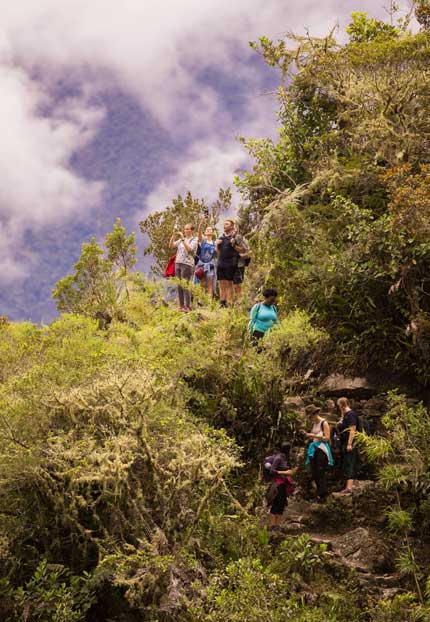
If the Inca Trail is for the history buff, the Salkantay Trek is for the ultimate nature lover. This 5-day, 4-night expedition covers roughly 46 miles (74 km) and takes you through completely diverse microclimates, from freezing glacial peaks to humid, lush cloud forests.
Why Choose the Salkantay Trek?
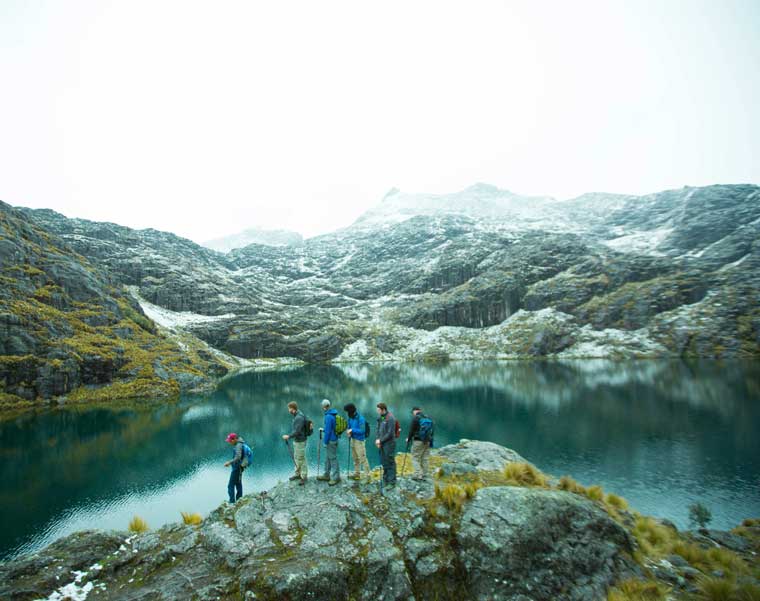
National Geographic routinely names Salkantay one of the best treks in the world, and it is easy to see why. You will stand in the shadow of Mount Salkantay, hike up to the stunning turquoise waters of Humantay Lake, and sleep under some of the clearest, darkest skies in the world.
Because it is not regulated by government permits in the same way, you do not need to book half a year in advance. It also feels much wilder and less crowded than the classic route.
The Drawbacks of Salkantay
You do not get to hike through the Sun Gate. Instead, your trek ends in the town of Aguas Calientes, where you will spend the night in a hotel before taking a bus up to Machu Picchu the following morning.
Inca Trail vs Salkantay Difficulty: Which is Harder?
When analyzing inca trail vs salkantay difficulty, you have to look at altitude and distance.
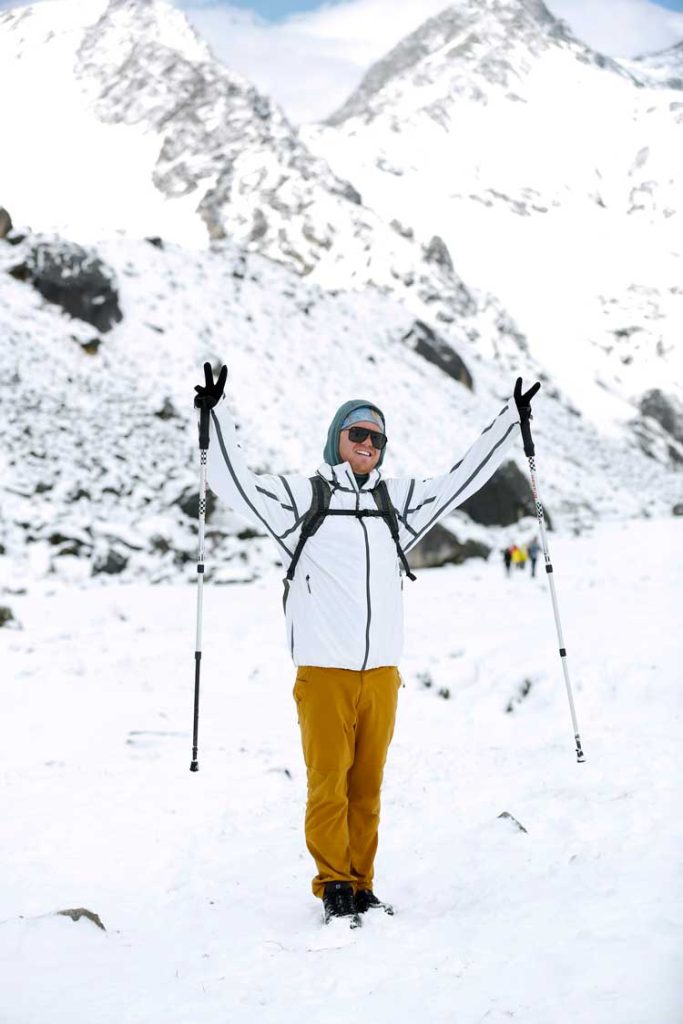
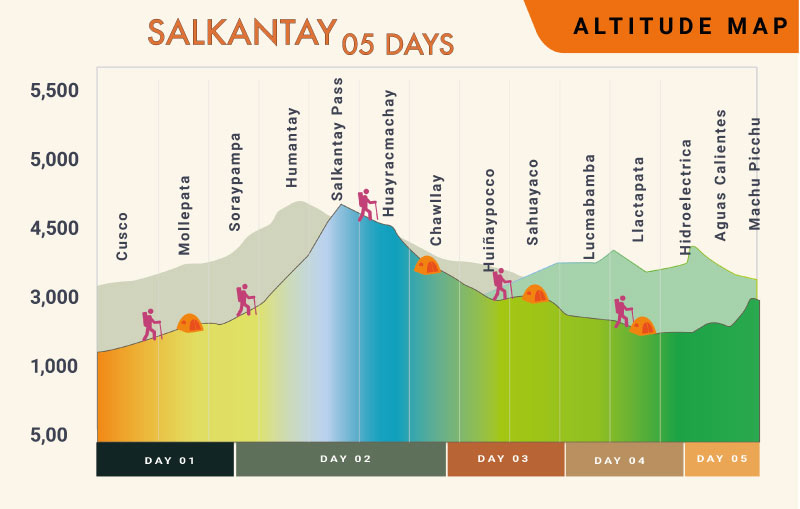
The Salkantay Trek is physically more demanding. You are hiking significantly longer distances each day. The defining challenge is the Salkantay Pass on Day 2, which pushes you up to a staggering 15,090 ft (4,600 m). At this altitude, the air is thin, and altitude sickness is a real risk if you haven’t acclimatized properly in Cusco for at least two days.
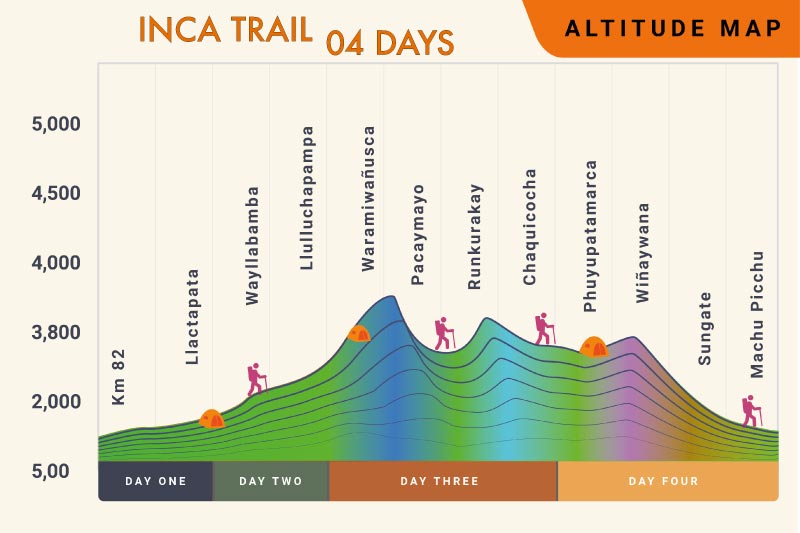
The Classic Inca Trail is shorter, but it is famous for its relentless stairs. “Dead Woman’s Pass” (Warmiwañusca) is the highest point at 13,828 ft (4,215 m), requiring you to conquer thousands of steep, uneven stone steps. While the altitude isn’t quite as extreme as Salkantay, the strain on your knees is intense.
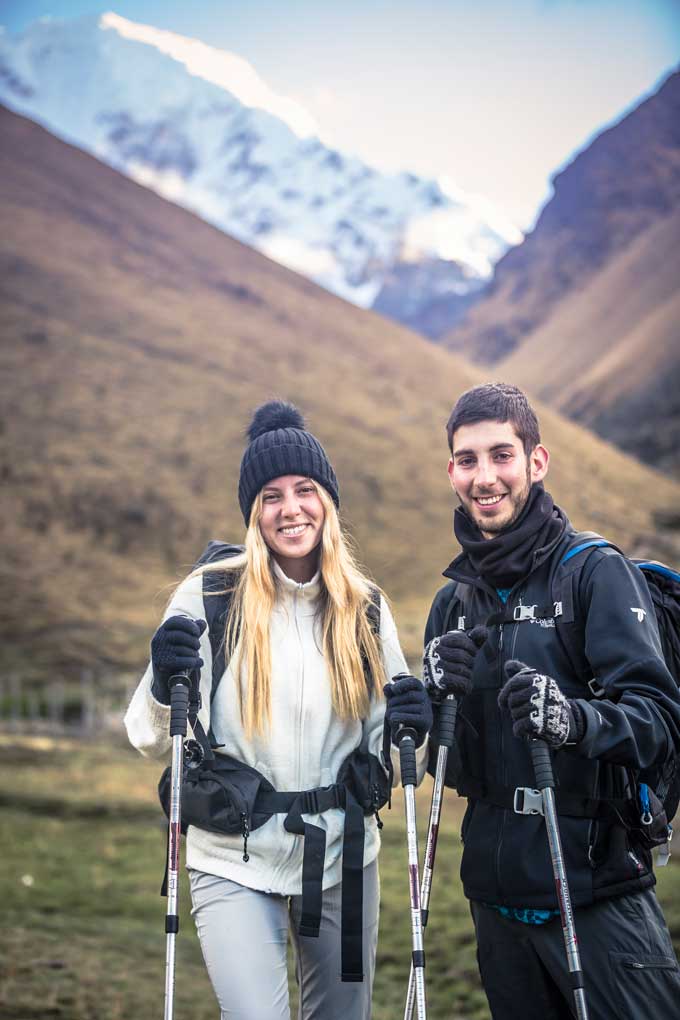
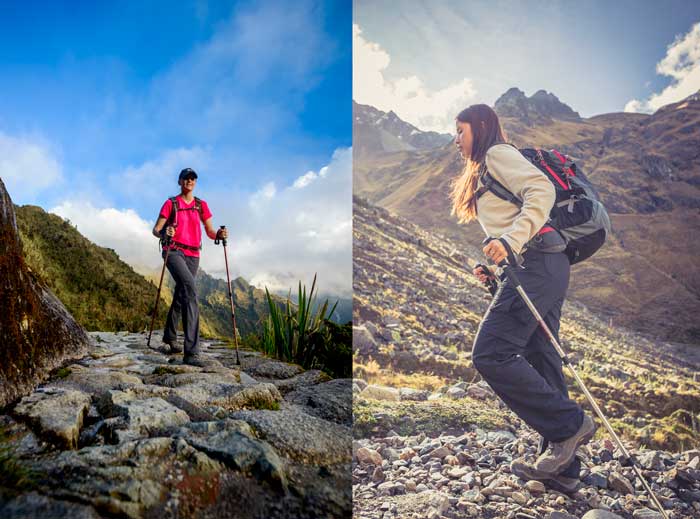
Expert Tip: Regardless of which trek you choose, bring high-quality trekking poles with rubber tips. Your knees will thank you on the steep descents.
Salkantay Trek vs Inca Trail Cost
Budget is a major deciding factor for many travelers. Let’s break down the realistic costs (in USD) based on booking with the best inca trail tour companies.
- Inca Trail Cost: Expect to pay between $700 to $1,000+ per person. This higher price tag is due to the expensive government permits, the cost of train tickets back to Cusco, and the wages for the dedicated porters required on this route (pack animals are not allowed on the original stone paths).
- Salkantay Trek Cost: Generally more affordable, ranging from $450 to $700 per person. Because mules and horses can be used to carry gear, logistics are cheaper. You can also opt for luxury “lodge-to-lodge” Salkantay tours, which can jump to $2,000+, but standard camping is very budget-friendly.
Remember that prices fluctuate depending on whether you travel during the wet season (November-April) or the dry season (May-October), which peaks around local holidays like Inti Raymi in June.
Quick Comparison: The Trail Breakdown
To help you visualize the differences, here is a clear breakdown. If you are studying a salkantay trek vs inca trail map, this table summarizes what those routes actually mean for your daily routine.
| Feature | The Classic Inca Trail | The Salkantay Trek |
| Duration | 4 Days / 3 Nights | 5 Days / 4 Nights |
| Distance | 26 miles (42 km) | 46 miles (74 km) |
| Max Altitude | 13,828 ft (4,215 m) | 15,090 ft (4,600 m) |
| Difficulty | Moderate to Challenging (Steps) | Challenging (High Altitude) |
| Average Cost | $700 – $1,000+ USD | $450 – $700 USD |
| Arrival at Ruins | Via the Sun Gate on foot | Via bus from Aguas Calientes |
| Scenery Focus | Incan Ruins, Cloud Forest | Glaciers, Lakes, Jungle |
| Booking Window | 6 Months in advance | 1-2 Months in advance |
Salkantay vs Inca Trail Reviews: What Do Travelers Say?
When reading salkantay vs inca trail reviews on major travel forums, clear trends emerge.
History buffs and first-time hikers usually rave about the Inca Trail. They mention the profound feeling of walking exactly where the Incas walked, and the emotional impact of the Sun Gate arrival.
Conversely, seasoned backpackers and outdoor enthusiasts often prefer Salkantay. Reviews frequently highlight the dramatic shift in landscapes—waking up in freezing glacial valleys and ending the day surrounded by banana trees and coffee plantations.
Exploring Other Options: Inca Trail vs Lares Trek
If neither of these sounds perfect, you might want to look into the inca trail vs lares trek.
The Lares Trek is often called the “cultural route.” It is less physically demanding than Salkantay and does not require the strict permits of the Inca Trail. Instead of ruins, this 3-day trek focuses on passing through remote, traditional Andean weaving villages where you can interact with locals living much as their ancestors did.
Frequently Asked Questions (FAQs)
Can a beginner hike the Inca Trail or Salkantay?
Yes, physically fit beginners can complete either trek, but preparation is key. Engage in a solid cardiovascular training routine involving stair climbing and hiking with a weighted daypack for at least two months before your trip.
Which trek is better for avoiding crowds?
The Salkantay Trek is generally less crowded. While the Inca Trail limits daily numbers, those 500 people are all navigating the same narrow path and campsites. Salkantay is more expansive, allowing groups to spread out.
Do I need a guide for these treks?
By Peruvian law, you absolutely must have a licensed guide to hike the Classic Inca Trail. While the Salkantay Trek can technically be done independently, we highly recommend a guided tour for safety, logistical support, and navigating the high-altitude passes.
What is the best time of year to hike?
The dry season, spanning from May to October, offers the best trekking conditions for both routes. May and September are optimal “shoulder months” offering great weather with slightly fewer crowds than June and July.
Conclusion: Which Should You Choose?
Choosing between the Inca Trail vs Salkantay ultimately comes down to what you value most in an adventure.
If walking in the footsteps of ancient royalty, exploring hidden ruins, and crossing the legendary Sun Gate are on your bucket list, the Classic Inca Trail is your undisputed champion. Just be sure to secure your permits early!
If you prefer dramatic, wild landscapes, towering snow-capped mountains, a tougher physical challenge, and a more budget-friendly price point, the Salkantay Trek will leave you absolutely breathless.
Ready to conquer the Andes? Do not let permits sell out or peak season prices catch you off guard. Contact our expert travel designers today, and let us help you plan the ultimate, perfectly tailored itinerary to Machu Picchu. Would you like me to help you find the best tour operators in Cusco for your specific travel dates?