




Prepare for High-Altitude Adventure in the Heart of the Peruvian Andes
Conquer the Andes with confidence and make the most of your journey to Machu Picchu.
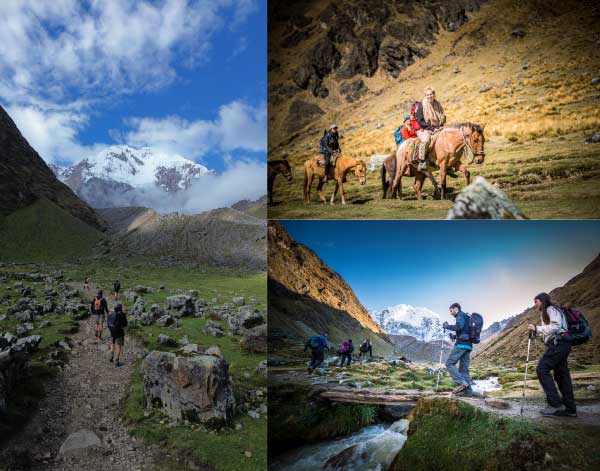
The Salkantay Trek is one of Peru’s most spectacular adventures, combining towering snow-capped mountains, turquoise lakes, cloud forests, and breathtaking views of the Andes. Unlike the Classic Inca Trail, the Salkantay route reaches higher elevations, making proper preparation essential for a safe and enjoyable experience.
Whether you’re an experienced trekker or embarking on your first multi-day hike, understanding how altitude affects your body can make all the difference.
This guide covers everything you need to know about altitude on the Salkantay Trek and how to prepare for an unforgettable journey to Machu Picchu.
Why Altitude Matters on the Salkantay Trek
One of the biggest challenges of the Salkantay Trek is the elevation.
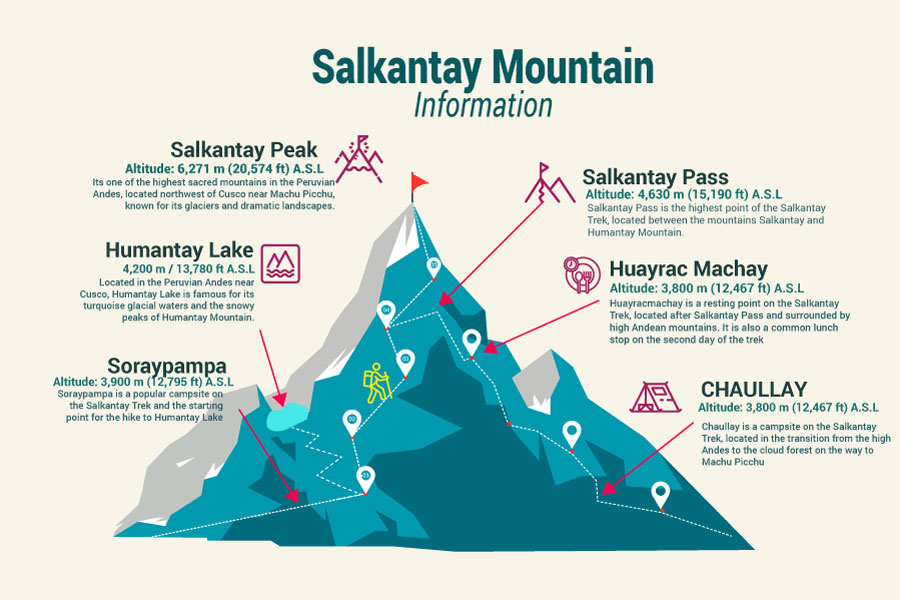
The trail climbs high into the Peruvian Andes, reaching the famous Salkantay Pass, the highest point of the trek.
Key Elevations Along the Route
| Location | Altitude |
|---|---|
| Cusco | 3,399 m (11,152 ft) |
| Soraypampa | 3,900 m (12,795 ft) |
| Humantay Lake | 4,200 m (13,780 ft) |
| Salkantay Pass | 4,650 m (15,255 ft) |
| Aguas Calientes | 2,040 m (6,692 ft) |
| Machu Picchu | 2,430 m (7,972 ft) |
At these elevations, the air contains less oxygen, which may lead to symptoms of altitude sickness if your body has not had enough time to adjust.
What Is Altitude Sickness?
Altitude sickness, also known as Acute Mountain Sickness (AMS), can affect anyone regardless of age or fitness level.
Common symptoms include:
✔ Headache
✔ Shortness of breath
✔ Fatigue
✔ Nausea
✔ Dizziness
✔ Difficulty sleeping
The good news is that most cases are mild and can be prevented with proper acclimatization and preparation.
Arrive in Cusco Early
The Golden Rule: Acclimatize First
One of the most important tips for a successful Salkantay Trek is to spend at least 2 to 3 days in Cusco before starting your hike.
This allows your body to adapt gradually to the altitude and significantly reduces the risk of altitude-related problems.
During your acclimatization days, consider exploring:
- Sacred Valley
- Pisac
- Ollantaytambo
- Cusco Historic Center
These destinations offer fantastic sightseeing opportunities while helping your body adjust naturally.
Stay Hydrated Throughout the Trek
Hydration is crucial at high altitude.
The dry mountain air and physical exertion can quickly lead to dehydration, which often worsens altitude symptoms.
Recommended Daily Intake
- 2 to 4 liters of water per day
- Electrolyte drinks when possible
- Avoid excessive alcohol before and during the trek
A reusable water bottle or hydration pack is highly recommended.
Hike Slowly and Listen to Your Body
Many travelers make the mistake of hiking too fast during the first days.
Remember:
The Salkantay Trek is not a race.
Walking at a steady pace allows your body to adapt more efficiently and conserves energy for the higher sections of the trail.
Experienced mountain guides often follow the local saying:
“Walk slowly, breathe deeply, and enjoy the scenery.”
Eat Light but Fuel Your Adventure
Your appetite may decrease at altitude, but your body still needs energy.
Focus on:
✔ Fresh fruits
✔ Complex carbohydrates
✔ Soups and light meals
✔ Energy snacks for the trail
Many trekking operators provide nutritious meals specifically designed for high-altitude trekking.
Coca Tea and Local Remedies
For centuries, Andean communities have used coca leaves to help alleviate altitude-related discomfort.
Many hotels and trekking lodges in Cusco offer:
- Coca tea
- Coca candies
- Traditional herbal infusions
While these remedies are popular among visitors, they should complement—not replace—proper acclimatization and hydration.

Pack Smart for High Altitude Conditions
Weather on the Salkantay Trek can change dramatically within a single day.
Essential Gear Checklist
Moisture-wicking base layers
✔ Warm fleece or insulated jacket
✔ Waterproof outer shell
✔ Hiking boots with ankle support
✔ Sun hat and sunglasses
✔ Sunscreen (high UV protection)
✔ Trekking poles
✔ Reusable water bottle
✔ Personal medications
Layering is key, as temperatures may range from below freezing in the early morning to warm and sunny afternoons.
The Reward: Crossing Salkantay Pass
Reaching the Salkantay Pass is one of the most rewarding moments of the trek.
Surrounded by towering peaks and panoramic mountain views, hikers experience a true sense of achievement as they stand beneath the majestic snow-covered Salkantay Mountain.
For many travelers, this becomes the highlight of their entire trip to Peru.
Best Time to Hike the Salkantay Trek
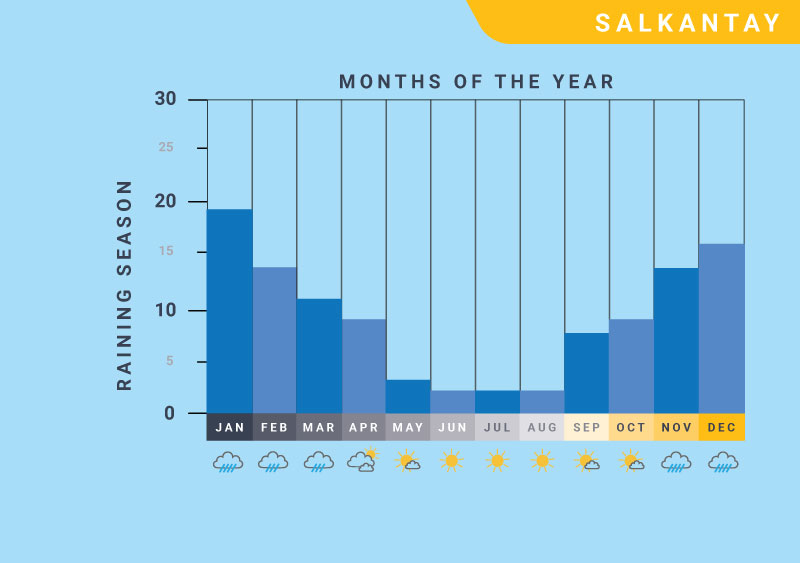
The most popular trekking season runs from:
Dry Season (Recommended)
May to September
Benefits include:
✔ Clear mountain views
✔ Better trail conditions
✔ Less rainfall
✔ Excellent photography opportunities
The shoulder seasons of April and October can also offer great conditions with fewer crowds.
Final Tips for a Successful Salkantay Trek
Before setting off on your adventure, remember these key altitude tips:
✅ Spend 2–3 days acclimatizing in Cusco
✅ Stay hydrated at all times
✅ Walk at a comfortable pace
✅ Eat nutritious meals
✅ Dress in layers
✅ Get plenty of rest
✅ Listen to your body
With proper preparation, the altitude becomes part of the adventure rather than an obstacle.
Ready for Your Salkantay Adventure?
The Salkantay Trek offers some of the most spectacular scenery in South America, from glacial peaks and alpine lakes to lush cloud forests and the legendary arrival at Machu Picchu.
Plan ahead, prepare for the altitude, and get ready to experience one of Peru’s most unforgettable trekking adventures.