



Salkantay Trek Altitude & Weather: What Every Hiker Must Know Before the Trek to Machu Picchu
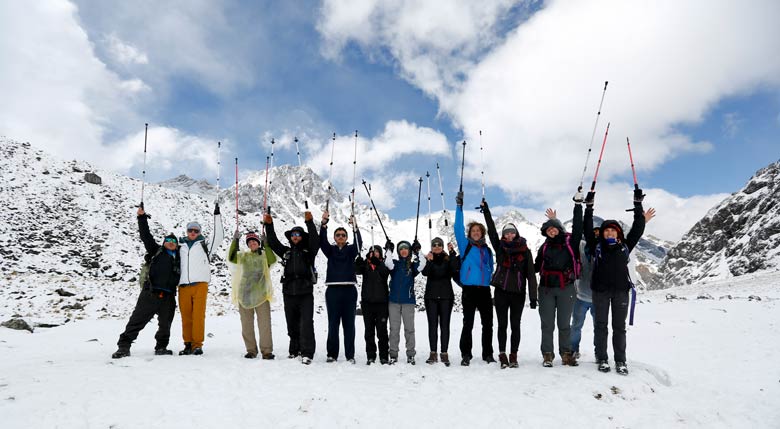
The Salkantay Trek is one of the most exciting trek adventures in Peru, perfect for any hiker looking for an unforgettable route to Machu Picchu. This hike takes you through the dramatic Andes, from snowy peaks around Salkantay Mountain and the turquoise waters of Humantay, to the warm jungle areas that lead toward Aguas Calientes. But because the Salkantay Trek reaches high altitude, especially near the Salkantay Pass, it’s important to understand how weather and elevation can affect your journey.
Weather on the Salkantay trail changes quickly. At the highest point, temperatures can drop below zero, while lower valleys feel mild and pleasant. From November to March, rain and wind become more frequent, making the trek more challenging. Knowing this helps you plan smart and stay comfortable as you move through mountain passes and different Andean climates.
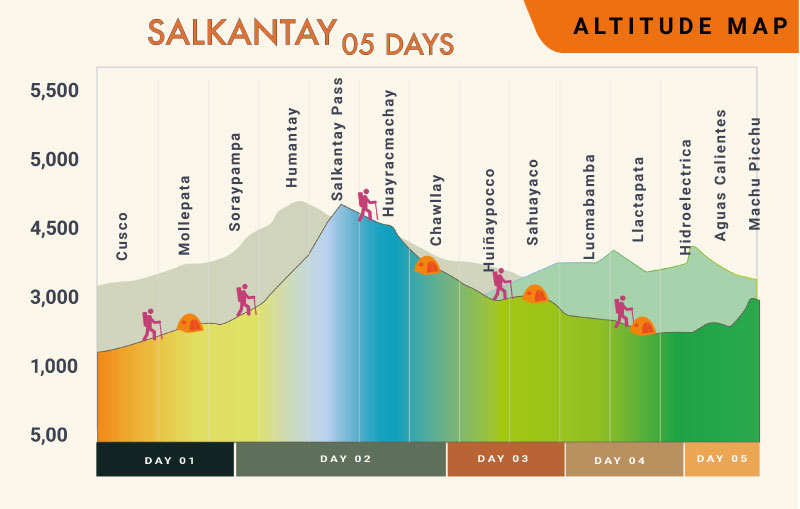
High altitude is another key factor. As you climb above 4,600 meters over sea level, oxygen levels decrease and symptoms like fatigue or altitude sickness can appear. Spending a few days in Cusco for proper acclimatization gives your body time to adjust and makes it easier to complete the Salkantay Trek safely. Many travelers compare the Salkantay Trek vs Inca Trail, but both require preparation and awareness of the Inca highlands.
In this section, you’ll find practical tips from experienced tour operators to help you prepare for Salkantay, manage altitude, understand Salkantay trek difficulty, and follow essential tips for the Salkantay. With the right information, you’ll enjoy every stage of your trek to Machu Picchu, whether you’re on a Salkantay Trek tour, navigating Day 4 in the jungle, or simply choosing the right route for your adventure.
| Zone | Temperature | Conditions |
|---|---|---|
| High Andes | -5°C to 10°C | Cold, windy |
| Mid Valley | 10°C to 20°C | Mild |
| Jungle | 18°C to 28°C | Warm & humid |
Salkantay Trek in Peru: What to Expect From Mountain Weather, Altitude & the Salkantay Pass
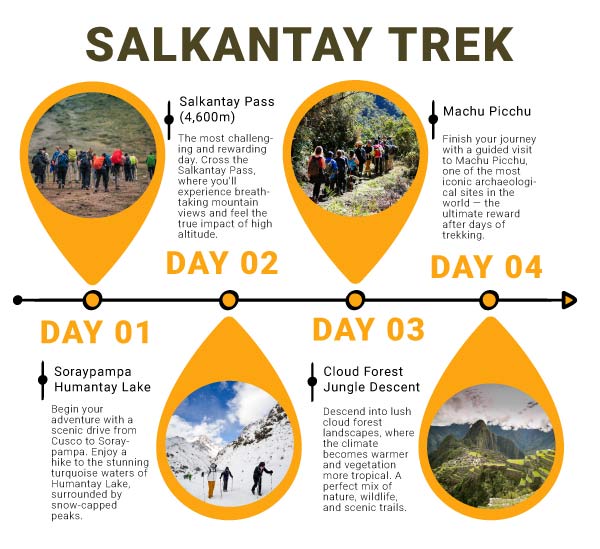
On the Salkantay Trek in Peru, weather changes fast as you move from warm lower valleys into the colder Andes. As you approach Salkantay Mountain and the Salkantay Pass, the highest point of the trek, temperatures drop, winds increase, and the effects of altitude become noticeable. Reduced oxygen levels can cause altitude symptoms or symptoms of altitude sickness, making proper preparation essential.
Spending days in Cusco before starting—ideally a couple of days in Cusco—helps your body adjust to the altitude and improves your chances to complete the Salkantay Trek. Many hikers compare the Salkantay Trek vs the trek vs Inca Trail, but the Salkantay is a long trek with tougher mountain passes and varied climates, especially around day 4, when the Salkantay Trail descends into the jungle. This shift makes the hiking experience more demanding, particularly during the rainy season.
Following practical tips, reliable tips for the Salkantay, and guidance from a salkantay trek guide or a trusted Salkantay Trek tour can help with tips for completing every section. These steps make it easier to hike the Salkantay Trek, manage salkantay trek altitude, and face each point of the Salkantay confidently.
With good preparation and the right tips to help, you’ll progress from Salkantay to Machu Picchu, enjoy the final view of Machu Picchu, and finish your journey with a memorable visit to Machu Picchu—one of the best rewards of any trekking experience on the route to Machu Picchu and the hike to Machu Picchu.
Altitude Challenges on the Salkantay Trek: How to Prevent Altitude Sickness and Make Your Hike Easier
Altitude during the Salkantay Trek is one of the biggest challenges, as the Salkantay route rises to more than 4,600 meters before reaching the Salkantay Pass, the highest altitude and most demanding point of the classic Salkantay Trek. At this higher altitude, oxygen levels drop, which can make breathing harder and cause fatigue during your days of hiking. Even experienced hikers on the classic Inca or Classic Inca Trail can feel symptoms when ascending too quickly.
Because of these conditions, altitude sickness becomes more likely. Headaches, nausea, dizziness and difficulty sleeping can appear at any moment, making your hiking days more challenging. To stay safe, it’s essential to move at a steady pace, take breaks, and avoid rushing—especially in the final push toward the end of your trek.
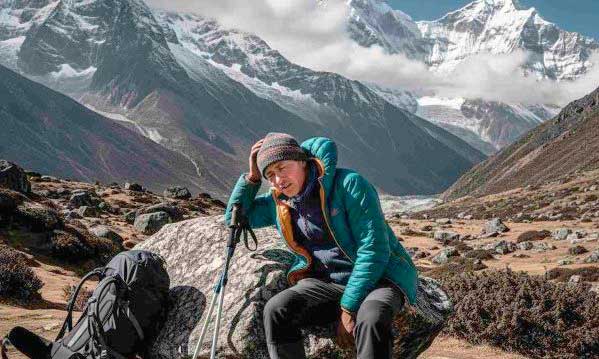
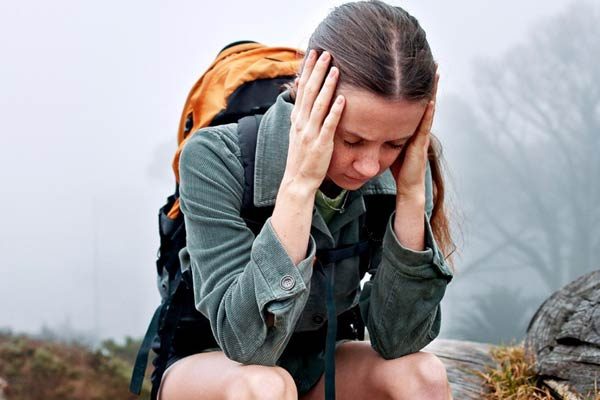
Proper acclimatization is key. Spending a couple of days in Cusco or planning days in Cusco before starting allows your body to adjust, and most experts recommend you spend at least two days at altitude in the days before the hike. Hydration also plays a major role; the air becomes drier as you climb, so drinking water consistently helps your body adapt and reduces risks at higher altitude.
If symptoms worsen, descending is sometimes the safest choice. Lower elevations give your body the extra oxygen it needs to recover before continuing the ascent. Taking time to acclimatize makes it easier to stay strong through the toughest sections and eventually get to Machu Picchu.
With the right preparation, altitude becomes manageable, and you can enjoy the landscapes along the Salkantay Trek to Machu Picchu, appreciate every viewpoint, and look forward to your final visit to Machu Picchu. When your end of your trek arrives and you’re visiting Machu Picchu, all the effort on the Salkantay route will feel worthwhile.
When to Choose the Salkantay Trek: The Best Season to Complete the Route from Cusco to Aguas Calientes
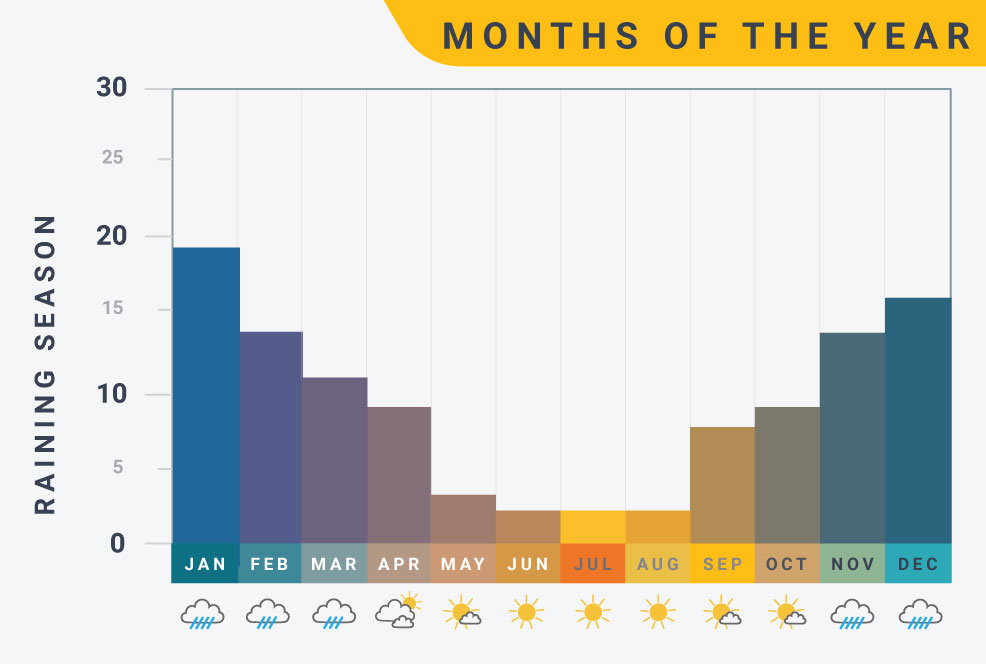
The dry season, which runs from May to October, is the ideal time to do the Salkantay Trek. Because there is less precipitation during these months, the trek is safer and more enjoyable. You can take in breathtaking views of the mountains, glaciers, and valleys you traverse because of the generally consistent weather, which includes sunny days and clear skies. It is crucial to remember that nights, particularly in the upper regions, can be extremely chilly even while the daytime temperatures are reasonable. Particularly in the early morning and evening, temperatures can fall below freezing, so you should pack appropriate gear to be warm. Nonetheless, the trek is more accessible and pleasurable because to these consistent conditions.
However, those who decide to trek during the rainy season, which runs from November to March, face several difficulties. The trails get slick due to the continuous rains during these months, which raises the possibility of falls and accidents, particularly on the steeper parts. Furthermore, fog and rain can impair sight, making it challenging to maneuver and enjoy the breathtaking views the hike has to offer. In addition to making the surroundings uncomfortable, the humidity can harm your equipment and your health.Wet weather can make the walk colder and less enjoyable, affecting your energy and performance.
Although the walk can be done in the wet season, be prepared for anything. Trekkers who opt for this time of year should pack water-resistant gear, including boots, coats, and ponchos, as well as waterproof apparel. Additionally, since the humidity can quickly cause gear to become wet, adding weight and discomfort, it is essential to bring lighter and more useful hiking gear. Furthermore, since the rainy season can bring with it powerful storms that are quick but powerful, it is imperative to be ready for unexpected weather changes.
Stay Safe at Salkantay’s High Altitude: Practical Tips for the Trek to Machu Picchu
To guarantee a successful and safe trip, safety at the high elevations of the Salkantay Trek is essential. The harsh weather at high elevations might challenge your mental and physical fortitude; thus additional care must be taken to prevent any mishaps. The following crucial advice will help you stay safe while trekking at high elevations.
One of the most frequent hazards on the Salkantay Trek is altitude sickness, which can cause everything from minor headaches to nausea, dizziness, and intense exhaustion. It’s critical to pay attention to these symptoms if you encounter any. Before continuing take a moment to rest and let your body heal. If the symptoms develop or persist, it is advisable to descend to a lower altitude. Never undervalue the effects of altitude sickness since, if left untreated, they can get worse very quickly. Put your health and well-being first at all times.
Because the air is drier at high altitudes and might lead you to lose fluids more quickly, dehydration can exacerbate the effects of altitude sickness. It’s crucial to stay hydrated throughout the hike, even if you don’t feel thirsty. Keep an adequate supply of water on hand and remember to take frequent, tiny sips. Additionally, since some of the sources you come across along the trip might not be drinkable, think about utilizing purification tablets or a filtration system to make sure the water is clean.
Proper acclimatization is one of the most crucial things you can do to avoid altitude issues. To give your body time to acclimate, try to spend a day or two in Cusco or another high-altitude place before starting the trek. During those days, relax and avoid overexerting yourself. Altitude sickness risks are greatly decreased by gradual acclimatization, which also improves your chances of having a trouble-free hike. Your body requires time to adjust, so don’t rush your climb.
It’s crucial to walk at a steady, patient pace because weariness can build up more quickly at high elevations. Don’t let other hikers’ pace put you under strain because it can make you more susceptible to altitude sickness. Maintain a comfortable and steady pace while taking regular rests to give your body time to heal. In addition to assisting you in better adjusting to the conditions of the walk, moving slowly lets you take in the scenery without endangering your health.
What to Pack for the Salkantay Trek: Essential Packing Guide for Your Adventure to Machu Picchu
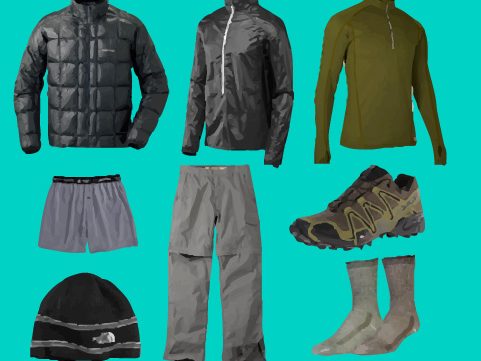
Before starting the Salkantay Trek to Machu Picchu, it is important to pack wisely and bring only what is truly necessary for the route. Traveling light will make the hike through the Andes and jungle areas much more comfortable and enjoyable. Remember that if you are traveling with large suitcases or oversized backpacks, you can leave them at our offices, and carrying a compact backpack with the essential items will allow you to move more easily and enjoy every stage of this unforgettable adventure.