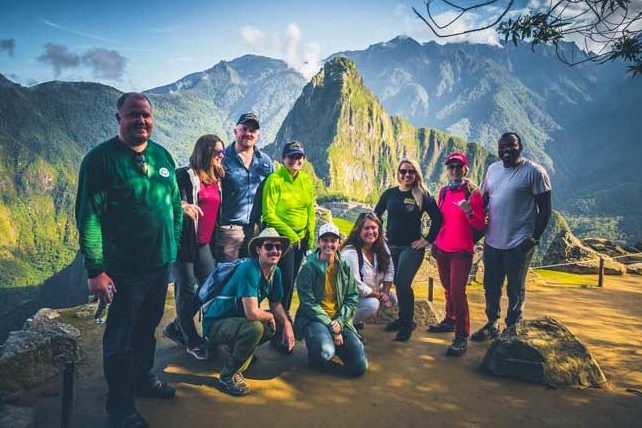




Best Treks in Cusco attract thousands of outdoor enthusiasts every year, making the region one of the world’s top trekking destinations. While most travelers visit to see the iconic Machu Picchu, many soon discover that Cusco offers far more than its famous Inca citadel. Towering snow-capped mountains, ancient stone trails, turquoise glacial lakes, cloud forests, and traditional Andean villages make this region a paradise for hikers.
Whether you’re looking for a challenging multi-day expedition or a scenic one-day hike, Cusco has a trekking route for every type of traveler. Some trails focus on breathtaking mountain scenery, while others immerse visitors in Inca history, local culture, or thrilling outdoor adventures.
This guide explores the best treks in Cusco, highlighting what makes each route unique, who it is best suited for, and how to choose the perfect trek for your next trip to Peru.
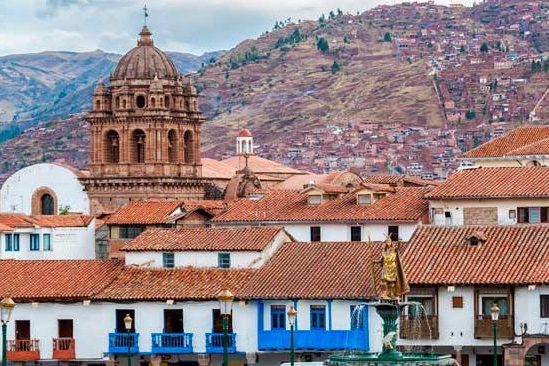
Why is Cusco One of the Best Trekking Destinations in the World?
Few places offer such a remarkable combination of natural beauty, cultural heritage, and adventure. Trekking in Cusco allows travelers to experience landscapes that range from snow-covered peaks above 6,000 meters to lush cloud forests and tropical valleys.
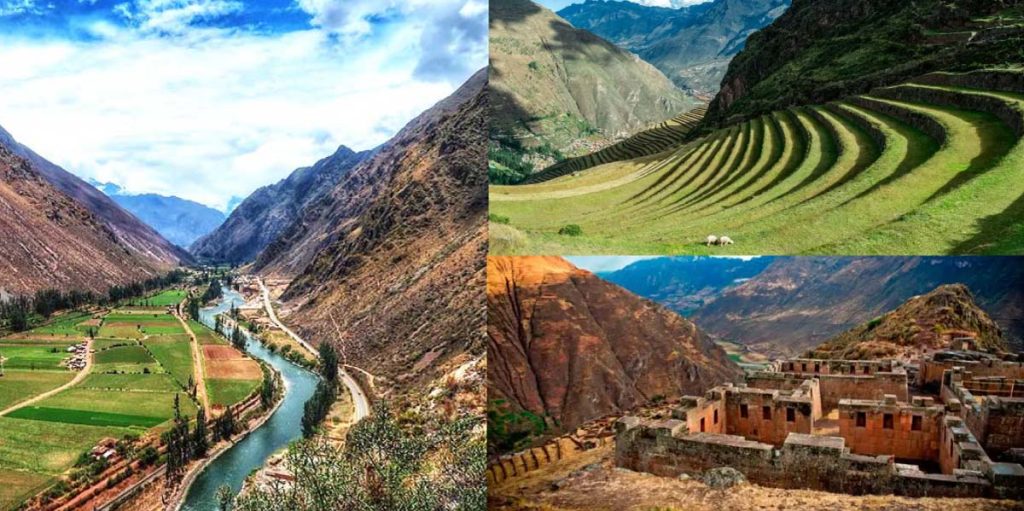
Many of the region’s trails also follow centuries-old Inca roads, leading hikers through archaeological sites that can only be reached on foot. Along the way, you’ll encounter remote villages where local communities continue to preserve traditional customs, colorful textiles, and agricultural practices passed down through generations.
Another reason Cusco stands out is its incredible diversity. Whether you’re interested in history, wildlife, photography, mountain scenery, or physical challenges, there is a trekking route that matches your travel style.
When is the Best Time to Go Trekking in Cusco?
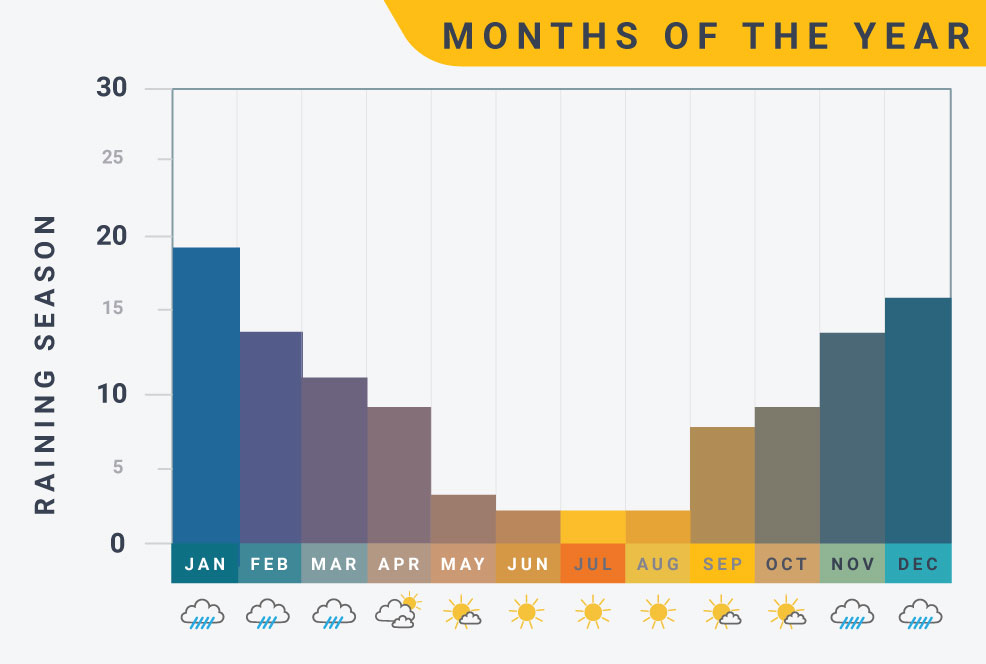
The dry season, from April to October, is widely considered the best time for trekking in Cusco. During these months, hikers can expect sunny days, clear mountain views, and more stable trail conditions.
The rainy season, which runs from November to March, transforms the Andes into vibrant green landscapes. Although there are fewer visitors during this period, rain can make some trails muddy and more demanding. Certain routes may also experience temporary closures or itinerary changes depending on weather conditions.
If your priority is enjoying panoramic mountain views and comfortable hiking conditions, planning your trek during the dry season is highly recommended.
How to Choose the Best Trek in Cusco
Before selecting a trekking route, consider the following factors:
- Your physical fitness level.
- The number of days available for your trip.
- Whether you want to reach Machu Picchu.
- Your interest in history, nature, or adventure.
- Previous experience hiking at high altitude.
Some routes are perfect for beginners, while others require excellent endurance and prior trekking experience.
Inca Trail: The Most Iconic Trek to Machu Picchu
The Classic Inca Trail is undoubtedly Peru’s most famous trekking route and one of the most celebrated hikes in the world. This legendary trail follows original Inca pathways built over 500 years ago, crossing mountain passes, cloud forests, and impressive archaeological sites before reaching Machu Picchu through the famous Sun Gate (Inti Punku).
Unlike other routes, the Inca Trail offers exclusive access to several Inca ruins that cannot be visited by train passengers.
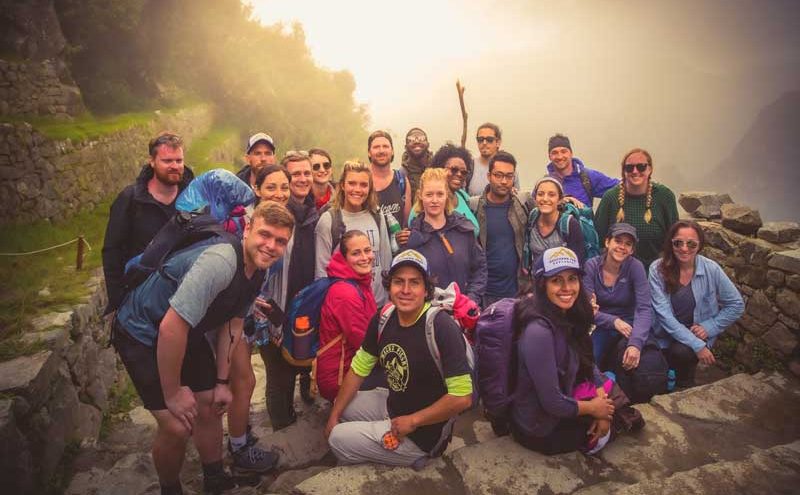
Why choose the Inca Trail?
- The most historic trekking route in Peru.
- Direct entrance to Machu Picchu through the Sun Gate.
- Incredible combination of archaeology and nature.
- One of the world’s most prestigious hiking experiences.
Duration: 4 days (also available as a 2-day version)
Difficulty: Moderate to challenging
Best for: Travelers who want the classic Machu Picchu experience and are interested in Inca history.
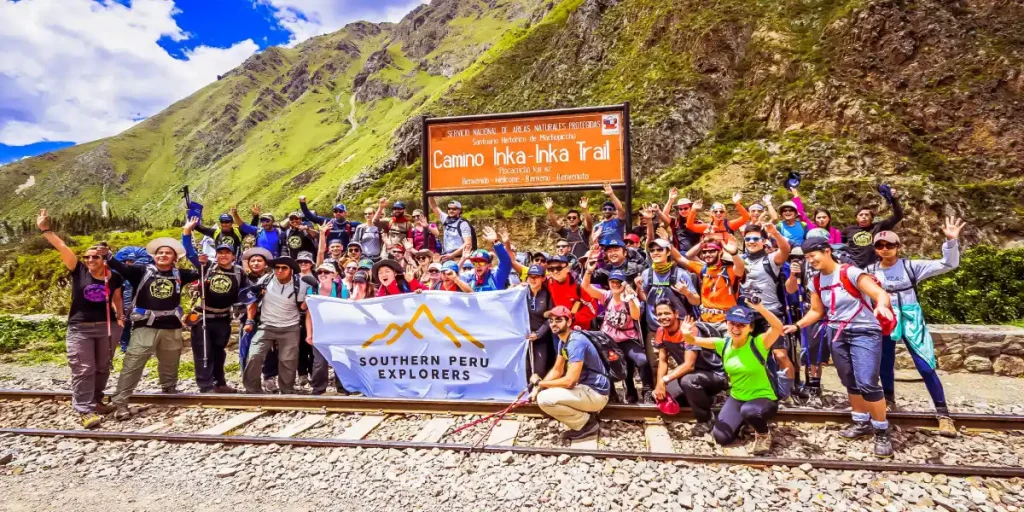
Salkantay Trek: The Best Alternative to the Inca Trail
The Salkantay Trek is often considered the most scenic route to Machu Picchu. Instead of following ancient stone roads, hikers travel through dramatic mountain landscapes dominated by the majestic Salkantay Mountain, one of the highest and most sacred peaks in the Andes.
One of the highlights is the breathtaking Humantay Lake, famous for its crystal-clear turquoise waters. As the trek progresses, the scenery changes dramatically from alpine terrain to lush cloud forests and subtropical vegetation.
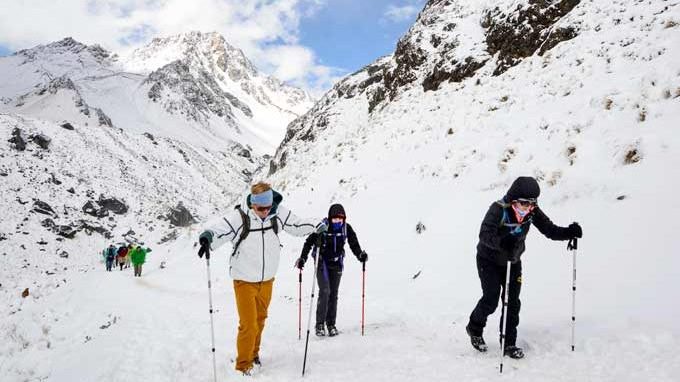
Why choose the Salkantay Trek?
- Spectacular mountain scenery.
- Diverse ecosystems.
- Fewer permit restrictions than the Inca Trail.
- Excellent option for nature lovers.
Duration: 5 days
Difficulty: Moderate to challenging
Best for: Travelers seeking stunning landscapes and a physically rewarding adventure.
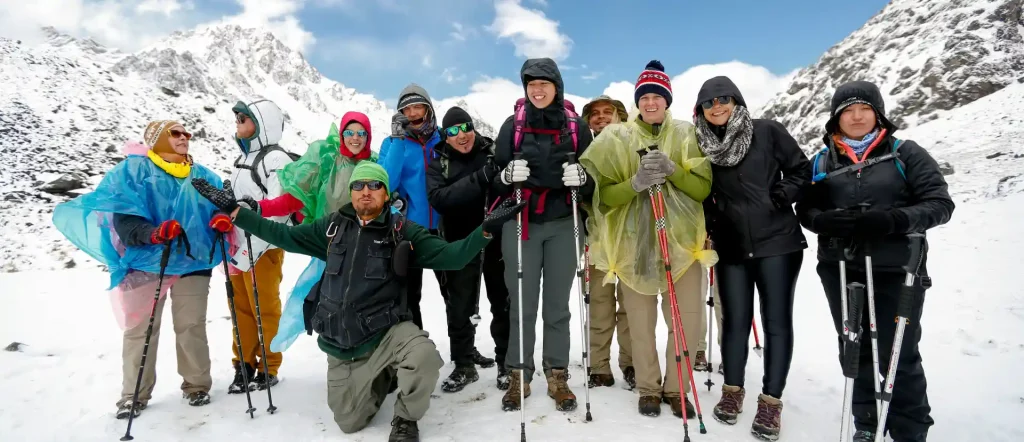
Inca Jungle Trek: Adventure Beyond Hiking
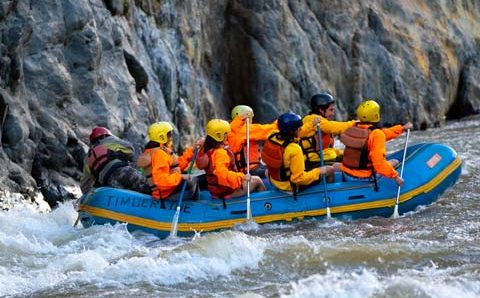
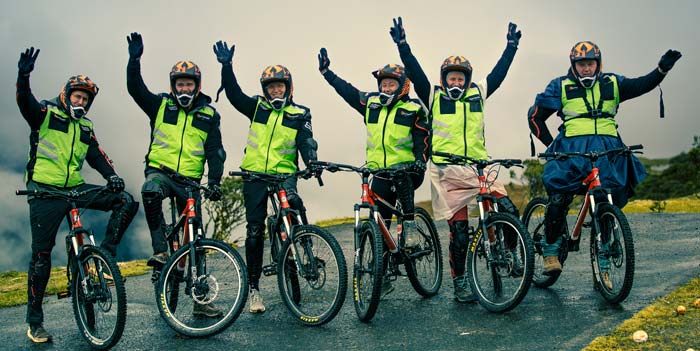
The Inca Jungle Trek offers a completely different experience by combining trekking with exciting outdoor activities. Instead of focusing solely on hiking, this route includes mountain biking, white-water rafting, ziplining, and jungle walks before reaching Machu Picchu.
The journey passes through high mountains, coffee plantations, tropical forests, and small villages, offering travelers an exciting mix of adventure and cultural experiences.
Why choose the Inca Jungle Trek?
- Combines multiple adventure activities.
- Ideal for active travelers.
- Scenic transition from the Andes to the cloud forest.
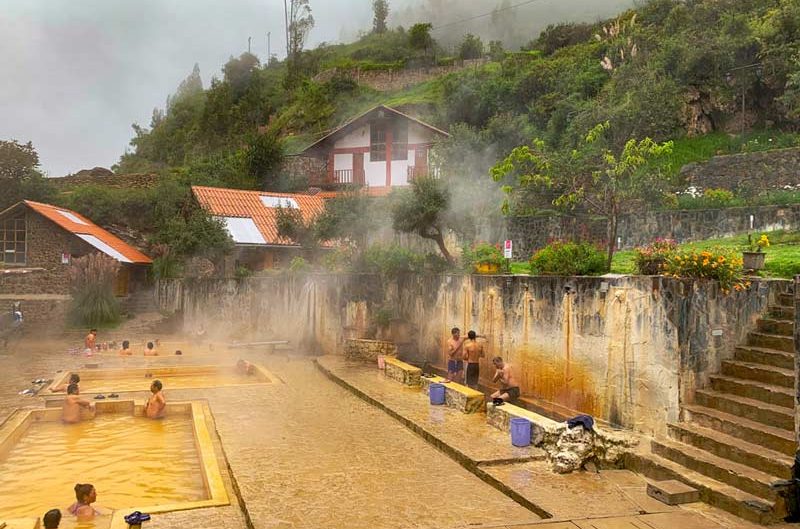
- Relaxing stop at Cocalmayo Hot Springs.
Duration: 4 days
Difficulty: Moderate
Best for: Adventure seekers and travelers looking for more than a traditional hiking experience.
Lares Trek: A Cultural Journey Through the Andes
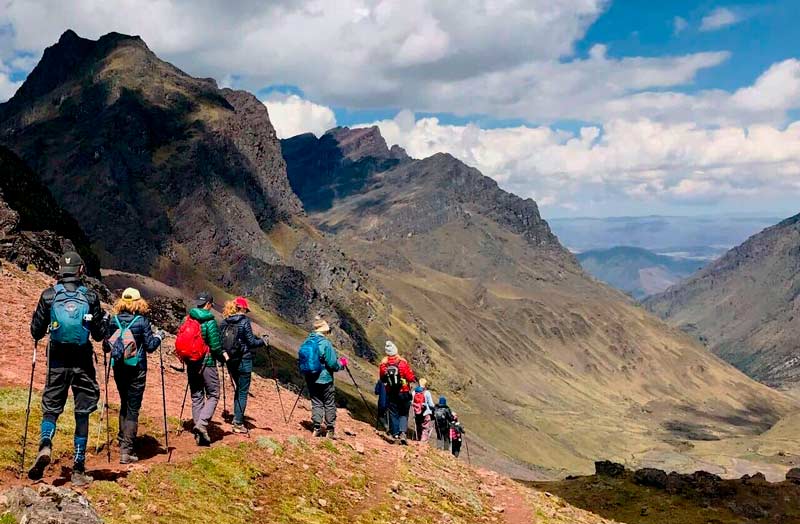
Unlike other popular routes, the Lares Trek focuses on cultural immersion. The trail passes through remote Andean villages where local families continue to live according to centuries-old traditions.
Visitors have the opportunity to observe traditional weaving techniques, farming practices, and daily life while enjoying spectacular mountain scenery, waterfalls, and glacial lakes.
Many itineraries conclude with a visit to Machu Picchu, making this trek an excellent combination of culture and adventure.
Why choose the Lares Trek?
- Authentic cultural experiences.
- Fewer crowds.
- Beautiful mountain landscapes.
- Ideal for travelers interested in local traditions.
Duration: 4 days
Difficulty: Moderate
Ausangate Trek: The Ultimate High-Altitude Challenge
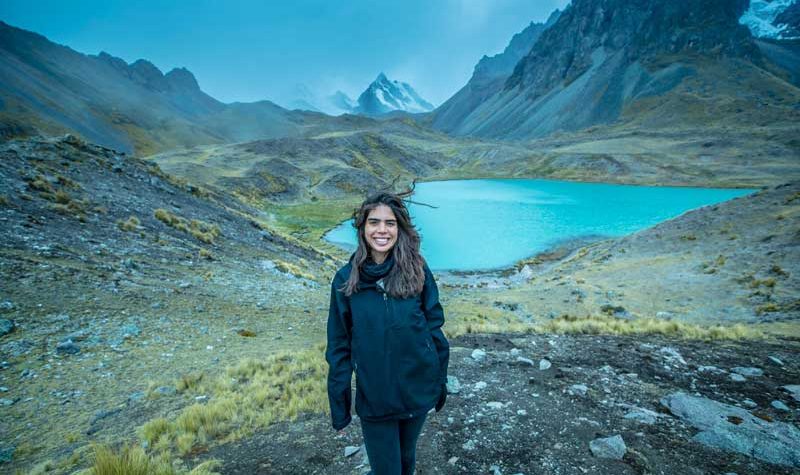
For experienced hikers seeking an unforgettable challenge, the Ausangate Trek is one of Peru’s most spectacular routes.
The trail circles Ausangate Mountain, one of the country’s highest peaks, passing colorful glacial lakes, dramatic valleys, and remote high-altitude landscapes inhabited by alpacas, llamas, and wild vicuñas.
Because much of the route exceeds 4,500 meters above sea level, proper acclimatization and good physical condition are essential.
Why choose the Ausangate Trek?
- Incredible alpine scenery.
- Minimal tourist crowds.
- Excellent wildlife viewing opportunities.
- A true wilderness experience.
Duration: 5 to 7 days
Difficulty: Challenging
Best for: Experienced hikers looking for a demanding mountain expedition.
Choquequirao Trek: Discover Peru’s Hidden Inca City
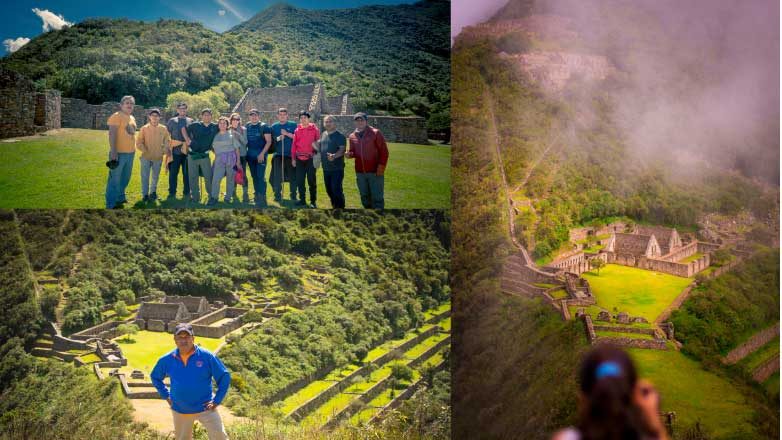
Often referred to as the “sister city of Machu Picchu,” Choquequirao remains one of Peru’s least-visited archaeological sites.
The challenging trek involves steep ascents and descents through the Apurímac Canyon before reaching the impressive Inca complex, where visitors can explore ancient terraces, plazas, and ceremonial structures in relative solitude.
Why choose the Choquequirao Trek?
- Far fewer tourists than Machu Picchu.
- Exceptional archaeological importance.
- Spectacular canyon views.
- A rewarding challenge for experienced hikers.
Duration: 4 to 5 days
Difficulty: Challenging
Huchuy Qosqo Trek: A Perfect Short Adventure
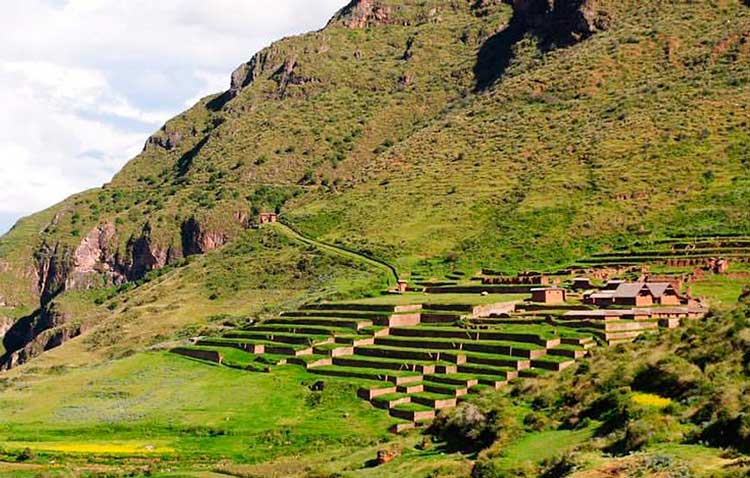
If you’re short on time or prefer a less demanding hike, the Huchuy Qosqo Trek is an excellent choice.
This one- or two-day route leads hikers through peaceful Andean landscapes to the archaeological site of Huchuy Qosqo, where panoramic views of the Sacred Valley await.
Why choose the Huchuy Qosqo Trek?
- Short and accessible.
- Great introduction to trekking in Cusco.
- Incredible viewpoints.
- Ideal for families and beginners.
Duration: 1–2 days
Difficulty: Easy to moderate
Which Trek is Right for You?
Choosing the best trek depends on your interests and travel style.
| Trek | Duration | Difficulty | Maximum Altitude | Best For | Ends at Machu Picchu |
|---|---|---|---|---|---|
| Inca Trail | 4 Days / 3 Nights | Moderate | 4,215 m (13,828 ft) | History lovers and first-time visitors | Yes |
| Salkantay Trek | 5 Days / 4 Nights | Moderate to Challenging | 4,650 m (15,255 ft) | Nature lovers and adventure seekers | Yes |
| Inca Jungle Trek | 4 Days / 3 Nights | Moderate | 4,316 m (14,160 ft) | Adventure travelers | Yes |
| Lares Trek | 4 Days / 3 Nights | Moderate | 4,450 m (14,600 ft) | Cultural experiences and scenic landscapes | Yes |
| Ausangate Trek | 5–7 Days | Challenging | 5,200 m (17,060 ft) | Experienced hikers | No |
| Choquequirao Trek | 4–5 Days | Challenging | 3,300 m (10,827 ft) | Archaeology lovers and off-the-beaten-path adventures | No |
| Huchuy Qosqo Trek | 1–2 Days | Easy to Moderate | 4,200 m (13,780 ft) | Beginners and short hikes | No |
| Quarry Trail | 4 Days / 3 Nights | Moderate | 4,450 m (14,600 ft) | Travelers looking for a quieter alternative | Yes |
Essential Tips Before Your Trek
Preparing properly can make a significant difference in your trekking experience.
Before setting out, spend at least two days acclimatizing in Cusco to reduce the risk of altitude sickness. Invest in comfortable hiking boots that have already been broken in, wear layered clothing to adapt to changing mountain temperatures, and carry essentials such as sunscreen, sunglasses, a reusable water bottle, snacks, and a waterproof jacket.
If you’re planning to hike the Inca Trail, remember that permits sell out months in advance, especially during the high season, so early booking is essential.