



Everything you really need to know before Hiking The the Inca Jungle
Aguas Calientes is a small town located in the Andean mountains of Peru, right below the famous Machu Picchu archaeological site. The town has grown considerably in recent years as it has become a hub for tourism, offering various services, accommodations, and transportation options to the millions of tourists who visit the Sacred City each year.
A little bit of history and geography
Situated at 2,000 meters above sea level in the Urubamba River Valley, Aguas Calientes is the farthest part of Cusco within the Sacred Valley. The name «Aguas Calientes» refers to the natural hot springs located in the area.
These hot springs have been used for centuries by local people and visitors. The town’s history is closely linked to the discovery and promotion of Machu Picchu. Despite the Incas’ presence in the region, long before the arrival of the Spanish, the area that is now Aguas Calientes was not widely known until the 20th century.
The modern development of the town began in the early 20th century, when the American explorer Hiram Bingham in 1911 rediscovered the archeological Sacred City. As interest towards the site increased, Aguas Calientes became an inescapable stop for travelers on their way to the ruins. Little by little, the small town has transformed into a tourist hub, offering infrastructure and amenities that cater to the needs of visitors from all over the world.
In addition to its cultural richness, the town is surrounded by stunning natural landscapes, with lush, green mountains. The Urubamba River that flows through the valley is one of the most important geographical features of the region and adds to the natural beauty of the area.
What to expect of Aguas Calientes?
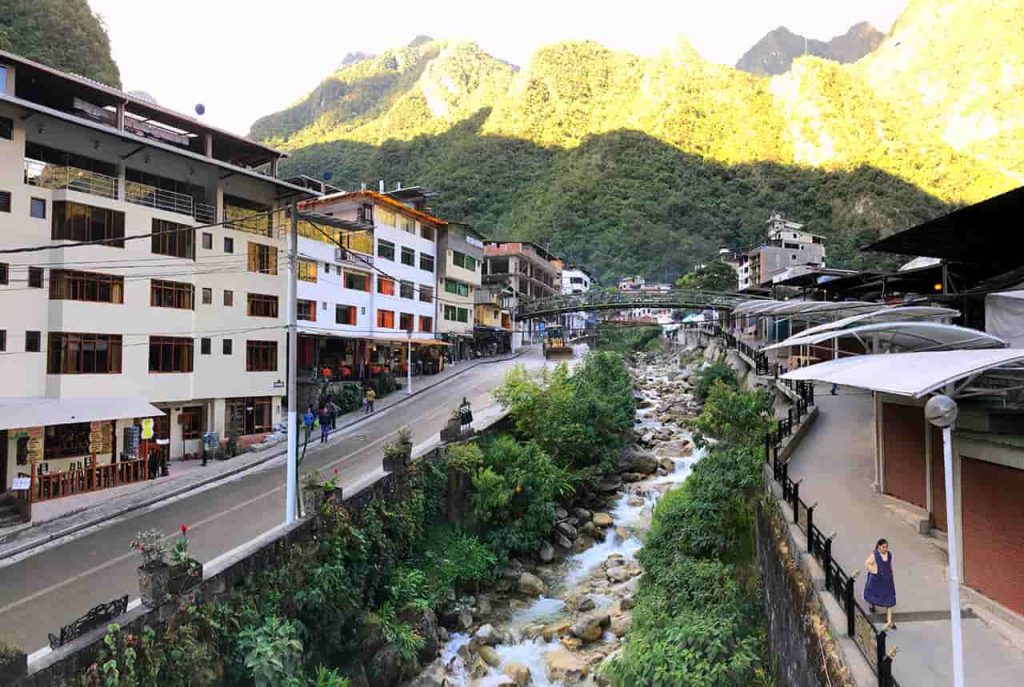
First of all, you have to be prepared not being the only tourist there. Given the town’s status as a major tourist destination, Aguas Calientes offers a wide range of accommodations, from budget hostels to luxury hotels.
No matter the kind of housing you are looking for, you will find a variety of hotels and guesthouses that fit your budget and preferences. Most of these establishments are located near the town’s main square, providing easy access to shops, restaurants, and the train station.
Beyond accommodations, Aguas Calientes has a number of restaurants, cafés, and shops selling souvenirs and other must-have goods to fully enjoy your visit to Machu Picchu and the surrounding areas. The town also has a vibrant market where tourists can purchase Peruvian handicrafts such as textiles, jewelry, or decorative items.
Tourism and Activities in Aguas Calientes
While Aguas Calientes is best known as the gateway to Machu Picchu, the town itself offers several attractions and activities that can enhance your travel experience.
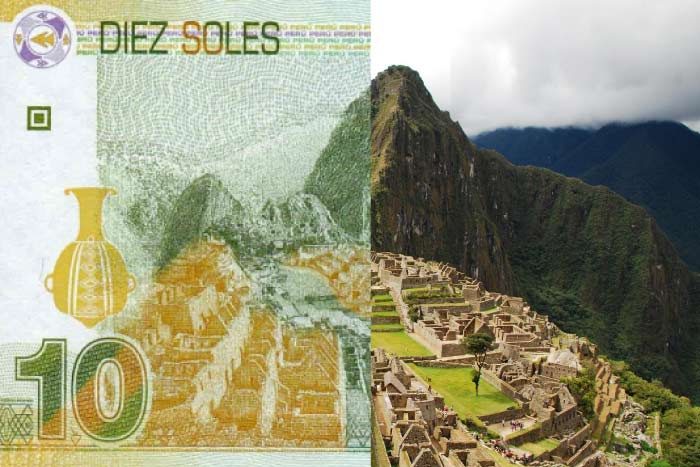
Of course, one of the most popular activities in the town is visiting the Machu Picchu archaeological site itself. You only have to get on a short bus ride from the town center to Machu Picchu’s entrance. It is the most convenient option, although some visitors decide to hike up to the top to catch the sunrise.
Visitors typically spend the day exploring the ancient Inca city. Another popular activity once in Aguas Calientes is to hike to the nearby Huayna Picchu Mountain, which offers panoramic views of Machu Picchu and the surrounding valley. The hike to the summit of Huayna Picchu is steep and challenging, but the rewards are worth it, as it provides one of the most iconic views of the entire site.
Aguas Calientes is also famous for its natural hot springs, which have been a significant attraction for both locals and visitors over time. The thermal baths are located just outside the town and are fed by natural mineral-rich hot springs that flow from the surrounding mountains. These hot springs are believed to have therapeutic properties and are popular among travelers who want to relax, especially after a long day of sightseeing or hiking. They are located in a well-maintained public bathhouse, which features several pools of varying temperatures. Visitors can relieve their tensions while enjoying the beautiful views of the surroundings.
Although it was built after the reign of the Incan civilization, Aguas Calientes is home to many artifacts and remnants of the era. One includes a sacred sculpture used for worship of natural deities, which was found under the river and only rediscovered when modern-day workers went to clean the riverbanks.
While you are here, other places of interest to visit include the butterfly house and research center just outside of the town (on the route back and to Machu Picchu). Not to be missed but often forgotten is Manuel Chavez Ballon Museum which is also just outside the town on the route to the city and your ticket to Machu Picchu provides you a free access to it. It hosts some insightful information, explanations, and ancient artifacts and adds.
Another new attraction has arrived in Aguas Calientes, since January 25, the iconic Paddington Bear has had its official statue in the heart of the town. Following therelease of the eponymous movie, Paddington in Peru, this sculpture is much more than a promotional action. Indeed, donated by the Government of the United Kingdom in collaboration with the Peruvian British Cultural Association, it embodies long-lasting friendship between both countries
Live cultural experiences
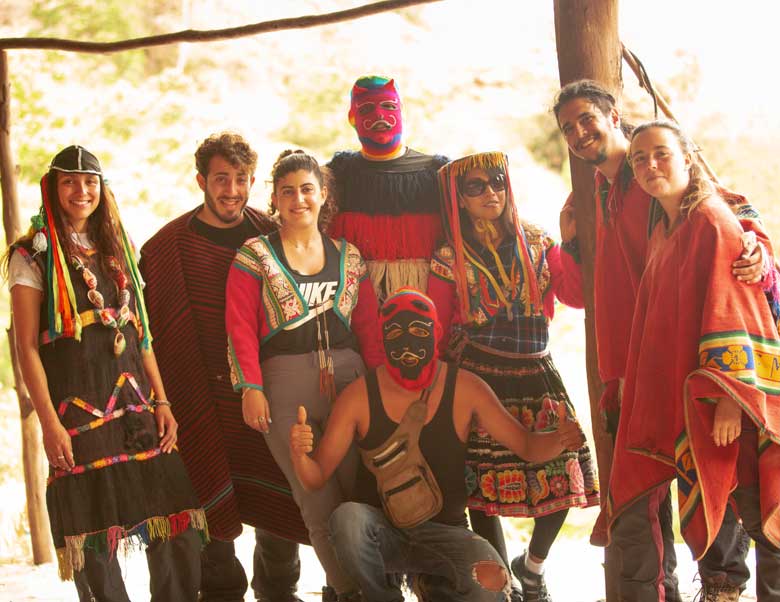
Aguas Calientes is also a place where visitors can experience the culture and traditions of the indigenous Quechua people, who have lived in the region for centuries. The town hosts various festivals and celebrations during the year. Some of the most significant cultural events are the Carnaval parades in March and the Festival of the Sun God (Inti Raymi), which takes place in June. During this time, the town comes alive with colorful parades, music, and dance, providing a unique opportunity for visitors to experience Quechua culture in a lively and festive atmosphere.
How to get to Aguas Calientes?
One of Aguas Calientes´distinguishing features is that it is only accessible by train or by foot, as there are no roads connecting it to the rest of the country. The most common option for travelers is to arrive by train from Ollantaytambo or Poroy (two towns located in the Sacred Valley). The other option is arriving by foot after one of the famous treks leading to Machu Picchu’s town, such as the Inca Trail, the Salkantay trek or the Inca Jungle Trek.
The train journey is a popular option amongst visitors because it offers scenic panorama views on the way to Machu Picchu town, without sacrificing your comfort. Trains are operated by two main companies, and both of them offer various types of services (from basic to luxury ones). The journey takes approximately 4 hours from Ollantaytambo and 5 hours from Poroy, making it a relaxing part of the trip. On board, visitors will be able to enjoy services like panoramic windows, gourmet meals, and live entertainment.
About the challenges due to mass-tourism
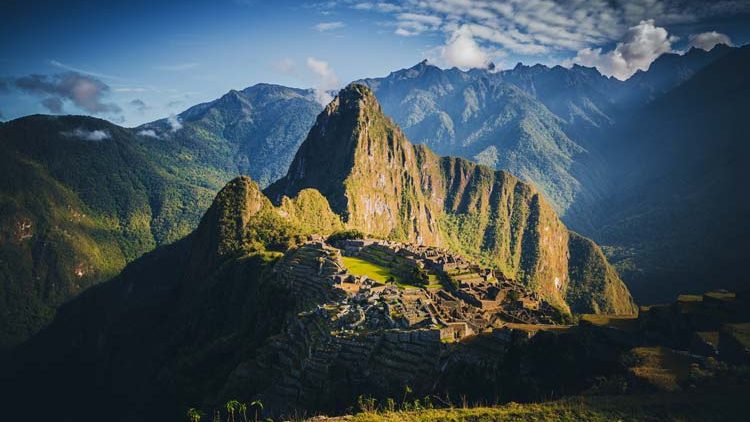
As many other touristic destinations, Aguas Calientes faces several challenges related to its rapid development. There are concerns about the environmental and cultural impact of mass tourism on the surrounding area. This fragile Andean environment is threatened by pollution, the overuse of resources on one hand, and the disturbance of traditional indigenous culture on the other hand.
That is why Southern Peru Explorers is making efforts to address these challenges. We developed several initiatives, such as promoting eco-friendly behaviors, encouraging responsible tourism, participating in conservation projects in the region and support local communities. If you want to know more about our socially conscious actions, please have a look here.