




Thinking about hiking the 5-Day Inca Trail to Machu Picchu? This relaxed-pace alternative to the Classic 4-Day Inca Trail is one of the most popular ways to reach the Sun Gate (Inti Punku) without rushing the experience. Below, we answer the 10 questions travelers ask us most often from permits and difficulty to packing and altitude sickness so you can plan your trek with confidence.
1.Why Choose the 5-Day Inca Trail to Machu Picchu?
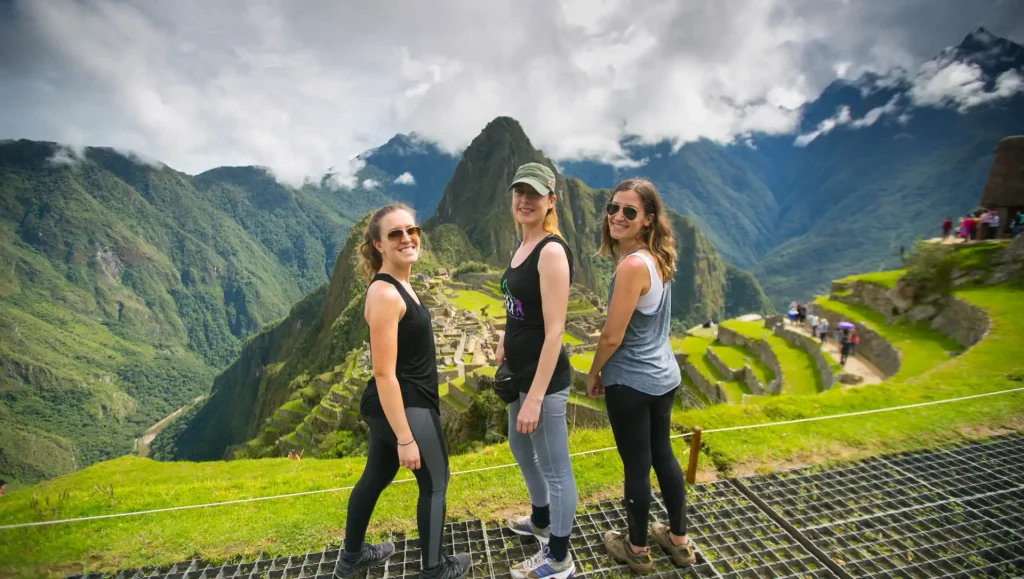
The 5-Day Inca Trail to Machu Picchu is the perfect choice for travelers who want to experience Peru’s most iconic trek at a slower and more enjoyable pace. Unlike the Classic 4-Day Inca Trail, this itinerary divides the hiking into shorter daily sections, allowing you to spend more time exploring archaeological sites, taking photographs, and appreciating the breathtaking scenery of the Andes and cloud forest.
One of the biggest advantages of the 5-day itinerary is the extra time to enjoy famous Inca sites such as Llactapata, Paucarcancha, Sayacmarca, Phuyupatamarca, Wiñay Wayna, and the spectacular Sun Gate (Inti Punku) before arriving at Machu Picchu. The relaxed schedule also reduces physical fatigue, giving you more energy to fully enjoy the experience.
This tour is ideal for couples, photographers, nature lovers, and anyone looking for a more immersive trekking adventure. If you prefer to enjoy the journey rather than rush to the destination, the 5-Day Inca Trail offers the perfect balance of history, culture, breathtaking landscapes, and comfort.
2. How difficult is the 5-Day Inca Trail?
The 5-Day Inca Trail difficulty level is moderate to moderately challenging. Daily distances are shorter than the 4-day version, but you’ll still climb through high-altitude mountain passes, stone staircases, and uneven terrain.
The toughest day is crossing Dead Woman’s Pass (4,215 m / 13,828 ft), the trail’s highest point. However, the slower pace allows more time to acclimatize and recover, making the trek accessible to most travelers with a reasonable fitness level. Regular walking or light cardio training before your trip will make the experience even more enjoyable.
3. How Far in Advance Should I Book the 5-Day Inca Trail?
The Inca Trail requires an official government permit, and daily availability is strictly limited by Peru’s Ministry of Culture. During high season (May–September), permits often sell out 6 to 8 months in advance.
If you’re traveling during these peak months, book as early as possible. Early reservations secure your permit and give you greater flexibility when choosing travel dates.
4. What’s Included in the 5-Day Inca Trail Tour?
Most 5-Day Inca Trail packages include everything you need for a comfortable trek:
- Transportation from Cusco
- Official Inca Trail permits
- Machu Picchu entrance ticket
- Professional bilingual guides
- Experienced porter team
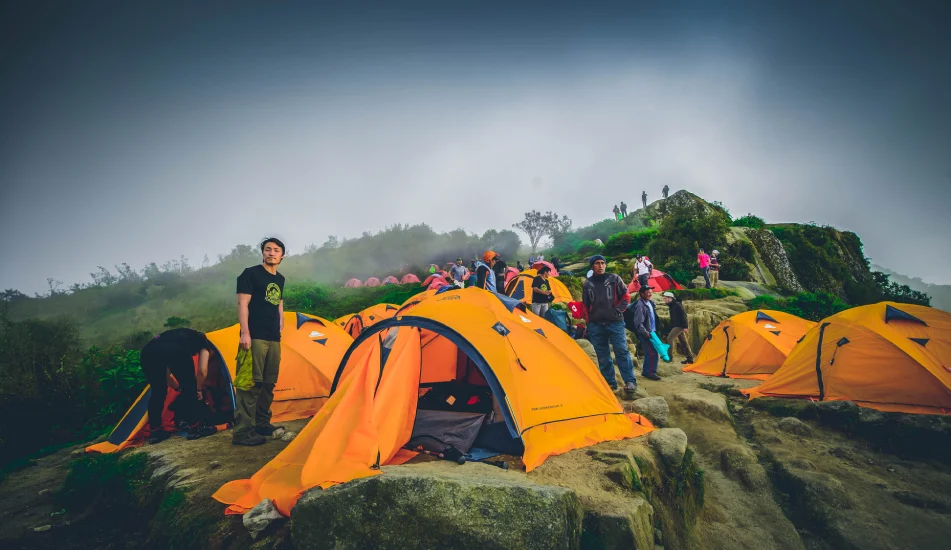
- Camping equipment
- All meals during the trek
- Train transportation back to Cusco
Many operators including Southern Peru Explorers also include a hotel stay in Aguas Calientes on the fourth night, so you can rest properly before your guided visit to Machu Picchu the next morning.
5. What Should I Pack for the 5-Day Inca Trail?
A smart Inca Trail packing list makes all the difference. Essentials include:
- Comfortable, broken-in hiking boots
- Lightweight clothing for warm days
- Warm layers for cold nights
- A waterproof jacket
- Sunscreen and sunglasses
- A reusable water bottle
- Insect repellent
- A headlamp
- Your original passport (required for trail checkpoints)
Because Andean weather changes quickly, layering is your best strategy. Keep snacks, a camera, and personal medications in your daypack for easy access throughout the hike.
6. Is Altitude Sickness a Problem on the Inca Trail?
Some hikers experience mild altitude sickness symptoms headaches, fatigue, or shortness of breath since much of the trail sits above 3,000 m (9,842 ft).
To reduce the risk:
- Spend 2–3 days acclimatizing in Cusco before starting
- Stay well hydrated
- Avoid excessive alcohol
- Hike at a steady, unhurried pace
The 5-day itinerary naturally allows more time to adjust to altitude than faster trekking options, making it a smart choice for altitude-sensitive travelers.
7. Can I Hike Huayna Picchu After Completing the Inca Trail?
Yes if permits are available. You can add the Huayna Picchu Mountain hike to your final day at Machu Picchu. This optional 2-hour round-trip climb rewards hikers with spectacular panoramic views of the citadel and surrounding mountains.
Since only a limited number of Huayna Picchu permits are issued daily, reserve this add-on well in advance when booking your tour.
8. What’s the Best Time of Year to Hike the 5-Day Inca Trail?
The dry season (April–October) is generally the best time to hike the Inca Trail, offering clearer skies and better views of the mountains and archaeological sites.
The rainy season (November–March) brings greener landscapes and fewer crowds, but hikers should be prepared for occasional rain showers and muddy trail sections.
Note: The Inca Trail closes every February for annual maintenance.
9. Why Choose the 5-Day Inca Trail Instead of the Classic 4-Day Trek?
The main advantage is its relaxed pace. Shorter daily hikes mean more time to explore archaeological sites, enjoy scenic viewpoints, and appreciate the cloud forest’s biodiversity without feeling rushed.
Campsites also tend to be quieter, creating a more peaceful atmosphere. This makes the 5-Day Inca Trail an excellent option for couples, photographers, families with active teenagers, and anyone seeking a less demanding version of Peru’s most famous trek.
10. Why Book the 5-Day Inca Trail With Southern Peru Explorers?
Southern Peru Explorers is a locally owned tour operator based in Cusco with years of experience guiding hikers along the Inca Trail. Our professional guides, skilled cooks, and dedicated porter team work together to deliver a safe, comfortable, and authentic trekking experience.
We handle every detail permits, transportation, meals, quality camping equipment, and personalized service so you can focus on the adventure. As a local company, we’re committed to responsible tourism and to supporting the communities that make this journey to Machu Picchu possible.