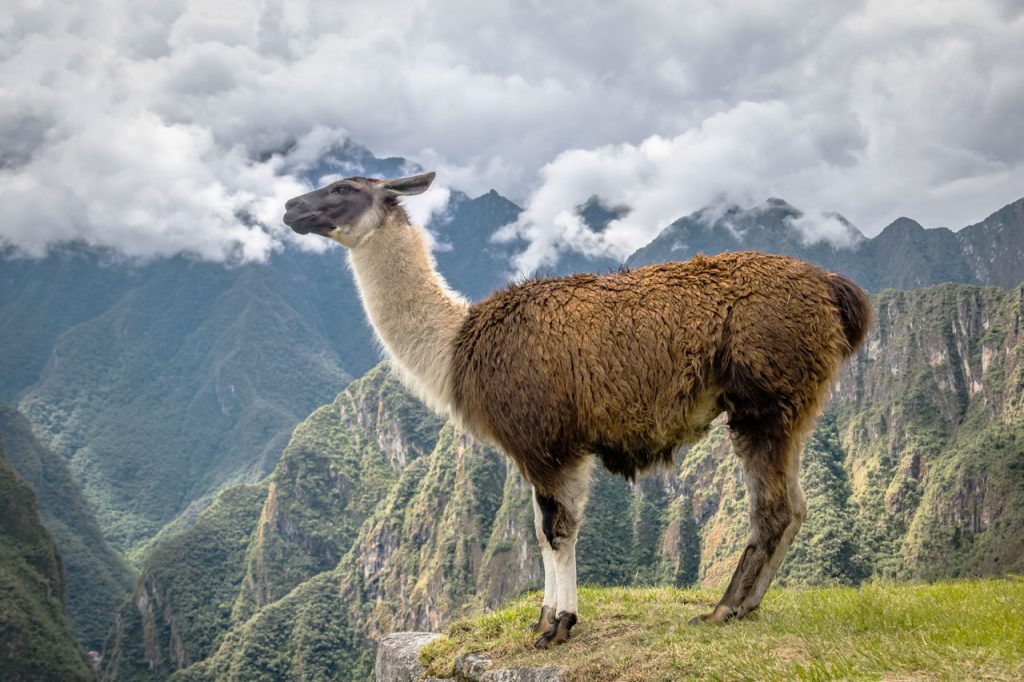




Visit Cusco Maravilloso, a jewel in southeastern Perú, is a historically rich destination where ancient traditions and modern life blend seamlessly. Known as the former capital of the Incan Empire, Cusco also spelled Cuzco is the city’s cultural heart and a UNESCO World Heritage Site that attracts many travelers from around the world.
Located high in the Andes, Cusco is the perfect starting point for any expedition through the region. From the iconic Machu Picchu to lesser-known Inca sites like Sacsayhuamán near Cusco, the area offers countless must-see attractions both in the city and in the outskirts. Visitors can explore the Valle Sagrado (Sacred Valley), hike along ancient Incan trails, and discover breathtaking montaña landscapes that define the Andes.
A visita al Qoricancha (Koricancha), once the most important temple of the Incan world, is essential for understanding Inca culture. Around Cusco, traditional villages like Chinchero preserve a living culture where Andean people continue practicing ancestral textile techniques, often using alpaca wool and speaking Quechua.
In the historic center, neighborhoods like San Blas and markets such as San Pedro offer a glimpse into authentic Andean life. Here, visitors can enjoy Peruvian cuisine, including iconic dishes like ceviche, and take home handmade crafts that reflect the region’s identity.
From Cusco, many travelers continue their journey to Aguas Calientes via train services like Inca Rail before visiting Machu Picchu. Whether you are exploring de Cusco, del Cusco, or venturing around Cusco into the Manu region or the Sacred Valley, every experience reveals a deeper connection to the Andean world.
Cusco Maravilloso is more than just a destination it is a gateway to history, culture, and unforgettable adventures en Cusco that every traveler should experience at least once.
1. Historic Center of Cusco
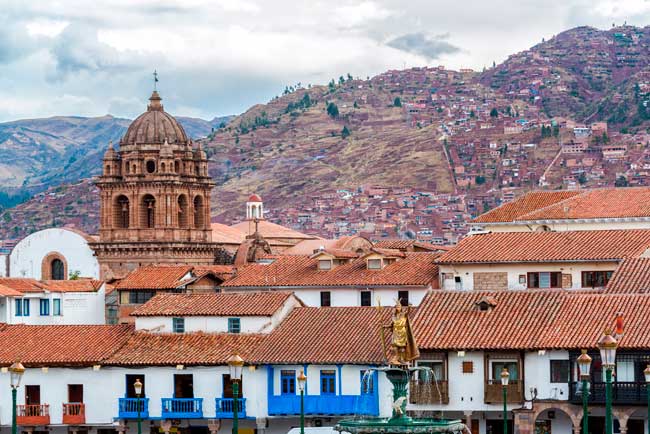
The Historic Center of Cusco is the heart of Cusco Maravilloso, where every street, plaza, and building tells a story shaped by centuries of history and culture. Recognized as a UNESCO World Heritage Site, this area offers a unique blend of Inca foundations and Spanish colonial architecture, making it an unmissable destination for travelers seeking both history and culture.
Every corner of Cusco Maravilloso is alive with tradition and vibrant energy. From narrow cobblestone streets to bustling markets, visitors can discover local artisans, sample traditional Andean cuisine, and enjoy performances of music and dance that reflect the city’s rich heritage. The surrounding Andean mountains create breathtaking views that complement the city’s historic charm, offering countless photo opportunities and unforgettable experiences.
Cusco Maravilloso: An Unmatched Destination
Cusco Maravilloso is renowned for its culture, history, and natural beauty, making it the perfect base to explore the region. The city center is a fascinating mix of Inca and colonial architecture, where ancient stone foundations meet beautifully preserved churches and plazas. Key highlights include:
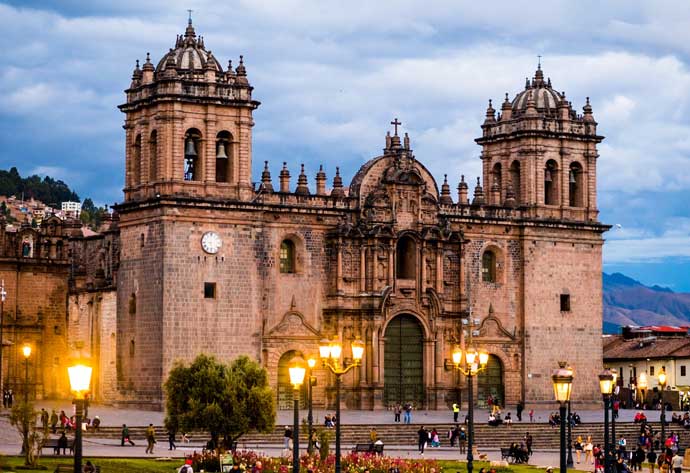
- Plaza de Armas: The vibrant heart of the city, surrounded by the impressive Cusco Cathedral, colonial buildings, and cafes where locals and tourists gather alike. The plaza often hosts cultural events, parades, and festivals, giving visitors an authentic glimpse into daily life in Cusco.
- Cusco Cathedral: A stunning Renaissance-style structure built atop Inca foundations, housing one of the richest collections of religious art in Peru. Its intricate altars, paintings, and sculptures make it a must-visit for history and art enthusiasts alike.
- Qorikancha (Temple of the Sun): Originally the most sacred temple in the Inca Empire, dedicated to the sun god Inti. Its polished stone walls were so precise that even today they remain a marvel of engineering. The temple was later integrated into the Convent of Santo Domingo, creating a fascinating blend of Inca and colonial architecture. Visitors can learn about Inca astronomy, religion, and construction techniques while exploring the site.
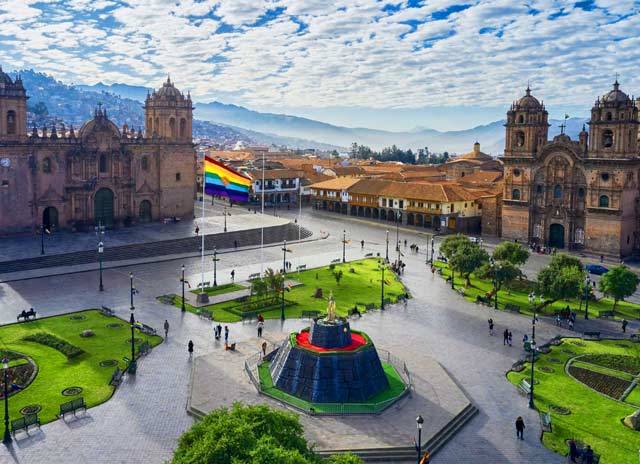
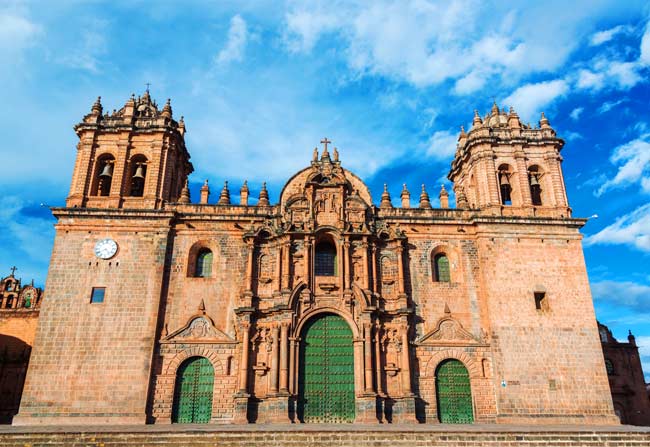
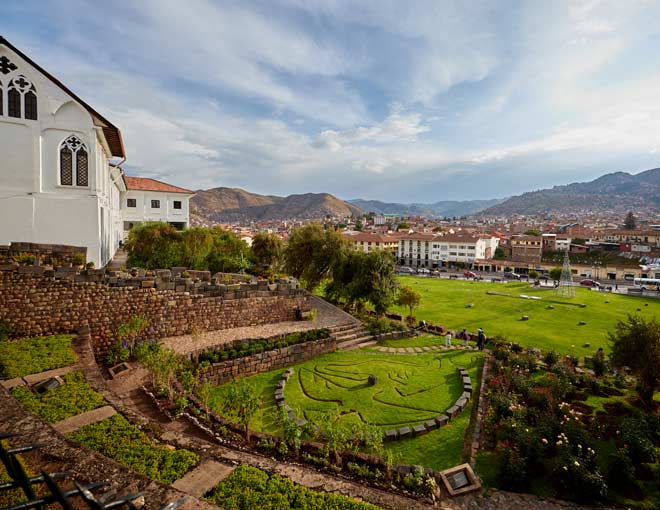
Exploring the Historic Center of Cusco allows travelers to immerse themselves in a city where past and present coexist, offering a deep understanding of Inca civilization and colonial history. Walking through its streets is not just sightseeing—it’s a journey through time, culture, and living tradition.
2. Sacsayhuamán
Every visit to Cusco Maravilloso is an opportunity to learn and grow. The experience is unforgettable, full of adventure and discovery.
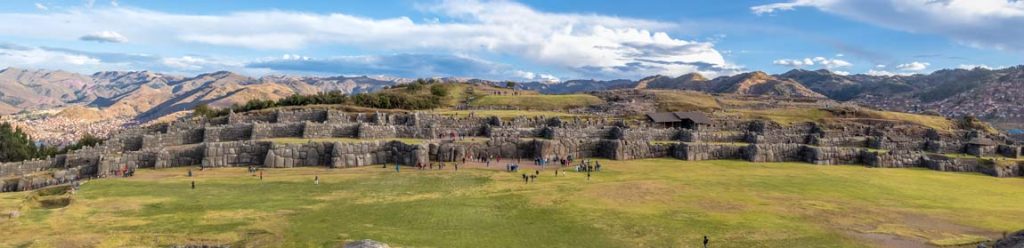
Located on the hills surrounding Cusco, Sacsayhuamán is one of the most emblematic archaeological complexes in the region. It is famous for its massive stone blocks, some weighing several tons, perfectly fitted together without mortar. This site served as both a fortress and a ceremonial center during the Inca period.
3. Sacred Valley of the Incas
Cusco Maravilloso offers unforgettable experiences where history and natural beauty intertwine.
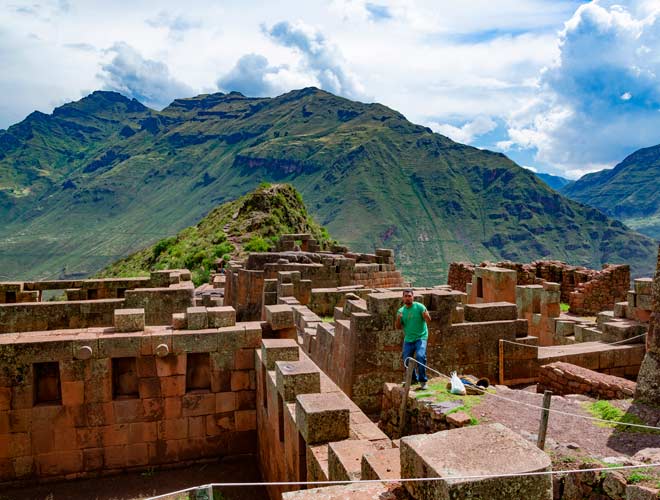
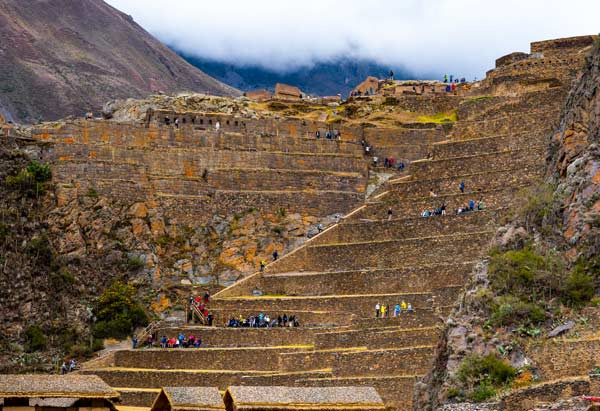
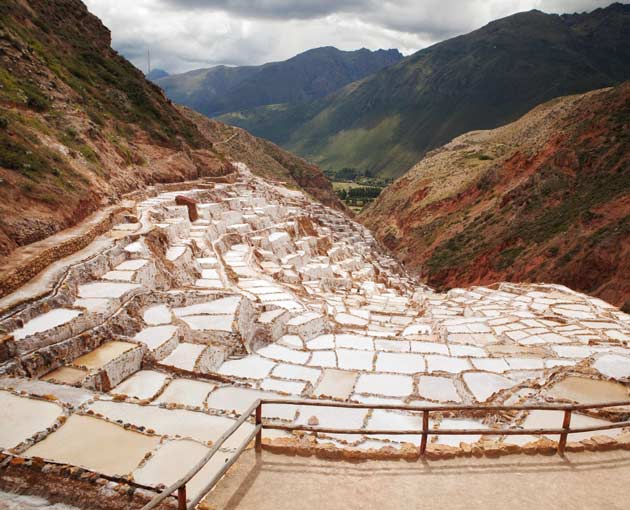
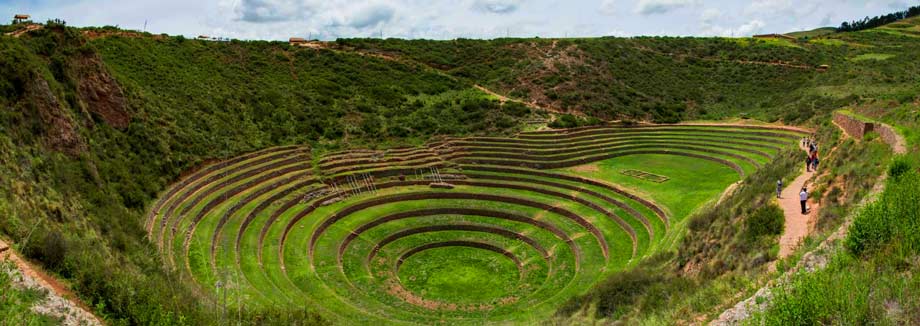
Just an hour from Cusco, the Sacred Valley is a fertile region crossed by the Urubamba River. Main attractions include:
- Pisac: A picturesque town with a traditional artisan market and important archaeological site.
- Ollantaytambo: A well-preserved Inca town and ceremonial center.
- Moray: An archaeological site with circular terraces believed to have been an agricultural laboratory.
- Maras Salt Mines: A system of salt ponds still in use since Inca times.
4. Machu Picchu
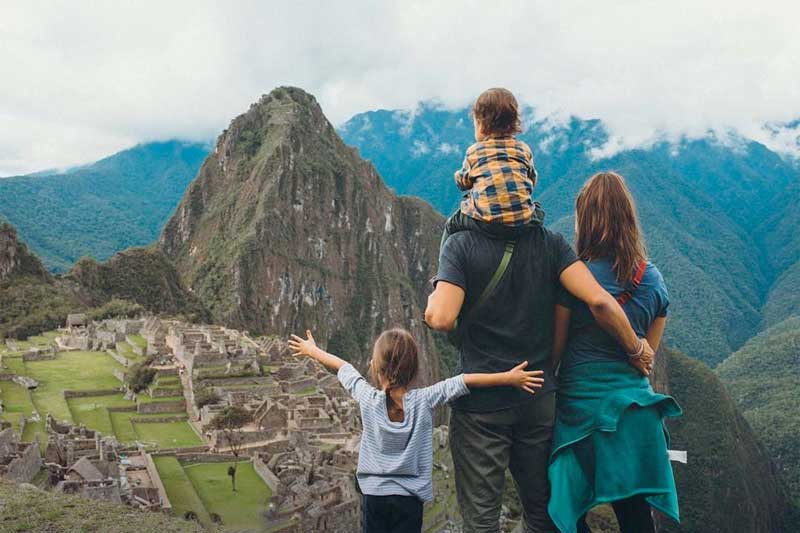
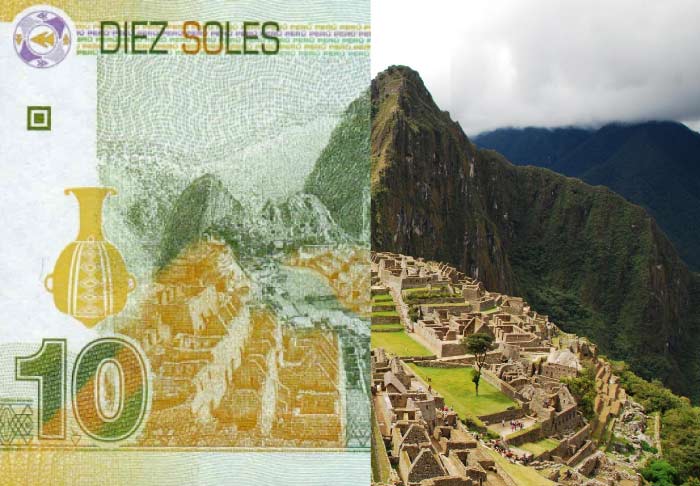
Without a doubt, the highlight of any trip to Cusco is visiting Machu Picchu, the iconic Inca citadel perched high in the Andes mountains. Surrounded by dramatic landscapes and mysterious cloud forests, this UNESCO World Heritage Site is one of the most breathtaking destinations in the world and a true symbol of the legacy of the Inca civilization.
There are several ways to reach Machu Picchu. Many travelers choose a scenic train journey from Ollantaytambo, with services such as Inca Rail, while others prefer the more adventurous option of hiking the famous Inca Trail, a multi-day trek that follows ancient paths through stunning Andean scenery and archaeological sites.
Activities:
- Guided tours: Explore the most important structures within the citadel, including the Temple of the Sun, the Main Plaza, and the Intihuatana stone, while learning about the history, architecture, and spiritual significance of the site.
- Additional hikes: For those seeking more adventure, hikes to Huayna Picchu or Machu Picchu Mountain offer spectacular panoramic views of the citadel and surrounding valleys. These routes require advance booking but reward visitors with unforgettable perspectives.
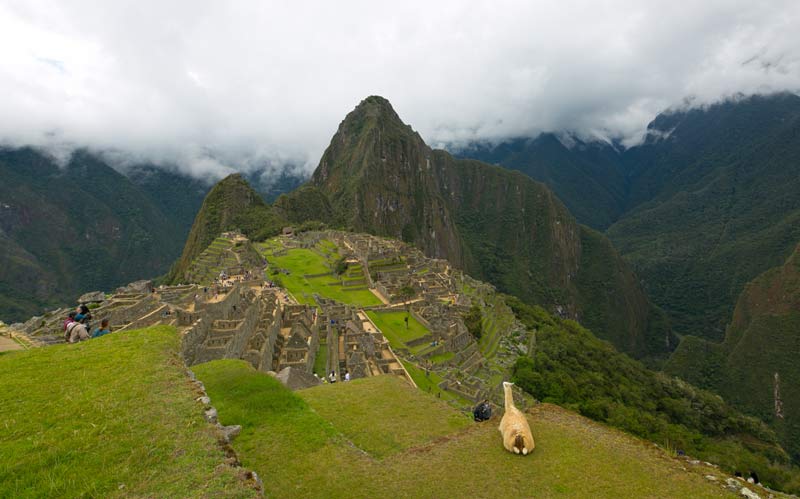
Visiting Machu Picchu is more than just sightseeing it is an immersive experience that connects you with the history, engineering brilliance, and natural beauty of the Andes.
5. Qhapaq Ñan (Inca Trail)
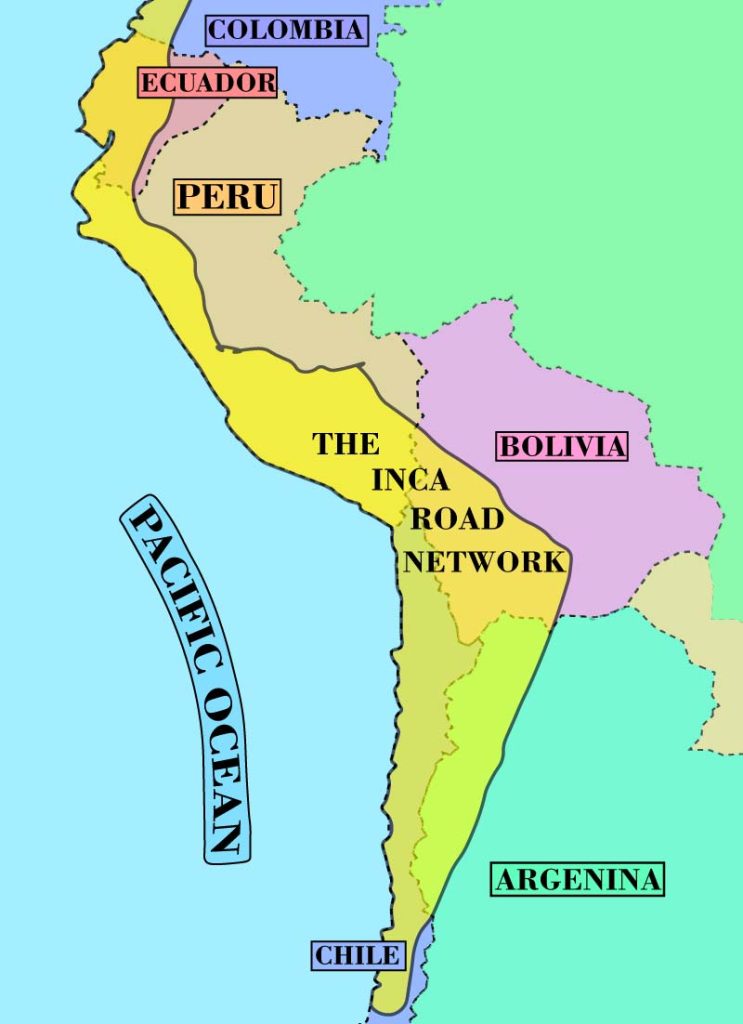
The Qhapaq Ñan is a vast and sophisticated network of roads built by the Inca Empire to connect the different regions of their territory, which stretched across modern-day Peru, Ecuador, Bolivia, Chile, Argentina, and Colombia. This impressive system covered more than 30,000 kilometers and was essential for communication, trade, and administration throughout the empire.
The most famous section of this network is the Inca Trail, which links Cusco with Machu Picchu. This 4-day trek is considered one of the most remarkable hiking experiences in the world, combining breathtaking Andean landscapes with rich history and archaeology.
Along the route, travelers pass through cloud forests, high mountain passes, and several well-preserved Inca sites, such as Wiñay Wayna and Intipata. The trail also includes the famous Sun Gate (Inti Punku), where hikers get their first panoramic view of Machu Picchu at sunrise an unforgettable moment for many visitors.
Originally, the Qhapaq Ñan was used by messengers known as chasquis, who carried information across long distances, as well as by armies and traders. Today, hiking the Inca Trail is not only a physical challenge but also a journey into the past, allowing visitors to experience the engineering brilliance and cultural legacy of the Inca civilization in a truly immersive way.
6. Other Nearby Attractions
Cusco Maravilloso is a destination that leaves a lasting impression on every visitor.
- Tipón: Known for its agricultural terraces and water channels.
- Piquillacta: A pre-Inca archaeological site of the Wari culture.
- Tambomachay: A sacred site with water fountains used by the Incas.
Practical Tips
- Altitude adaptation: Cusco is over 3,400 meters above sea level, so take time to acclimatize.
- Best time to visit: June to August is dry season; November to March is rainy but less crowded.
- Currency: The local currency is the Peruvian sol (PEN), though US dollars are widely accepted.

History of Cusco
Cusco is the city’s historical and cultural heart, known as the capital of the Inca Empire and one of the most important centers in pre-Columbian America. According to tradition, the city was founded around the 12th century by Manco Cápac, who established what would become the center of a powerful civilization.
Located in the Andes, Cusco was carefully planned by the Incas, who were highly skilled builders and engineers. From here, they expanded their empire across large parts of South America, creating an advanced network of roads, temples, and cities. This road system, known as the Qhapaq Ñan, connected the entire empire and allowed trade and communication between distant regions.
Cusco was not only a political center but also a religious one. Important sites such as Qorikancha, dedicated to the sun god, and Sacsayhuamán (also called sacsayhuaman), show the importance of the city in Inca culture. These places are famous for their massive stone construction, built with incredible precision and without the use of mortar.
In the 16th century, the arrival of the Spanish changed Cusco forever. Many Inca buildings were destroyed or used as the base for new colonial constructions. Churches, houses, and plazas were built on top of the original Inca structures, creating the unique mix of architecture that can still be seen today.
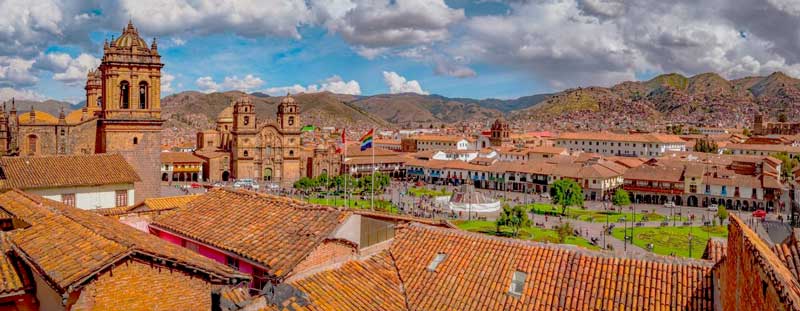
Despite these changes, Cusco has preserved much of its history. Today, it is recognized as a UNESCO World Heritage Site and remains a place where the past is still alive. Walking through Cusco allows visitors to experience the legacy of the Inca civilization and understand why it continues to be one of the most fascinating destinations in Peru.
Architecture of Cusco
Cusco Maravilloso showcases a unique and fascinating blend of Inca and colonial architecture, creating one of the most distinctive urban landscapes in all of Peru. In Cusco, ancient Incan engineering merges seamlessly with Spanish colonial design, reflecting centuries of history, cultural transformation, and resilience.
Architectural highlights:
- Inca foundations and urban design: The Incas were master builders, using precisely cut stone blocks that fit together perfectly without mortar. This technique made their structures highly resistant to earthquakes, and many of these original walls can still be seen today, especially along streets like Hatun Rumiyoc.
- Colonial style: After the Spanish conquest, many colonial buildings were constructed directly on top of Inca foundations. This fusion created a layered architectural identity, where churches, mansions, and plazas stand upon ancient Incan bases.
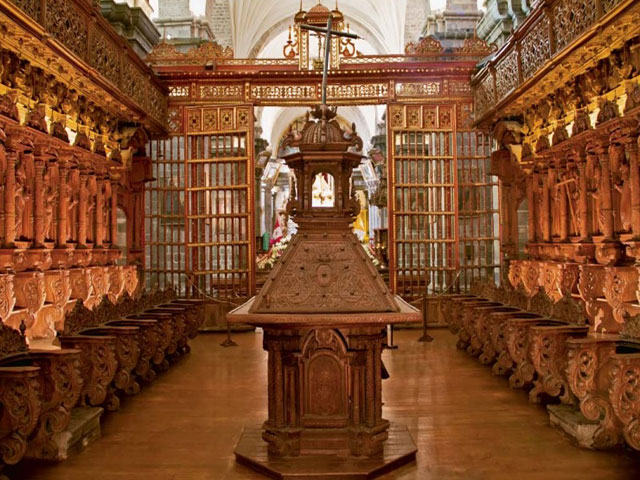
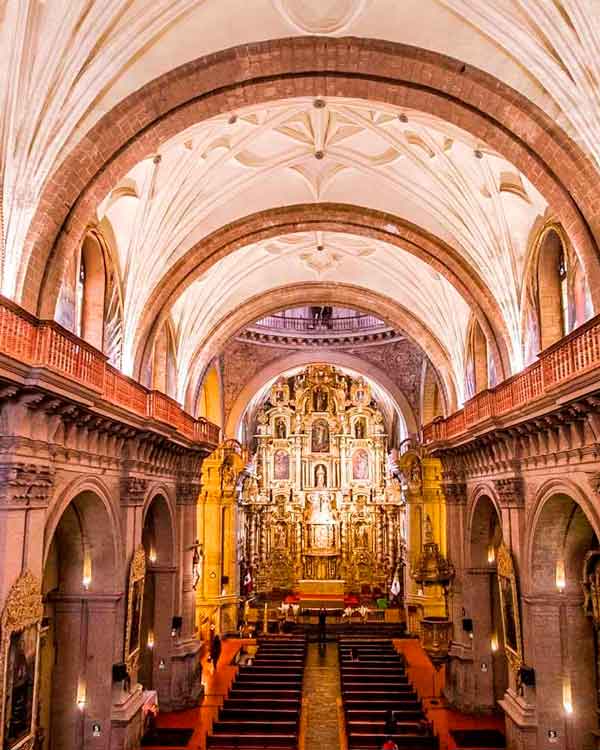
- Colonial houses and churches: Structures such as the Church of the Society of Jesus feature impressive carved wooden ceilings, ornate balconies, and thick stone walls. These buildings reflect European artistic influence while incorporating local materials and craftsmanship.
- Religious and cultural landmarks: Sites like Qorikancha, once the most sacred temple of the Inca Empire, were partially transformed during colonial times, resulting in a striking combination of Inca stonework and Spanish religious architecture.
- Neighborhood character: Areas such as San Blas preserve narrow cobblestone streets, whitewashed houses, and artisan workshops, offering visitors an authentic glimpse into the city’s historical evolution.
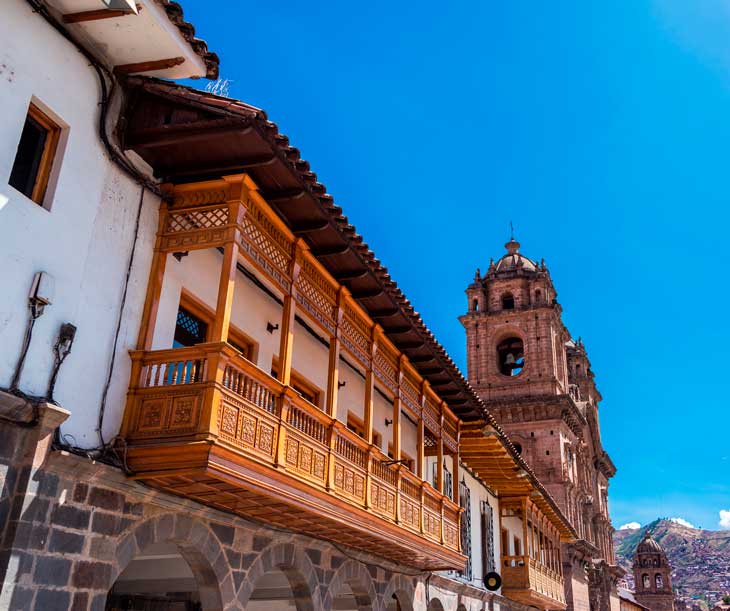
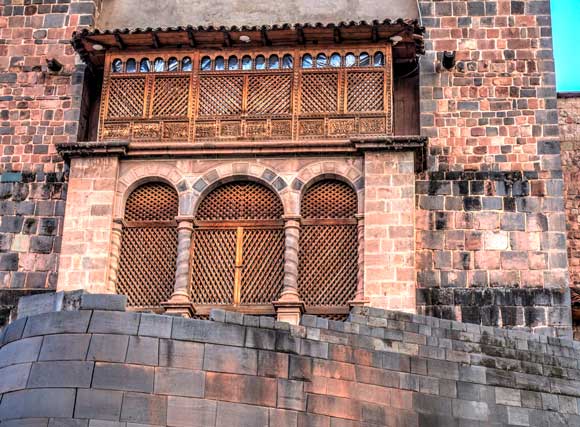
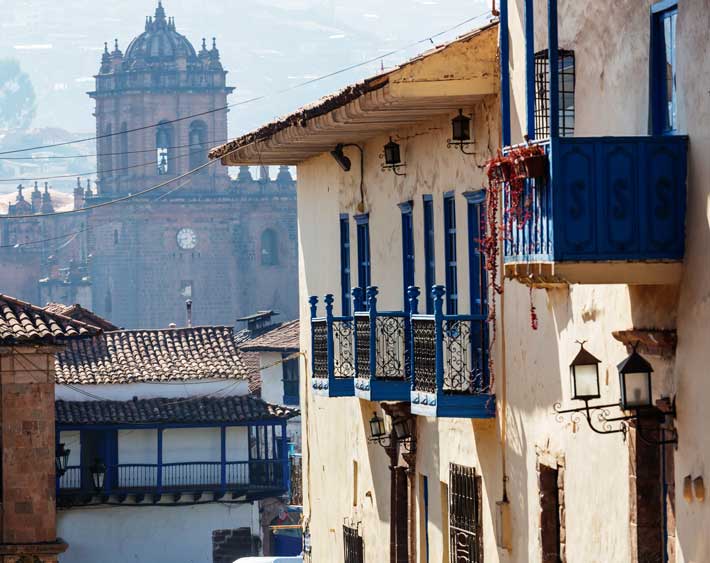
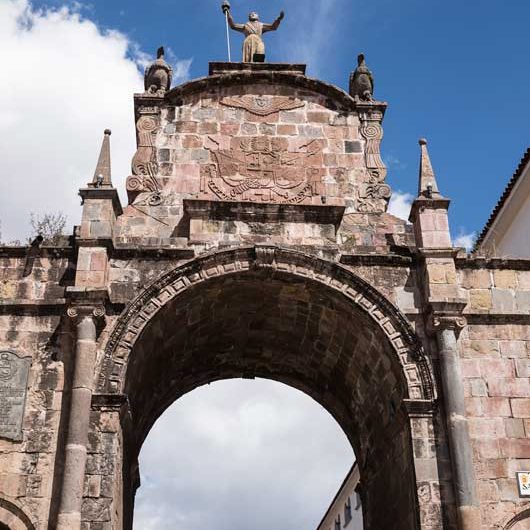
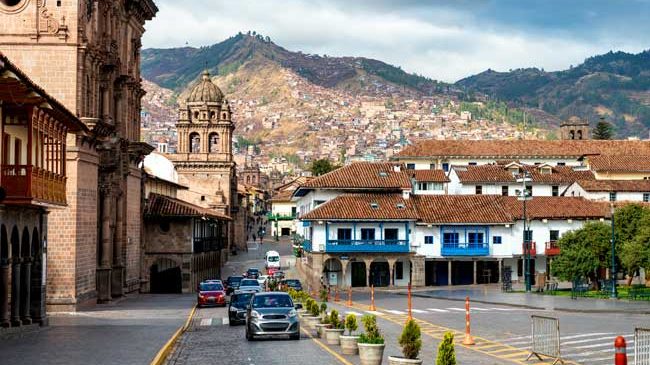
What makes Cusco truly exceptional is this architectural dialogue between two worlds. Walking through the city feels like stepping through time, where every wall, street, and building tells a story of the Inca civilization, the colonial era, and the vibrant culture that continues to thrive today.
Gastronomy of Cusco
Cusco’s cuisine is a rich fusion of indigenous Andean traditions and Spanish colonial influences, creating a unique gastronomic identity that reflects centuries of history and cultural exchange. Rooted in local ingredients from the Andes such as potatoes, corn, quinoa, and alpaca meat Cusco’s food is both flavorful and deeply connected to the land and the traditions of the Andean people.
Popular dishes include:
- Cuy chactado: A traditional Andean delicacy made from guinea pig, fried or roasted until crispy, and typically served with potatoes and corn. It is an ancestral dish with strong cultural significance.
- Adobo cusqueño: A hearty stew made with pork (sometimes lamb), marinated in spices, garlic, chicha de jora, and ají peppers. It is especially popular as a weekend breakfast.
- Chiri Uchu: One of the most emblematic dishes of Cusco, traditionally served during festivals. It is a cold plate that combines ingredients like chicken, dried meat, corn, cheese, seaweed, and spicy peppers representing the diversity of the Andean region.
- Quinoa soup: A nutritious and comforting dish made with quinoa, vegetables, and sometimes meat. Quinoa has been a staple crop in the Andes since Inca times and remains essential in local diets.
- Rocoto relleno: A spicy stuffed pepper filled with meat, vegetables, and spices, showcasing the bold flavors of Peruvian cuisine.

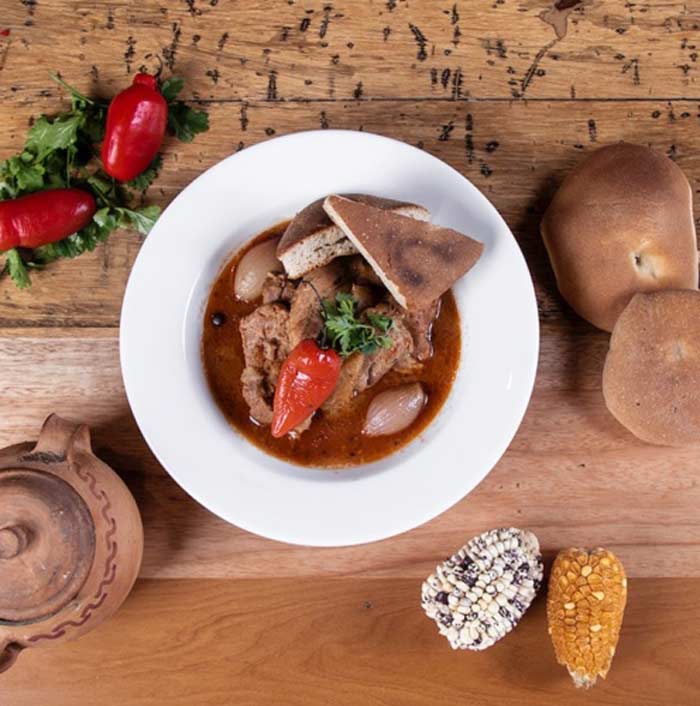
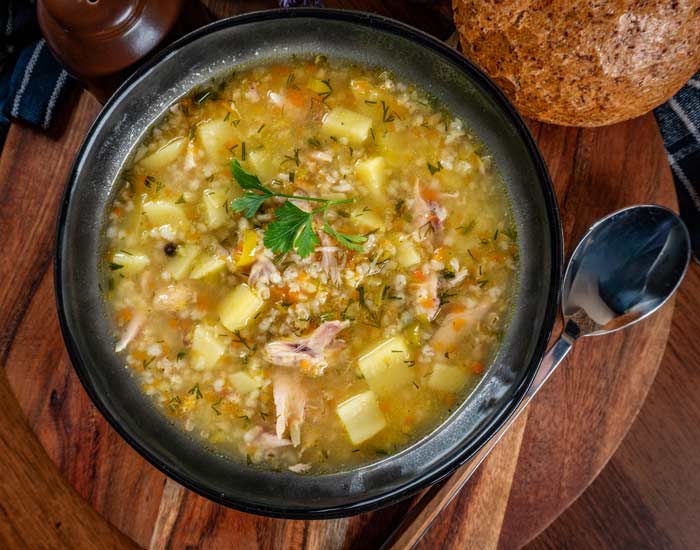
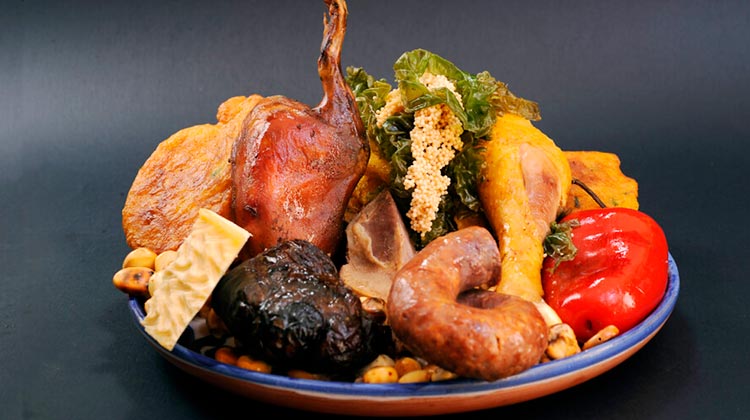

Traditional drinks:
- Chicha de jora: A fermented corn beverage with ancient origins, consumed since Inca times and still widely enjoyed in local communities.
- Pisco sour: Pisco sour is Peru’s most famous cocktail, made with pisco, lime juice, sugar, egg white, and bitters a must-try for visitors.
- Mate de coca: A traditional herbal tea made from coca leaves, commonly used to help with altitude acclimatization.
Exploring Cusco’s gastronomy is more than just tasting food it is an immersion into a living culture where every dish tells a story. From traditional markets to modern restaurants, visitors can experience authentic flavors, discover ancient cooking techniques, and even take home local products such as Andean spices, corn varieties, and artisanal ingredients that represent the essence of the region.
Outdoor Activities
- Inca Trail: One of the world’s most iconic treks.
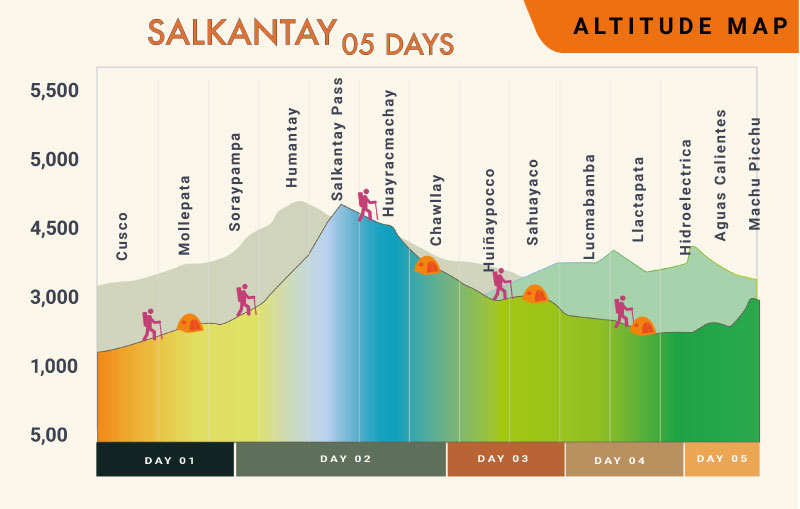
- Salkantay Trek: A more challenging alternative.
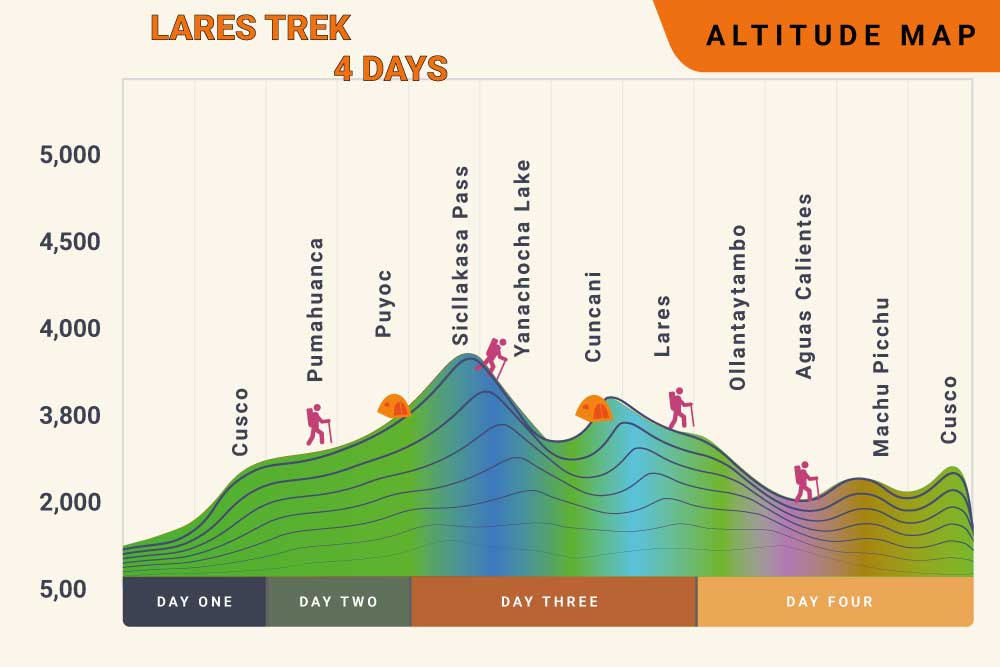
- Lares Trek: Cultural and scenic route.
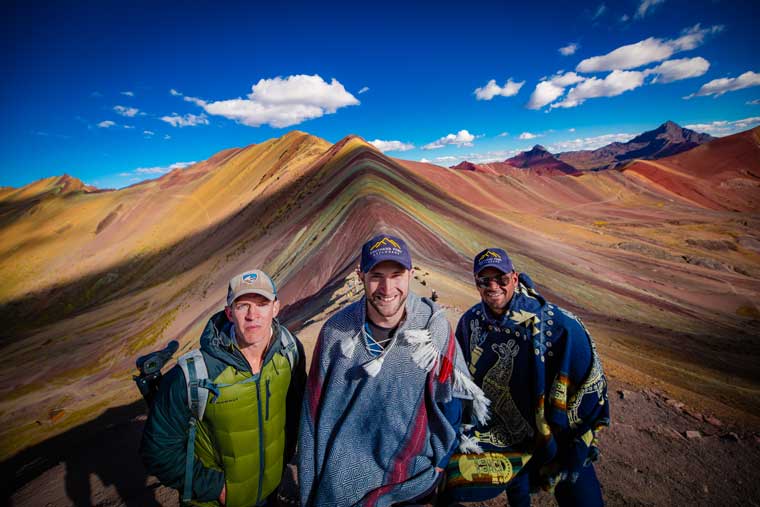
- Rainbow Mountain (Vinicunca): Famous for its colorful landscape.
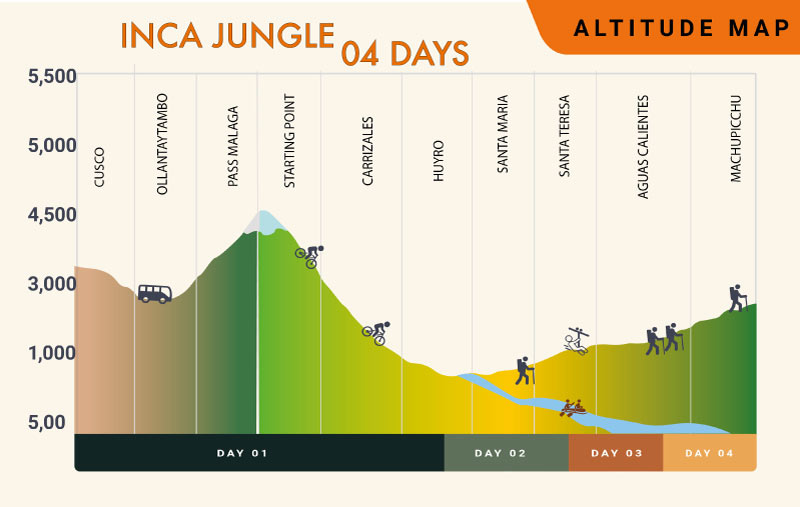
- Inca Jungle: Mountain biking and rafting on the Urubamba River

Festivals in Cusco
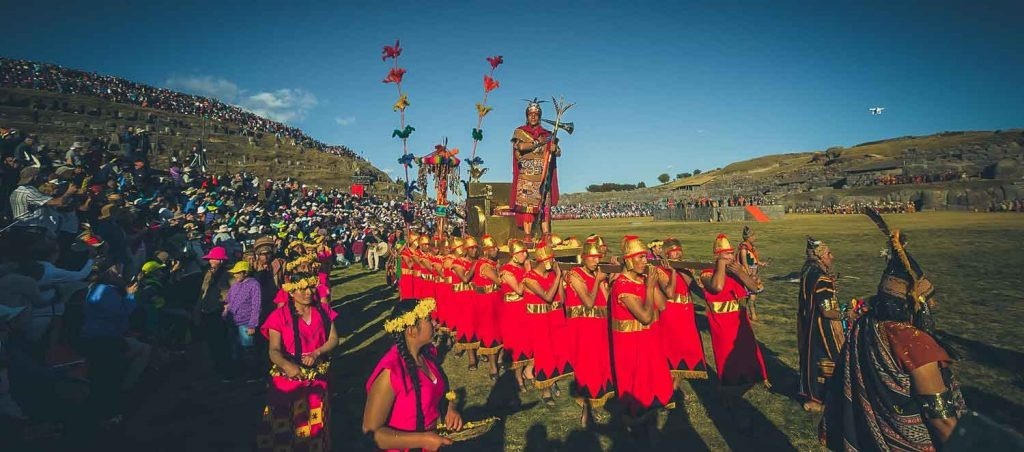
- Inti Raymi: Festival of the Sun (June 24), celebrated at Sacsayhuamán.
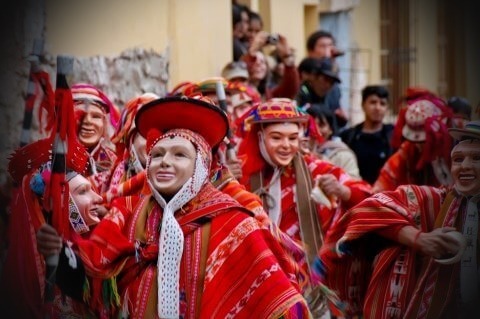
- Holy Week: Religious processions blending Catholic and Andean traditions.
- Virgen del Carmen Festival (Paucartambo): Known for dances and costumes.
Transportation
- Flights: Via Alejandro Velasco Astete Airport.
- Bus: Long-distance routes from cities like Lima.
- Train: From Ollantaytambo to Machu Picchu.
Climate
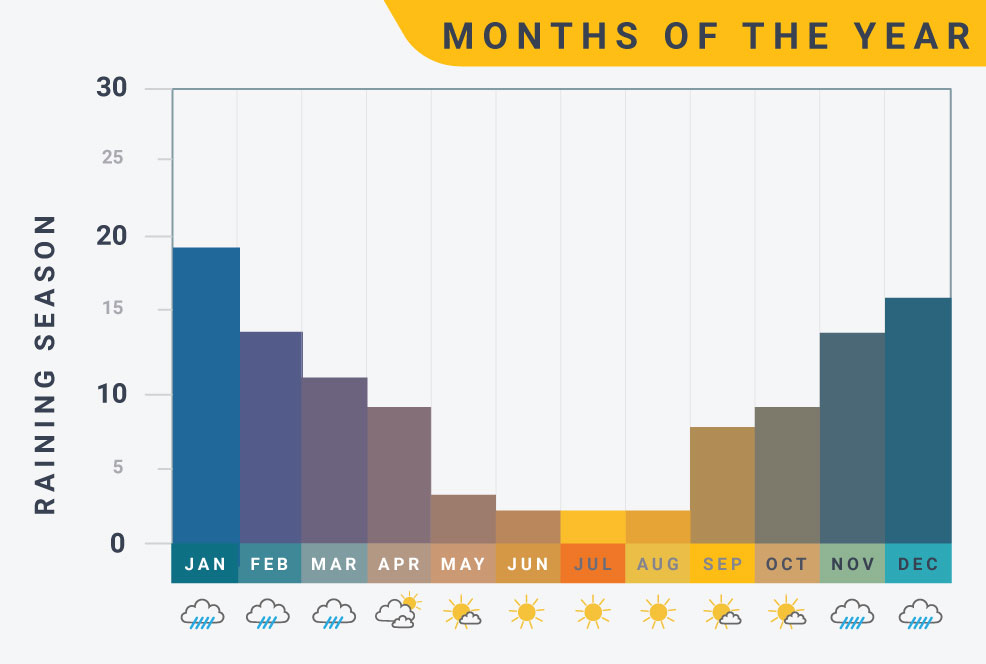
Cusco has a mountain climate with two main seasons:
- Rainy season (November–March)
- Dry season (April–October)
Days are sunny, but nights can be cold.
Conclusion
Cusco is a vibrant destination full of history, where the legacy of the Inca Empire blends seamlessly with colonial architecture and the traditions of modern Andean life. Recognized as a UNESCO World Heritage Site, Cusco offers a unique cultural richness that makes it one of the most fascinating places to visit in Peru.
From the majestic Machu Picchu to impressive archaeological sites like Sacsayhuamán and Qorikancha, the region is filled with historical treasures that reveal the sophistication of Inca engineering and spirituality. Beyond the city, the Sacred Valley unfolds with breathtaking landscapes, traditional villages, and ancient terraces that are still in use today.
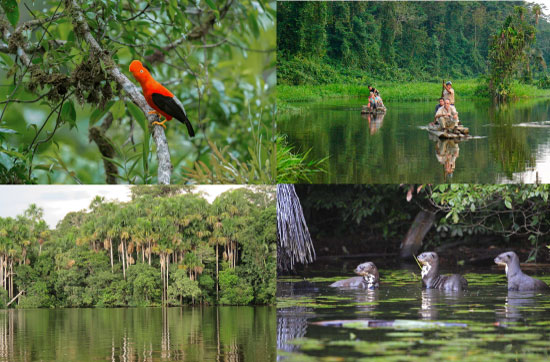
Cusco is also a gateway to adventure in the Andes. Travelers can hike legendary routes like the Inca Trail, explore colorful mountains such as Vinicunca, or venture into remote areas rich in biodiversity. At the same time, the city itself offers charming neighborhoods like San Blas, bustling local markets such as San Pedro, and a thriving culinary scene where visitors can enjoy traditional Peruvian dishes.
What truly makes Cusco unforgettable is its living culture. The traditions of the Andean people expressed through language, festivals, textiles, and daily life remain deeply rooted and vibrant. Whether you are exploring ancient ruins, walking through cobblestone streets, or connecting with local communities, Cusco offers an experience that goes far beyond sightseeing.
For history lovers, adventurers, and cultural explorers alike, Cusco is not just a destination it is a journey into the heart of the Andes and one of the most enriching travel experiences in the world.