




Cusco Carnival 2026 is one of the most colorful and joyful celebrations in Peru, bringing together ancient Andean traditions and vibrant cultural expressions in the heart of Cusco. The Cusco Carnival is a unique opportunity to experience local culture at its fullest, filled with music, dance, water games, and a strong sense of community that makes this festival truly unforgettable.
During the Cusco Carnival season, the streets of the historic center come alive with colorful celebrations, laughter, and traditional dance performances that reflect the region’s rich cultural heritage. Visitors can enjoy lively parades, taste traditional dishes, and witness the authentic spirit of the Cusco Carnival, where locals and travelers come together to celebrate with energy and joy.
In 2026, the Cusco Carnival will take place from February 27 to March 16, with the main celebration happening on Sunday, March 9. On this day, the Plaza de Armas and surrounding streets become the vibrant center of the Cusco Carnival, hosting the most important parades, cultural events, and festive activities.
This Cusco Carnival travel guide will help you discover everything you need to know about this traditional celebration, from its fascinating origins to the best places to experience the festivities in Cusco and the Sacred Valley. You will also learn about unique Cusco Carnival traditions, local gastronomy, cultural events such as Qhaswa Raymi, and practical tips to enjoy an authentic and memorable experience.
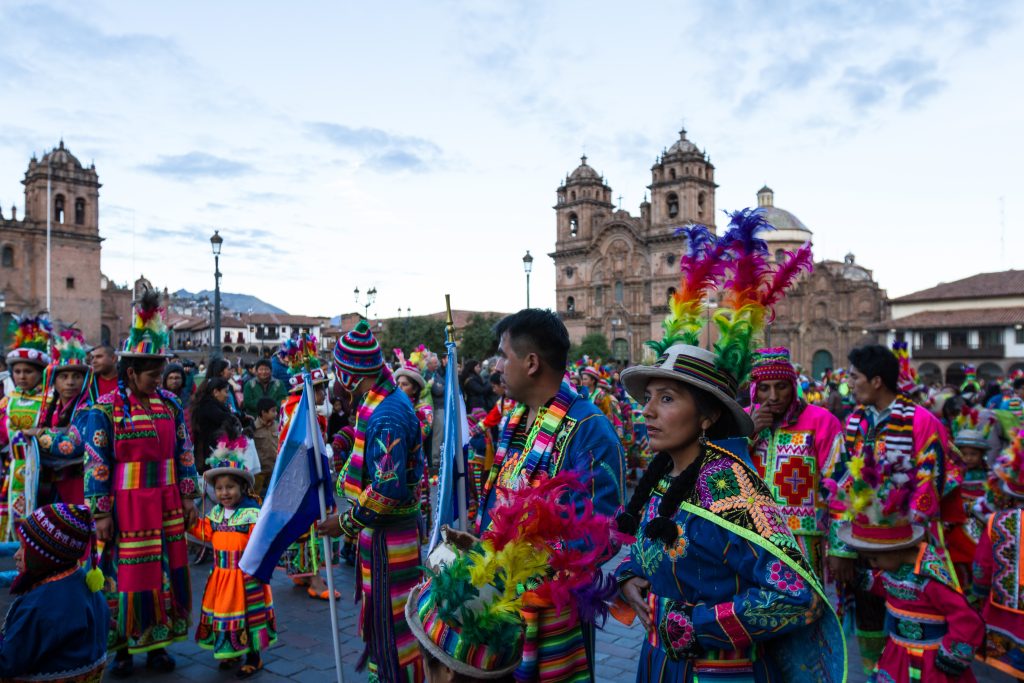
Historical Background of Carnival in Cusco: Andean Traditions, Raymi Celebrations, and Cultural Heritage
It is important to note that the most famous Carnaval in Peru takes place in the city of Cajamarca, located in the northwest of the country. Every year, the celebration gathers more than 50,000 participants and is widely known for its colorful parades, festive spirit, and joyful celebration. Attending the Carnaval de Cajamarca is truly unforgettable and offers a remarkable glimpse into Peru’s cultural diversity.
However, the Andean carnival in Cusco has its own identity and deep cultural meaning. Let’s focus on the celebrations in Peru’s southern Andes, where traditions have been preserved for centuries.
The Carnaval in Cusco has its origins in the colonial period, when Spanish customs merged with ancient Andean rituals. The fusion of European Carnival traditions with indigenous ceremonies created a unique mix of culture and history that still defines the celebration today.
The Spanish introduced the idea of Carnival as a period of festivities before the Lenten season, while Andean communities already celebrated agricultural rituals dedicated to Pachamama (Mother Earth) and other deities. These ancestral festivities, often connected with seasonal cycles and community gatherings, eventually blended with colonial celebrations.
Over time, this fusion gave rise to a distinctive Andean carnival characterized by music, dance, colorful outfits, and water games in the main streets of towns and villages. One of the most popular traditions is the playful custom where people throw water, foam, or colored powder during the celebrations a joyful way for locals and visitors to interact and join the celebration.
Today, Carnival in Cusco is a vibrant celebration that represents the resilience of Andean culture and the strong community spirit of the Cusco people. It is not only a festive event, but also a reflection of the region’s rich cultural heritage, where ancient traditions, colonial influences, and modern celebrations coexist.
For travelers exploring Cusco during Carnival, the experience offers a deeper understanding of local life in the historic center and surrounding communities. Alongside iconic attractions such as Machu Picchu, the carnival experience reveals another side of the region one filled with tradition, laughter, and unforgettable memories.
Key Dates for Cusco Carnival 2026: Parades, Festivities, and Cultural Celebrations in the City of Cusco
Carnival in Peru is celebrated in many different ways, as each region, town, and village has its own traditions and festive style. In Cusco’s Andes, the celebration reflects the region’s cultural identity, combining colorful traditional costumes, music, and dance. For travelers planning Peru travel or looking to experience Carnival, the festivities in Cusco are considered by many one of the best carnival celebrations in the southern Andes.
Carnival is one of the most anticipated celebrations of the year, bringing together families, communities, and visitors in a joyful atmosphere. Carnival is also a time when the city’s historic streets come alive with parades, performances, and gatherings that highlight Cusco’s traditions. The celebration is characterized by vibrant music, water games, traditional food, and groups performing the best dance and folkloric choreography in public squares.
If you are planning tours in Cusco, visiting during Carnival offers a special opportunity to see a different side of the city beyond famous attractions like Machu Picchu or the Inti Raymi Festival, also known as the Festival of the Sun. Below are the key dates for Cusco Carnival 2026 in the city and the Sacred Valley.
Día de las Comadres: Thursday, February 27, 2026
This day is dedicated to women and celebrates friendship, family bonds, and community within the Cusco Carnival traditions. Female friends, relatives, and neighbors gather to share traditional food, music, and joyful moments together. It is common to see women wearing colorful traditional clothing, especially polleras and embroidered garments, while participating in small parades and neighborhood celebrations. In many areas, symbolic dolls are displayed as part of the festivities, adding a playful and cultural touch to the day. Water games and the throwing of talcum powder are also part of the celebration, creating a lively and cheerful atmosphere throughout Cusco.
Día de los Compadres: Thursday, March 6, 2026
The male counterpart to Día de las Comadres, this celebration honors friendship and social bonds among men during the Cusco Carnival. Groups of friends gather in homes, streets, and local venues to enjoy traditional dishes, music, and drinks while taking part in humorous and festive activities. A well-known tradition includes hanging humorous or symbolic dolls that represent different characters, often reflecting satire and local humor. As in other carnival days, water games and powder throwing continue to fill the streets with laughter, energy, and friendly competition.
Main Carnival Day: Sunday, March 9, 2026
The highlight of the Cusco Carnival takes place on this day, when the city reaches its peak of celebration. Large parades fill the streets with dance groups from different neighborhoods and communities, each presenting traditional Andean choreographies accompanied by live bands and vibrant costumes. The Plaza de Armas of Cusco becomes the central stage, where locals and visitors gather to enjoy the performances, admire the diversity of cultural expressions, and take part in the festive atmosphere. Traditional foods and drinks are widely available, making it the perfect moment to fully experience the energy and authenticity of the Cusco Carnival.
Kacharpari: Sunday, March 16, 2026
Kacharpari marks the official closing of the Cusco Carnival season and represents a moment of gratitude, reflection, and farewell before the beginning of Lent. On this day, communities gather for one final celebration that includes music, dancing, and shared meals. It is also common to see traditional rituals symbolizing abundance and appreciation, often connected to Pachamama (Mother Earth). The atmosphere is both festive and meaningful, as people celebrate the end of the carnival while looking forward to the next year.
For visitors exploring Cusco during the Cusco Carnival, it is important to respect local customs and embrace the festive spirit. Since water games are a central part of the celebration, it is highly recommended to protect electronic devices and valuables. Wearing comfortable clothing and being open to participating in the traditions will enhance the experience. Taking part in these celebrations allows travelers to gain a deeper understanding of Cusco’s living traditions and its rich Andean cultural heritage.
What are the traditional activities?
Carnaval in Cusco and the Sacred Valley is marked by a range of vibrant, traditional activities that bring the community together. Each activity has its own significance and plays a part in the larger celebration. This will give you a glimpse of the vivid testimonial of the cultural and historical heritage.
- Yunza (Cortamonte): This is one of the most iconic traditions of Carnaval and involves the planting of a large tree, which is decorated with gifts such as food and a variety of objects. The tree is typically set up in a public space, and everyone gathers around to dance and sing. As the day progresses, the tree is shaken, and eventually, it falls. When it does, the crowd rushes to collect the gifts. This ritual symbolizes prosperity, renewal, and good fortune for the coming year.
- Water Fights and Talcum Powder: Adults, children, armed with water balloons, squirt guns, and buckets of water engage in battles in the middl of the streets. Powder is thrown at passersby, covering them in a layer of fun and symbolizing purification. It’s a messy but joyful tradition that visitors are encouraged to join in, but be prepared to be wet and powdered!
- Parades and Comparsas: The main place in Cusco becomes a vibrant stage for groups of friends, comparsas (groups of dancers and musicians), and other local bands. Participants wear traditional costumes and perform dances such as the huayno (a traditional Andean dance). The energy in the streets is thrilling, with the crowd clapping and cheering along to the rhythms of the music.
- Costumes and Masks: Many locals and visitors dress up for Carnaval. The costumes can range from traditional Andean to more humorous or fantastical creations. Masks are a big part of the celebration, with people wearing colorful and elaborate masks that embody traditional representations of Andean deities, exaggerated faces or animal figures.
- Rituals and Offerings to Pachamama: Many people perform rituals in honor of Pachamama, the Andean goddess of fertility and nature. You can either offer coca leaves, food, and flowers. All of this is placed on the ground, and prayers are made for good health, prosperity, and abundant harvest.
Is there any special food to eat during this period?
Food plays a central role in Carnaval celebrations. There are several traditional dishes only prepared during these festivities. Here are some of the most popular foods and drinks you should try:
- Puchero (or T’impu): This rich stew is at the core of the Andean diet and is often served during Carnaval. It combines beef and lamb with a variety of vegetables like potatoes, cabbage, and chickpeas, as well as fruits like peaches and pears. As you can easily guess, puchero symbolizes abundance and is a comforting dish.
- Chicharrón con Mote: Another delicious and hearty dish. This one is made with fried pork, served with mote (a kind of corn) and boiled potatoes. It’s a favorite among locals during Carnaval, and you’ll find it served in many street stalls throughout Cusco.
- Frutillada: this is a sweet drink made from fermented strawberries. It is a refreshing beverage that’s often enjoyed during Carnaval. Be careful, it has a slightly alcoholic percentage.
- Chicha de Jora: One of the most traditional drinks of the Andean region, chicha de jora is a fermented corn beverage that has been enjoyed for centuries by Incas in particular. It’s a slightly sour and fizzy drink, and it’s often consumed alongside meals.
- Ceviche: While not exclusively a Carnaval dish, ceviche is often served during the festivities in Cusco. The fresh fish, marinated in citrus juices and seasoned with chili peppers, is a refreshing dish that contrasts well with the heavier meats typically consumed during the festival.
Carnaval in the Sacred Valley
While Cusco is the epicenter of the Cusco Carnival, the Sacred Valley also hosts a series of smaller but equally vibrant celebrations that reflect deep-rooted Andean traditions. In towns like Ollantaytambo, Pisac, and Urubamba, locals gather for water fights, parades, traditional dances, and communal festivities that bring entire communities together. These celebrations are closely connected to agricultural cycles and gratitude to Pachamama (Mother Earth), giving the Carnaval in the Sacred Valley a strong cultural and spiritual meaning.
The Sacred Valley offers a more intimate and community-focused Carnaval experience, where visitors can interact more closely with locals and witness authentic traditions in a less crowded environment. In Ollantaytambo, for example, the streets come alive with music, dance, and traditional bands, while residents dressed in colorful costumes participate in rituals and festive activities that reflect their deep connection to the land and their ancestors.
Visitors to the Sacred Valley can enjoy a more relaxed and genuine version of Carnaval, while also appreciating the stunning natural beauty of the valley, surrounded by mountains, rivers, and ancient agricultural terraces that create a truly unique setting for the celebrations.
Travel Tips for Carnaval 2026
If you’re planning to visit Cusco and the Sacred Valley during the Cusco Carnival 2026, here are some essential tips to ensure you have the best experience:
- Book accommodation early: Carnaval is one of the busiest times of the year in Cusco, so it’s important to reserve your accommodation in advance. Hotels, hostels, and tours fill up quickly, and prices tend to increase as the main celebration dates approach.
- Dress knowing that you might get wet: Water fights and powder throwing are a central part of the Cusco Carnival traditions, so be prepared to get wet and messy. Wear clothes that you don’t mind getting dirty, and consider bringing a light waterproof jacket. Comfortable shoes are essential, as you’ll likely spend long hours walking, dancing, and standing in crowded streets.
- Stay hydrated and use sunscreen: The sun in Cusco and the Sacred Valley can be strong, especially at high altitude. Drink plenty of water throughout the day and use sunscreen, sunglasses, and a hat to protect yourself, particularly if you plan to spend extended time outdoors.
- Respect local traditions: While Carnaval is fun and energetic, it is also deeply rooted in local customs and cultural practices. Be respectful during rituals and ceremonies, and always ask for permission before taking photos, especially in rural communities where traditions are preserved more closely.
- Taste the local cuisine: Food is an important part of the Cusco Carnival experience. Take the opportunity to try traditional dishes and drinks prepared especially for the season, and enjoy the flavors that are part of this cultural celebration.