




1. What is the Choquequirao Trek?
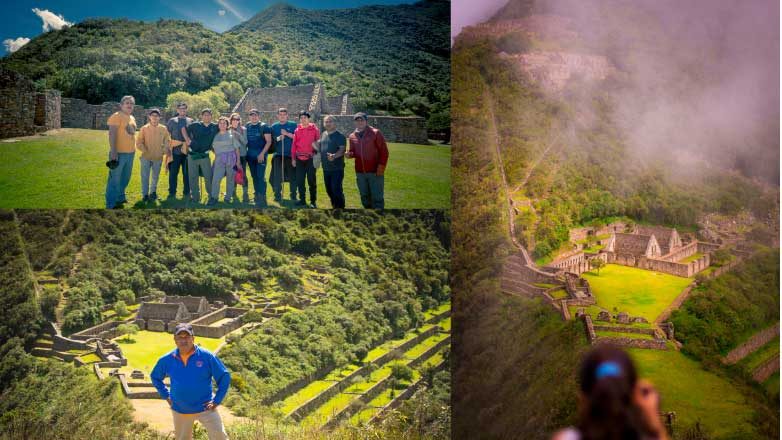
The Choquequirao Trek is one of Peru’s most spectacular multi-day hiking adventures, taking travelers deep into the Apurímac Canyon to reach the impressive Choquequirao Archaeological Complex, often called the “sister city of Machu Picchu.” Unlike more popular trekking routes, this expedition offers a remote and uncrowded experience through dramatic mountain landscapes, cloud forests, and ancient Inca trails.
Along the route, hikers pass traditional Andean communities, cross suspension bridges, and camp in scenic locations overlooking one of the deepest canyons in South America. Because only a small percentage of Choquequirao has been excavated, the site still retains an atmosphere of mystery and discovery. For travelers looking to experience authentic Inca history, breathtaking scenery, and true adventure away from mass tourism, the Choquequirao Trek is one of the best alternatives to the Classic Inca Trail.
2. How difficult is the Choquequirao Trek?
The Choquequirao Trek is considered a moderate to challenging hike due to its demanding elevation changes rather than extreme altitude. Trekkers spend several days climbing and descending steep mountain trails that cross the Apurímac Canyon, with daily hikes ranging from five to eight hours. The most physically demanding section is the long ascent from the Apurímac River to Marampata, where hikers gain nearly 1,500 meters (4,920 feet) of elevation in a single day. Although no technical climbing skills are required, good physical fitness and regular cardiovascular exercise before the trip are strongly recommended. Most travelers who prepare with hiking, cycling, or running can successfully complete the trek while enjoying the incredible landscapes and archaeological discoveries along the route.
3. How many days does the Choquequirao Trek take?
The classic Choquequirao Trek is completed over 5 days and 4 nights, providing enough time to hike through the Apurímac Canyon, fully explore the archaeological complex, and return comfortably to Cusco. During the expedition, trekkers camp at carefully selected locations such as Chikisca and Marampata, where they can enjoy panoramic canyon views and peaceful mountain surroundings. The itinerary is designed to balance challenging hiking days with sufficient time for rest and exploration, allowing visitors to appreciate the site’s impressive terraces, ceremonial plazas, temples, and agricultural sectors. Some travelers choose longer expeditions that continue from Choquequirao to Machu Picchu, but the five-day itinerary remains the most popular option for those seeking a complete and rewarding trekking experience.
4. What is the best time to hike the Choquequirao Trek?
The best time to complete the Choquequirao Trek is during Peru’s dry season, which runs from April to October. During these months, hikers usually enjoy clear skies, pleasant daytime temperatures, and safer trail conditions, making it easier to appreciate the spectacular views of the Apurímac Canyon and surrounding mountains. Between June and August, the weather is generally at its most stable, although nights can become quite cold at higher elevations. From November to March, the rainy season transforms the landscape into a lush green paradise, but heavy rainfall may create muddy trails and increase the difficulty of the hike. Regardless of the season, proper hiking gear and layered clothing are recommended due to the changing mountain weather.
5. Do I need a permit for the Choquequirao Trek?
Yes. Visitors must purchase an entrance ticket to visit the Choquequirao Archaeological Complex. Unlike the Classic Inca Trail, the Choquequirao Trek does not have a strict daily permit limit, making it easier to find availability throughout the year. When you book with a licensed local operator, your entrance tickets, transportation, camping logistics, meals, and guiding services are typically included in the tour package. Booking in advance is still recommended, especially during the dry season, to secure your preferred departure date and ensure all services are properly organized. Choosing an experienced operator also guarantees knowledgeable guides, quality camping equipment, and professional support throughout the expedition.
6. Is the Choquequirao Trek harder than the Classic Inca Trail?
Many experienced hikers agree that the Choquequirao Trek is physically more demanding than the Classic Inca Trail. While the maximum altitude is slightly lower, the trail involves much greater elevation gain and loss as it descends to the Apurímac River before climbing back toward the archaeological site. These continuous ascents and descents require endurance and strong leg muscles. However, the reward is an incredibly peaceful trekking experience with very few visitors, allowing hikers to enjoy nature and Inca history without the crowds commonly found on the route to Machu Picchu. For adventure travelers seeking a more challenging and authentic expedition, Choquequirao is often considered one of Peru’s finest trekking destinations.
7. What should I pack for the Choquequirao Trek?
Packing properly is essential for enjoying the Choquequirao Trek comfortably and safely. Travelers should bring well-broken-in hiking boots with good grip, lightweight trekking clothing, a waterproof jacket, warm layers for cool evenings, a sun hat, sunglasses, sunscreen, insect repellent, and a reusable water bottle. Trekking poles are highly recommended because they help reduce strain on steep climbs and descents. A small daypack should carry your daily essentials, including snacks, rain gear, a camera, and personal medications. Most tour operators provide a duffel bag carried by pack animals, allowing hikers to carry only what they need during each day’s walk. Packing light while bringing the right equipment greatly improves the overall trekking experience.
8. What wildlife can I see during the Choquequirao Trek?
The Choquequirao Trek passes through several ecological zones that support an impressive variety of wildlife and native vegetation. Depending on the season and weather conditions, hikers may spot the majestic Andean condor soaring above the canyon, colorful hummingbirds feeding on mountain flowers, butterflies, foxes, vizcachas, and many endemic bird species. The surrounding forests are also home to orchids, bromeliads, giant cacti, and diverse Andean plant life. Because the trail receives relatively few visitors compared to other trekking routes in Peru, wildlife often behaves naturally, creating excellent opportunities for photography and birdwatching. Every day on the trail offers something new to discover, making this expedition especially rewarding for nature lovers.
9. Is the Choquequirao Trek suitable for beginners?
The Choquequirao Trek can be completed by beginners who maintain a good level of physical fitness and prepare adequately before the trip. Although previous trekking experience is helpful, it is not mandatory. Travelers are encouraged to spend several weeks improving their endurance through activities such as hiking, running, cycling, or stair climbing. Spending at least two days acclimatizing in Cusco before starting the trek is also highly recommended to help your body adjust to the altitude. With proper preparation, professional guides, and a positive attitude, many first-time trekkers successfully complete the route and describe it as one of the most rewarding adventures of their lives.
10. Why choose the Choquequirao Trek instead of Machu Picchu?
Choosing the Choquequirao Trek means experiencing one of Peru’s last truly remote archaeological adventures. Unlike Machu Picchu, which welcomes thousands of visitors each day, Choquequirao remains peaceful and largely unexplored, allowing hikers to enjoy its temples, terraces, ceremonial plazas, and spectacular viewpoints in complete tranquility. The journey itself is equally rewarding, passing through dramatic mountain landscapes, deep canyons, and traditional Andean environments rarely visited by mass tourism. Many travelers consider Choquequirao a more authentic experience because it combines physical challenge, breathtaking scenery, and rich Inca history without large crowds. For those seeking an unforgettable expedition that goes beyond the classic tourist route, the Choquequirao Trek offers an adventure unlike any other in Peru.