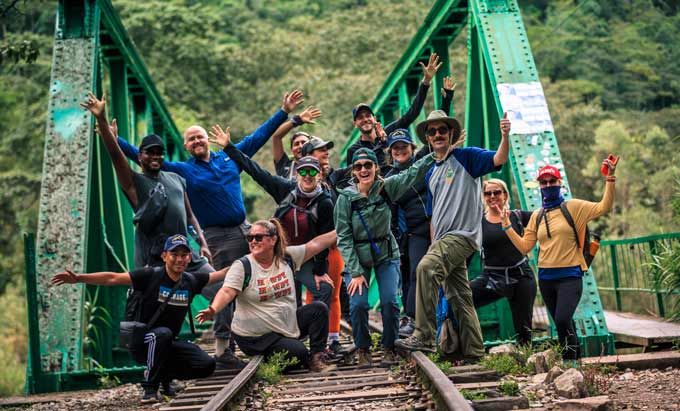




Inca Jungle Trek 4 Days in Peru: Classic Inca Jungle Trail, Biking, Rafting & Jungle Adventure to Machu Picchu
If you’ve ever dreamed of a journey that blends adventure, culture, and breathtaking landscapes, the Inca Jungle Trek is an experience you simply can’t miss. This 4-day route to Machu Picchu offers a unique alternative to traditional trekking, taking you deep into the lush landscapes of the Peruvian Andes and the edge of the jungle.
The Inca Jungle Trek is not just a hike combines trekking, breathtaking scenery, ancient Inca history, and vibrant culture, the 4-day Inca Jungle Trek to Machu Picchu is the experience you cannot miss.
What makes this route truly special is the variety. One moment you’re surrounded by cloud forest, the next you’re enjoying warm jungle weather after descending from the high Andes. It’s an immersive experience that connects you with both nature and history in a way few treks can.
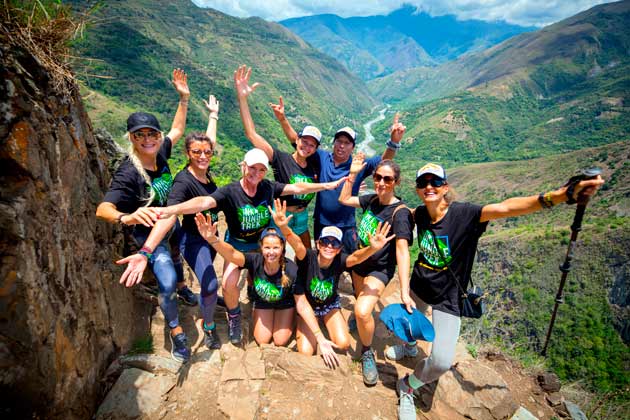
Discover the Inca Jungle Trail to Machu Picchu
Discover the Inca Jungle Trail to Machu Picchu
The Inca Jungle Trail to Machu Picchu is more than just an alternative route it’s an experience that feels alive from the very first moment. Unlike the classic trek, this journey blends adrenaline, culture, and nature in a way that keeps every day fresh and exciting, all while avoiding the heavy crowds of the traditional Inca Trail.
Over the course of this 4-day adventure, you don’t just hike you connect with the landscape in different ways:
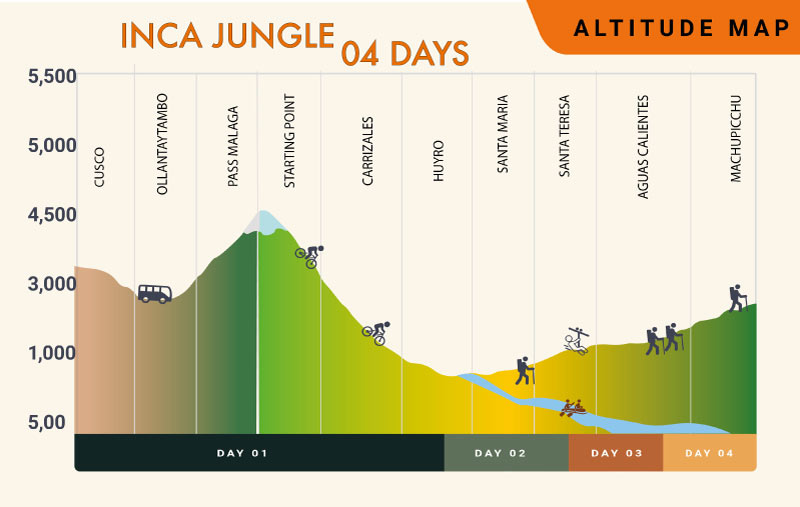
- Mountain biking through dramatic Andean landscapes
Imagine descending from high mountain passes into the warm edge of the jungle, with mist rising from the valleys and endless green stretching in front of you. It’s one of those moments where you just stop and take it all in. - Rafting on the Vilcanota River
Feel the rush as you navigate the river’s rapids, surrounded by dense vegetation and the sounds of the rainforest. It’s not just about adrenaline it’s about being immersed in nature. - Hiking ancient Inca paths
As you walk along original stone trails built centuries ago, you begin to sense the history beneath your feet. These paths once connected vast parts of the Inca Empire, and today they lead you closer to the wonder of Machu Picchu.
What really makes this trek special is its balance. One moment you’re sharing stories with locals in small jungle communities, and the next you’re surrounded by waterfalls, coffee plantations, and tropical fruit farms. The guides don’t just lead the way-they bring the journey to life with stories about Inca traditions, local culture, and hidden archaeological spots you might otherwise miss.
This trek is perfect if you’re looking for something more personal and less rushed a trail where you can slow down, enjoy the journey, and still arrive at the breathtaking sanctuary of Machu Picchu with a real sense of accomplishment.
By the time you finally reach the citadel, it doesn’t just feel like a destination it feels earned.
Experience Breathtaking Nature & Adventure
The Inca jungle trek takes you through an incredible range of ecosystems, from lush tropical rainforests to high-altitude Andean peaks, showcasing the extraordinary biodiversity that Peru is known for. As you move along the route, you will experience dramatic changes in landscape, climate, and vegetation, creating a constantly evolving and immersive journey.
Along the inca jungle trek, you may spot exotic birds such as toucans and hummingbirds, playful monkeys swinging through the trees, and a wide variety of unique plant species, including orchids and native medicinal plants. This journey through the jungle is not only an adventure but also an opportunity to connect with one of the most biologically rich environments on the planet.
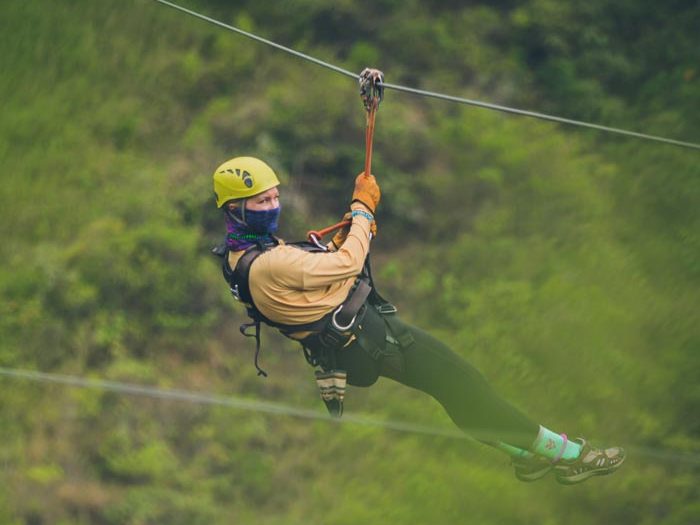
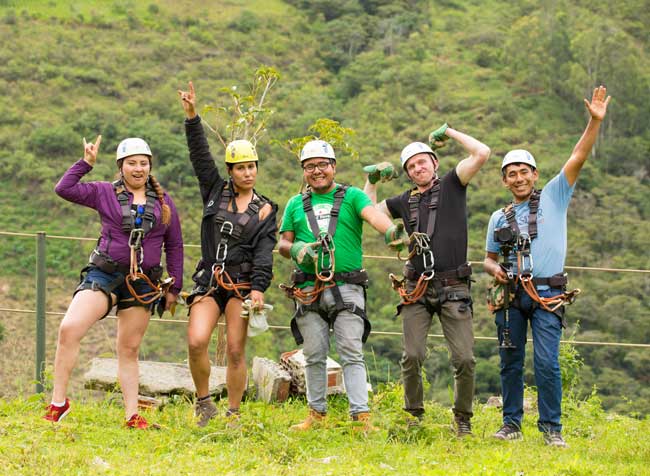
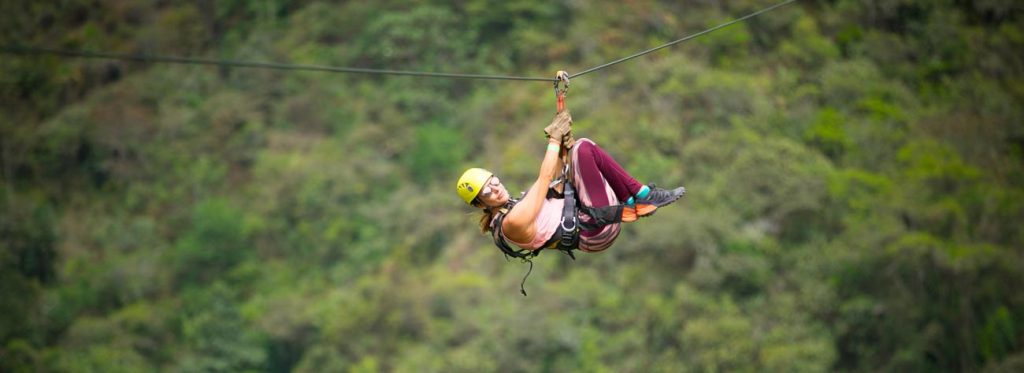
For adventure seekers, the experience goes far beyond traditional trekking. The Inca Jungle route includes thrilling activities such as mountain biking along scenic mountain roads, white-water rafting through rushing rivers, and optional zip-lining for those looking for an extra adrenaline boost. These activities are carefully integrated into the journey, offering a perfect balance between excitement and exploration.
In addition to adventure, the trek also provides moments of relaxation and cultural connection. Travelers often spend time near local villages, where they can observe traditional lifestyles, and enjoy natural hot springs surrounded by mountains and jungle scenery. These peaceful moments offer a chance to recharge before continuing the journey.
Highlights of the Inca Jungle Trek
- Stunning views of Machu Picchu mountain and the surrounding Andes.
- Explore Inca sites along the route, rich in history and culture.
- Optional activities with extra cost, including mountain biking and rafting.
- Relaxation in natural hot springs after a day of trekking.
- Itinerary designed to balance adventure, culture, and breathtaking scenery.
- Less crowded alternative to the classic Inca Trail, perfect for a more personal experience.
Arrive at Machu Picchu
The highlight of this adventure is, of course, your visit to Machu Picchu. Your trek culminates with a tour of Machu Picchu, where your tour guide will reveal the secrets of this ancient Inca site. Whether you choose to hike Huayna Picchu for an extraordinary view of Machu Picchu, or explore the ruins at your own pace, this experience will leave you with memories to last a lifetime.
For those seeking adventure, culture, and nature in one extraordinary journey, the Inca Jungle Trek to Machu Picchu is the ultimate choice. From thrilling activities along the jungle trek to Machu Picchu to the awe-inspiring arrival at the Inca citadel, this expedition perfectly blends excitement, discovery, and the magic of the Andes.
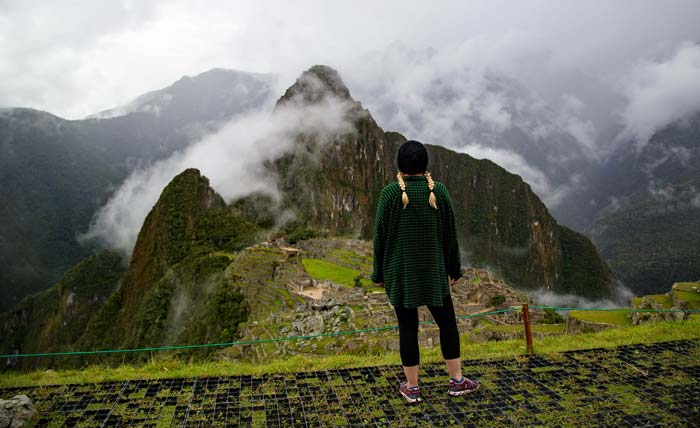
What is the Inca Jungle Trek exactly?
The 4-day Inca Jungle Trek is an alternate trekking route that links Cusco with the Inca archaeological sites of Machu Picchu. It winds through jungle regions and Andean valleys, offering adventure, culture, and nature. Unlike the classic Inca Trail, this trail typically has fewer people and includes extra activities like zip-lining, rafting, and cycling.
Recently, the Inca Jungle Trail 4 days has gained popularity among travelers seeking a thrilling experience before reaching the legendary Inca citadel.
Inca Jungle Trail History and Culture
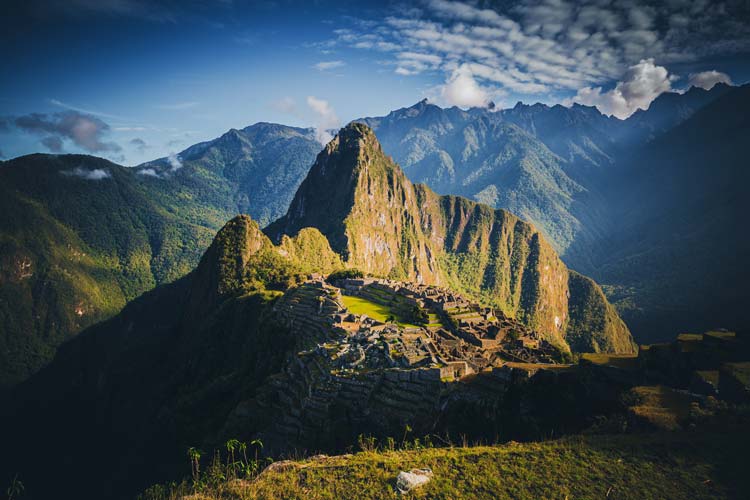
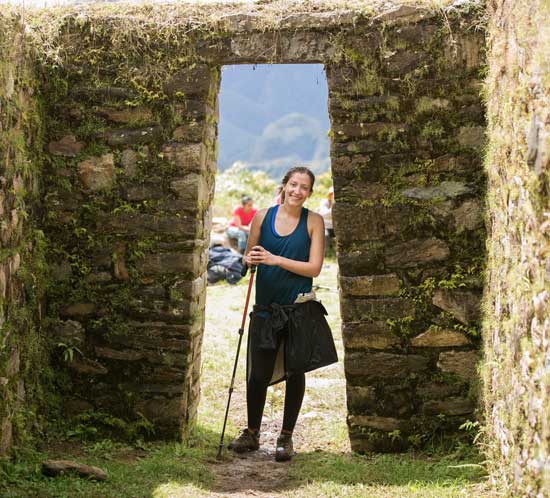
The Inca Jungle Trail is a meaningful journey that ties us to the rich history of the ancient Incas, in addition to being a hiking route for adventurers. This route, which has endured over the ages, traces paths that the Incas previously utilized when they ruled over a large portion of South America. Although this road was not intended to lead to Machu Picchu, it was an important historical route in the Inca Empire’s communication system because it was a component of a network of paths that linked the Sacred Valley with the Amazonian lowlands.
Travelers can experience a wide range of natural settings throughout the route, from the lush and enigmatic Amazon jungle to Andean valleys encircled by majestic mountains. One of the most intriguing features of the Inca Jungle Trail is the contrast between two environments. The path also travels through charming mountain towns where indigenous customs continue to have a significant influence on daily life. The region’s agricultural pillars, coffee and coca, are grown here, giving visitors the chance to engage with people that have preserved their ancient traditions for centuries.
One of the most rewarding aspects of this trip is the opportunity to engage with the local culture. Along with learning about the Inca Empire’s historical past, you will also have the opportunity to learn about the traditions and lifestyles that are still practiced in Andean and Amazonian cities. Travelers learn more about the close connection between history, nature, and the customs that make this region of the world come to life through the tales of local guides and conversations with locals.
It’s a chance to discover how the Incas continue to impact these tribes’ daily lives, their traditional farming methods, and their current spiritual beliefs.
Why choose the Inca Jungle Trek?
While the classic Inca Trail is famous, the Inca Jungle Trail Machu Picchu offers an equally thrilling adventure with several unique advantages.
Variety in Activities
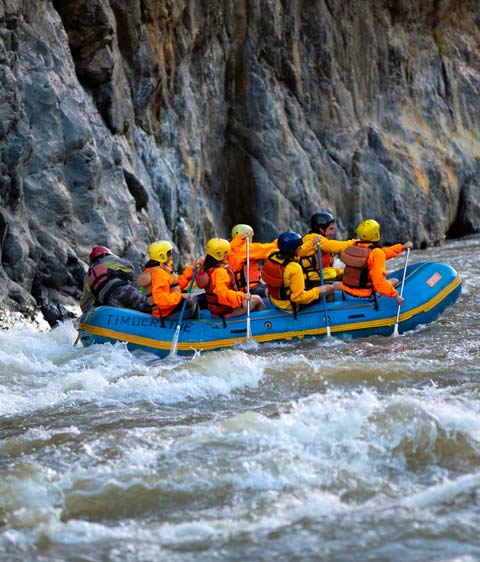
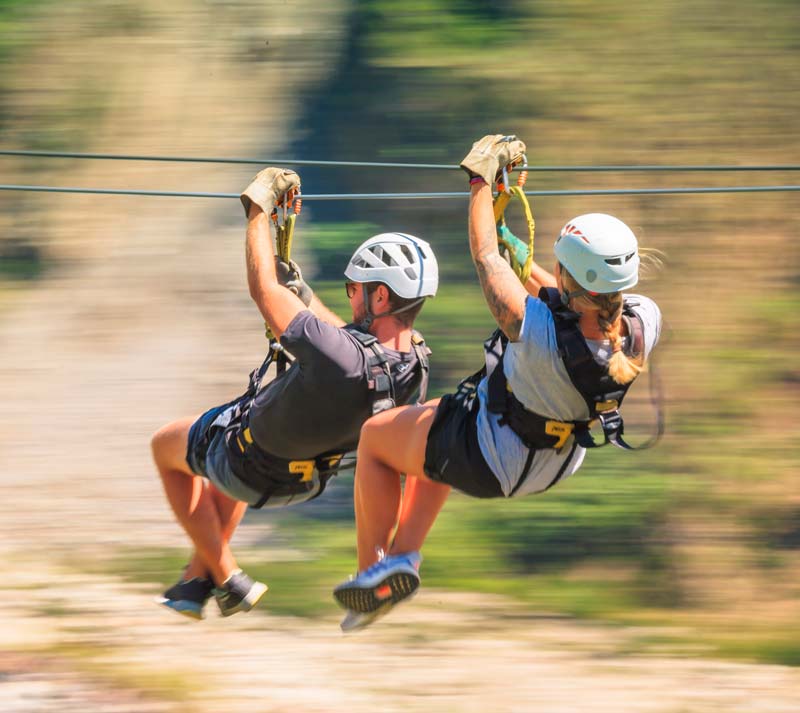
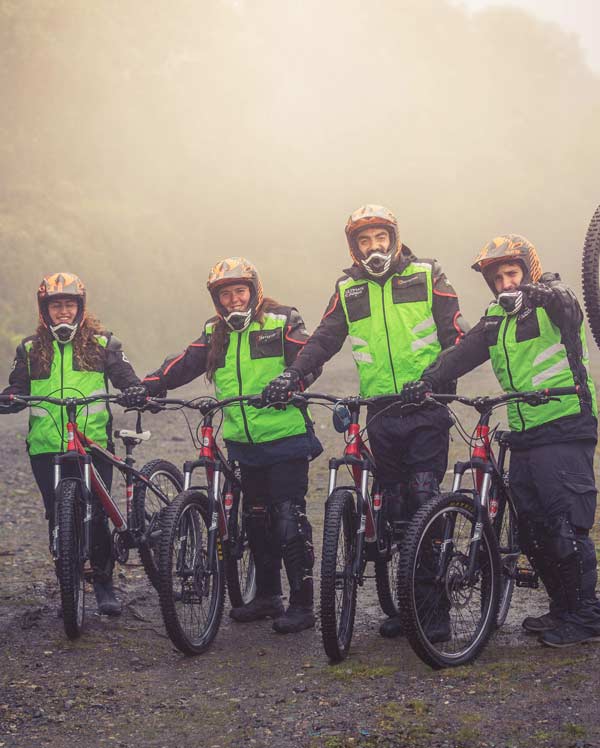
The range of activities available on the Inca Jungle Trail is one of the primary factors that make it superior to other routes. The Inca Jungle Trail lets you engage in various thrilling activities, unlike the conventional Inca Trail, which is only suitable for hiking. For those looking for more than just a hike, this route offers activities like zip-lining over breathtaking jungle panoramas, mountain biking down the high Andes slopes, and rafting on the Vilcanota River’s rapids. The Inca Jungle Trail is a more exciting and dynamic choice for adventure seekers because each activity offers a different approach to experience nature and adrenaline.
Reduced Crowds
The Inca Jungle Trail is still far less congested than the regular Inca Trail, even with Machu Picchu’s widespread fame. This implies that you’ll have the opportunity to experience a more tranquil hike and a closer bond with the natural world. While the Inca Trail attracts thousands of tourists each year, the Inca Jungle Trail offers a more intimate setting, with fewer groups and more space to appreciate the beauty of the landscape without the typical crowds. Those looking for a less marketed and more intimate experience will find this option particularly intriguing. The trip will feel much more genuine and tranquil as you get closer to the local people and the natural surroundings.
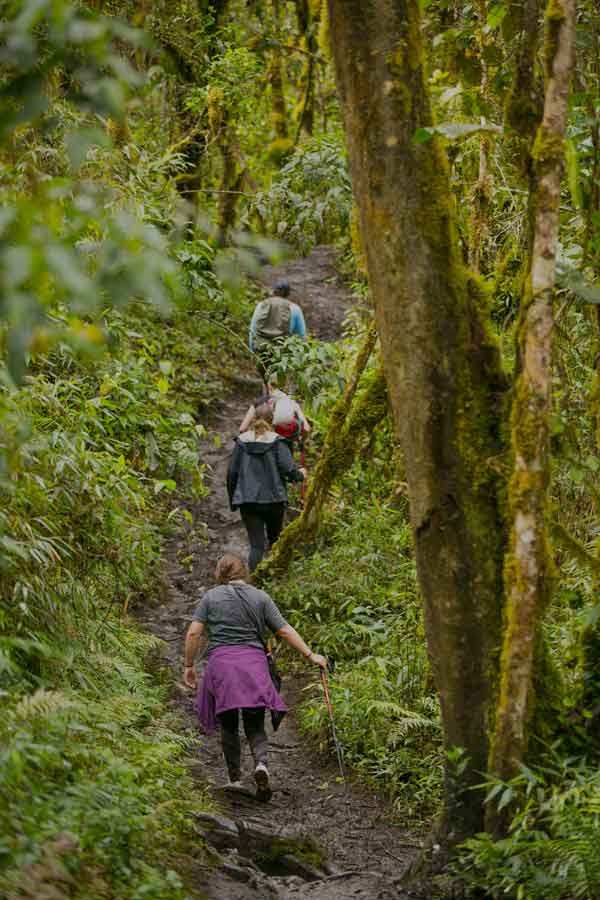
Engaging with the Local Culture
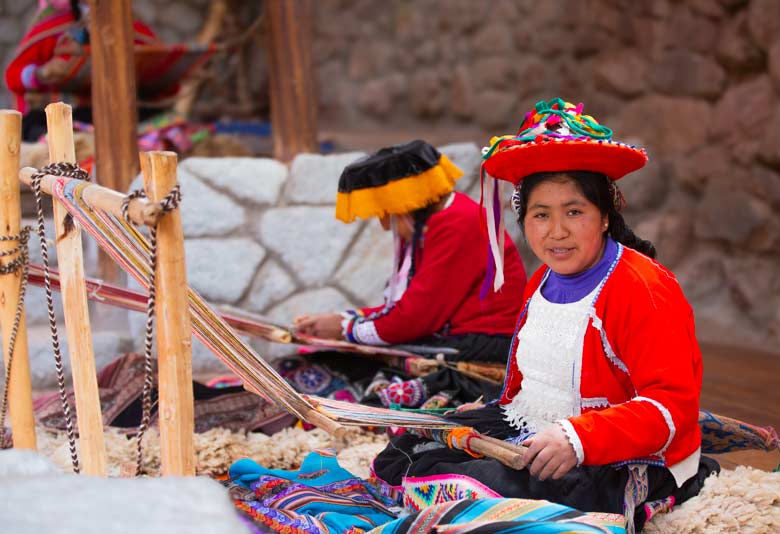
The opportunity to engage directly with local communities is one of this route’s greatest assets. The Inca Jungle Trail takes you through several remote towns in the Andean and Amazonian regions, where you can get up close with the traditions and ways of life of Andean and Amazonian communities. Here, travelers have the opportunity to learn about local agriculture, especially the cultivation of coca and coffee, which are fundamental to the region’s economy and culture.
These towns serve as a window into the past, showcasing customs and rituals that have endured over time. The inhabitants of these communities keep their ancestral traditions alive. This cultural interaction transforms the trek into an educational, emotional, and enriching experience that will help you connect more deeply with the region.
Unparalleled Landscapes
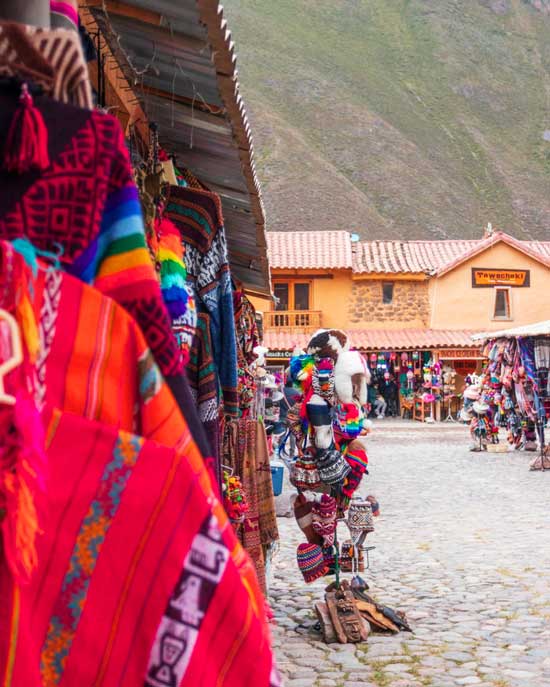
The Inca Jungle Trail offers an impressive variety of landscapes that can’t be found anywhere else. The journey begins in the high, snow-covered peaks of the Andes, where the cold and clean mountain air creates a unique atmosphere. As you descend, the landscape changes dramatically: the climate becomes warmer, and the vegetation grows lusher, leading travelers into the tropical landscapes of the Amazon.
Each day on the trail brings new sensory surprises. The Inca Jungle Trail offers a plethora of visual delights, from verdant valleys enveloped in dense morning mist to pristine rivers meandering through profound canyons. The route takes you through cloud forests, across hanging bridges, and allows you to admire the unique flora and fauna of the region.
Tips for the Journey
Pack the Right Gear
The weather like on the Inca Jungle Trail is unpredictable. Pack layers for cold and warm temperatures, a waterproof jacket, and proper hiking boots for sections of the trail.
Maintain Fitness
Although the Inca Jungle Trail requires only moderate fitness, preparation will ensure you enjoy all activities, from trail trekking to rafting and mountain biking.
Stay Hydrated and Bring Snacks
Energy snacks and water are crucial, especially in hot jungle regions. Nuts, granola bars, and dried fruits provide long-lasting energy during your trek.
Respect Nature and Local Customs
The trail or the Inca Jungle passes through fragile ecosystems and communities. Respect wildlife, local traditions, and historical sites to ensure the preservation of the ancient Inca city of Machu Picchu.
Pack the Right Gear

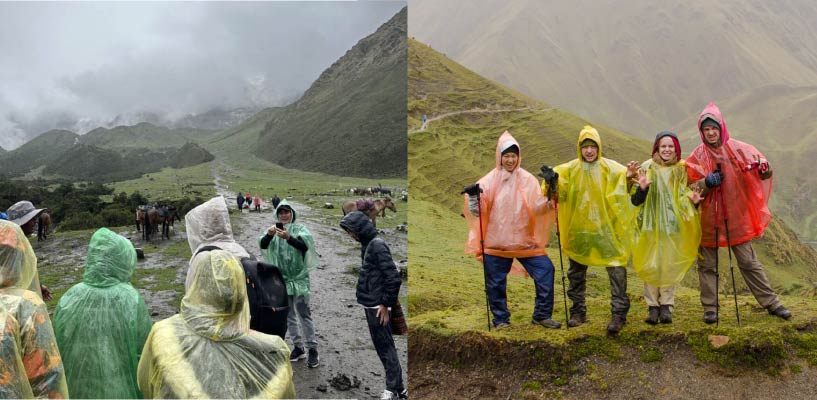
The weather in the Andes is notoriously unpredictable, so it’s essential to pack appropriate clothing to handle changing conditions along the route. Nights can be cold, especially at higher altitudes, so bringing a light jacket or coat is crucial to staying comfortable and warm. On the other hand, during the day, the sun can be forceful, particularly in lower areas, so it’s important to wear lightweight, breathable clothing to help regulate your body temperature and avoid overheating.
Additionally, it’s advisable to have an extra layer of protection against cold and rain. Having a waterproof jacket or poncho will be beneficial, given the rapid weather changes and frequent rain in certain areas of the trail. Being prepared for weather variations will allow you to enjoy the trek without worries.
Don’t forget to bring a good pair of hiking boots that provide adequate support for long walks, especially on steep descents and ascents. Proper footwear will help prevent injuries and ensure greater stability, protecting your feet from potential twists on the uneven Andean terrain.
Maintain a Moderate Level of Fitness
Although the Inca Jungle Trail may not be as demanding as other high-level treks, it’s crucial to maintain a moderate level of fitness to fully enjoy the experience. The hikes can be long, and although they’re interspersed with exciting activities like rafting and mountain biking, some sections of the trail include steep slopes that can test your endurance.
To enjoy the adventure without issues, I recommend preparing physically before the trip. Endurance training, such as long walks, hiking on uneven terrain, and cardiovascular exercises, will help better adapt to the demands of the trek. Additionally, training your muscles for uphill and downhill climbs will allow you to face the trail’s challenges with greater confidence and comfort.
While you don’t need to be a professional athlete, proper preparation will enable you to fully enjoy all the activities on the route, from hiking to the thrilling experiences of rafting and cycling.

Stay Hydrated and Bring Enough Snacks
Hydration is crucial throughout the Inca Jungle Trail. As you progress along the trail, it’s vital to maintain your water levels to avoid dehydration, especially when passing through the hotter sections of the route. Although guides will provide you with enough water, it is always recommended to bring an extra reserve.
In addition to hydration, energy snacks are essential to maintain your energy levels throughout the day. The hiking days can be long and demanding, so it’s important to have options that provide sustained energy. Bring nuts, granola bars, dried fruits, or any other lightweight, nutritious food that’s simple to carry. These snacks will help you recharge quickly during the hike without needing to stop for long periods. Make sure to choose options that are easy to eat and provide a balanced mix of carbohydrates, healthy fats, and proteins.
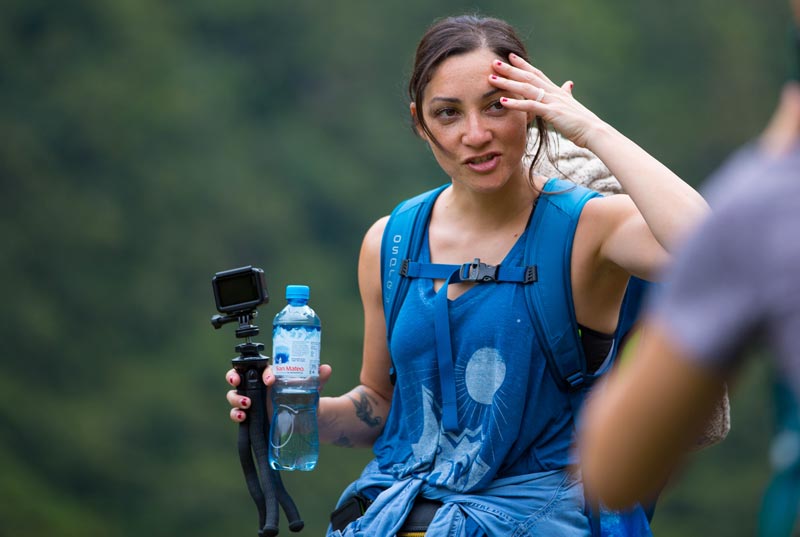
Respect the Natural Environment and Local Customs
The Inca Jungle Trail passes through some of the most fragile and diverse ecosystems on the planet, ranging from the towering Andes to the dense Amazon rainforest. Local communities rely on these ecosystems for food and culture, as well as world biodiversity. As you travel along the trail, it’s essential to consider the impact your actions may have on the environment.
The trails you walk were built by local communities over centuries of tradition, and their preservation is crucial to maintaining the integrity of the route. Accumulating trash or damaging vegetation degrades the landscape and affects wildlife, water resources, and the overall health of the natural environment. Therefore, it’s essential to follow the principles of “leave no trace,” which include carrying all your trash with you, not interfering with local flora and fauna, and respecting the signs of guides and park authorities.
Regarding local customs, the communities along the Inca Jungle Trail have an ancestral relationship with the land, and their traditions and ways of life have been preserved through harmonious coexistence with nature. Respecting these customs is a way to show appreciation for their cultural heritage and ensure their traditions continue to be valued. This means being mindful of local norms, such as appropriate clothing, respectful behavior when interacting with residents, and acknowledging their values and beliefs.