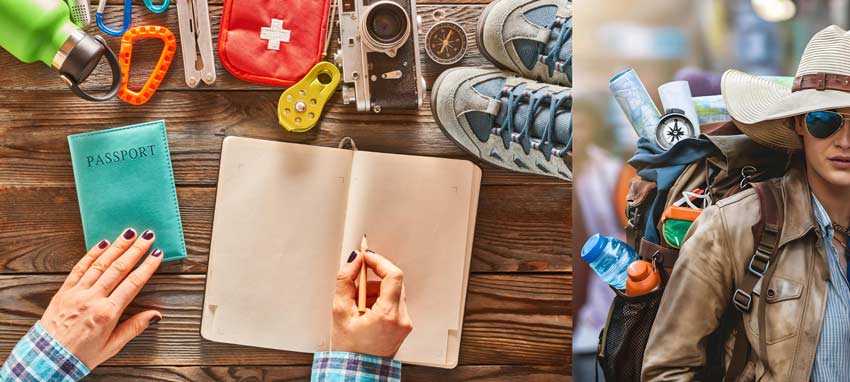




How to Plan Your Trip to Cusco: Essential Travel Tips for Visiting Machu Picchu, Day Trips, and More
Travel Tips for Cusco: Cusco is more than just the gateway to Machu Picchu, it’s a city full of history, culture, and life. These travel tips will help you enjoy the city at your own pace and make the most of your time, whether you’re exploring its historic streets, visiting local markets, or planning trips to Machu Picchu.
One of the most important things when arriving in Cusco is to give your body time to adapt to the altitude. It’s normal to feel it on your first day, so take things slowly. Drink plenty of water, rest when needed, and keep your activities light. Even simple things like walking through the cobblestone streets, visiting the Plaza de Armas, or exploring a local market are perfect to start getting used to the city without pushing yourself.
It also really helps to plan your trips in advance, especially if you’re visiting Machu Picchu or taking day trips around Cusco and the Sacred Valley. Having your transport, entrance tickets, and schedules organized ahead of time will make everything smoother and let you enjoy the experience without unnecessary stress.
Food is also part of the journey in Cusco. During your first day or two, start with lighter meals while your body adjusts, and then slowly explore more local dishes like ceviche, lomo saltado, ají de gallina, or alpaca. Eating at clean, recommended restaurants will make the experience both safe and enjoyable.
Another important tip is to not rush your itinerary. Cusco is not a city to “check off” quickly it’s a place to experience. Some of the best memories come from simple moments like sitting in a café, watching life in the main square, walking without a fixed route, or trying fresh juices in the local markets.
At the end, these Travel Tips for Cusco are really about balance: taking care of your body, planning smartly, and still leaving space to enjoy the unexpected. That way, your time in Cusco and your visit to Machu Picchu become not just a trip, but a much richer experience.
Discover Cusco: A City of History and Culture
Located at a high altitude of around 3,400 meters (11,200 feet) above sea level, Cusco was once the capital of the powerful Inca Empire. It served as the political, religious, and cultural center of the Inka civilization, and many of its ancient structures still remain today.
Today, Cusco blends Inca architecture with Spanish colonial influence, creating a city filled with impressive stone walls, historic churches, and colorful streets. When wandering around the historic center, visitors will notice how perfectly cut Inka stones were used as foundations for colonial buildings.
One of the best places to start an enjoyable walk around the city is the iconic Plaza de Armas. This square is surrounded by colonial arcades, cafés, and historic churches, and it remains the heart of daily life for the people in Cusco.
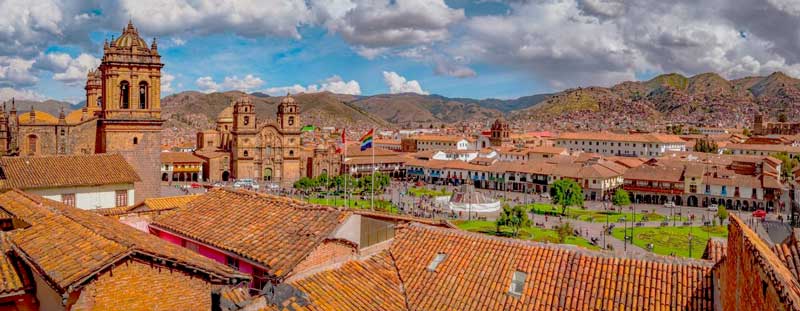
From the main square, visitors can explore the charming neighborhood of San Blas, known for its artisan workshops, viewpoints, and narrow streets. Many cafés and galleries are located right next to San Blas, making it a perfect area for photography and relaxation.
Nearby, the impressive fortress of Sacsayhuamán sits on a hill overlooking Cusco, offering spectacular views of the city and demonstrating the incredible engineering of the Inka civilization.
Cusco is also the main starting point for travelers who want to head to Machu Picchu, hike the famous Inca Trail, or explore the Sacred Valley. Because of this, the city has become one of the most visited destinations in South America.
First of all: be prepared for the altitude
Located over 3,000 meters above sea level, Cusco can affect travelers arriving from lower elevations. Many experience altitude sickness, locally known as soroche, especially when flying in directly.
Common symptoms include headache, dizziness, fatigue, nausea, and shortness of breath. These are usually mild, but they can impact your first days if you don’t take precautions.
The most important step is to give your body time to adapt. Plan to rest during your first 24 hours in Cusco and avoid intense physical activity. Walking slowly, avoiding stairs when possible, and not rushing your itinerary can make a big difference.
Hydration is key. Drink plenty of water throughout the day and avoid alcohol during your first days, as it can worsen symptoms. Eating light meals also helps your body adjust more easily.
Many travelers use coca tea, a traditional local remedy, to help relieve symptoms. It’s widely available in hotels and restaurants and can be part of the acclimatization process.

If you plan to do trekking activities like the Inca Trail or other hikes, it’s highly recommended to spend at least 1–3 days in Cusco or the Sacred Valley before starting. This significantly reduces the risk of altitude-related issues.
Pay attention to your body. If symptoms worsen or don’t improve with rest, it’s important to slow down and, if necessary, seek medical advice.
Taking altitude seriously will help you enjoy your time in Cusco and make the most of your experience without unnecessary discomfort.
Recommendations
- Take an easy day upon arrival in order to acclimatize. Spend your first hours wandering around the historic center rather than doing intense activities.
- Hydration is essential, so drink plenty of water and eat light meals. Soups and fresh fruit juices are very common and helpful.
- Avoid demanding activities the first days to adapt to the environment. Try to schedule your first hike or tour after at least one day of rest.
- Drink coca leaves’ infusions; this traditional Andean beverage has been used for centuries to help reduce altitude symptoms.
- Avoid alcoholic beverages and very heavy meals during your first night.
These useful travel tips and insights can make your first days in Cusco much more comfortable.
Clothing and footwear
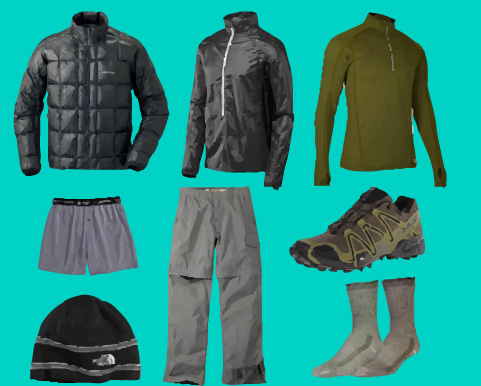
Cusco has a very variable mountain climate, with temperature changes throughout the day: cold mornings, sunny afternoons, and chilly evenings. For this reason, it is best to dress in layers.
Bring lightweight clothing such as t-shirts, combined with a sweater or fleece, and a light jacket. For evenings or colder areas, it is important to include a warmer jacket. This way, you can easily adapt to changing weather conditions.
For the lower body, comfortable trekking pants or flexible travel pants are the best option, as they allow you to move freely while walking around the city or during excursions.
Footwear is essential. Many streets in the historic center are cobblestoned and sloped, so it is recommended to wear comfortable sneakers or trekking shoes with good grip and support. This will help prevent fatigue and discomfort.
It is also recommended to bring comfortable, breathable socks, especially if you plan to walk for several hours.
Due to the altitude, the sun can be very strong even when the weather feels cool. Don’t forget to bring:
- Hat or cap
- Sunglasses with UV protection
- Sunscreen (SPF 30 or higher)
- Lip balm with SPF
- Buff or neck scarf
- Small day backpack
- Wet wipes or toilet paper
- Hand sanitizer
- Insect repellent
Finally, a waterproof jacket or poncho is useful, as the weather can change quickly and unexpected rain may occur.
With the right clothing and footwear, you’ll be able to enjoy Cusco comfortably without worrying about the weather.
Be careful with water and food

In Cusco, do not drink tap water. Use bottled or properly filtered water at all times, including for brushing your teeth. Ice is generally safe in established restaurants, but not always in smaller places.
Choose where you eat carefully. Go for places that are clean, organized, and have regular customer flow, as this usually means fresher food and better handling.
During your first days, avoid heavy or unfamiliar meals. Your body is adjusting to the altitude, so it’s better to start with simple, well-cooked food.
Limit raw foods like salads unless you are in a reliable restaurant. The same applies to street food that isn’t prepared on the spot and fruits that are already cut. Instead, stick to freshly cooked dishes served hot and fruits you can peel yourself.
Basic hygiene matters. Clean your hands before eating, avoid mixing too many new foods at once, and keep portions moderate at the beginning.
You can enjoy local cuisine without problems if you choose the right places. Dishes like ceviche, lomo saltado, ají de gallina, or alpaca.
Markets are a good option, but pick stalls that are clearly clean and have constant turnover.
How to get around Cusco
Getting around Cusco is relatively easy, and there are several options depending on your needs, budget, and comfort level.
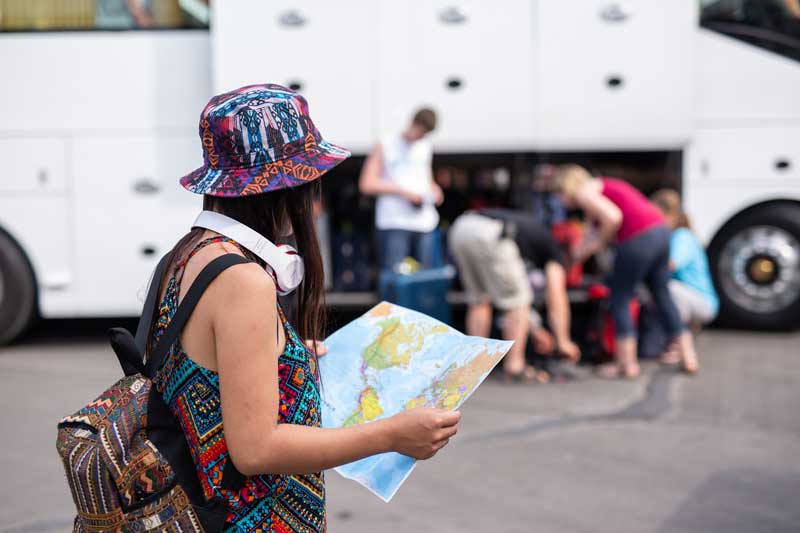
Taxis
Taxis are convenient for short distances, especially at night, when carrying luggage, or when traveling uphill. It’s important to agree on the fare before starting the trip, as most taxis don’t use meters. Alternatively, you can use ride-hailing apps like Uber or Beat, which offer fixed prices and are generally safer for tourists.
Combis (Minibuses)
Combis are small public minibuses used by locals. They are extremely cheap and cover many routes across the city. While they are convenient and budget-friendly, they can be confusing for first-time visitors because routes are not always clearly marked. Riding a combi is an authentic local experience, but it’s best to ask locals for directions if you’re unsure.
Trains
If your main destination is Machu Picchu, the train is the primary option. Most travelers depart from Ollantaytambo to Aguas Calientes, the town at the base of Machu Picchu. From there, you can take a shuttle bus or hike up to the citadel. Train tickets should be booked in advance, especially during the high season, as trains often sell out quickly. For a more scenic experience, some travelers choose the Vistadome or Expedition trains, which offer large windows for spectacular views of the Sacred Valley.
Walking
The historic center of Cusco is compact and very walkable. Many of the main attractions such as the Plaza de Armas, Qorikancha, and local markets are within easy walking distance. Wandering on foot is not only practical but also allows you to enjoy the city’s colonial streets, hidden plazas, and vibrant local life at your own pace. Comfortable shoes are highly recommended, as many streets are cobblestoned and uphill.
Other Tips
- Renting a bicycle is also possible for short trips or exploring nearby neighborhoods, though be careful with the hilly terrain.
- For longer day trips outside the city, such as to the Sacred Valley or Rainbow Mountain, organized tours or private transportation are the safest and easiest options.
- Always carry small change for taxis, combis, or local markets, as many drivers and vendors may not have larger bills.
By combining taxis, walking, and public transport wisely, you can explore Cusco efficiently, enjoy its charm, and plan your day trips with ease.
Traveling with children
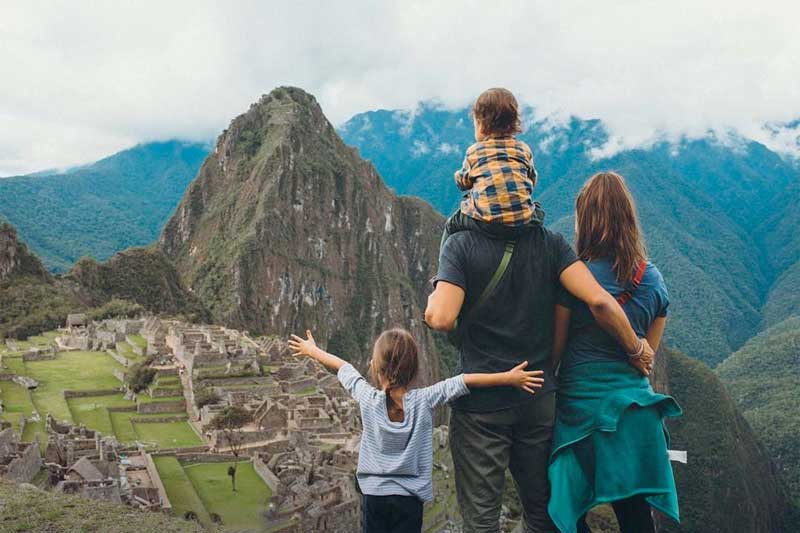
Exploring Cusco with children can be an incredible experience, but it requires making smart decisions from the start. The key is not to do more activities, but to do them in the right order and at the right pace.
Arriving directly in Cusco can be challenging due to the altitude, especially for younger children. For this reason, it’s best to avoid scheduling tours on the first day and instead focus on resting, adjusting, and doing light activities. Even walking too much or eating heavy meals can affect how they feel during the first hours.
It’s also important to understand that even though everything may seem close, getting around Cusco takes more time than expected. Steep streets, stairs, and a slower pace when traveling with children make distances feel longer. For this reason, it’s better to avoid tight itineraries and allow time for breaks.
Not all tours are suitable for families. It’s best to choose shorter activities, ideally half-day experiences, in places where children can move freely. Open spaces, plazas, and large archaeological sites tend to work better than long or rigid tours.
At high altitude, it’s normal for children to get tired more quickly, eat less, or have lower energy levels. To manage this, offer light snacks throughout the day instead of heavy meals, take frequent breaks, and plan activities in the morning while keeping afternoons free for rest.
It’s also important to avoid very early tours, as many start between 4:00 and 6:00 a.m. This can affect rest and slow down the acclimatization process. Whenever possible, choose later start times and maintain a consistent sleep routine.
One detail many travelers overlook is access to bathrooms. Public restrooms are not always available, and some require payment or may not be in good condition. It’s a good idea to use facilities before leaving your hotel or restaurant, carry small coins, and bring tissues or wet wipes.
When moving around the city, keeping things simple is best. Taking taxis for direct routes is usually more comfortable than combining multiple forms of transportation. The fewer changes and complications, the easier the day will be for everyone.
Internet connection is not always reliable, especially during excursions, so it’s important to download maps, save reservations, and have essential information available offline.
Finally, always have a backup plan. Traveling with children means plans can change quickly due to fatigue, mood, or lack of interest. Having shorter alternatives, nearby places to rest, or the option to return early can make a big difference.
Traveling with children in Cusco is not about following a perfect itinerary, but about adapting along the way. Keeping things simple, respecting their pace, and prioritizing comfort will make the entire experience far more enjoyable and memorable.
Cash is king
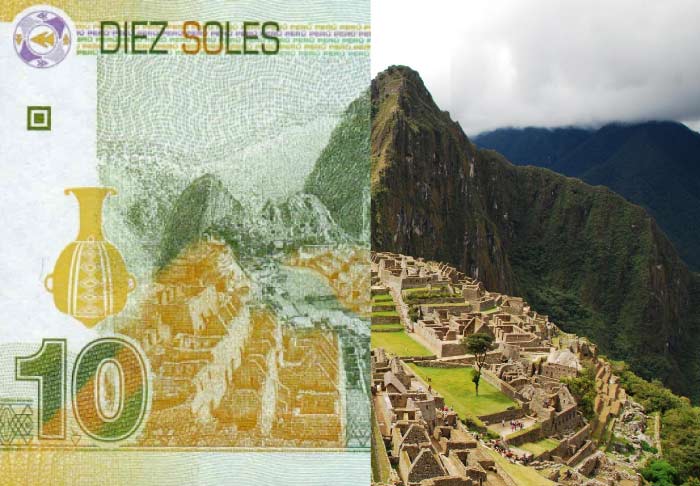
One of the most important Cusco travel to know before you visit Cusco is to always carry some cash. While larger hotels in Cusco, tour agencies, and some restaurants and bars accept credit cards, many small businesses in this city in Peru still operate with cash only.
Local markets, handicraft shops, taxis, and small eateries often do not accept cards, so having Peruvian soles will make things much easier as you explore the heart of Cusco. Many visitors to Cusco like to spend time wandering around, shopping for souvenirs, enjoying local food, or stopping to take a photo of the historic streets and beautiful views.
It is best to carry small bills and coins, since many vendors cannot provide change for large notes. Exchange money at official exchange houses, banks, or withdraw from ATMs located in safe areas. Avoid exchanging money on the street to reduce the risk of scams or counterfeit bills.
This is especially useful if you plan to travel out on day trips, visit markets, or move around the city by taxi. Also, remember that this is Peru cash is still commonly used for everyday transactions.
If you are staying in longer-term Airbnb in Cusco or planning activities pretty close to Machu Picchu, having local currency will make daily purchases much easier. Along with booking travel insurance and confirming transportation when you get to Cusco, carrying cash is one of the simple ways to really prepare for your stay in this incredible destination.
How to plan your visits?
Cusco offers a huge variety of attractions, so good travel planning is essential. It is important not to overload your itinerary so you can enjoy each place without feeling rushed.
Visitors should plan time to rest between excursions, especially during the first days while adjusting to the altitude.
Popular activities include:
- Visiting the Plaza de Armas
- Exploring archaeological sites like Sacsayhuamán
- Taking tours through Cusco and the Sacred Valley
- Booking Machu Picchu tours
To visit many archaeological sites, travelers must purchase the Cusco Tourist Ticket, also known as the boletoturístico.
The Cusco Tourist Ticket allows access to several important attractions in the region.
Basic safety rules
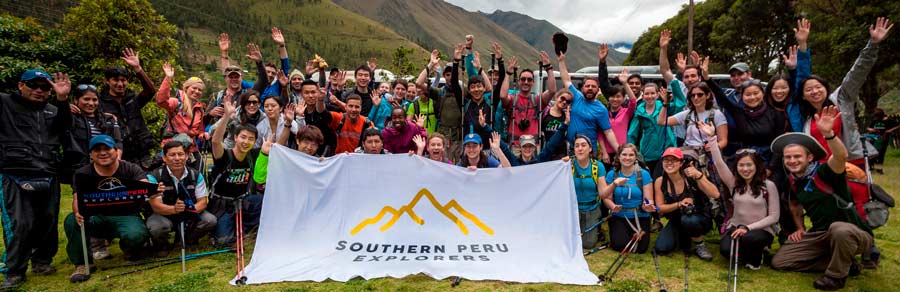
In general, Cusco is a very safe city for tourists and locals, but as in any other tourist destination, it’s better to be careful, especially in crowded areas.
- Always carry your personal belongings in safe places, such as in a purse or backpack with a zipper or in a safety belt.
- This guarantees greater security, choose recommended cabs, the best option would be to use apps like Uber or others.
- In tourist areas such as the Plaza de Armas or the San Pedro market, keep your belongings safe and well guarded; pickpockets often take advantage of the crowds to carry out their deeds.
- Although Cusco is a safe city, there are areas that are less crowded at night. We recommend you take a cab if you plan to go to remote or poorly lit areas.
- Before exploring lesser-known areas, check with local guides to find out which areas are safe and which might be less recommended for tourists.
- Having the numbers will be important in case something unexpected happens, such as the police number 105 or the medical services 116, in case you need assistance.