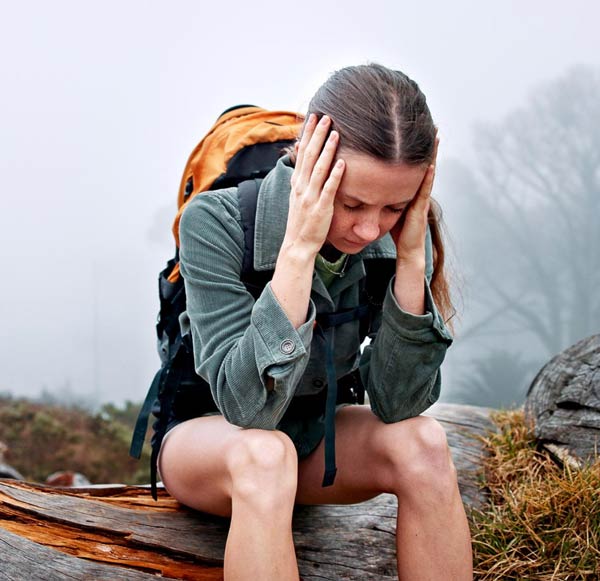




What Is the Lares Trek to Machu Picchu in Peru?
The Lares Trek is a multi-day hiking route, typically completed in 4 days, that traverses the spectacular landscapes of the Sacred Valley in the Peruvian Andes, near Cusco. This trek is an excellent alternative for travelers who wish to avoid the crowds of the traditional Inca Trail while still experiencing a physically and culturally rewarding journey to Machu Picchu.
Unlike the heavily trafficked Inca Trail, the Lares Trek passes through remote Andean villages, where hikers have the opportunity to observe traditional lifestyles, agriculture, and local handicrafts. This interaction offers a unique cultural immersion, providing insight into the daily life of Quechua communities, their customs, and their close connection to the mountains.
The trek covers a variety of ecosystems, including high-altitude alpine valleys, glacial lakes, and pristine mountain passes, with elevations reaching over 4,400 meters (14,435 ft). Because of this, adequate physical preparation and acclimatization are essential to ensure a safe and comfortable journey. Hikers can expect a mix of steep ascents, descents, and moderate walking distances, making the route suitable for those with intermediate to advanced trekking experience.
Most tour operators provide all necessary camping equipment, including tents, sleeping bags, and meals, while hikers carry a light backpack with personal essentials, such as water, snacks, and additional layers of clothing. This arrangement allows travelers to focus on the trek itself without being burdened by heavy gear, while also respecting local regulations and trail preservation guidelines.
The Lares Trek typically concludes in Aguas Calientes, the gateway town to Machu Picchu, from where hikers continue to the ancient citadel for a memorable visit, often timed for sunrise. The combination of stunning scenery, cultural interaction, and physical challenge makes the Lares Trek one of the most authentic and rewarding trekking experiences in Peru.
For those planning the trek in 2026, it is strongly recommended to book early, particularly during peak travel months, to ensure availability with experienced guides. Proper planning, including gear selection, altitude acclimatization, and physical preparation, is essential to fully enjoy the journey from the high Andes to Machu Picchu.
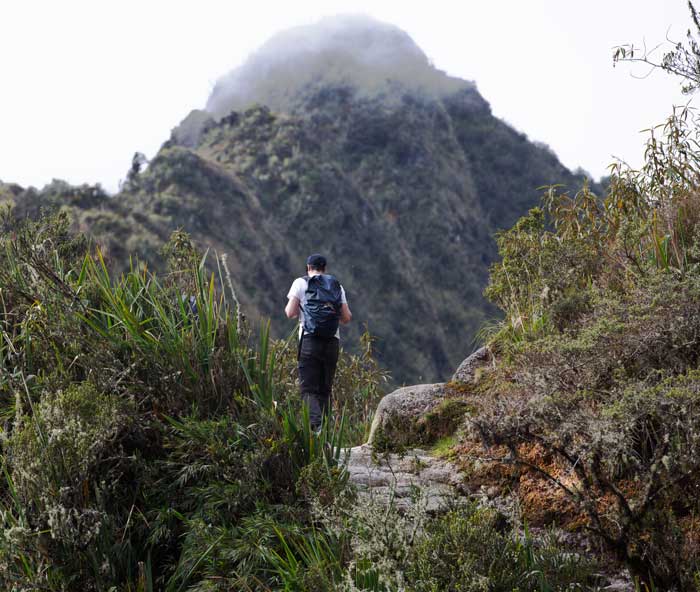
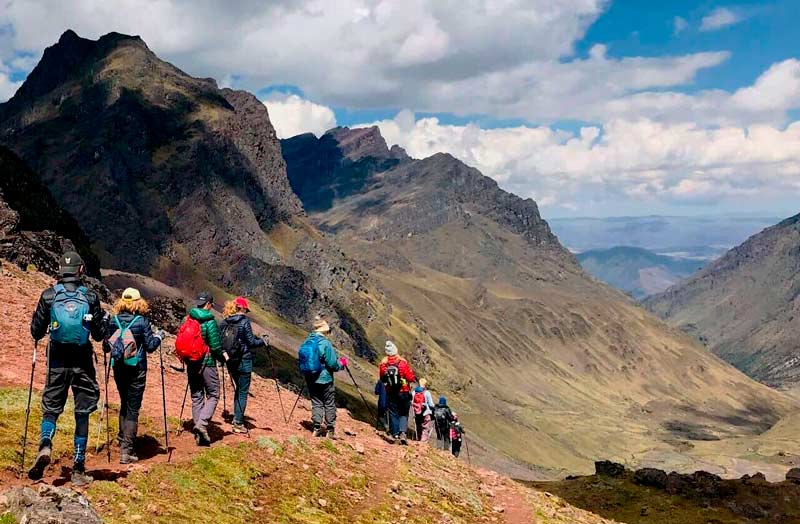
Lares Trek FAQs
What will we see on the Lares Trek?
The Lares Trek offers a journey through some of the most spectacular and diverse landscapes of the Peruvian Andes. Over the course of approximately 33 kilometers, hikers will traverse high mountain passes, glacial lagoons, and remote valleys, all within the Sacred Valley region near Cusco. Compared to the Inca Trail, this trek provides a more tranquil experience, with fewer tourists and the opportunity to connect deeply with nature and local communities.
A key highlight of the Lares Trek is visiting traditional Andean villages. Trekkers have the chance to observe local farming practices, learn about weaving techniques that have been passed down for generations, and gain insight into daily life in high-altitude communities. This cultural immersion makes the trek not only a physical challenge but also an educational and meaningful experience.
The route is rich in native wildlife. Hikers may encounter alpacas and llamas grazing in the pastures, as well as Andean birds, including the possibility of spotting the majestic Andean condor soaring over the mountains. The diversity of flora and fauna adds a unique ecological dimension to the trek.
Along the trail, hikers stay at well-located campsites, which are supported by experienced guides, cooks, and porters. These campsites are chosen for their scenic views, proximity to water sources, and accessibility for trekking teams, ensuring safety and comfort while maintaining a minimal environmental footprint.
The trek concludes with a train journey to Aguas Calientes, the gateway town to Machu Picchu, followed by a guided tour of the citadel. Hikers have the option to extend the experience with additional climbs, such as Huayna Picchu or Machu Picchu Mountain, providing panoramic views over the ancient city and surrounding Andes.
Overall, the Lares Trek combines breathtaking natural scenery, authentic cultural encounters, and wildlife observation, offering a complete and immersive journey that culminates at one of the most iconic archaeological sites in the world.
How long does the Lares Trek last?
The Lares Trek typically spans 4 days and 3 nights, covering approximately 33 kilometers through the Andes near Cusco. This itinerary is designed to balance daily hiking distances with adequate altitude acclimatization, which is essential for most travelers due to the high-elevation passes along the route. Proper acclimatization helps reduce the risk of altitude-related discomfort and ensures a safer, more enjoyable trekking experience.
Most Lares Trek routes begin near the village of Huaran, gradually ascending through scenic valleys, remote villages, and mountain passes. Hikers encounter a mix of challenging ascents and descents, which require a moderate level of fitness and stamina. Daily distances are manageable for travelers who have prepared physically, yet they still offer a fulfilling sense of achievement each evening at camp.
The trek culminates with a journey to Aguas Calientes, either by train or bus, which serves as the gateway to Machu Picchu. From there, hikers can proceed to the archaeological site, often timing their visit to witness sunrise over the citadel. Some itineraries may also include optional climbs, such as Huayna Picchu or Machu Picchu Mountain, providing panoramic views of the surrounding Andes and enhancing the overall trekking experience.
The 4-day itinerary is considered ideal for combining adventure, cultural immersion, and proper acclimatization, making the Lares Trek one of the most accessible yet rewarding alternatives to the traditional Inca Trail.
Are the hot springs in Lares included?
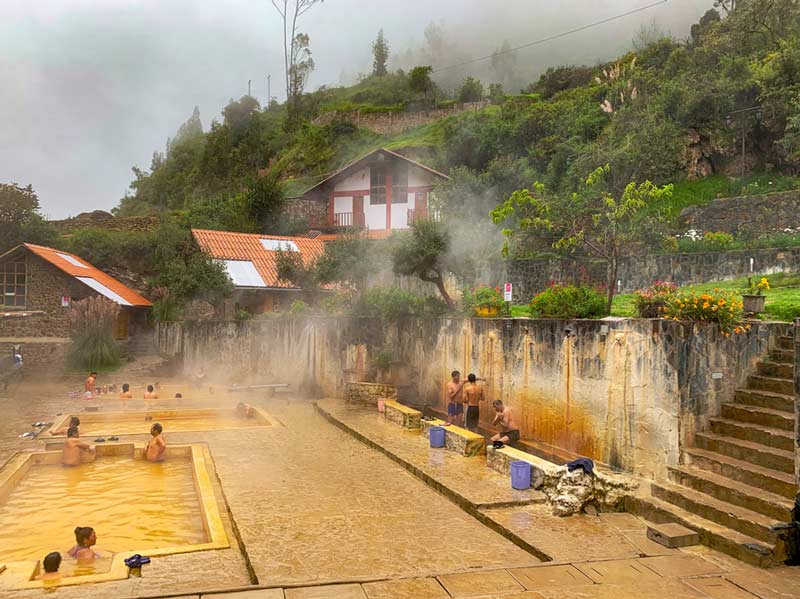
Yes, the Lares hot springs are included in most standard itineraries and are considered one of the highlights of the trek. After a full day of hiking through high-altitude passes and remote Andean valleys, the hot springs provide a natural setting for relaxation and recovery, allowing hikers to soothe tired muscles and rejuvenate before continuing the journey toward Machu Picchu.
The hot springs are typically visited on the third day of the trek, and access is arranged by the tour operator as part of the itinerary. Facilities are usually equipped with pools of varying temperatures, offering a safe and comfortable environment while maintaining respect for local customs and natural surroundings.
Following the hot springs visit, the trek continues toward Aguas Calientes, where hikers usually stay overnight in a hotel before ascending to Machu Picchu the next morning. Incorporating the hot springs into the Lares Trek not only enhances physical recovery but also adds a cultural and scenic dimension, as the springs are often located near traditional villages and surrounded by striking Andean landscapes.
Overall, the inclusion of the Lares hot springs transforms the trek into a well-rounded adventure, combining challenging hiking, cultural immersion, and moments of relaxation amidst Peru’s breathtaking natural beauty.
Is the Lares Trek difficult?
The Lares Trek is moderately difficult. It is less demanding than the Classic Inca Trail, but it still presents challenges due to high altitude, daily distances, and uneven terrain.
- The trek reaches up to 4,500 meters (14,760 ft) at some passes, which can cause fatigue, shortness of breath, or mild altitude sickness if your body is not acclimatized.
- Hikers cover 8–12 km per day, often on steep ascents and descents with rocky or uneven trails.
- A reasonable level of fitness and endurance is recommended, as well as proper hiking boots to prevent blisters and injuries.
- Trekking poles or a walking stick are very useful for stability and reducing pressure on knees and ankles.
- Most operators provide logistical support, including campsites, meals, and gear such as tents, sleeping bags (3 season or 4 season depending on the weather), and sometimes porters to carry heavy luggage.
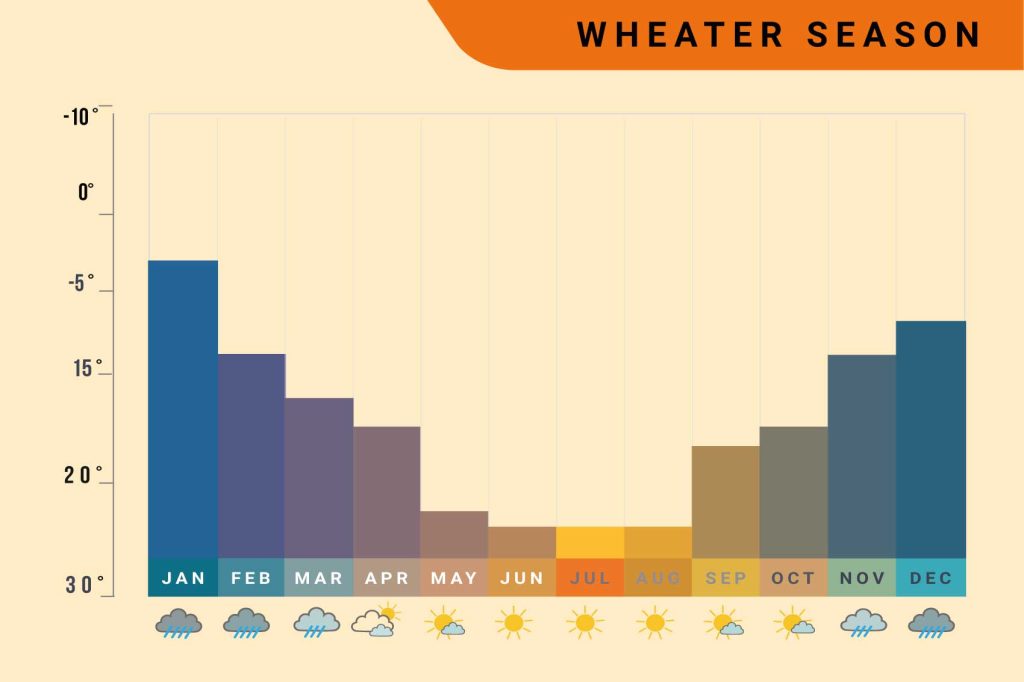
The best months to hike the Lares Trek are during the dry season from May to October, especially May through September. Staying a couple of days in Cusco or the Sacred Valley before the trek helps with acclimatization and reduces the risk of altitude sickness.
What are the highlights of the Lares Trek?
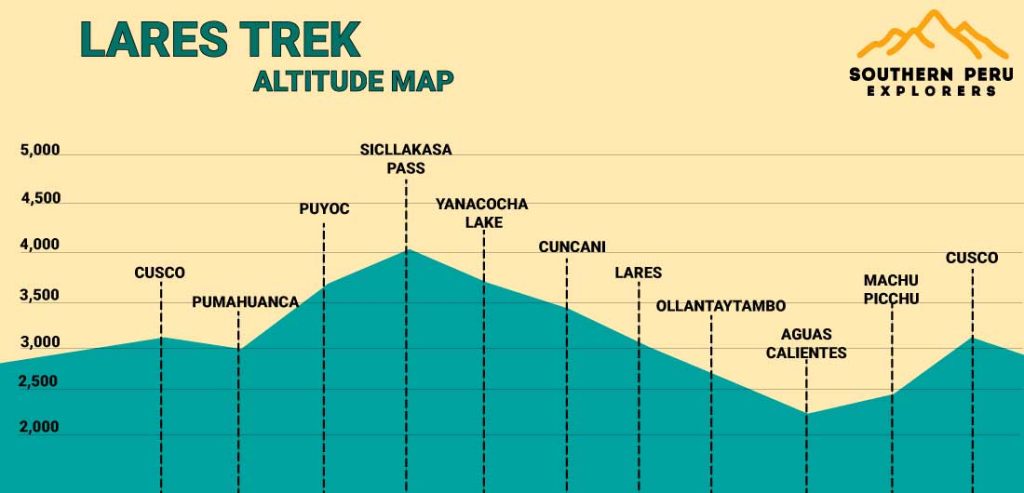
The Lares Trek offers a combination of natural beauty, cultural immersion, and unique high-altitude experiences that make it one of the most rewarding treks in Peru. Key highlights include:
- Mountain passes and panoramic views: The trail crosses several high passes, including the Ipsay Pass, where hikers are rewarded with sweeping views of snow-capped peaks, deep valleys, and glacial landscapes.
- Andean lagoons: Scenic high-altitude lakes and glacial streams provide picturesque settings for rest stops and photography.
- Local communities: Villages such as Huacahiasi allow trekkers to observe and sometimes participate in traditional weaving, farming, and daily life, offering an authentic cultural experience.
- Lares hot springs: A perfect opportunity to relax and recover after several hours of hiking at high altitude.
- Agricultural terraces and archaeological remains: The trek passes through areas that showcase ancient Inca and pre-Inca agricultural techniques, as well as small ruins scattered throughout the valley.
- Diverse landscapes: Trekkers will experience a variety of ecosystems from lush valleys to rugged highlands making the trek visually and ecologically rewarding.
Overall, the Lares Trek combines moderate physical challenge with cultural immersion and breathtaking landscapes, making it an ideal choice for travelers seeking an authentic and less crowded route to Machu Picchu.
What are the best times to do the Lares Trek?
The best time to hike the Lares Trek is during the dry season, which typically runs from April to October. During these months, rainfall is minimal, allowing trekkers to enjoy clear skies, stable trail conditions, and optimal views of the Andean mountains, valleys, and glaciers. Hiking in the dry season also reduces the risk of muddy or slippery paths, making the trek safer and more comfortable.
While the Lares Trek can be attempted year-round, the wet season (November to March) presents challenges such as heavy rainfall, cold nights, and occasional landslides, which may affect trail accessibility and overall safety. For hikers seeking reliable weather and pleasant conditions, the dry season is highly recommended.
Additionally, timing your trek in the dry months allows for better acclimatization at high altitudes, as visibility of the landscape is enhanced and early mornings are typically clear, ideal for photography and sightseeing. It is also worth noting that peak months (June to August) coincide with higher tourist activity, so booking well in advance is strongly advised to secure guides, permits, and accommodations.
In summary, planning your Lares Trek between April and October ensures the best combination of weather, safety, and scenic experience, providing hikers with optimal conditions for both trekking and cultural immersion.
Do you need a permit to do the Lares Trek?
Unlike the official Inca Trail, the Lares Trek does not require special permits or official entry passes. Trekkers are free to join guided tours or organize their own itinerary with licensed operators. However, it is essential to follow the guidance of professional tour operators, respect local customs, and adhere to regulations in villages, campsites, and natural areas along the route.
Even though no permits are required, responsible trekking practices are strongly recommended. This includes minimizing environmental impact, properly disposing of waste, and respecting local communities. Following these guidelines ensures that the Lares Trek remains a sustainable and safe experience for all travelers.
Can a person with no trekking experience do the Lares Trek?
Yes, individuals without prior trekking experience can successfully complete the Lares Trek, but it requires careful physical preparation and planning. The trek involves high-altitude passages (over 4,000 meters / 13,000 ft), moderate ascents and descents, and several hours of hiking per day. Even though the trail is less crowded than the Inca Trail, proper conditioning is essential to avoid fatigue or altitude-related issues.
Key recommendations for beginners include:
- Spending a few days in Cusco or the Sacred Valley for altitude acclimatization.
- Building cardiovascular endurance through walking, stair climbing, or light hiking before the trip.
- Strengthening the legs and core for uphill and downhill hiking.
- Using trekking poles to reduce strain on knees and maintain balance.
- Planning for reasonable daily distances and pacing yourself according to your fitness level.
With adequate preparation and guidance from experienced operators, even first-time trekkers can enjoy the Lares Trek safely, fully appreciate its landscapes, and have a rewarding cultural experience en route to Machu Picchu
Is food included in the Lares Trek?
Yes, all meals are included in the standard Lares Trek itinerary. Meals are typically prepared by the trekking team and are designed to provide balanced nutrition for long days of hiking. Most operators offer breakfast, lunch, dinner, and snacks, ensuring hikers stay energized throughout the trek.
If you have dietary restrictions, allergies, or preferences (vegetarian, vegan, gluten-free), it is important to inform your tour operator in advance. This allows them to prepare a customized menu that meets your needs while maintaining proper nutrition and energy levels for the trek.
How can I acclimatize before doing the Lares Trek?

Proper acclimatization is crucial, as the Lares Trek reaches elevations of around 4,500 meters (14,760 ft). Without it, hikers risk altitude sickness and reduced physical performance.
Proven strategies based on experience and altitude medicine include:
- Spend 2–3 days in Cusco or the Sacred Valley before starting the trek. This allows your body to adjust to oxygen levels gradually.
- Hydrate constantly: aim for at least 2–3 liters per day; dehydration increases altitude sickness risk.
- Engage in light activity (short walks or gentle hikes) without overexertion.
- Eat light, high-carbohydrate meals and avoid heavy or greasy foods; carbohydrates improve energy efficiency at high altitude.
- Get sufficient rest, especially in the first 24–48 hours at altitude.
- Coca leaves or coca tea are traditionally used and can help mild altitude effects.
Following these steps is a practical, evidence-based method to reduce altitude-related problems.
What should I do if I feel altitude sickness?
Even with preparation, some hikers may experience symptoms of altitude sickness, such as headaches, dizziness, nausea, or shortness of breath. In these cases:
- Notify your tour guide immediately, as they are trained in first aid and know how to respond appropriately.
- Stop or slow your pace, resting until symptoms subside.
- Stay calm and hydrated small sips of water can help alleviate discomfort.
- Use oxygen or medication only if recommended by your guide or healthcare professional.
- Descend if symptoms worsen, as descending to lower altitudes is the most effective treatment for severe cases.
Following these precautions, along with prior acclimatization, allows most hikers to complete the Lares Trek safely while minimizing the risk of altitude-related complications.