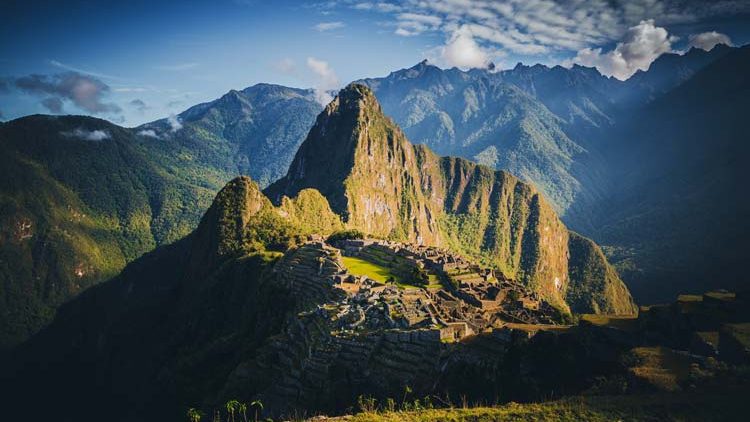




What do i need to bring to inca trail?
When preparing for the Inca Trail, it is important to address common FAQs and frequently asked questions about packing, as having the right gear is crucial for a safe and enjoyable trek. Proper preparation starts with understanding how packing works on this strictly regulated route. Due to environmental protections and permit regulations, all hikers must follow luggage limits established by authorities and enforced by licensed tour operators.
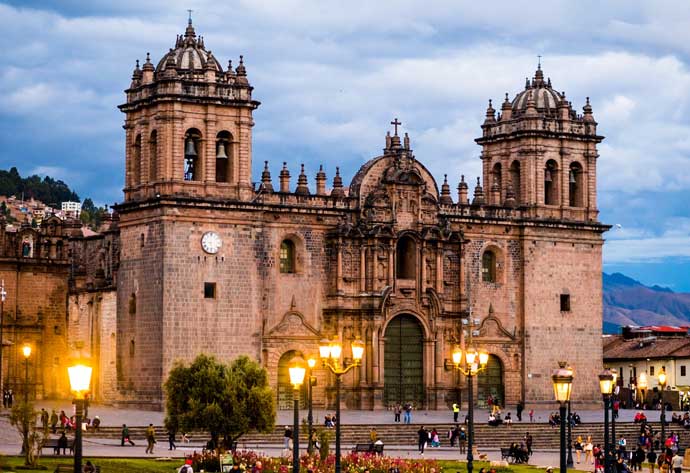
Your main luggage will remain in Cusco, while you carry only a small daypack with daily essentials. A porter will transport your duffel bag containing additional items such as extra clothing and sleeping gear, all within the allowed weight limits. This system ensures hikers can complete the trek without carrying heavy loads, but it also requires careful planning of what to include.
The Inca Trail traverses diverse ecosystems, from humid cloud forests to high Andean mountain passes. One of the most physically demanding sections is Dead Woman’s Pass (4,200 m / 13,779 ft), where altitude and steep terrain make proper gear essential. Each item you pack should have a clear purpose and contribute to comfort, safety, or efficiency.
Rather than overpacking, the goal is to select versatile, lightweight items suitable for changing weather and long hiking days. Careful packing not only makes the trek more manageable but also enhances your overall experience on the trail.
Efficient packing also plays a role in supporting the preservation of the Inca Trail, as it reduces unnecessary load on porters and minimizes environmental impact. By following these guidelines, you will be fully prepared to enjoy the journey to Machu Picchu while respecting the trail’s regulations and natural surroundings.

FAQs for the Inca Trail
Preparing for the Inca Trail involves more than just choosing a date. Most travelers have important questions about permits, availability, difficulty level, daily distances, and how the trek is organized. Understanding these aspects in advance is essential to avoid logistical issues and ensure a well-structured itinerary.
This FAQ section compiles the most relevant and practical information you need before confirming your booking. It addresses how the permit system works, how far in advance reservations should be made, what to expect during each stage of the trek, and how to prepare adequately for high-altitude conditions.
In addition, it provides clarity on key operational details that are often overlooked, such as fixed departure dates, limitations on changes once permits are issued, group organization, and the role of guides and porters throughout the experience. These factors directly impact both availability and the overall quality of the trek.
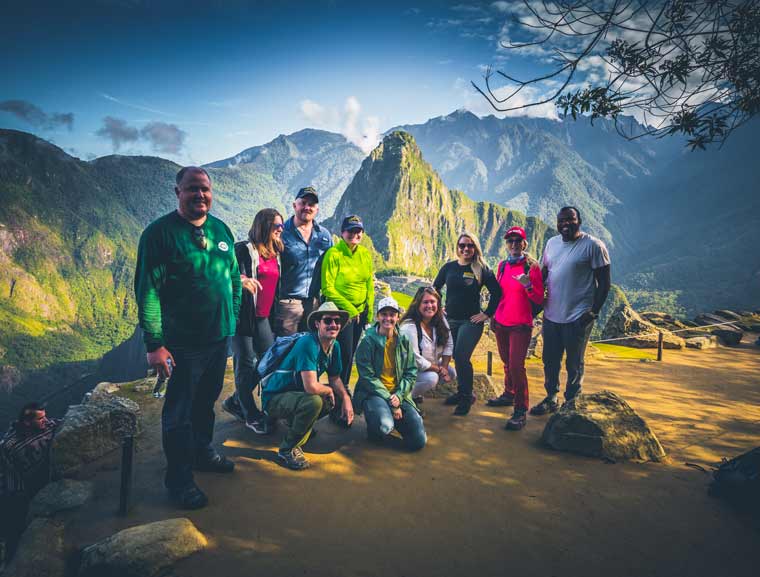
The section also outlines the main differences between the Classic 4-day Inca Trail and the shorter 2-day option, allowing you to evaluate which alternative best aligns with your available time, physical condition, and travel objectives.
For those preparing for the Inca Trail trip in 2026, this information is particularly important, as demand continues to exceed availability during peak months. A clear understanding of the booking process, combined with early planning, will allow you to secure your preferred dates and organize the rest of your trip in Peru accordingly.
Overall, this FAQ is designed to provide accurate, experience-based guidance so you can make informed decisions and approach the Inca Trail with proper preparation and realistic expectations.
Essential Packing List for the Inca Trail
Preparing for the Inca Trail is critical to successfully completing the trek to Inca Trail, one of the world’s most iconic trekking routes leading to Machu Picchu. The trail spans diverse ecosystems, from subtropical cloud forests to high-altitude mountain passes, which means hikers must be ready for significant variations in temperature, humidity, and weather conditions over multiple days.
Having the right gear is not only a matter of comfort but also of safety and efficiency. Well-chosen equipment can reduce fatigue, prevent injuries, and help maintain energy levels throughout the trek. Moreover, strict regulations limit the weight and type of luggage you can carry, so careful packing ensures compliance with official guidelines and avoids logistical complications with porters and tour operators.
This packing list provides a comprehensive overview of the essential items required for the trek, from documents and clothing to personal items and hiking equipment. Each item has been selected based on practical experience and expert recommendations, ensuring hikers are adequately prepared for changing conditions, long daily distances, and high-altitude environments.
Following this guide allows you to remain organized, comfortable, and well-equipped for both challenging ascents and more relaxed sections of the trail, ultimately enabling a safer and more enjoyable experience from the first day to your arrival at Machu Picchu.

Documents
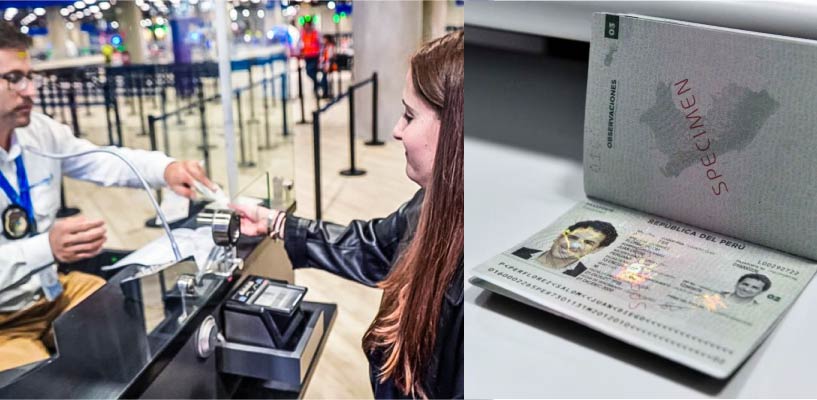
- Original passport (must be valid for at least 6 months and match your permit)
- Inca Trail permit (issued in advance through a licensed tour operator)
Water & Sustainability
Staying hydrated is essential, especially at high altitude:
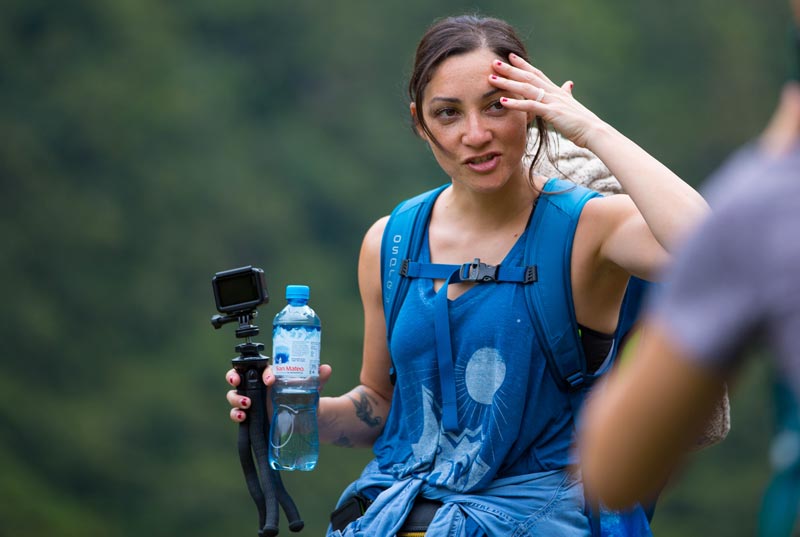
- Carry at least 2 liters of water per day
- Reusable water bottle or hydration system (Camelbak recommended)
- Water purification tablets or filters (optional but useful backup)
Footwear
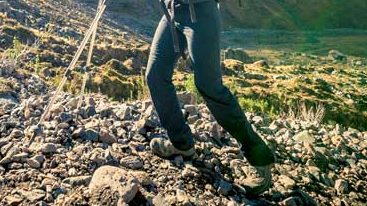
Proper footwear is critical for safety and comfort on uneven terrain:
- Waterproof hiking boots (well broken-in to avoid blisters)
- Lightweight sandals or flip-flops for use at camp
- Optional: gaiters for muddy or wet conditions


Clothing (Layering is essential)
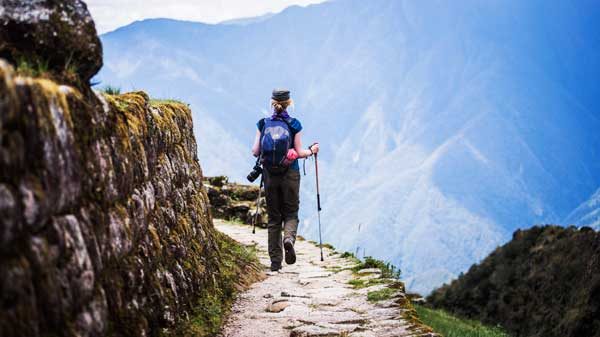
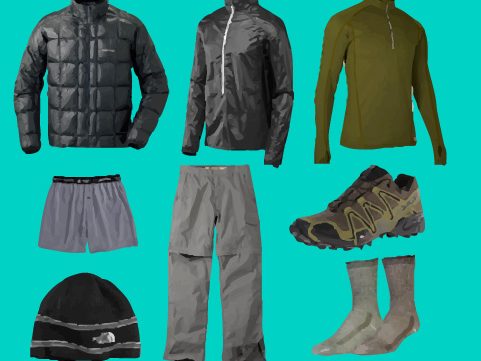
Weather on the Inca Trail can change rapidly throughout the day, so dressing in layers is the best strategy:
- Moisture-wicking t-shirts (avoid cotton)
- 2 long-sleeved shirts for sun and cold protection
- Lightweight rain jacket or poncho (essential)
- Fleece or warm insulating layer
- Thermal underwear for cold nights
- Hiking pants (zip-off optional for versatility)
- Wool hat and gloves for early mornings and high passes
- 4–5 pairs of thick hiking socks

Toiletries & Personal Items
Basic hygiene items and personal care essentials are important, as facilities along the trail are limited:
- Sunscreen (high SPF recommended due to altitude exposure)
- Insect repellent
- Hand sanitizer and wet wipes
- Toothbrush and toothpaste
- Toilet paper (not always available along the trail)
- Personal medication
- Small first aid kit (band-aids, blister treatment, pain relief, etc.)
FAQs for the Inca Trail : How difficult is the Inca Trail?
The Inca Trail is considered a moderate to challenging trek, depending on your fitness level and how well you adapt to the altitude. While it does not require technical climbing skills, it is physically demanding due to several key factors.
The main challenges include:
- High altitude: The trail reaches its highest point at Dead Woman’s Pass (4,200 m / 13,779 ft), which is significantly higher than Machu Picchu. Reduced oxygen levels can make hiking more strenuous, especially for those who are not acclimatized.
- Steep ascents and descents: Some sections involve long stone staircases, uneven terrain, and continuous uphill and downhill hiking, which can be tough on the legs and knees.
- Multi-day effort: The classic route is typically completed over 4 days and 3 nights, with several hours of hiking each day (around 6–8 hours on average).
- Variable weather conditions: Hikers may experience strong sun, rain, wind, and cold temperatures sometimes all in the same day which adds to the overall difficulty.
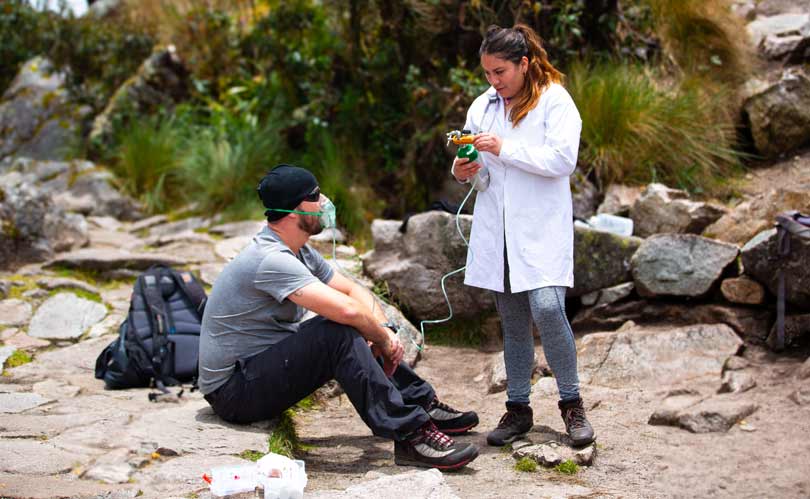
Despite these challenges, the Inca Trail is achievable for most travelers with a reasonable level of fitness. You don’t need to be an athlete, but being prepared makes a big difference.
To improve your experience, it is highly recommended to:
- Spend at least 2–3 days acclimatizing in Cusco before the trek
- Do regular cardio activities (hiking, running, cycling) prior to your trip
- Train on inclines or stairs to simulate trail conditions
- Maintain a steady pace during the hike and stay well hydrated
With proper preparation and a positive mindset, most hikers successfully complete the trek and are rewarded with one of the most memorable moments of the journey: arriving at Machu Picchu at sunrise after days of effort on the trail.
How far in advance should I book the Inca Trail?
Booking the Inca Trail well in advance is essential due to the strict permit system and the high demand for this trek. Availability is limited and varies significantly depending on the time of year, so planning ahead is key to securing your preferred dates.
In general, the best time to book depends on the season:
- High season (May to September): book 4–6 months in advance, as this is the most popular time due to dry weather and clear views
- Shoulder season (March–April, October): book 2–4 months in advance, with moderate demand and variable weather
- Low season (November to January): book 1–3 months in advance, although availability is higher, weather conditions can be less predictable
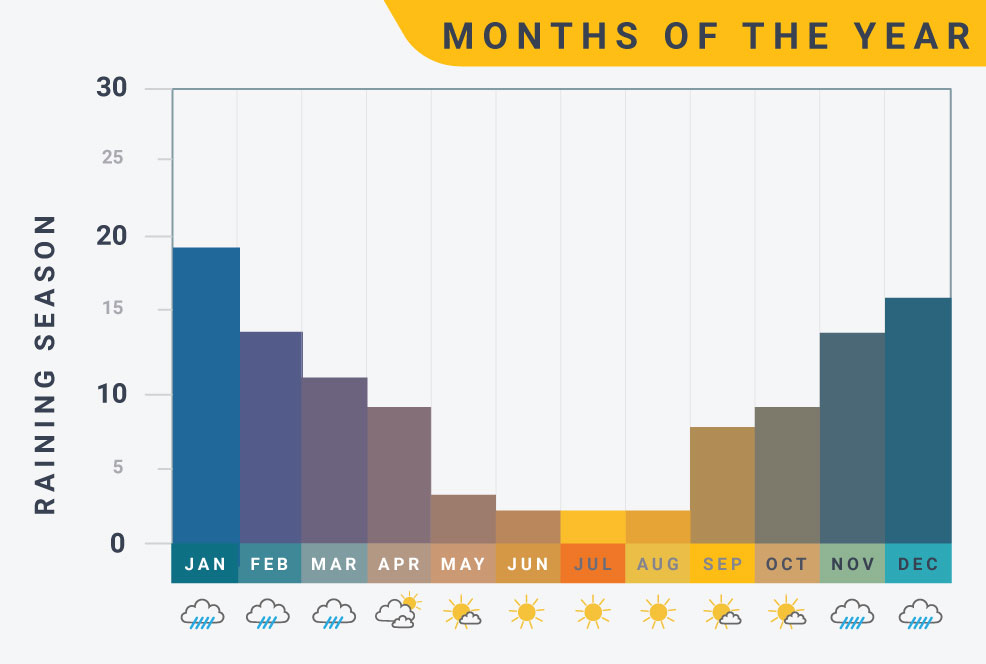
If you are planning to travel during peak months such as June, July, or August or around holidays it is strongly recommended to book as early as possible, since the most popular dates often sell out first.
For travelers planning ahead, especially for Inca Trail 2026, early booking gives you more control over your itinerary, including your preferred departure date, group size, and overall travel schedule in Peru.
It’s also important to consider that your Inca Trail date is fixed once booked. This means you should plan your entire itinerary around your trek, including your arrival in Cusco, acclimatization days, and any additional tours before or after the hike.
Another key factor is that permits are issued with your personal passport details and cannot be changed once confirmed. Because of this, it’s important to double-check all information before booking and ensure your travel dates are final.
Finally, keep in mind that once permits for a specific date are sold out, there is no waiting list or last minute availability. If your preferred dates are no longer available, the only option is to choose a different date or consider alternative treks to Machu Picchu
How many days does the Inca Trail tour last?
The Inca Trail is most commonly completed in 4 days and 3 nights, which is considered the classic and full experience. This route starts at Km 82 and includes the complete trail, with multiple archaeological sites along the way before reaching Machu Picchu through the Sun Gate (Inti Punku).
There is also a shorter version:
- 2 days and 1 night: This route starts at Km 104 and skips most of the classic trail. It includes a shorter hike on the first day, a visit to Wiñay Wayna, and arrival at Machu Picchu in the afternoon, followed by a second day visit to the citadel.
Key differences between the options:
- 4-day Inca Trail:
- Full trekking experience
- Includes Dead Woman’s Pass (4,200 m)
- More archaeological sites along the route
- Camping for 3 nights
- 2-day Inca Trail:
- Shorter and less physically demanding
- No high mountain passes
- One night in a hotel in Aguas Calientes
- Suitable for travelers with limited time
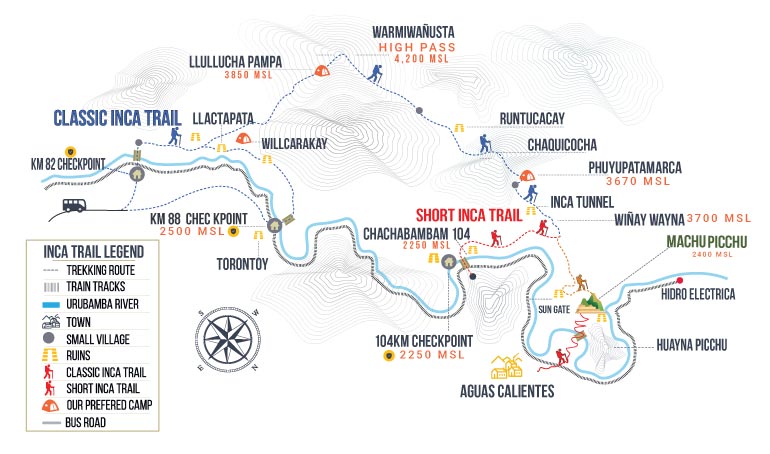
The duration you choose depends mainly on your available time, fitness level, and how immersive you want the experience to be. The 4-day trek is ideal for those looking for the complete journey, while the 2 days option offers a shorter but still rewarding alternative.
How can I prepare myself physically for the trek?
Physical preparation for the Inca Trail should focus on building endurance, strength, and the ability to sustain effort over several consecutive days. While the trek does not require technical skills, it does demand a good level of overall fitness due to the combination of distance, elevation gain, and terrain.
A structured preparation plan should include cardiovascular training, strength conditioning, and hiking-specific practice.
Cardiovascular conditioning is essential to improve stamina and recovery. Activities such as hiking, running, cycling, or using a stair machine should be performed regularly, ideally 3 to 4 times per week, with sessions lasting between 45 and 60 minutes. The objective is to maintain a steady level of effort rather than short bursts of intensity.
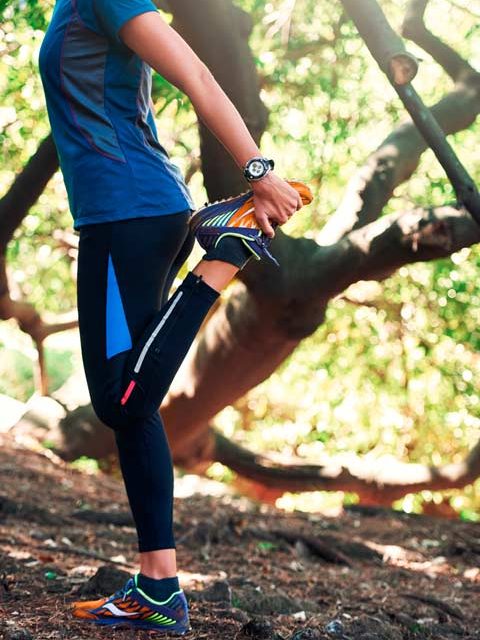
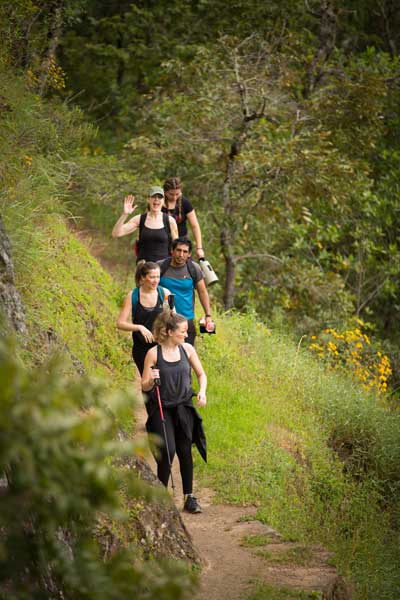
Strength training should focus on the lower body and core, as these muscle groups are heavily engaged during both ascents and descents. Exercises such as squats, lunges, and step-ups are particularly effective, as they replicate the movement patterns required on the trail. Incorporating strength sessions 2 to 3 times per week helps improve stability and reduces fatigue over long distances.
In addition to general fitness, specific preparation through hiking is highly recommended. Whenever possible, training should include walking on uneven terrain, trails, or routes with elevation gain. Carrying a light backpack during these sessions can help simulate real trekking conditions and improve load management.
Acclimatization to altitude is a critical component of preparation. Spending at least 2 to 3 days in Cusco or the Sacred Valley before starting the trek allows the body to adapt gradually to reduced oxygen levels. This significantly improves performance and reduces the likelihood of altitude-related symptoms.
During the trek itself, maintaining a consistent pace, staying hydrated, and managing energy intake are key factors in overall performance. Overexertion, especially in the first days, can negatively impact the remainder of the hike.
In practical terms, a preparation period of 4 to 6 weeks is sufficient for most travelers, provided training is consistent. With adequate preparation and proper acclimatization, the majority of hikers are able to complete the Inca Trail successfully and without major difficulty.