




Planning a Manu National Park Tour is an exciting step toward experiencing one of the most biodiverse regions on Earth. Below, we answer the most common questions travelers ask before booking, so you can prepare with confidence and know exactly what to expect on this unforgettable journey through the Peruvian Amazon.
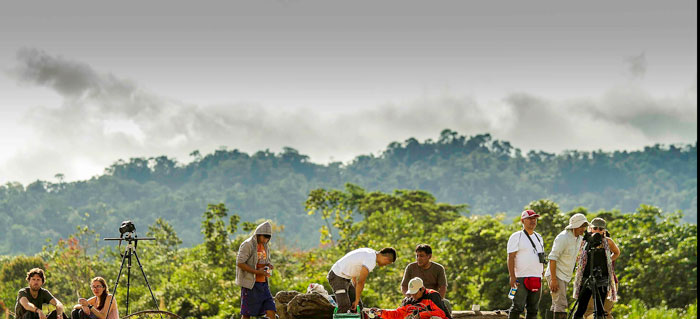
1.Is the Manu National Park Tour 4D/3N suitable for beginners?
Absolutely. This Manu National Park Tour is designed with travelers of average fitness in mind, so you don’t need to be an experienced hiker or outdoor adventurer to enjoy it. Most of the route is covered by private vehicle and motorized boat, which means your body gets plenty of rest between the more active parts of the trip. The jungle walks themselves are easy to moderate, typically along well-marked trails, and your guide will always adjust the pace to the group’s comfort level.
2. What’s included in the Manu National Park Tour?
The package typically covers private transportation from Cusco, boat transfers along the rivers of the Amazon basin, accommodation at a jungle lodge, and the services of a professional, bilingual guide throughout the entire itinerary. It also includes all meals specified in the day-by-day program, park entrance fees, and guided wildlife excursions both on foot and by boat. Because logistics in such a remote area can be complex, having everything pre-arranged means you can focus entirely on the experience rather than the details.
3. What wildlife can I expect to see?
Manu is considered one of the most biodiverse places on the planet, and the range of species you might encounter is genuinely staggering. Keep an eye out for several species of monkeys, colorful macaws, parrots, and toucans, as well as caimans and capybaras resting along the riverbanks, and, with a bit of luck, elusive tapirs deep in the forest. Beyond the animals, you’ll also walk beneath towering ancient trees and spot delicate orchids, vibrant butterflies, and hundreds of bird species that make this region a paradise for birdwatchers. That said, wildlife sightings depend heavily on the season, weather, and simple chance, so no two trips are ever quite the same part of what makes the experience so special.
4.When’s the best time to visit Manu National Park?
The dry season, from May to October, generally offers better trail conditions, calmer river navigation, and easier wildlife spotting, since animals tend to gather more predictably around water sources. Many travelers prefer this period for its more stable weather and comfortable walking conditions. If you visit during the rainy season, from November to April, you’ll trade some trail comfort for a rainforest at its most alive, with lush vegetation, swollen rivers, and an intensity of color and sound that’s hard to find any other time of year. Both seasons offer a valid and rewarding way to experience the Manu National Park Tour, depending on what you’re looking for.
5. Do I need previous jungle trekking experience?
Not at all. Your guide sets a comfortable pace for every activity and provides clear instructions before each excursion, making the Manu National Park Tour accessible even if you’ve never trekked through a rainforest before. Guides are trained to read the group’s energy and adjust distances, breaks, and difficulty accordingly, so first-timers and seasoned travelers alike can enjoy the same itinerary safely. If you have any concerns about your fitness level, it’s always a good idea to mention them when booking so your guide can plan accordingly.
6.How difficult is the Manu Jungle Tour?
The tour is rated easy to moderate, meaning most travelers with average fitness will find it manageable without special training. You should be comfortable walking several kilometers on uneven jungle trails, sometimes over roots and slightly muddy patches, all while dealing with warm and humid conditions typical of the Amazon basin. There are no technical climbing sections or extreme physical demands, but a reasonable level of stamina and a positive attitude toward heat and humidity will make the experience much more enjoyable.
7. What should I pack for the Manu National Park Tour?
Pack lightweight, breathable clothing along with long sleeves and pants to protect against insects and sun exposure during the day. Comfortable, broken-in hiking shoes are essential, as is a good insect repellent, sunscreen, and a lightweight rain jacket, since weather in the rainforest can change quickly. Don’t forget a hat, a reusable water bottle, binoculars for wildlife spotting, a camera to capture the experience, a flashlight or headlamp for evenings at the lodge, and any personal medications you take regularly, since pharmacies won’t be nearby once you’re deep in the jungle.
8. Is the tour safe?
Yes. Every Manu National Park Tour is led by experienced local guides who know the rainforest environment intimately and have spent years navigating its trails, rivers, and changing conditions. They follow established safety procedures at every stage of the journey, from river crossings to wildlife encounters, and are trained in first aid and emergency response. Lodges and transportation providers used for the tour are also selected based on their safety track record, giving travelers extra peace of mind in such a remote setting.
9. Where will I stay during the tour?
You’ll spend your nights at a comfortable jungle lodge that offers basic but reliable facilities, striking a balance between authentic immersion in nature and a decent level of comfort after a day of activities. Rooms are typically simple, with proper beds and mosquito netting, allowing you to rest well between excursions. While you won’t find luxury hotel amenities this deep in the rainforest, most travelers find the experience of falling asleep to the sounds of the jungle more than makes up for the simplicity.
10. Will I have electricity and internet at the lodge?
Electricity is usually available only during certain hours, depending on the specific lodge and its generator schedule, so it’s a good idea to charge devices whenever power is on. Internet and mobile signal are generally very limited or completely unavailable throughout the trip, which surprises some travelers at first but quickly becomes one of the highlights of the experience. Many guests describe this forced disconnection as a welcome break from constant notifications, allowing them to be fully present in one of the most remote and pristine environments on the planet.
11. Are meals included?
Yes, all meals listed in the itinerary are included in the price of the Manu National Park Tour and are prepared at the lodge using fresh, local ingredients whenever possible. Meals are generally hearty and satisfying, designed to keep you energized for the day’s activities, and often include a mix of Peruvian and international dishes. Vegetarian or other special dietary options can usually be arranged without issue, as long as you let the tour operator know in advance so the kitchen can plan accordingly.
12. Will I get to see the Cock-of-the-Rock?
There’s a good chance of spotting the Andean Cock-of-the-Rock, Peru’s vibrant national bird, especially while traveling through the cloud forest sections of the route where it’s known to gather at traditional display sites, called leks. Guides know the best times and locations to increase your chances of witnessing this striking red bird’s courtship display. As with all wildlife in Manu, however, sightings depend on natural behavior and timing, so while it’s a common highlight of the trip, it can never be fully guaranteed.
13. Is Manu National Park a UNESCO World Heritage Site?
Yes. Manu National Park was declared a UNESCO World Heritage Site and Biosphere Reserve in recognition of the extraordinary concentration of biodiversity it protects, from high Andean cloud forest down to lowland Amazon rainforest. This designation reflects the park’s global importance as one of the last truly wild and ecologically intact regions on Earth, home to species found almost nowhere else. For travelers, this status is a strong reminder of just how special and worth protecting this destination really is.
14. How far is Manu National Park from Cusco?
The journey begins with approximately seven to eight hours of driving from Cusco, descending through the Andes and into the transitional cloud forest zone before reaching the Manu Cultural Zone. From there, the adventure continues by boat, as travelers navigate the rivers deeper into the Amazon rainforest to reach the heart of the park. This gradual descent through multiple altitudes and ecosystems is actually one of the most fascinating parts of the trip, offering constantly changing scenery along the way.
15. Can children join this tour?
Yes, families with children are welcome to join the Manu National Park Tour, and many find it to be an unforgettable educational experience for younger travelers. That said, parents should carefully consider the long travel times, humid climate, and jungle walking conditions before booking, as these factors can be more demanding for young kids than a typical family vacation. It’s a good idea to discuss your children’s ages and stamina with the tour operator beforehand so they can offer guidance on whether the itinerary is a good fit.
16. What makes the Manu National Park Tour different from other Amazon tours in Peru?
Few Amazon experiences offer this kind of range: the Manu National Park Tour takes you from the high Andes through misty cloud forest and down into the lowland rainforest, all within a single itinerary. Unlike many Amazon tours that focus on just one ecosystem, this journey lets you witness the dramatic transition of landscapes, climates, and wildlife as you descend in altitude. Combined with access to one of the most protected and biodiverse regions on the planet much of it inaccessible to mass tourism this makes Manu a truly exceptional destination for wildlife enthusiasts and nature photographers seeking something beyond the ordinary.