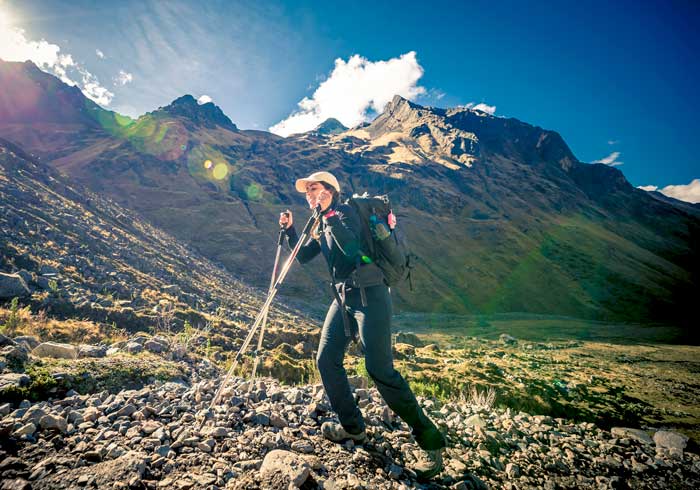




The Ultimate Salkantay Trek 2026 Guide: Prices, Preparation & Highlights Along the Salkantay Trek to Machu Picchu
At 6,271 meters (20,574 feet) above sea level, Salkantay Mountain is the second-highest peak in the Cusco region and one of the most recognizable summits in the Peruvian Andes. The name Salkantay comes from the Quechua words salqa (“wild” or “savage”) and antay (“to crown” or “to be surrounded”). In Incan culture, this mountain was revered as a symbol of nature’s strength and sacred power.
For centuries, the indigenous people, particularly the Incas, honored Salkantay as a powerful mountain deity. The Andes mountains were considered sacred, and many of these peaks were sites for ceremonies and offerings. While Salkantay’s human history is less documented than Machu Picchu, the surrounding region remains deeply significant in local culture.
The Salkantay Trek a moderate, multi-day trek follows ancient pathways that may have connected Cusco and Machu Picchu, offering trekkers a glimpse of the routes used during the Inca Empire. Unlike the Inca Trail, the Salkantay trek is one of the few alternatives that combine high-altitude passes, lush jungle landscapes, and remote inca ruins along the way.
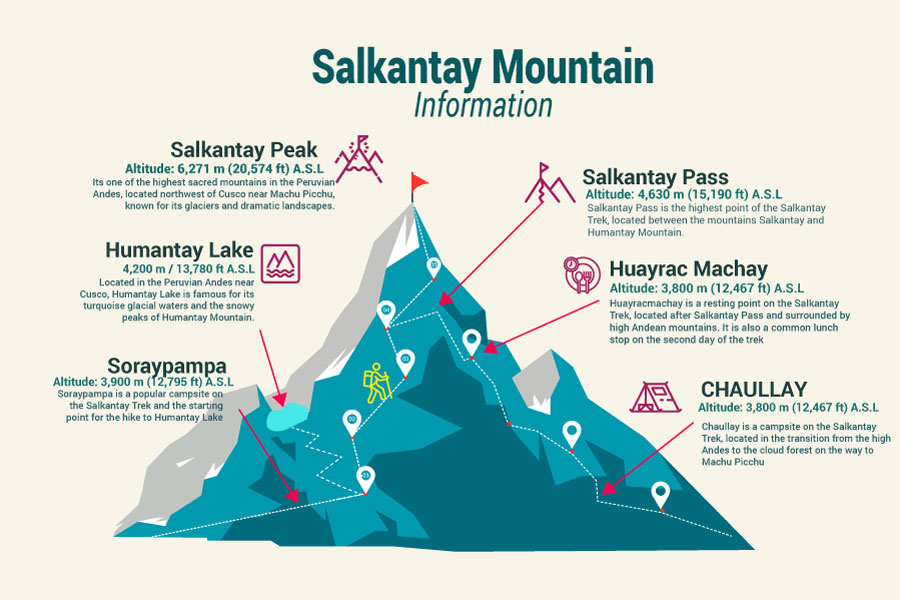
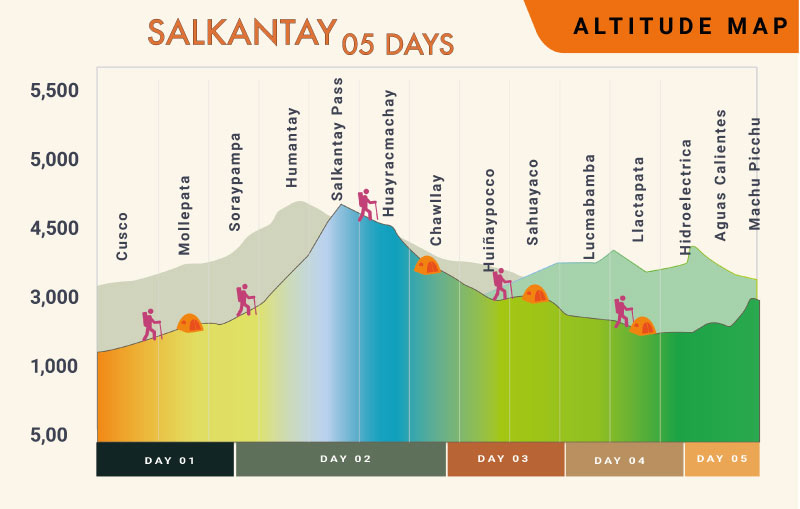
During the trek, you will travel through deep valleys, tropical forests, and high-altitude plains while enjoying breathtaking views of Salkantay. The highest point on the trek, the Salkantay Pass on Day 2, provides panoramic scenery and an unforgettable experience. On each day of the Salkantay trek, from the first day of the trek to your day at Machu Picchu, you’ll experience diverse landscapes, challenging trails, and spectacular vistas, including your first glimpse of Machu Picchu and views of Machu Picchu from afar.
Whether you choose a guided Salkantay trek or a trek unguided without a guide, this journey can be customized to your pace. The trek typically lasts 4 day or 5-day Salkantay hike, depending on your itinerary, and each day of hiking offers unique highlights from the Salkantay pass on day 2 to trekking along the trail to Machu Picchu and reaching Aguas Calientes. Some tour packages even include a hot shower and comfortable accommodation for the night, making the experience more enjoyable.
For those planning the trek, a complete guide to hiking the Salkantay is essential. You’ll want to know about packing for the Salkantay trek, how long the trek takes, and what to expect along the trail. Experienced trekkers who have hiked the Salkantay recommend booking in advance with reputable tour companies or a tour guide, especially during peak season.
Once at Machu Picchu, you can take the bus up to Machu Picchu or bus to Machu Picchu, explore Huayna Picchu, and enjoy the day spent at Machu Picchu with views that make the effort worthwhile. Whether you are there for the inca ruins, Machu Picchu mountain, or simply the panoramic view of Machu Picchu, the experience is unforgettable.
This blog is your complete guide to hiking the Salkantay Trek in 2026. We’ll cover all things about the Salkantay trek, including what to expect on the Salkantay trek, updates for 2026, expenses, practical tips, and insights for every day of the Salkantay trek, ensuring you get to Machu Picchu prepared and ready to enjoy every moment.

The Salkantay Trek in 2026
How much does the Salkantay Trek cost in 2026?
The classic 5-day trekking costs between $400 and $700 per person and usually includes a trained guide, porters, chefs, camping equipment, and transportation to and from Cusco. Along the trek, you’ll experience breathtaking scenery and end with a memorable visit to Machu Picchu. The Salkantay trek is a moderate hike, making it ideal for most active travelers who want to know about hiking the Salkantay.
A shorter 4-day trek is also available. The trek begins similarly, offering the same landscapes in less time. Both options provide a guided trek experience and a complete Salkantay trek experience.
For a more comfortable adventure, luxury trekking packages range from USD 800 to USD 1,200, including private guides, gourmet meals, luxurious tents, and smaller groups for a personalized journey. Premium options over USD 1,500 offer fully customized services, private transportation, and upscale accommodations.
Whether the Salkantay trek begins on a 4- or 5-day itinerary, along the trek travelers will enjoy diverse ecosystems, stunning mountains, and the ultimate visit to Machu Picchu, as many Salkantay trek reviews highlight.
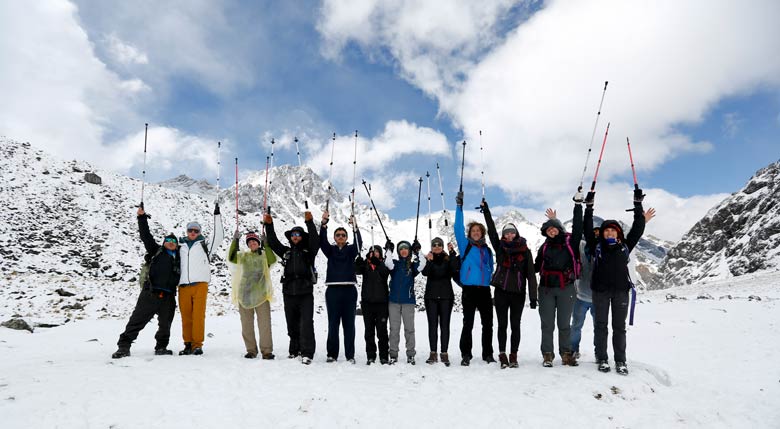
Salkantay Trek Package Inclusions: What You Get When You Hike the Salkantay Trek in Peru
Knowing what is included in your Salkantay trek package is essential before you embark on this multi-day adventure. While inclusions vary by tour company, most packages are designed to ensure a safe and comfortable experience from the moment the trek starts, whether you are hiking the Salkantay for the first time or have done it before.
Professional Guide Throughout Your Salkantay Journey
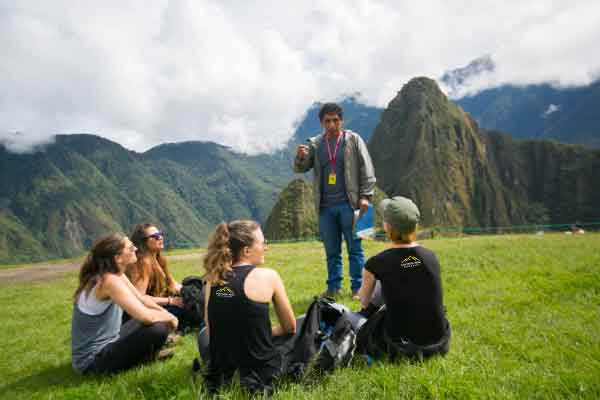
It is crucial to have an experienced and informed guide who is familiar with the route, local customs, and weather. In addition to providing you with knowledge about the trail and local history, the guide will be responsible for your safety while hiking. Additionally, the guide will assist you managing the altitude sickness and any other unforeseen issues that may arise. The guide will also take care of daily logistics and ensure everyone is safe and satisfied.
Comfortable Cusco Transfers to Begin Your 4-Day or 5-Day Salkantay Trek
Most packages include transportation from Cusco to the start of the trek, either by bus or private vehicle. At the conclusion of the hike, transportation back to Cusco or Aguas Calientes may also be provided, depending on the organization. You won’t have to worry about getting to the route’s start and finish.
Nightly Accommodations That Support You Through Day 2, Day 4, and Day 5 of the Trek
Typically, campsites are included in standard packages and are located in strategic locations along the Salkantay paths. These campgrounds include shared tents and all the amenities needed to spend the night in the mountains.
Choosing a deluxe package, which includes opulent tents with mattresses, linens, and other amenities, can make your stay more enjoyable. In some cases, you could even be able to sleep in more comfortable shelters.
Delicious Meals Prepared Along the Salkantay Trek in Peru ????️????️
Food is an essential part of every hike on the Salkantay Trek. Most tours include **three fresh meals per day breakfast, lunch, and dinner prepared by experienced mountain chefs and trekking staff. These meals are designed to provide high energy and proper nutrition to keep you strong throughout the journey.
Lunch is usually served along the trail and includes healthy soups, fresh vegetables, rice, pasta, and traditional Peruvian dishes, with vegetarian and vegan options available upon request.
If you choose a premium package with Southern Peru Explorers, you can enjoy even more diverse and gourmet-style meals, including a variety of international flavors, fresh ingredients, and beautifully prepared dishes in the middle of the Andes.
Expert porters and trekking staff support you throughout the adventure, carrying equipment and ensuring that every meal on the trail is fresh, delicious, and satisfying, making your journey to Machu Picchu even more memorable.
Porters are responsible for carrying the hikers’ personal belongings and gear. Porters will carry food, cooking materials, tents, and other necessities for the trip. Thanks to this important service, participants just need to take a small backpack with their personal belongings (clothes, water, etc.).
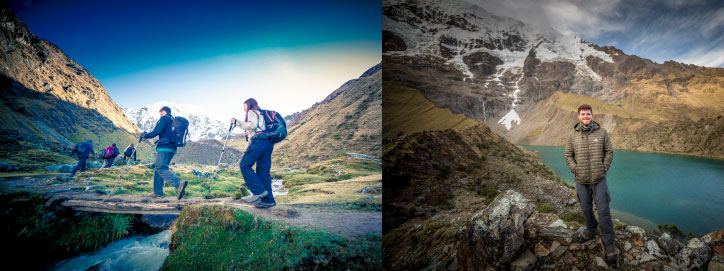
Entrance Fees Covered From Humantay to the Final Hike to Machu Picchu
Admission to Machu Picchu National Park and other protected areas along the Salkantay Trek is usually included in the package price. The fee may cover the price of the Machu Picchu ticket, the permit to enter the route, and the cost of the archaeological sites you will visit during the journey.
Help in case of Emergency
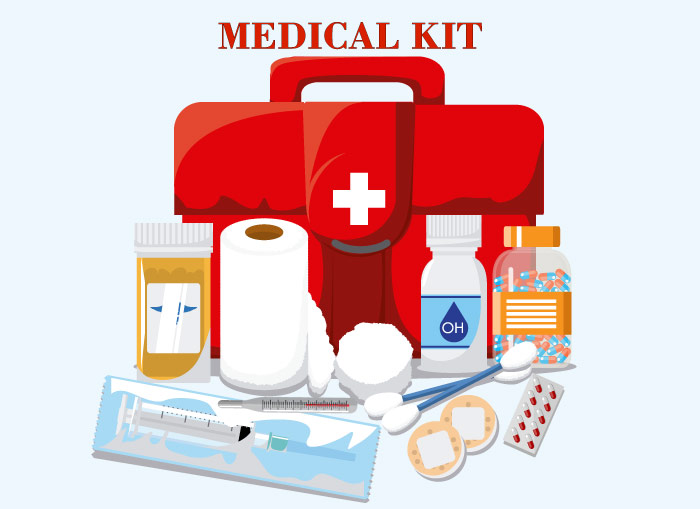
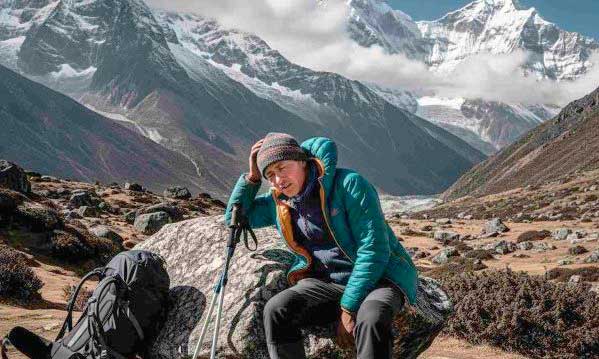
Packages typically include emergency assistance because the Salkantay Trek places a high priority on safety. This can entail providing only basic medical care for small wounds or altitude sickness. Some more expensive packages may also include helicopter or horses evacuation assistance in case of a serious emergency.
Optional Trekking Poles and Gear to Enhance Your Salkantay Hike and Jungle Trek
Some agencies give trekking poles and extra gear, such as premium backpacks, sleeping bags, or mats; this will be included if you’re on a luxury or full-service package. As a result, you will need to pack less equipment.
Visiting Machu Picchu After Your Salkantay Hike and Jungle Trek
The packages include entrance to the archaeological site, train transportation back to Cusco (or additional transportation if the plan includes a luxury train), and a guided tour of the Machu Picchu ruins.
How to Save on Your 5 Day Salkantay Trek: Booking, Machu Picchu Reservations & Packing Tips
Book the Salkantay Trek and Machu Picchu in Advance for a Smooth 5-Day Salkantay Adventure
One of the easiest ways to reduce costs is to book your package in advance. Travel agencies offer early booking discounts, and rates can drop if you reserve your excursion months before the departure date. Additionally, if you book your stay in advance and choose the package that best fits your budget, you won’t run out of options.
Opt for a Basic Salkantay Trek Package for a Budget-Friendly Alternative to the Inca Trail
Although premium alternatives are tempting, the standard package is usually more than sufficient to enjoy the hike without going over your budget. Standard packages contain basic services that are necessary for a safe and enjoyable journey, such as food, transportation, a guide, and camping gear. Even though the Salkantay Trek is a little more basic, it is still a fantastic experience without the need for extra amenities.
Hike the 5-Day Salkantay Trek During Low Season: Save Money, Avoid Crowds, and Enjoy the Jungle Trek
The busiest months for the Salkantay Trek span from May to October, when the weather is dry. However, costs are higher during these months due to the increased demand. If you’re willing to accept the possibility of a little more rain and unpredictable weather, the off-peak months (November to April) can be a terrific time to find more affordable prices. Prices may decrease by up to 20% or 30% outside of the busiest season.
Pack Your Own Equipment for Day 2, Day 4, and Day 5 on the Salkantay Trail
Some shops or tour operators rent out basic gear, including sleeping bags, hiking poles, and backpacks. If you bring along high-quality equipment that you already have, you can save money. Trekking poles, climate-appropriate clothing, and waterproof footwear are necessary for the trek.

Avoid Extra Expenses in Aguas Calientes During Your Salkantay Hike to Machu Picchu
After completing the hike, you will rest in Aguas Calientes before continuing on to Machu Picchu. Aguas Calientes is a well-liked tourist destination, but because of the high demand, some services and goods may cost significantly more. Instead of tourist restaurants and souvenir shops, pick more local places to obtain water and food.
Monitor Additional Expenses During Your 4-Day Salkantay Trek and Humantay Adventure
On top of the hike’s actual cost, it’s simple to incur other costs along the journey, such as souvenir purchases or tips for porters and guides. Even though tips are important during the trip, especially for porters, try to include these additional expenses in your budget to avoid unpleasant surprises.
What to expect of the Salkantay Trek? Updates 2026
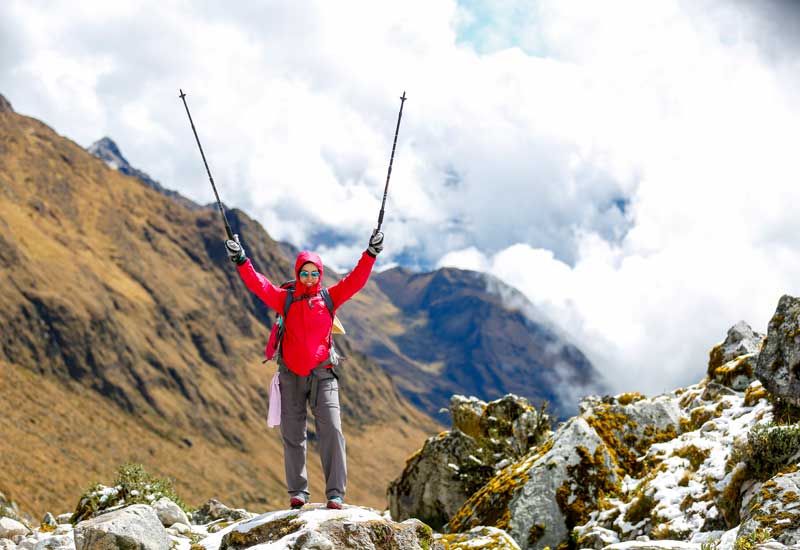
An increased focus on environmentally sustainable travel
It is projected that increased focus will be placed on responsible tourism in 2026 due to the growing number of tourists choosing the Salkantay Trek. This includes respecting local communities, protecting the environment, and promoting sustainable practices.
Recently, the Peruvian government passed new legislation to protect the region’s ecosystems and manage the tourism sector more responsibly. In 2026, stricter permissions and access restrictions might affect trekkers and travel providers.
These guidelines include minimizing the influence on the routes, using biodegradable products, and appropriately disposing of trash. You can check Southern Peru Explorers’ guidelines; we guarantee you the implementation of the most sustainable practices.
Improvements to Trek’s Infrastructure
Recent years have seen improvements to the Salkantay Trek’s infrastructure, including new shelters, more comfortable campsites, and better signage on the paths. By 2026, it’s expected that these improvements will continue, adding more facilities and points of access to enhance your stay.
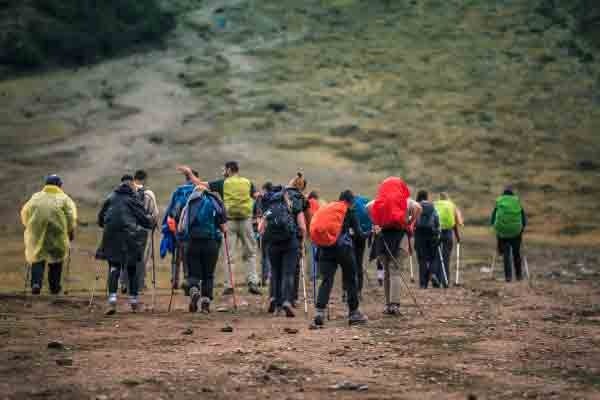
Improvements in Safety and Medical Support
Although safety has always been a top priority for the Salkantay Trek, we expect improvements in emergency services and medical assistance in 2026. Trekkers should expect to witness more qualified first aid personnel and altitude sickness specialists to improve safety during the journey.
The Impact of Climate Change
Although the Salkantay Trek offers a wide variety of landscapes, the conditions on the trail are beginning to change as a result of climate change. When planning their journey, trekkers should consider severe temperatures, unexpected precipitation, and less snow on the slopes. Being ready for unpredictable weather and dressing accordingly will be the keys to a trouble-free trip.
In March 2026, heavy rains and the risk of landslides led to the closure of the paths for approximately two weeks. So unpredictable weather can occur and might force you to change your plans.
How to Book Your Salkantay Trek: Important Things to Consider
With so many tour agencies and package options to choose from, it’s easy to get lost. To help you make the best decision, we will share here some of the things to think about before planning your Salkantay Trek.
Look what does the package include
Trekking packages might vary in price and services offered. When booking your reservation, be sure to compare the inclusions of each package. Ask for example if the journey from Cusco to the Salkantay route is covered by transportation and if the transportation back to Cusco is included in the package; if the sleeping bags are included etc.
Make sure to confirm whether the package includes breakfast, lunch, and dinner. Some packages also include snacks and refreshments for the duration of the hike, ask about that as well.
Review the cancellation and modification policies
For any reason, you need to be able to modify or cancel your reservation. Ask the agency about cancellation rules, refunds, and date adjustments. When it comes to date changes, the leading agencies are accommodating, especially in the case of unforeseen circumstances. Find out whether they offer travel insurance and if you can get additional coverage.
Carefully read the contract or the agency’s terms and conditions before finalizing your reservation. This agreement should include all of the services, costs, cancellation policies, insurance, and any other relevant details. This can help you avoid unpleasant surprises and ensure that you and the agency are on the same page.
Consider Safety and Medical Assistance
Even if the majority of hikers don’t experience any problems on the Salkantay Trek, it’s always a good idea to be prepared for everything. Verify the organization’s safety protocols and basic medical supplies. In addition to carrying essential medical supplies in case of an emergency, some expeditions use porters or mules to move heavy objects.
Verify the physical and preparation criteria.
Before booking a stay, confirm that you are physically capable of hiking. The Salkantay Trek can be challenging because of its height and steep terrain, so certain organizations may offer advice or require specific physical preparation.
Some final facts and figures about the Salkantay Trek
The classic version of the trek usually lasts five days and four nights and is about 74 kilometers (46 miles) long.
- Elevation Gain: The Salkantay Pass, at 4,650 meters (15,255 ft), is the trek’s highest point.
- Difficulty: The Salkantay trip is considered moderate to difficult due to its high elevation and unpredictable terrain.
- Weather: Since the Andes’ rainy season normally lasts from November to March, the best moment to complete it is from April to October. At higher elevations, temperatures can drop to freezing, while at lower elevations, they can be hot and muggy.
- Route: The hike often travels through the highest point, the Salkantay Pass, before continuing on to Machu Picchu, which offers stunning views and a range of landscapes. It blends majestic natural landscapes with visits to archaeological ruins.
- Cultural Significance: The indigenous people of the area, who still revere the Salkantay Mountain, consider the Salkantay Trek as a pilgrimage route.