



Prepare for the Salkantay Trek: 5-Day Itinerary, Packing Tips, and Machu Picchu Hiking Essentials
Southern Peru Explorers: Hi Andy! Could you introduce yourself and tell us how you became a guide on the Salkantay Trek to Machu Picchu 5Days?
Andy: Hi! I’m Andy XXX, with over ten years of experience guiding treks in the Cusco area. Born near the Sacred Valley, the Andes have always been part of my life, and my passion for hiking led me to focus on guiding travelers along the Salkantay Trek.
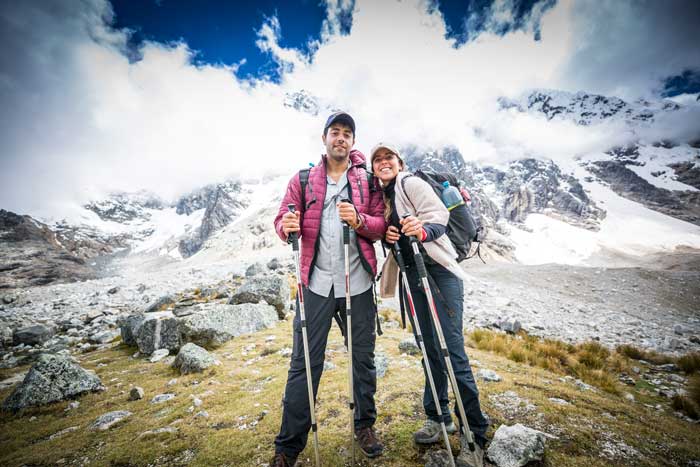
The Salkantay Trek in Peru is a stunning adventure, whether you choose a 4-day trek or a 5-day Salkantay. It’s an alternative to the Inca Trail trek, taking you through high mountain passes, cloud forests, and ending with the unforgettable first glimpse of Machu Picchu. Along the trail, travelers can enjoy hot springs, breathtaking views of Picchu Mountain, and the citadel of Machu Picchu.For a safe and enjoyable journey, follow a solid Salkantay Trek packing list, bring trekking poles, a first aid kit, plenty of water (hydration is essential), and altitude sickness medication to reduce the risk of acute mountain sickness, especially at the Salkantay Pass on day 2. Whether hiking the Salkantay Trek as a guided trek or without a guide, these practical tips will help you reach Machu Picchu and enjoy your Machu Picchu adventure to the fullest.
Southern Peru Explorers: Why should visitors select the Salkantay Trek over other trekking routes to Machu Picchu, and what makes it so unique?
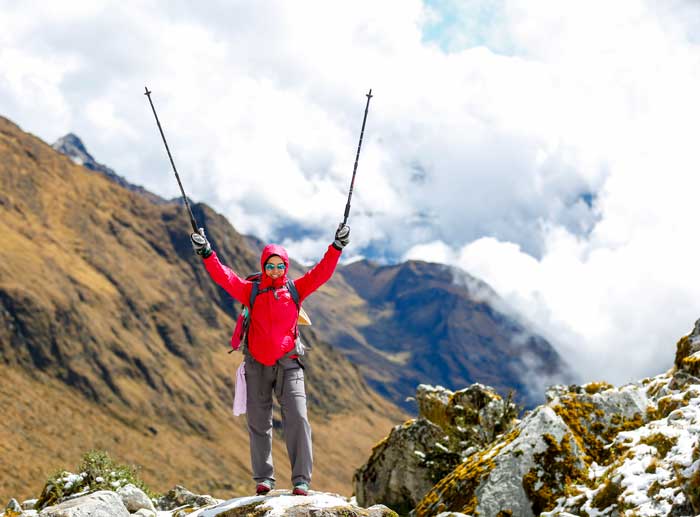
Andy: The Salkantay Trek in Peru is more than a route to Machu Picchu it’s an expedition through the Andes’ most stunning and varied landscapes. The Salkantay Trek to Machu Picchu begins at the foot of Salkantay Mountain, the second-highest peak in Cusco, and takes you through alpine meadows, cloud forests, and subtropical jungle. Each day along the Salkantay Trail brings dramatic changes in scenery, making the journey to Machu Picchu as memorable as the destination itself.
For those on a 5-day Salkantay or 4-day trek, choosing the Salkantay Trek over the Inca Trail means fewer crowds and more time to enjoy nature. Along the trail, you’ll encounter high mountain passes, altitude and steep sections, and breathtaking views of Picchu Mountain. The trek ends with the first glimpse of Machu Picchu and the chance to explore the citadel of Machu Picchu or climb Huayna Picchu with Machu Picchu entry tickets.
Whether on a guided trek or trekking without a guide, preparation is key. Essential items include trekking poles, a first aid kit, hydration essentials, and altitude sickness medication to reduce the risk of acute mountain sickness at the Salkantay Pass on day 2. Following top tips for the Salkantay Trek ensures a safe and unforgettable Machu Picchu Salkantay experience.
Preparing for High Altitude on the Salkantay Trek: Essential Tips to Avoid Altitude Sickness on Your 5-Day Salkantay Hike to Machu Picchu via Salkantay Pass and Humantay Lake
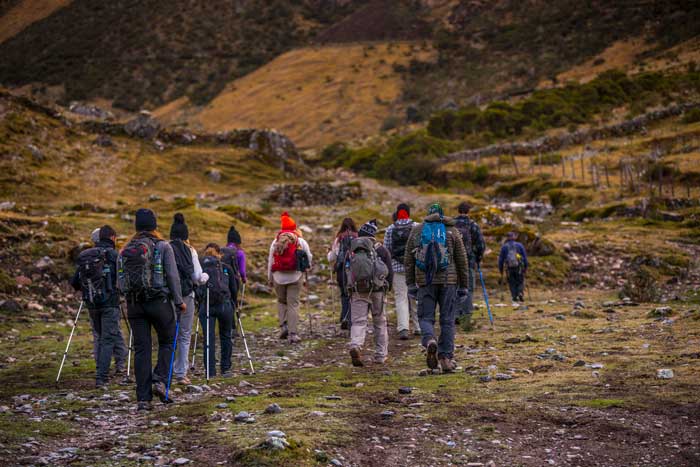
Andy: Though equally amazing, the Salkantay Trek provides a very different experience than the Inca Trail. While the Inca Trail is the most popular and often congested, especially during the high season, the Salkantay Trek offers a quieter, more personalized adventure.
The environments are another key distinction. The Inca Trail focuses mainly on archaeological monuments and ruins, while the Salkantay Trek passes through subtropical jungles, dense cloud forests, high-altitude meadows, and snow-capped mountains. From the moment the Salkantay Trek begins, hikers traverse meters above sea level, tackling high mountain passes and dramatic terrain along the trek. Using trekking poles is recommended to help manage altitude and steep sections and reduce the risk of altitude sickness symptoms.
Many travelers are familiar with the Inca Trail because it leads to visiting Machu Picchu, but the Salkantay Trek offers a wilder, more immersive hiking experience. It’s an excellent alternative to the Inca Trail for those who can’t plan months in advance, as it doesn’t require a permit. Whether on a trek lasting 4 or 5 days, this route provides incredible views of Machu Picchu and allows you to experience the point of the Salkantay in a way few others do.
A guide to hiking the Salkantay can help you maximize your adventure, plan your days in Cusco, and ensure your trip in Peru is safe and unforgettable. It’s best to take time to acclimatize, prepare carefully, and fully enjoy each moment along the trek.
High-Altitude Preparation for Your Salkantay Trek to Machu Picchu 5D: Practical Tips, Packing List, and Coca Leaf Advice for Cusco Hikers on the Salkantay Trail and Inca Trail
Andy: Indeed, altitude sickness is a legitimate concern. For those not accustomed to high elevations, it can occur during the Salkantay Trek, especially at the Salkantay Pass, the trek’s highest point at 4,650 meters (15,255 feet). This is far higher than most people’s usual elevation, so it’s essential to be aware of the risks and tips to address the sickness.
Preparation is key. Since Cusco sits at around 3,400 meters (11,150 feet), spending a few days there before the trek is the best way to acclimate. This reduces the risk of altitude sickness and helps your body adjust to the thin air. During the trek, it’s important to listen to your body, take your time, and rest when necessary. Always carry a backpack with essentials, including a water bottle, to stay hydrated along the way. Eating well and drinking plenty of water also helps significantly.
Before starting, it’s wise to consult your doctor about altitude sickness medication, such as Diamox, which some people use. As a guide, I always remind my guests to alert me if they experience headache, nausea, or other symptoms. I am trained to provide support, and if symptoms persist, descending to a lower altitude and seeking medical help is crucial. The key is to always put your health first and never push through serious symptoms.
After the trek, when you arrive in Aguas Calientes, you can rest and recover before visiting Machu Picchu. Proper planning, including Machu Picchu reservations and knowing how to plan to spend your time on the trail, makes this adventure safer and more enjoyable. Whether you’re hiking the Inca Trail or exploring the trek that is the most popular, taking care of your health ensures a memorable Peruvian trekking experience.
Physical Challenges of the Salkantay Trek: How to Prepare for the Demanding Terrain on Your Journey to Machu Picchu
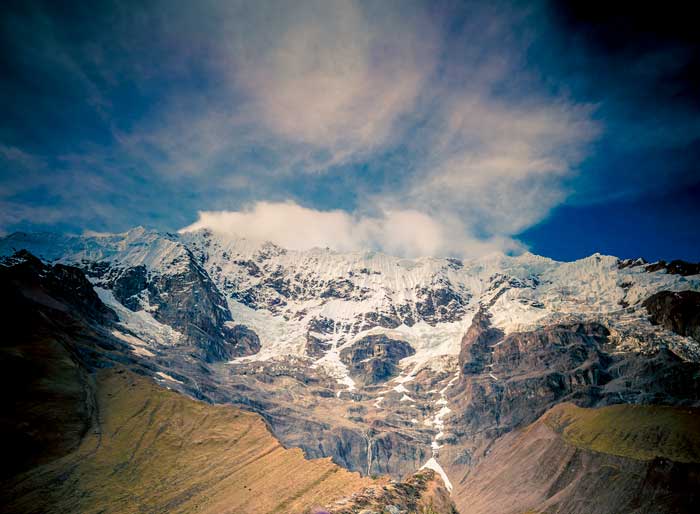
Andy: The Salkantay Trek presents serious physical challenges, but that is part of what makes the journey so fulfilling. There is no doubt that the high altitude makes the walk more difficult, especially during the first few days.
Reaching the Salkantay Pass can be demanding due to its steep ascent and the thin air, which often leaves people feeling more exhausted and breathless than usual. For many, this is the most difficult portion of the journey. However, the breathtaking views from the summit make it the most rewarding moment of the trek.
Participants typically cover 12 to 16 kilometers (7 to 10 miles) per day, though the steep inclines and rough terrain can make it feel longer. Daily walks usually take 6 to 8 hours, and standing or walking for this long can be exhausting, especially for those not accustomed to high-altitude trekking.
I advise doing several long hikes or treks prior to your trip to prepare physically. Building stamina is essential, particularly for extended walking days. Footwear is also crucial: wear supportive shoes with good ankle support, and make sure to break them in beforehand to prevent blisters.
The Salkantay Trek is the most popular alternative to the Inca Trail, not only for its stunning landscapes but also for the sense of accomplishment it offers to those willing to tackle these challenges.
Spiritual and Cultural Significance of Salkantay: Experiencing the Mountain During Your Trek and Tips from the Salkantay Trek Packing List
Andy: According to the Andean worldview, Salkantay is a sacred mountain, particularly for the Quechua people who live around there. According to their cosmology, mountains have spirits protecting the people. Salkantay is regarded as one of the strongest apus in the area, and locals have long admired and venerated its wild spirit.
The mountain can send blessings or anger depending on how people treat it. Before setting out on a hike or before traversing significant mountain passes, people present the apus with sacred coca leaves. This ritual is called “Payment to the land”, and it’s a sign of respect and a request for safety while traveling.
Trekking with this understanding adds to your trekking experience. It’s more than merely climbing the mountain or getting over the pass. It’s about honoring the local population, the natural environment, and the majesty of the mountain.
Top Tips to Maximize Your Salkantay Trek Experience: Essential Advice for an Unforgettable Journey to Machu Picchu
Andy: It’s easy to focus on the final destination, Machu Picchu, but the Salkantay Trek is really about the journey. Be in the moment, savor the scenery, and fully engage in the physical effort the paths require. Take your time with it.
While hiking, don’t be afraid to ask your guide questions or express your concerns. The guides are there to provide you with information on the history, culture, and geography of the area. Develop relationships with other hikers and enjoy the friendly atmosphere that accompanies sharing such a difficult journey. Some visitors made long-lasting friendships after spending such a long time with the same people.
Last but not least, try to adapt and be flexible. The mountains can be unpredictable, and the weather can change rapidly. But the great thing about the Salkantay Trek is that every day is different, whether it’s a stunning view, a warm interaction with a local villager, or a beautiful sky at night. Keep yourself safe, enjoy the trip, and remember to be grateful for the enchanted environment you are passing through
Southern Peru Explorers: Thank you so much, Andy, for sharing your insights with us. We can’t wait for our clients to embark on the Salkantay Trek with your guidance. We’re sure they’ll have a transformative experience just as you described.
Andy: It was a pleasure! I always like sharing my knowledge and passion of the Salkantay Trek.