




What is Manu? Overview, Status, and Important Information
Manu is one of the most important natural protected areas in Peru and an unforgettable Manu trip is one of the best ways to experience its extraordinary biodiversity. Located in southeastern Peru, between the Andes and the Amazon Basin, Manu National Park was established in 1973 to protect its remarkable ecosystems, which range from high-altitude cloud forests to lowland tropical rainforest. This unique geographical diversity allows Manu to host an exceptional variety of plant and animal species within a relatively compact area.
In recognition of its global environmental importance, Manu was declared a UNESCO World Heritage Site in 1987 and later designated as a Biosphere Reserve. The park is home to thousands of species of flora and fauna, including jaguars, giant otters, macaws, monkeys, and hundreds of bird species, making it one of the most significant conservation areas in the world. Its ecosystems remain largely untouched, offering a rare glimpse into pristine rainforest environments.
Within the park and its surrounding buffer zones live several indigenous communities, including the Ashaninkas, Yines, Machiguengas, and Matsiguengas. These communities maintain traditional lifestyles and depend directly on the forest for their livelihoods, preserving ancestral knowledge and sustainable practices that have allowed them to coexist with nature for generations. Their presence is an essential part of Manu’s cultural and ecological value.
Due to its protected status, access to Manu is regulated to ensure conservation and minimize environmental impact. Visitors can explore certain areas of the park through authorized tours operated by licensed agencies. These tours are designed to promote responsible tourism while protecting the fragile ecosystems and respecting local communities.
Today, travelers can find and book Manu experiences through specialized tourism services available on official websites. By navigating the menu and selecting the appropriate tour, users can request detailed information, contact operators, and, when necessary, arrange permits as part of the package. The booking process is typically straightforward, allowing visitors to choose their preferred itinerary and complete payment securely online.
This regulated system allows visitors to experience the natural wonders of Manu in a responsible way, ensuring that every unforgettable Manu trip also contributes to conservation efforts and supports the well-being of local communities.
Where is the Manu National Park?
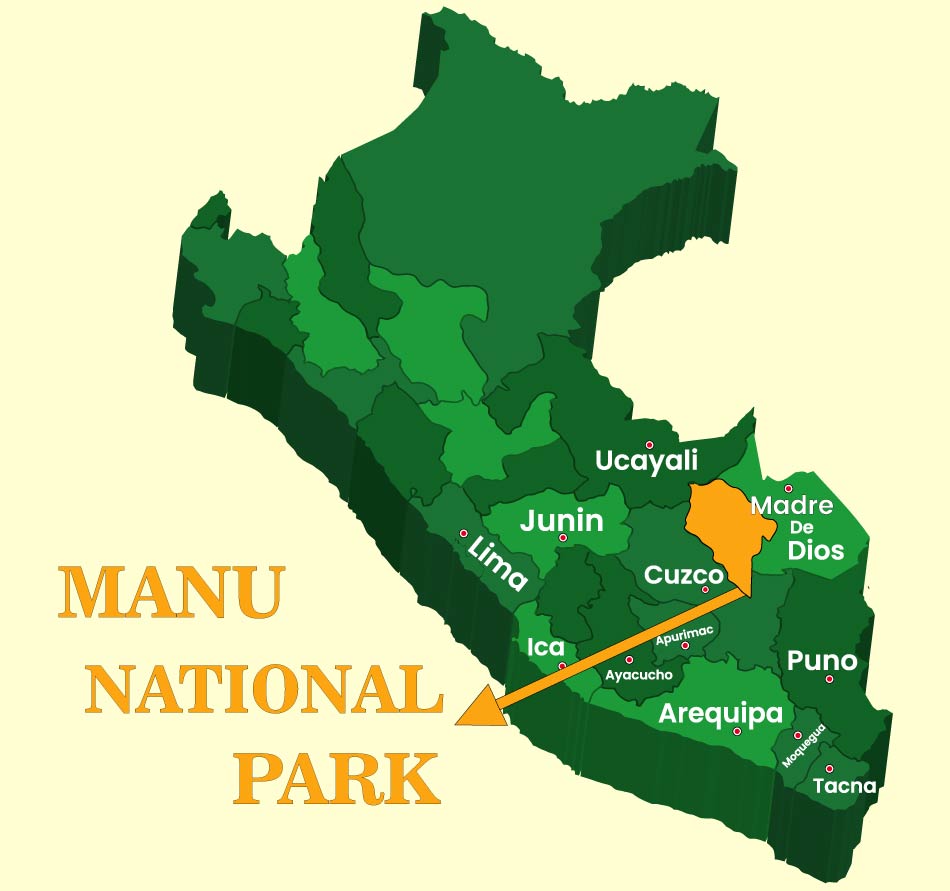
Manu National Park is located in the southeast of Peru, in the heart of the Peruvian Amazon. This vast reserve stretches from the Andean region of Cusco to the lowlands of Madre de Dios, covering approximately 400 km east of Cusco.
Due to its remote location, access to Manu is carefully regulated. Visitors must usually submit a request through an official portal or authorized tour operator. During the application process, customers receive detailed instructions, including required documentation, travel policies, and delivery of essential information via email.
After submitting a new order or booking request, travelers are provided with an order number to track their order status. Through the website interface, users can check updates on the screen, review announcements, or contact customer service for assistance in case of any issue.
Tour operators are responsible for organizing transportation, permits, and logistics, ensuring a safe and well-managed experience. In case of changes or special requests, customers should review the service policy or contact support to report any concern and receive guidance.
For additional help, most platforms include FAQs, a user-friendly menu, and clear step-by-step instructions to guide both new and existing order processes, from booking to final delivery of travel documents.
What type of climate does the Manu National Park have?
Manu National Park features a predominantly tropical climate, but it is shaped by the region’s remarkable geographical diversity, spanning from the high Andes to the lush Amazon basin. This variation in altitude creates distinct climatic zones, each with unique weather patterns and ecosystems.
In the highland areas, where cloud forests dominate, temperatures are cooler and humidity is moderate, often accompanied by mist and light rainfall. These areas provide a refreshing contrast to the lower tropical zones and are ideal for observing unique flora and fauna adapted to cooler mountain conditions.
In contrast, the lowland areas of the Amazon rainforest experience warmer, more humid conditions throughout the year. Temperatures are consistently high, rainfall is abundant, and the environment supports an incredibly diverse array of plants and wildlife, from towering trees and orchids to colorful birds and playful monkeys.
Overall, Manu National Park’s climate ranges from cool and misty in the mountains to hot and humid in the rainforest, offering visitors a full spectrum of tropical and high-altitude experiences. Travelers should be prepared for these variations, dressing in layers and carrying rain protection to fully enjoy the park’s diverse environments.
What is the best time to visit Manu?
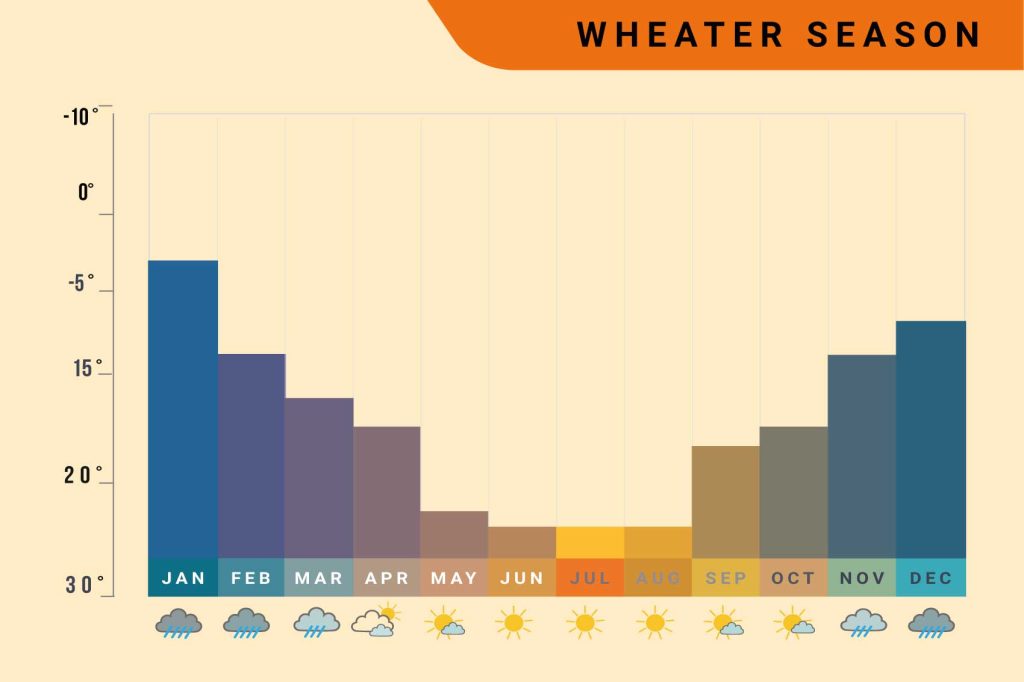
It is recommended to visit Manu National Park during the dry season, which runs from May to October. During this period, the weather is more stable and predictable, making trails easier to hike and river navigation safer and more efficient. With less rainfall, roads are in better condition, and wildlife viewing opportunities are often improved, as animals tend to gather near water sources and along riverbanks.
However, even in the dry season, Manu remains a humid tropical environment, so occasional rain can still occur. Daytime temperatures are generally warm, while nights especially in higher areas can be cooler.
The rainy season, from November to April, brings heavier rainfall and more challenging travel conditions, including muddy trails and higher river levels. Despite this, the forest becomes more vibrant and lush, and there is increased activity among certain species, making it an interesting time for travelers who don’t mind the rain and are looking for a greener, more immersive jungle experience.
How long does a trip to Manu last?
The length of a trip to Manu National Park depends on how deeply you want to explore this vast and diverse region. Shorter tours typically last 3 to 4 days and usually focus on the Cultural Zone, where visitors can experience the transition between the Andes and the Amazon. These tours offer a good introduction to the park, including wildlife observation, scenic landscapes, and visits to accessible areas.
For a more complete experience, 5 to 6-day tours are highly recommended. These itineraries allow travelers to go deeper into the reserve, often reaching the Reserved Zone, where biodiversity is even richer and the environment is more pristine. With more time available, visitors can explore different ecosystems, take guided walks, enjoy boat excursions, and increase their chances of spotting a wider variety of wildlife such as monkeys, birds, reptiles, and other Amazon species.
Longer stays also provide a more relaxed pace, allowing travelers to fully appreciate the natural surroundings and participate in more activities without feeling rushed.
| Duration | Area Visited | Experience Level | Main Activities | Ideal For |
|---|---|---|---|---|
| 3–4 Days | Cultural Zone | Introductory | Jungle walks, wildlife spotting, scenic viewpoints, cloud forest exploration | Travelers with limited time or first-time visitors |
| 5–6 Days | Reserved Zone (deeper rainforest) | Immersive | River navigation, deeper jungle hikes, macaw clay licks, lagoons, rich wildlife observation | Nature lovers and those seeking a complete Amazon experience |
| 7+ Days | Deep Manu / Remote Areas | Advanced / Expedition | Extended exploration, remote wildlife tracking, research zones, untouched ecosystems | Adventure travelers, photographers, and researchers |
Is it safe to travel to Manu?
Yes, it is generally safe to travel to Manu National Park, especially when visiting with authorized tour operators and experienced local guides. As with any remote natural destination, there are certain risks and precautions to consider. Access to Manu can be challenging, as it involves long drives through mountainous roads followed by river travel by boat, depending on the area you visit.
Additionally, Manu is a protected natural environment with abundant wildlife, so it is important to follow safety guidelines at all times. Travelers should listen carefully to their guides, avoid unnecessary risks, and respect the natural surroundings. Basic precautions such as using insect repellent, wearing appropriate clothing, staying hydrated, and protecting personal belongings are essential.
With proper planning, responsible behavior, and the support of knowledgeable guides, visiting Manu is a safe and incredibly rewarding experience. It offers a unique opportunity to connect with one of the most pristine ecosystems in the world while enjoying a well-organized and secure journey.



What activities can be done in the Manu National Park?
In Manu National Park, visitors can enjoy a wide range of immersive activities surrounded by one of the most biodiverse ecosystems on Earth. One of the main highlights is wildlife watching, where you can observe an incredible variety of birds, mammals, reptiles, amphibians, and insects in their natural habitat.
Guided jungle walks are an essential part of the experience. With the help of expert guides, each route is carefully planned and displayed step by step, almost like a living manual of the rainforest, allowing you to explore the park’s rich biodiversity in depth.
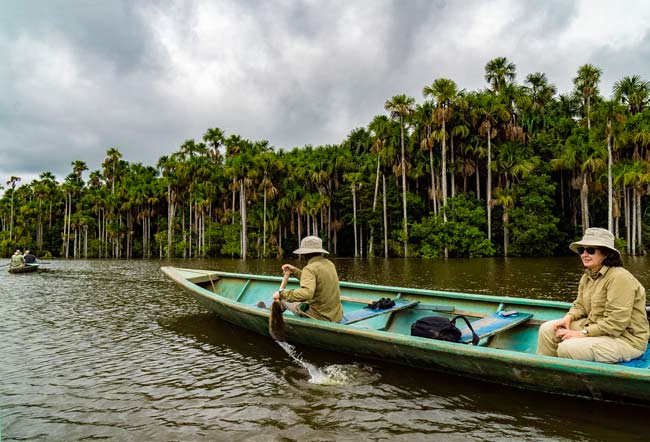
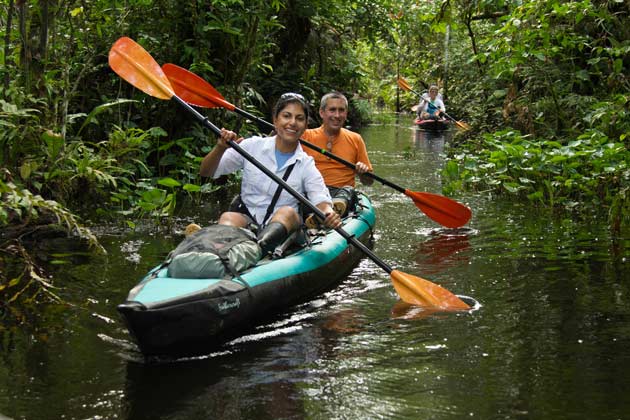
Boat trips along the river are another unforgettable activity. As you travel through the waterways, you’ll have the chance to spot river wildlife while enjoying the scenery. These excursions are typically well-organized, with logistics such as transportation, timing, and cost clearly arranged in advance to ensure a smooth experience.
Visitors can also engage in cultural visits to indigenous communities, where they can learn about traditions, daily life, and the deep relationship between local people and the jungle. It is important to respect their customs and way of life at all times.
Additionally, many tours include visits to conservation areas and lagoons, as well as educational activities focused on environmental awareness. Each activity is thoughtfully designed and delivered with attention to detail, ensuring that every part of the journey from arrival at your designated address to the final experience is meaningful and responsible.
What type of accommodation is there in Manu?
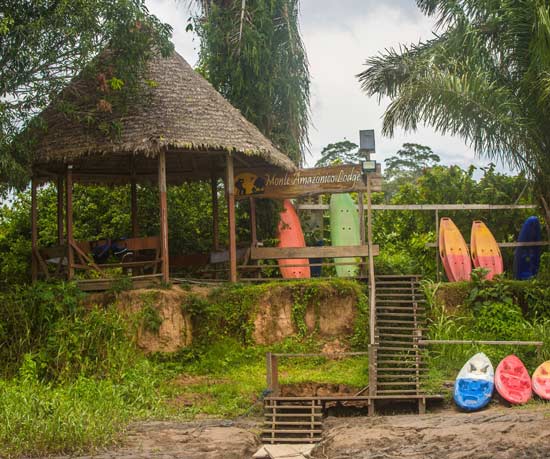
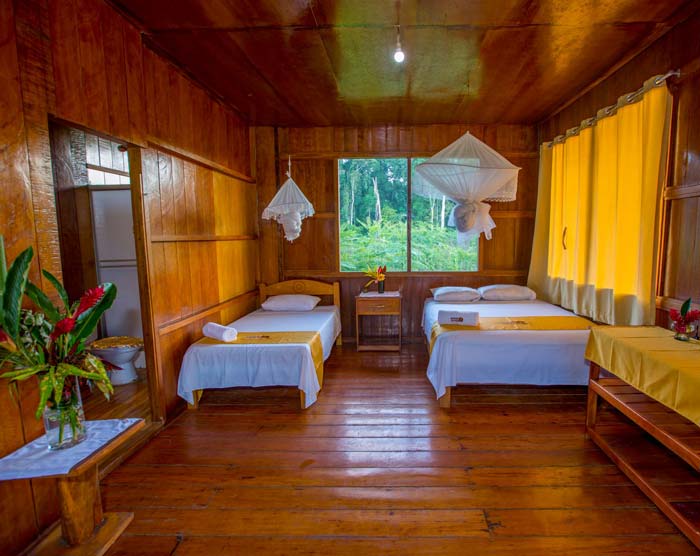
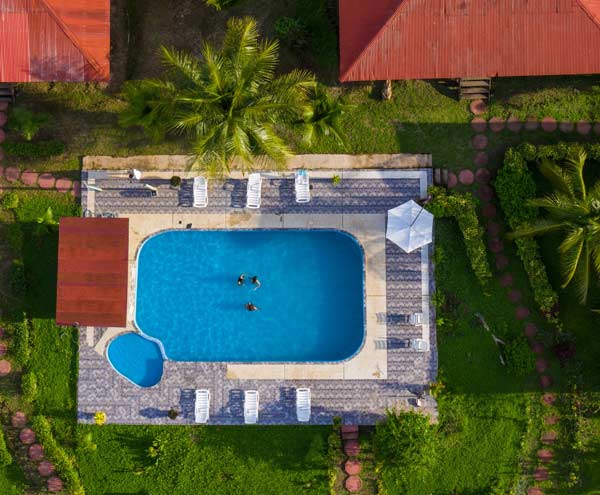
The accommodation in Manu will be according to your preference, you can choose between camping or something more comfortable, such as lodges. If you want to camp, you will have the most authentic and unique experience, you will have tents, something very simple, in reality the activities are very immersive which allows you to connect with nature. On the other hand, we have lodge accommodations in the jungle, which are the most common option you will see, if you are looking for basic or intermediate comfort, they are wooden cabins with palm roofs, there are shared or private rooms.


Is it necessary to have a guide to enter Manu?
Yes, since the Manu National Park is a protected area and access is restricted, that is why you will need an authorized guide to be able to enter, since he will be in charge of ensuring that the rules are respected within the park and apart from that, they are in charge of your safety.
Can you do ecotourism or volunteer work in Manu?
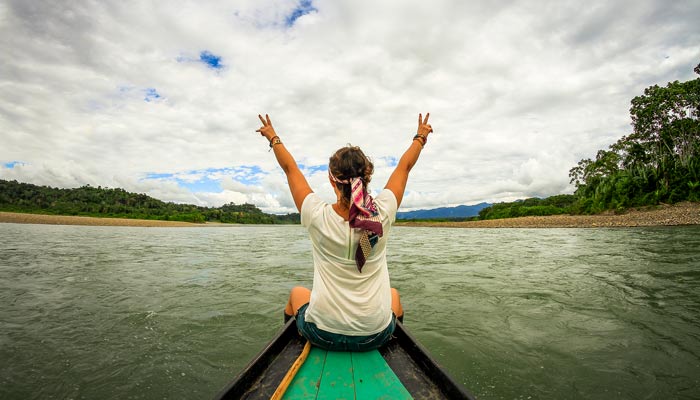
Yes, you can do both activities in the Manu National Park. Ecotourism is the most common thing to do on a visit to the park. On the other hand, volunteering is something that is growing today, it is related to environmental conservation, scientific research and support for local communities.
Are there access restrictions to the park?
Yes, Manu National Park has access restrictions because it is a protected area. Visitors must obtain permits to enter, as access is carefully controlled to preserve the park’s ecosystems.
In addition, some areas are completely off-limits, such as the deepest parts of the tropical forest, to protect sensitive wildlife and habitats. These measures help ensure that the park remains a safe and sustainable environment for both nature and visitors.
How do you get to Manu?
First, we will transport you from the Access to Manu National Park is part of the adventure itself, as it involves traveling through different ecosystems from the Andes to the Amazon rainforest. Most journeys begin in Cusco, where travelers depart early in the morning by road, crossing mountain landscapes and cloud forests before descending into the jungle.
In many itineraries, the route continues toward areas such as Paucartambo and the cloud forest region before reaching the lowland jungle. Depending on the tour, travelers may continue toward Puerto Maldonado or other river ports, where the journey transitions to motorized boat travel along rivers such as the Madre de Dios or Manu River. These boat rides can last several hours and offer the first opportunities to observe wildlife along the riverbanks.
Due to the remote location and limited infrastructure, access is only possible through organized tours, which include transportation, logistics, and guided services to ensure a safe and smooth journey into the park. city of Cusco to the city of Puerto Maldonado, and from there we will take a motorized boat crossing the Madre de Dios River, the boat will take us to an area near the Manu Park.
What precautions should I take when traveling to Manu?
Due to the conditions of the region, it is important to take some precautions before your visit. Make sure your health and vaccinations are up to date, including yellow fever, tetanus, hepatitis A and B, and typhoid fever.
Also, don’t forget to bring insect repellent, sunscreen, and appropriate clothing for both the jungle and the mountains. Be careful when walking, stay on trails, and always respect the park rules to protect both yourself and the environment.
These simple precautions will help ensure a safe and enjoyable experience while exploring the incredible biodiversity and landscapes of Manu National Park.
What types of animals can I see in Manu?
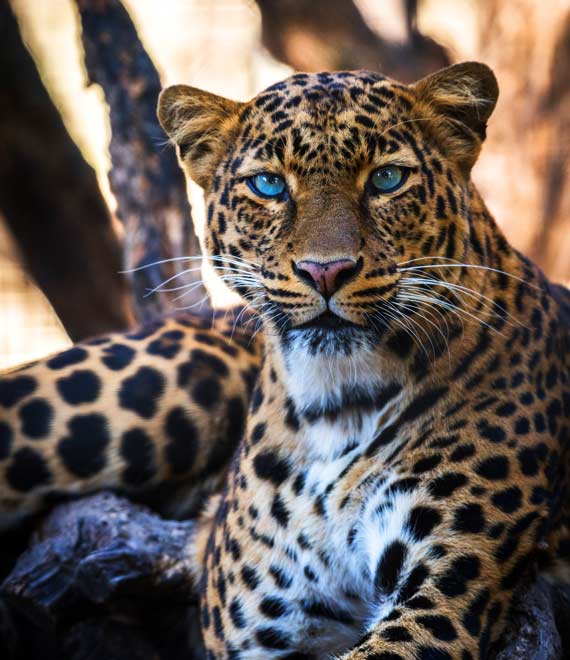
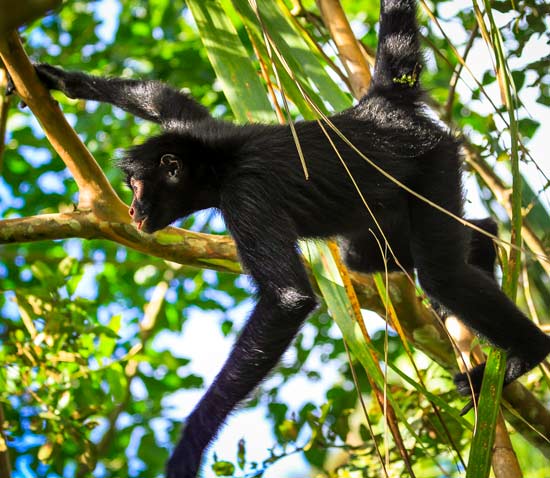
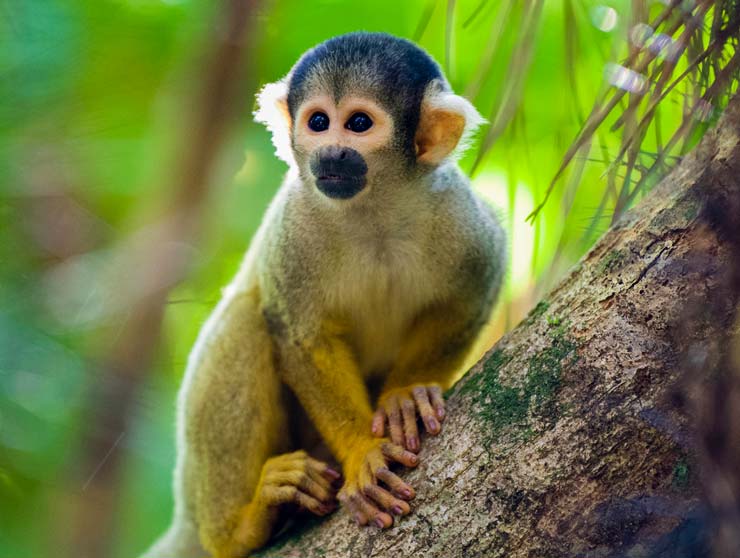
Manu National Park is world-renowned for its incredible biodiversity, making it a paradise for wildlife enthusiasts and nature photographers. The park is home to a vast array of mammals, including playful monkeys, elusive jaguars, ocelots, margays, pumas, tapirs, spectacled bears, peccaries, armadillos, and many more. Each ecosystem, from the highland cloud forests to the Amazon lowlands, offers opportunities to encounter different species in their natural habitats.
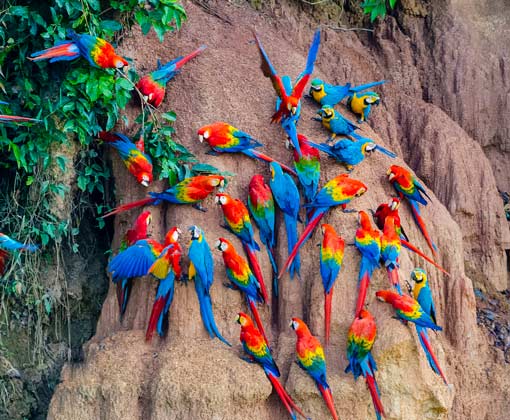
The park also boasts an extraordinary variety of birds, such as brightly colored macaws, toucans with their iconic bills, parrots, hummingbirds, and harpy eagles. Birdwatchers can enjoy listening to their calls and spotting these remarkable species among the dense foliage.
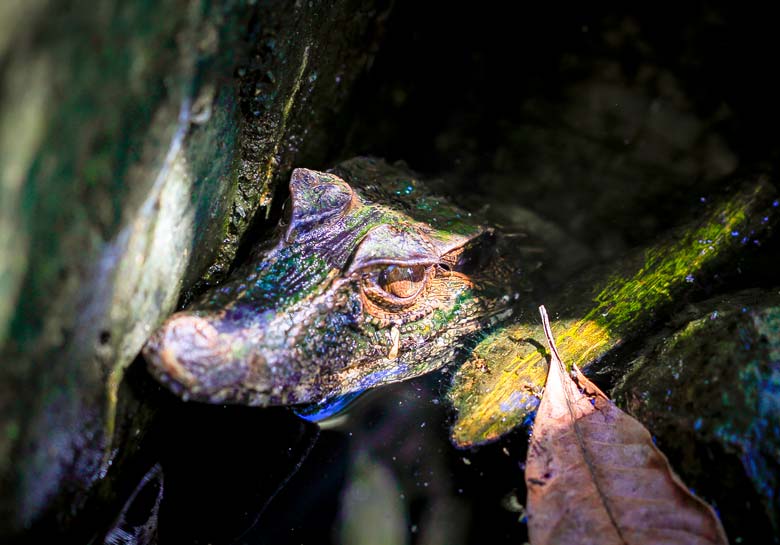
In addition, Manu is home to a wide range of reptiles and amphibians, including snakes, boas, green anacondas, caimans, frogs, and turtles. The park’s rivers, wetlands, and forests create the perfect environment for these animals to thrive.
The diversity doesn’t end there: insects, butterflies, and countless plant species add to the richness of the park, making every step of your visit a unique encounter with nature.
Is it possible to take photos or record in Manu?
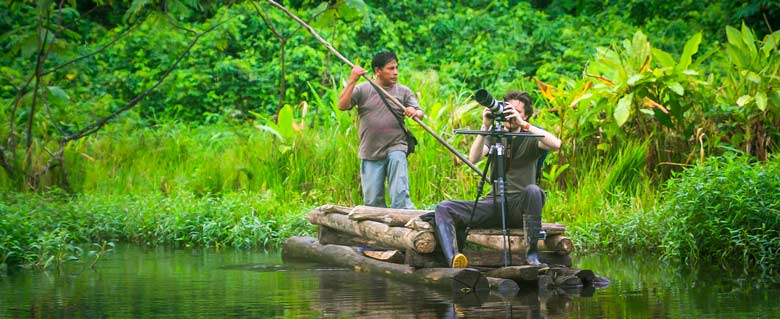
Yes! Visitors are encouraged to take photos and record videos to capture the beauty and diversity of the park. However, it is crucial to do so responsibly:
- Do not disturb the animals or interfere with their natural behaviors.
- Avoid damaging the environment, including plants, trails, and nesting areas.
- Drones are not permitted, as they can disrupt wildlife and other visitors.
- Respect any areas or signs where photography or video recording is restricted.
By following these guidelines, you can document your adventure while helping to preserve the park’s delicate ecosystems for future generations.
Is there Wi-Fi in the Manu National Park?
There is no Wi-Fi in Manu National Park due to its remote location and the absence of modern infrastructure. This lack of connectivity is also intentional, as it helps preserve the natural environment and prevents ecological impact from technological development.
For many visitors, this is part of the experience, offering a rare opportunity to disconnect from daily life and fully immerse themselves in nature. It is recommended to inform family or friends before your trip and be prepared for limited or no communication during your stay in the park.