




Cusco is much more than the ancient capital of the Inca Empire and the gateway to Machu Picchu. Declared a UNESCO World Heritage Site in 1983, this city captivates millions of travelers every year thanks to its extraordinary blend of history, culture, and architecture. While its cobblestone streets preserve the legacy of the Incas, its impressive colonial churches tell a different chapter of its past: the encounter between two civilizations that forever transformed the identity of Peru. Among these, the 5 Most Famous Churches in Cusco stand out.
After the arrival of the Spanish in the 16th century, Cusco became one of the most important religious centers in South America. On top of former Inca palaces and temples dedicated to the Sun, Moon, and other Andean deities, majestic churches, convents, and monasteries began to rise. The best European architects, together with hundreds of Indigenous artisans, created buildings that are now considered true masterpieces of colonial art.
What is most fascinating is that these temples do not represent only Spanish influence. Within their walls, paintings, and sculptures, you can still discover hidden Andean symbols, native plants, animals from the Andes, and details that reflect the worldview of the ancient Incas. This cultural fusion gave birth to the famous Andean Baroque style and the prestigious Cusco School of Painting, two artistic expressions admired worldwide.
Visiting the churches of Cusco is much more than exploring religious buildings. It is about discovering stories of Incas and conquistadors, admiring gold-covered altars, observing centuries-old paintings, and understanding how two heritages merged into one unique cultural identity.
If you are planning to visit Cusco, these are the five churches you should not miss.
In this article, we will explore the 5 Most Famous Churches in Cusco that you must visit today.
Cusco Cathedral (Basilica Cathedral of Cusco)
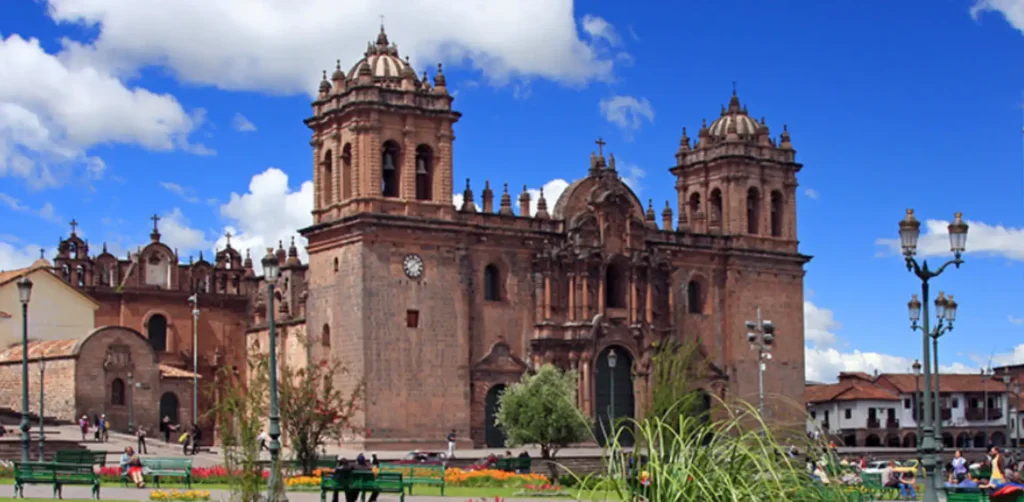
The Cusco Cathedral is the most important religious temple in the city and one of the most impressive colonial monuments in Peru. Located in the heart of the Plaza de Armas, it was built on the former palace of Inca Viracocha, one of the most significant rulers of the Inca Empire.
Its interior is a true treasure of colonial art, housing more than 400 works from the famous Cusco School of Painting. Each chapel is decorated with golden altars, sculptures, and religious paintings that reflect the artistic richness of the colonial period.
One of its most famous artworks is The Last Supper, where Jesus is depicted sharing a roasted guinea pig (cuy), a traditional Andean dish. This detail symbolizes the fusion between European religious traditions and Andean culture.
The Cathedral is also home to the revered image of the Lord of the Earthquakes (Señor de los Temblores), considered the protector of Cusco. Its Holy Week procession gathers thousands of devotees every year in the Plaza de Armas.
???? Location: Plaza de Armas
⏱️ Visit duration: 45–60 minutes
⭐ Don’t miss: Golden altars and colonial crypt
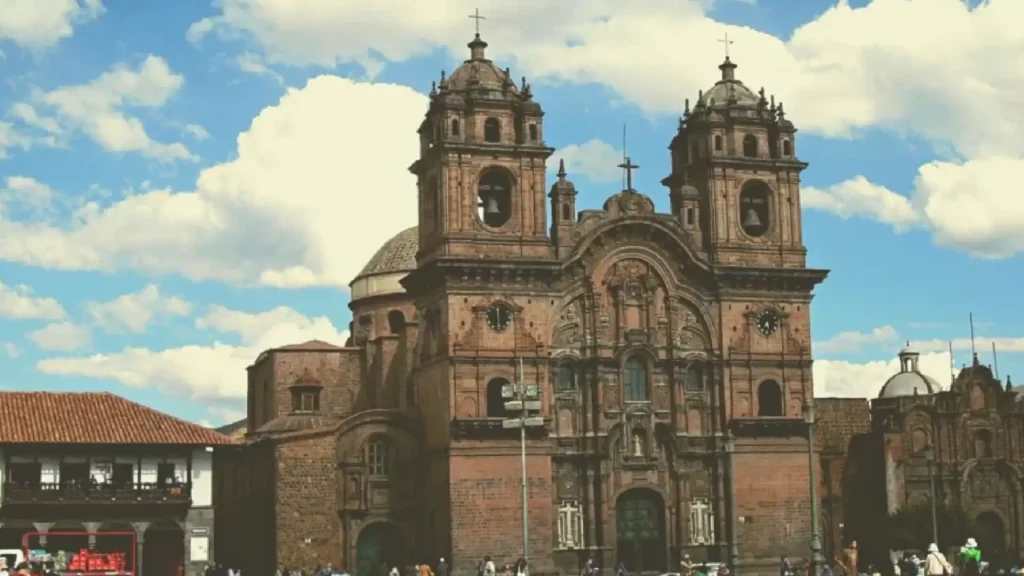
Church of the Society of Jesus (Iglesia de la Compañía de Jesús)
Located right next to the Cathedral, this church is one of the finest examples of Andean Baroque architecture. Its finely carved stone façade is considered one of the most beautiful in South America.
It was built over the former Inca palace Amarucancha, giving it great historical significance. Inside, visitors can admire gold-covered altars and colonial paintings that reflect the richness of Cusco’s artistic heritage.
During colonial times, it was even considered a symbolic rival of the Cathedral in terms of architectural grandeur.
???? Location: Plaza de Armas
⏱️ Visit duration: 30–45 minutes
⭐ Don’t miss: The façade at sunset for the best photos
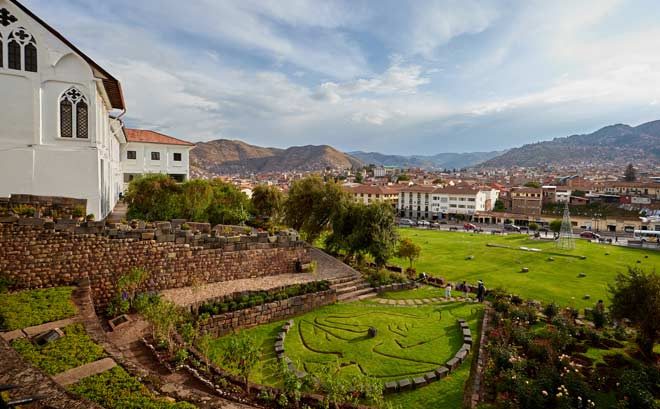
Qorikancha and Convent of Santo Domingo
Qoricancha was the most important temple of the Inca Empire, dedicated to Inti, the Sun God. Its walls were originally covered in gold, making it one of the most sacred sites in the entire Tahuantinsuyo.
After the Spanish conquest, the Convent of Santo Domingo was built on top of its foundations, creating one of the most impressive examples of cultural fusion in the Americas.
What makes this site extraordinary is that the Inca stone walls have survived all major earthquakes, while the colonial structures have been damaged over time showing the incredible engineering skills of the Incas.
???? Location: Avenida El Sol
⏱️ Visit duration: 45–60 minutes
⭐ Don’t miss: Original Inca stone walls and Sun Temple area
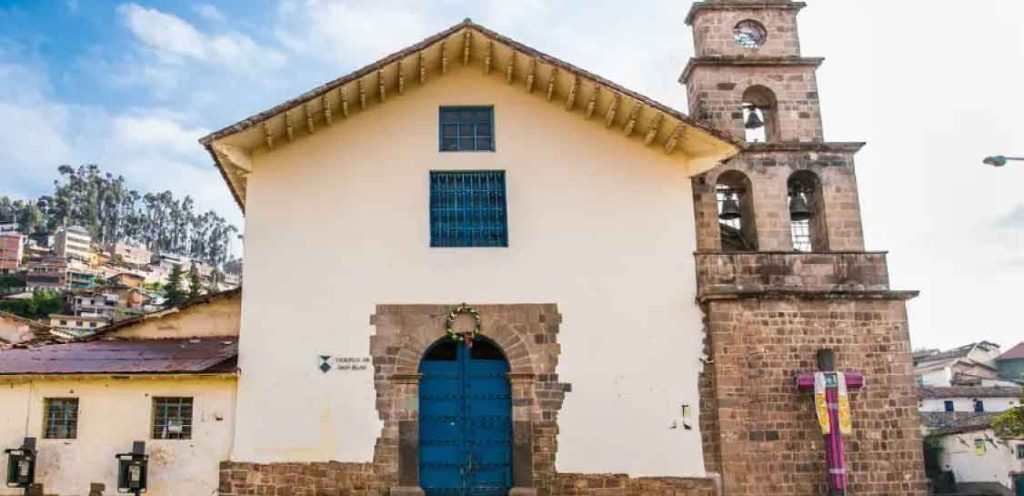
San Blas Church
Located in the artistic San Blas neighborhood, this small church is famous for its stunning wooden pulpit carved from a single piece of cedar wood, considered one of the finest examples of colonial craftsmanship in the Americas.
San Blas is also known as Cusco’s “artisan district,” full of workshops, galleries, cafés, and narrow streets with beautiful city views.
Visiting this church is both a cultural and scenic experience.
???? Location: San Blas neighborhood
⏱️ Visit duration: 30–40 minutes
⭐ Don’t miss: San Blas viewpoint after your visit
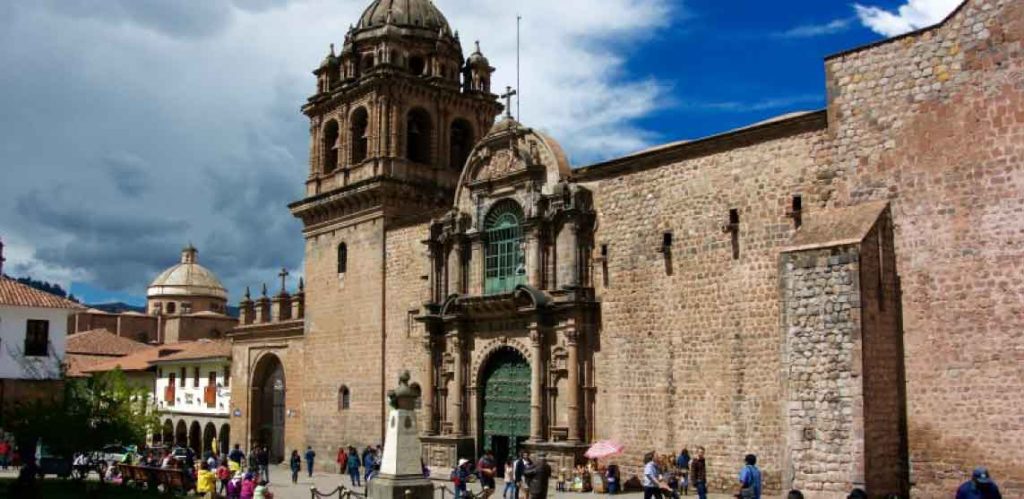
La Merced Church
La Merced Church is one of the most elegant colonial temples in Cusco. While its exterior is simple, its interior holds one of the most valuable religious treasures in Peru: a gold and gemstone-covered monstrance of extraordinary historical value.
The convent also features beautiful colonial cloisters and religious paintings that showcase monastic life during the colonial era.
It is a quieter church, perfect for a more relaxed visit.
???? Location: Mantas Street
⏱️ Visit duration: 30–40 minutes
⭐ Don’t miss: The golden monstrance and cloisters
Recommended Walking Route
You can easily visit all five churches on foot:
- Plaza de Armas → Cathedral + Compañía de Jesús
- 10–15 min walk → Qoricancha
- Short uphill walk → San Blas
- Return to center → La Merced
???? Can be done in half a day or a relaxed full day.
Travel Tips
- Visit in the morning to avoid crowds
- Wear comfortable walking shoes (Cusco has steep streets)
- Bring a camera or phone with good battery
- Respect religious spaces (quiet inside churches)
- Consider taking a guided tour to better understand the hidden history