



What to Do in Cusco? Top Attractions, Day Trips, and Travel Tips
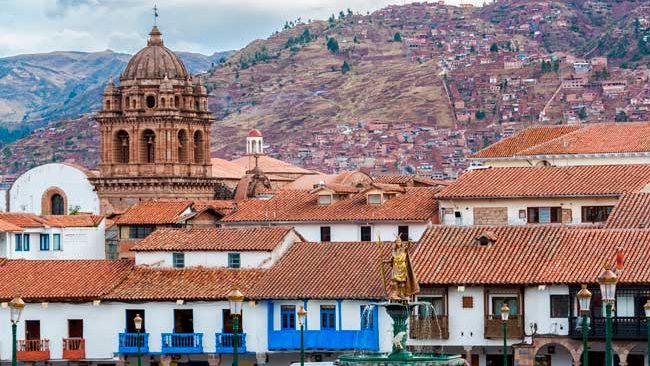
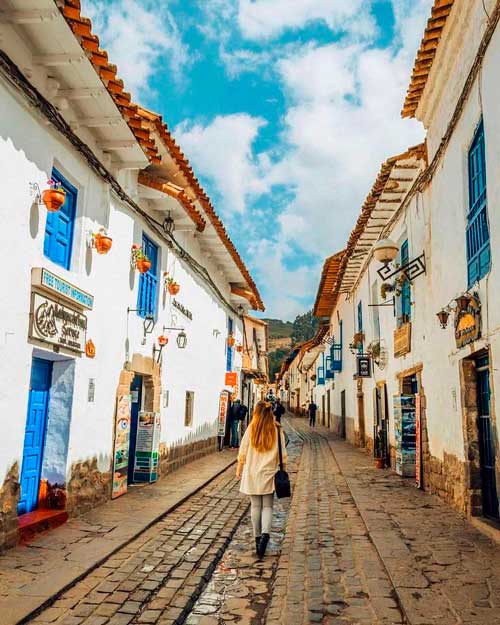
Cusco, Peru is one of the top tourist destinations in South America and the perfect starting point for visiting Machu Picchu. This historic Andean city offers a wide range of experiences, from walking through charming neighborhoods like San Blas and the famous 7 Borreguitos Street to exploring traditional areas such as San Pedro. The Plaza de Armas is the heart of the city, surrounded by colonial architecture, museums, shops, colorful streets, and some of the best restaurants in the region—making it an essential destination for your Visit Cusco 2026.
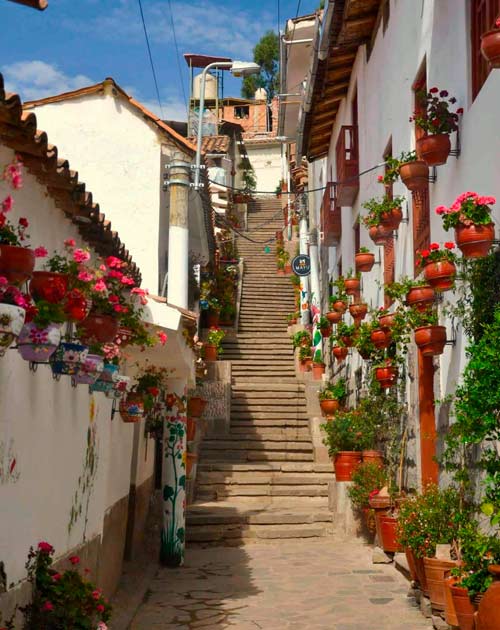
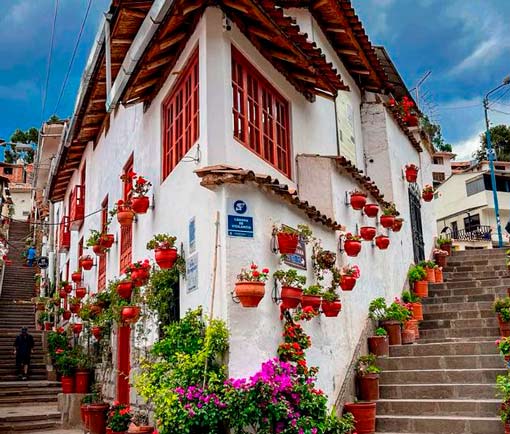
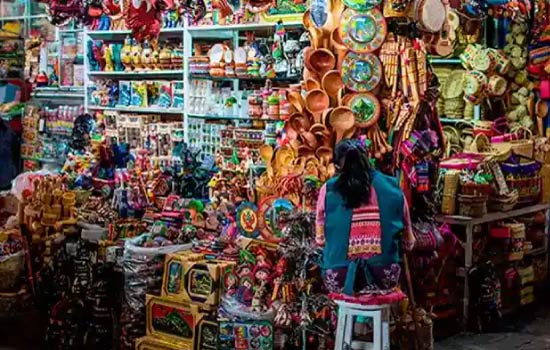
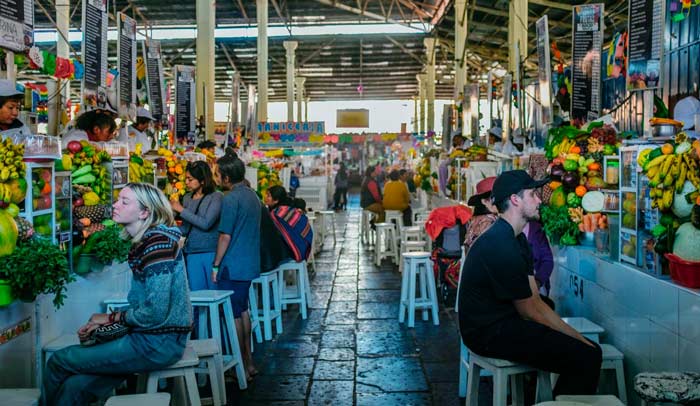
Beyond the city center, there are many must-see archaeological sites that reflect the legacy of the Inca civilization. Places like Sacsayhuamán, Qenqo, Tambomachay, and Puka Pukara are located just a short distance away and can be visited in a half-day tour. These sites showcase impressive stonework, ceremonial spaces, and panoramic views of the surrounding landscape.
| Site | Altitude | Visit Time | Highlights |
|---|---|---|---|
| Sacsayhuamán | 3,700 m | 1–2 h | Giant stonework & city views |
| Qenqo | 3,580 m | 30 min | Ritual chambers & carvings |
| Tambomachay | 3,700 m | 30 min | Water temples & fountains |
| Puka Pukara | 3,680 m | 20–30 min | Fortress & lookout point |
For unforgettable day trips, the Sacred Valley is one of the highlights of any itinerary. You can visit traditional towns like Pisac and Ollantaytambo, explore local markets, and enjoy stunning Andean scenery. Other popular excursions include Rainbow Mountain, known for its vibrant natural colors, and Humantay Lake, famous for its turquoise waters surrounded by snow-capped peaks.
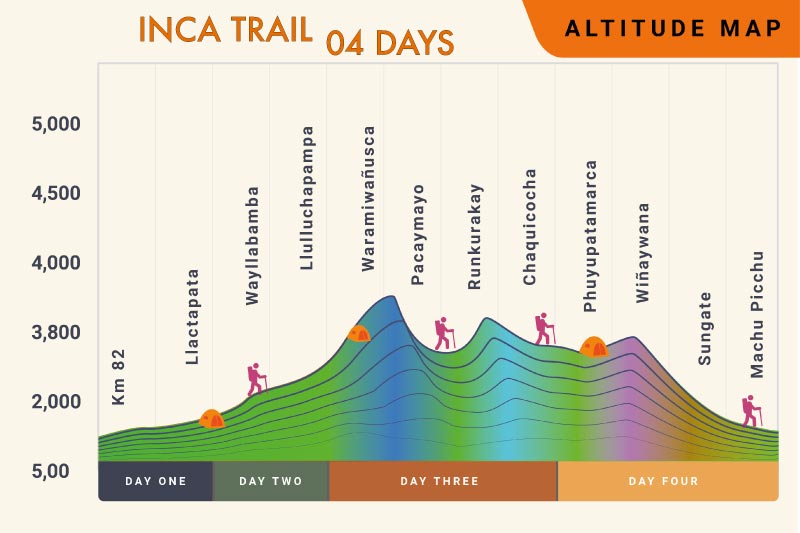
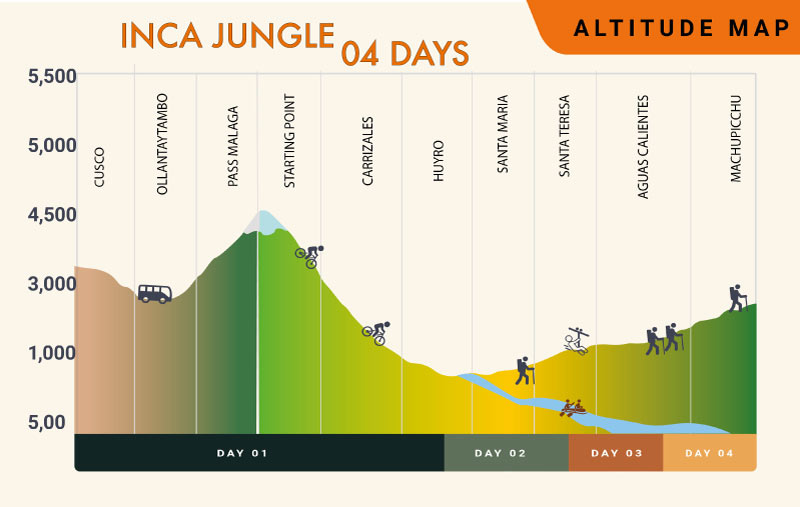
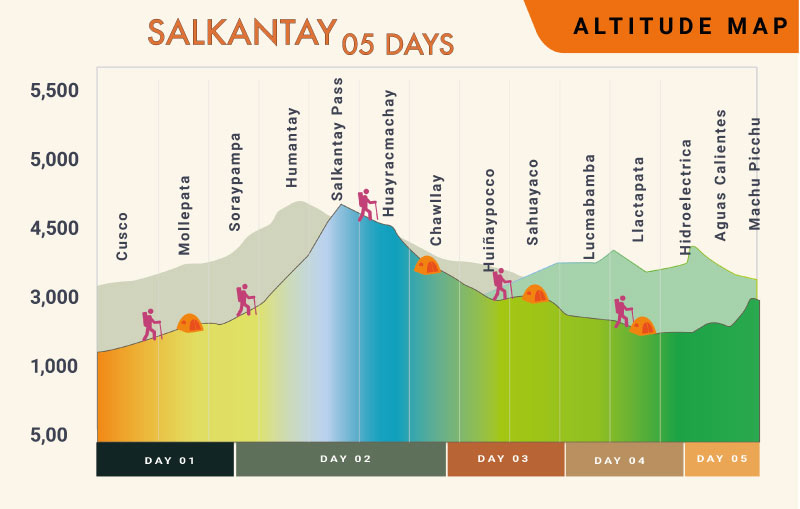
Adventure travelers will find plenty of options, including trekking routes such as the Inca Trail, Salkantay Trek, and Inca Jungle Trek. These multi-day experiences combine hiking, nature, and cultural immersion, often ending with a visit to Machu Picchu. For those who prefer a more journey, train tours are also available.
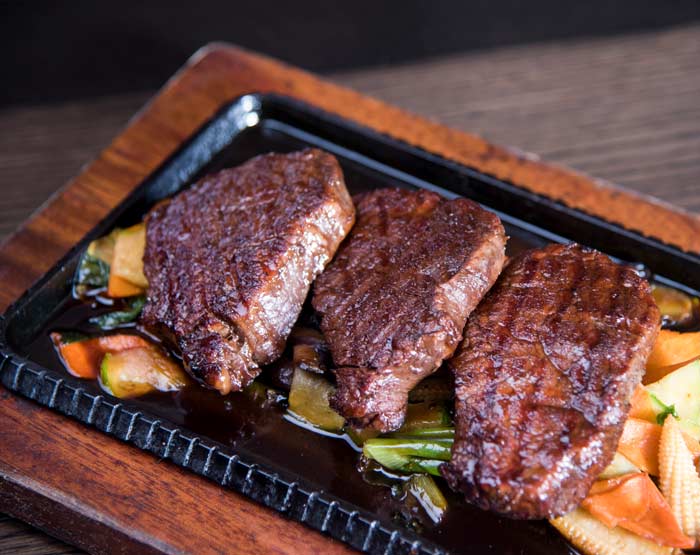
Food is another essential part of the experience. You’ll have the opportunity to try authentic Peruvian cuisine, including traditional dishes like cuy (guinea pig), alpaca steak, and a variety of local soups and stews. Restaurants range from casual eateries to fine dining, many offering views of the main square.


It’s important to remember that the city sits at a high altitude, so proper acclimatization is key. Taking it easy during your first days, staying hydrated, and avoiding heavy meals or alcohol will help your body adjust. Most visitors feel comfortable after one or two days.
Getting around is simple and convenient. The historic center is very walkable, and taxis are widely available for longer distances. Prices are usually affordable, but it’s best to agree on the fare before starting your ride.
For the best experience, consider visiting during the dry season from May to September, when the weather is sunny and ideal for outdoor activities. However, this is also the busiest time of year, so booking accommodations, tours, and entrance tickets in advance is highly recommended.
Whether you’re arriving from Lima or exploring Peru for the first time, Cusco offers a perfect combination of history, culture, gastronomy, and adventure, making it an essential stop on any journey to Machu Picchu.
What is the altitude in Cusco?
The city sits at an approximate altitude of 3,300 meters (11,150 feet) above sea level, making it a high-altitude destination.
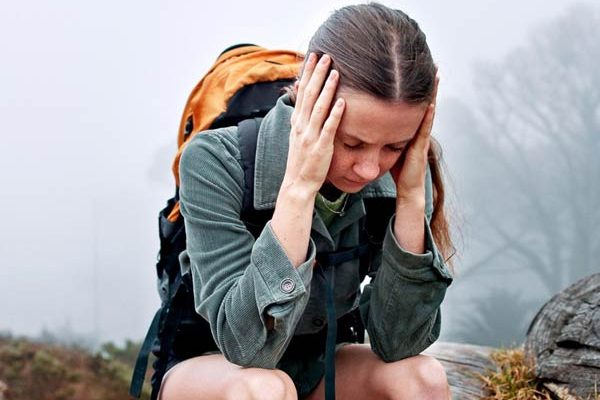
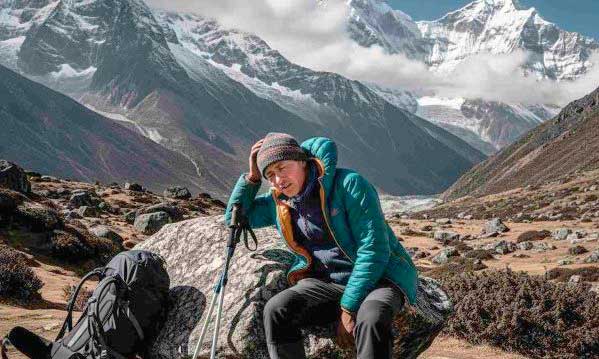
Because of this elevation, some travelers may experience altitude sickness (soroche), especially during the first couple of days. Symptoms can include headaches, fatigue, shortness of breath, or mild dizziness.
How to acclimatize to the altitude?
Adjusting to high altitude is an essential part of traveling in the Andes, especially if you are arriving from a city at sea level like Lima. At approximately 3,400 meters (11,150 feet) above sea level, the lower oxygen levels can affect anyone, regardless of age or fitness, so giving your body time to adapt is key.
The most important step is to take it slow, especially during your first 24 hours. After arrival, it’s best to rest and avoid any intense physical activity. Even walking long distances or climbing stairs too quickly can make symptoms more noticeable. A short, gentle walk is fine, but the priority should be allowing your body to adjust naturally.
Staying well hydrated plays a major role in acclimatization, as it helps your body function more efficiently in lower oxygen conditions. At the same time, it’s recommended to eat light meals, since heavy or greasy food can increase discomfort. Limiting alcohol and caffeine during the first couple of days also helps, as both can contribute to dehydration and make symptoms worse.
It’s also important to pay attention to how you feel. Mild symptoms such as headaches, slight dizziness, or shortness of breath are common and usually improve with rest. Instead of pushing through discomfort, it’s better to slow down and give your body more time. As the days go by, you can gradually increase your activity level and begin exploring more comfortably.
With a careful and patient approach, most travelers adapt within one to two days and are then ready to fully enjoy everything the region has to offer.
| Day 1 | Day 2 | Day 3 |
|---|---|---|
| Rest & acclimatize | Light activities | Full exploration |
| ???? Hydrate | ????♂️ Short walks | ⛰️ Tours & hikes |
| ???? Take it easy | ???? Light meals | ???? Enjoy Cusco |

When is the best time to visit Cusco?
If you’re planning a trip to Peru or specifically a trip to Cusco, one of the most important know before you go tips is choosing the right season.
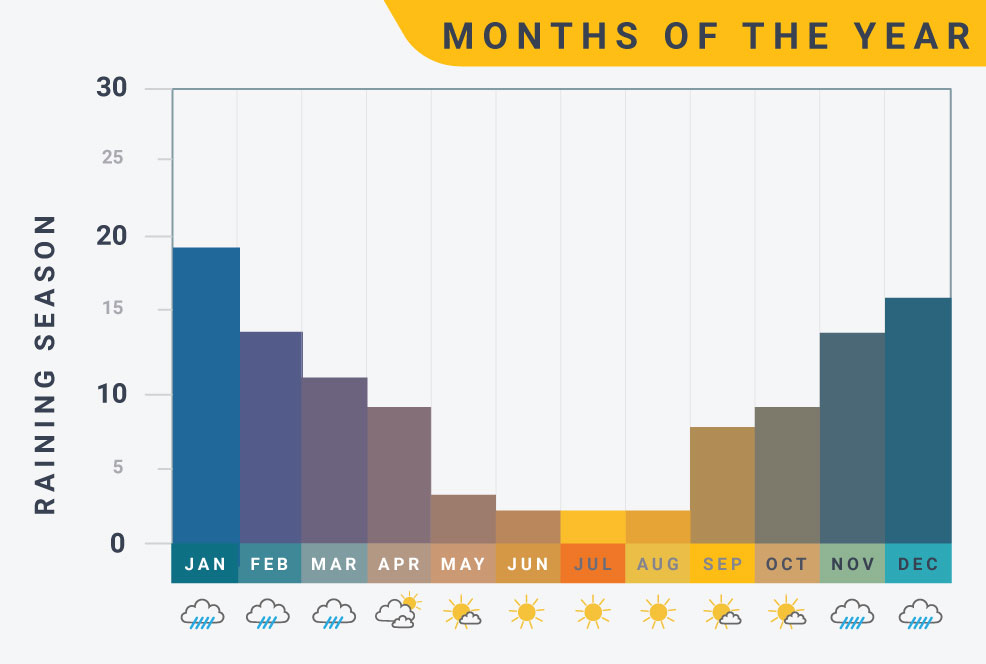
The best time for visiting Peru especially for travel in Cusco is during the dry season, which runs from May to September. During this period, the city of Cusco enjoys sunny days, clear skies, and very little rain, making it ideal for exploring the historic center, the city center, and nearby Inca ruins. Daytime temperatures are pleasantly cool, while nights can be cold, so layering is essential to fully enjoy your time in the city.
This season is perfect for booking tours in Cusco, including popular experiences like the Inca Trail or other routes to Machu Picchu, as well as memorable Cusco day trips around the Sacred Valley. However, because it’s peak tourist season, it’s important to plan ahead. Permits for treks and entrance ticket especially those included in the Tourist Ticket sell out quickly, so early booking is highly recommended.
When arriving into Cusco, keep in mind that higher visitor numbers can affect availability of accommodations and tours. Having your itinerary organized in advance will help you make the most of your time in Cusco.
Lastly, don’t forget essential travel planning details like securing travel insurance and following basic safety tips to ensure a smooth and enjoyable experience in this incredible destination.
What is the official language of Cusco?
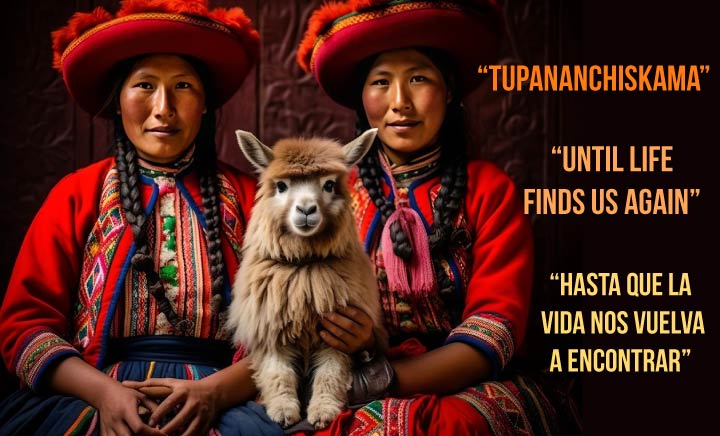
The official language in Cusco is Spanish, but Quechua—a key part of Inca heritage—is still widely spoken throughout the region. As you walk through the streets of Cusco, especially in local markets and traditional neighborhoods, you will often hear both languages being used in daily life.
In rural areas and traditional communities, particularly in towns like Pisac and across the Sacred Valley, Quechua remains the primary language for many locals. This makes Cusco one of the few places in South America where an indigenous language is still actively used in everyday communication, preserving centuries-old traditions.
For travelers, basic Spanish is usually enough for most interactions in Cusco, especially in hotels, restaurants, and tour services. However, learning a few simple phrases in Spanish—or even a greeting in Quechua—can enhance your experience and create a deeper connection with local people.
This coexistence of languages reflects the rich cultural identity of Cusco, where ancient traditions and modern life continue to blend, making every interaction more authentic and meaningful.
When was Cusco built?
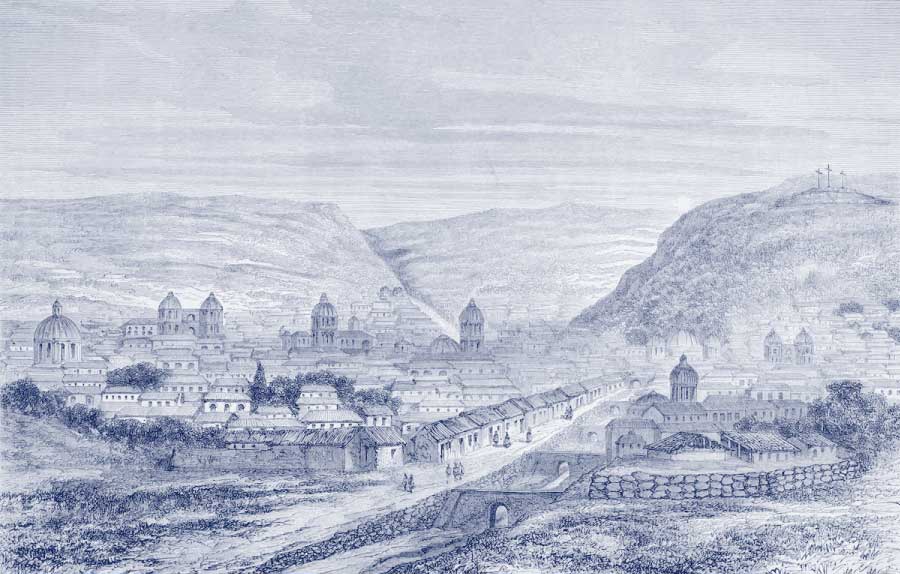
The origins of this ancient Andean city trace back to around 1200 AD, when it rose to prominence as the capital of the powerful Inca Empire. According to legend, it was founded by Manco Cápac, who was sent by the sun god Inti to establish a sacred center of civilization in the Andes.
However, what visitors see today is not purely Inca. After the arrival of the Spanish in 1533—led by Francisco Pizarro—many original structures were destroyed, rebuilt, or incorporated into colonial designs. Rather than erasing the past entirely, Spanish builders often used the incredibly precise Inca stone foundations as the base for churches, mansions, and plazas.
This layered history creates a unique architectural fusion. Walking through its streets, you can still observe massive, perfectly fitted Inca stones supporting colonial-era walls and balconies. Sites like Qorikancha—once the most important temple of the Inca world—now lie beneath colonial constructions such as the Santo Domingo Convent.
Today, the city stands as a living museum of Andean and Spanish heritage, reflecting centuries of transformation while preserving the spirit of its original civilization.
How many days are needed to explore Cusco?
For the best overall experience, it’s recommended to spend around 5 to 6 days. This timeframe allows you to explore the main highlights at a comfortable pace, combine cultural visits with outdoor adventures, and truly enjoy the atmosphere without rushing from place to place.
During your stay, you can visit important historical sites, walk through impressive Inca stone streets, and explore nearby archaeological areas such as Sacsayhuamán, Qenqo, and Tambomachay. You’ll also have time to discover the Sacred Valley, where towns like Pisac and Ollantaytambo offer a mix of local markets, traditional culture, and stunning landscapes.
A well-planned itinerary also includes a visit to Machu Picchu, whether by train or as part of a multi-day trek like the Inca Trail or Salkantay Trek. These experiences often require at least 1–2 additional days, depending on your travel style.
Another important reason to stay several days is altitude acclimatization. The region sits at over 3,300 meters (10,800 ft), so spending your first 1–2 days taking it easy—walking slowly, staying hydrated, and avoiding strenuous activity—can make a big difference in how you feel during the rest of your trip.
How to get to Cusco?
Reaching this Andean destination is quite simple, and most travelers arrive by air. The fastest option is to take a domestic flight from Lima, Peru’s capital. The journey takes approximately 1 hour and 20 minutes, with several daily departures operated by different airlines, giving you flexibility in terms of schedule and budget.
If you prefer traveling overland, buses are a more economical alternative. However, keep in mind that the journey from Lima can take 20 to 24 hours, depending on the route and service level. While longer, this option allows you to see diverse landscapes along the way.
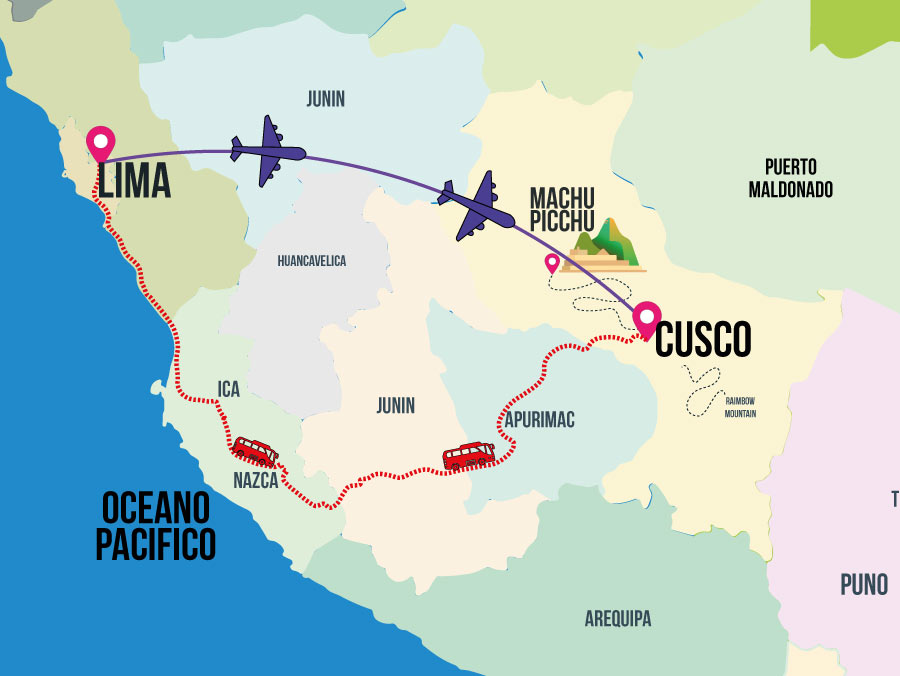
Many travelers also choose to arrive from nearby cities like Arequipa or Puno, which offer shorter and more scenic routes.
For a more immersive experience, some visitors combine transportation with adventure—such as arriving via multi-day treks or train routes that pass through the Sacred Valley on the way to Machu Picchu.
What is the Boleto Turístico and do I need it?
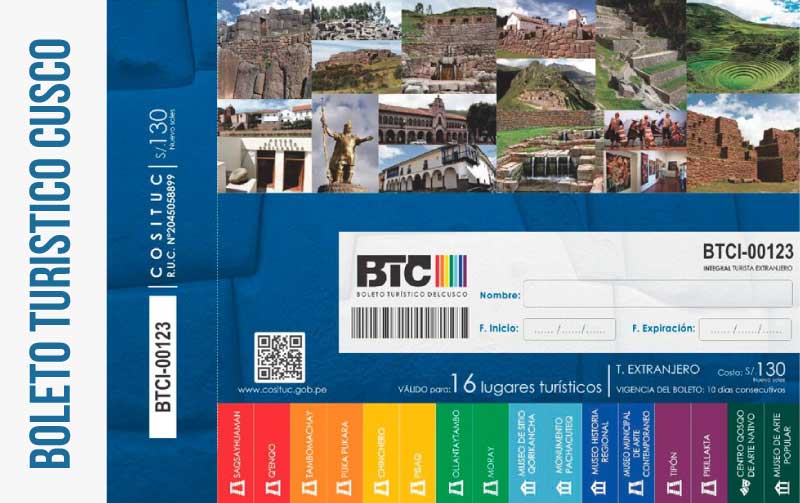
The Boleto Turístico (Tourist Ticket) is a pass that gives you access to a wide range of archaeological sites, museums, and cultural attractions in the region. It is required for visiting key places such as Sacsayhuamán, Qenqo, Tambomachay, Puka Pukara, as well as important sites in the Sacred Valley like Pisac and Ollantaytambo.
There are different types of tickets depending on your itinerary. The full ticket is valid for 10 days and includes access to most attractions, making it the best option if you plan to explore extensively. There are also partial tickets, valid for 1 or 2 days, which cover specific circuits such as the city sites or Sacred Valley locations. These are useful if you have limited time or a more focused plan.
It’s important to note that this ticket does not include entry to Machu Picchu, which must be purchased separately. In addition, some major sites like Qorikancha may require an additional entrance fee.
The Boleto Turístico can be purchased in person at authorized offices or at the entrance of certain sites, and it must be presented at each location you visit. Overall, it is essential for travelers who want to go beyond the historic center and explore the most important Inca and pre-Inca sites in the area.
What currency is used in Cusco and can I pay with card?
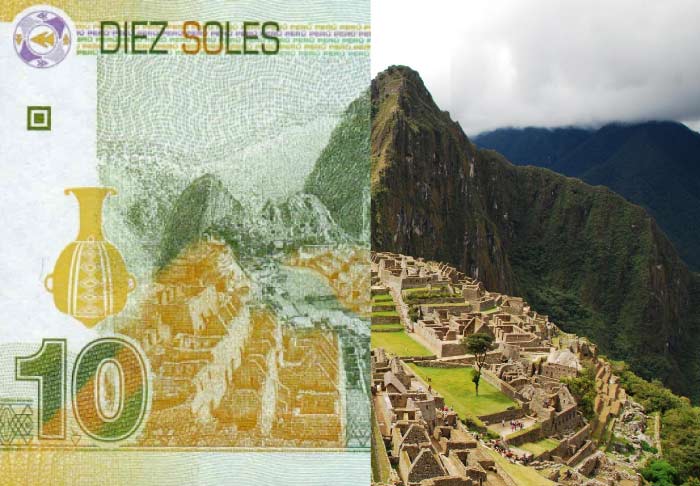
The local currency in Cusco is the Peruvian sol (PEN), and it is the most commonly used form of payment for daily expenses. While credit and debit cards are widely accepted in Cusco, it’s important to understand that not all places accept card payments.
In restaurants, hotels, cafés, and tour agencies in Cusco—especially in tourist areas—you can usually pay with a card without any issues. However, many small businesses in Cusco only accept cash, including local markets, small shops, taxis, street food vendors, and even some entrance fees to certain attractions.
For this reason, it’s essential to always carry cash in soles while visiting Cusco, especially if you plan to explore local neighborhoods or less touristy areas. In Cusco, you’ll find ATMs easily, as well as exchange offices with competitive rates, often better than those at airports.
The best approach in Cusco is to use a combination of both methods: card for larger expenses like hotels or organized tours, and cash for everyday purchases.
Having local currency with you in Cusco will give you more flexibility and help you avoid any inconvenience during your trip.
Do I need tickets in advance for Machu Picchu?
Yes, it is strongly recommended to book your Machu Picchu tickets in advance, especially if you are traveling during the high season (May to September). Entry to Machu Picchu is strictly regulated, with a limited number of visitors allowed per day and specific time slots assigned for entry.
There are different circuits within Machu Picchu, and availability can vary depending on demand. Some of the most popular options, such as hiking Huayna Picchu or Machu Picchu Mountain, have very limited permits and often sell out weeks or even months in advance, particularly during peak travel periods.
Booking early not only guarantees your entrance but also allows you to choose your preferred circuit, entry time, and additional hikes. This is especially important if you are planning your trip around specific dates or combining your visit with trains, tours, or treks like the Inca Trail.
It’s also important to note that your Machu Picchu ticket must match your passport details, and you will need to present your passport upon entry. Changes are usually not allowed once the ticket is issued, so planning ahead is essential.
For the best experience, it’s recommended to secure your tickets as soon as your travel dates are confirmed, ideally several weeks in advance or even earlier during the busiest months.
What should I pack for Cusco?
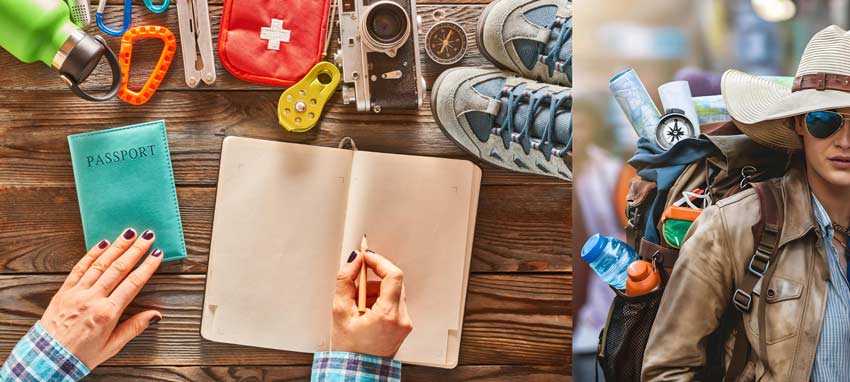
Pack for changing weather and high-altitude conditions. Bring layered clothing (light clothes for the day and a warm jacket for cold mornings and nights), along with comfortable walking shoes suitable for uneven streets and light hikes. Sunscreen, sunglasses, and a hat are essential due to the strong sun at high altitude.
It’s also highly recommended to carry a rain poncho or waterproof jacket, as weather can change quickly even during the dry season. A small backpack is useful for daily excursions, and a reusable water bottle will help you stay hydrated throughout the day.
Being prepared for both sun, cold, and occasional rain will ensure a much more comfortable and enjoyable experience.