




The Ultimate Guide to Hiking Machu Picchu: Compare the Inca Trail, Salkantay Trek, Lares Trek, and Trails to Machu Picchu for Adventure Seekers
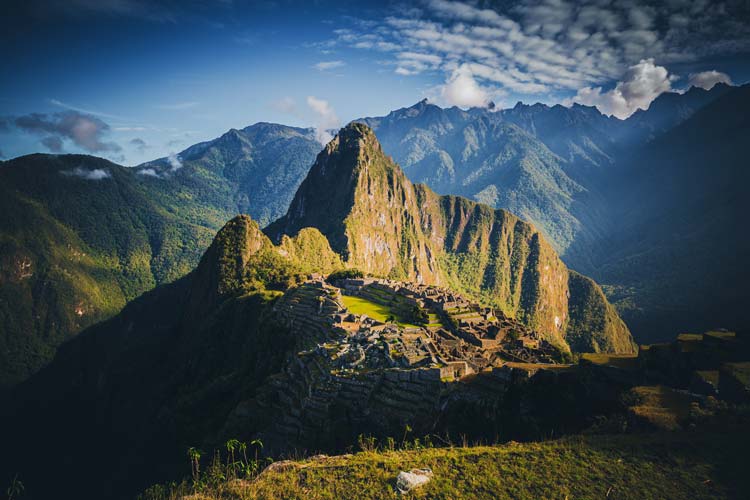
Trekking to Machu Picchu is one of the most rewarding ways to experience the Peruvian Andes, but with so many routes available, it can be hard to know which one to choose. If you’re planning your trip, this guide will help you compare the main treks to Machu Picchu: Choquequirao, Lares, Salkantay, the Inca Jungle, and the Classic Inca Trail, so you can decide which option fits your travel style and expectations.
Machu Picchu, the famous “Lost City of the Incas” near Cusco, is one of the world’s most iconic destinations. While many visitors arrive by train, others prefer trekking to Machu Picchu for a more immersive experience. Each route offers something different: some focus on high mountain landscapes, others on jungle scenery, and others on cultural encounters in remote Andean communities. You might cross high passes near Salkantay, explore lush cloud forests, or even reach viewpoints close to Huayna Picchu and Machu Picchu Mountain.
In this guide, we break down the five most popular trekking options to Machu Picchu: Salkantay Trek, Inca Jungle Trail, Classic Inca Trail, Choquequirao Trek, and Lares Trek. We’ll look at what makes each one special, how difficult they are, how long they take, and what you can expect along the way. We also share practical tips like the best time to book, how far in advance to plan, what costs to expect, and how to choose a trustworthy tour operator.
Whether you’re coming in the dry season or during the greener months of the Andes, this comparison will help you find the right trekking to Machu Picchu experience for your trip—one that matches your pace, your interests, and the kind of adventure you’re looking for.
1. Classic Inca Trail Overview: Trek the Inca Trail to Machu Picchu, Hike the Sun Gate and Mountain
The most well-known and recognizable route to Machu Picchu is the Classic Inca Trail. This legendary path is not just a hike; it is a pilgrimage through time. The stunning arrival at Machu Picchu through the Sun Gate (Inti Punku) marks the climax of this 4-day Inca Trail, a trekking experience that follows the original stone-paved roads laid by the Inca Empire centuries ago. Unlike other routes that arrive at the town of Aguas Calientes, this is the only trek that allows you to walk directly into the citadel through its historic main entrance.
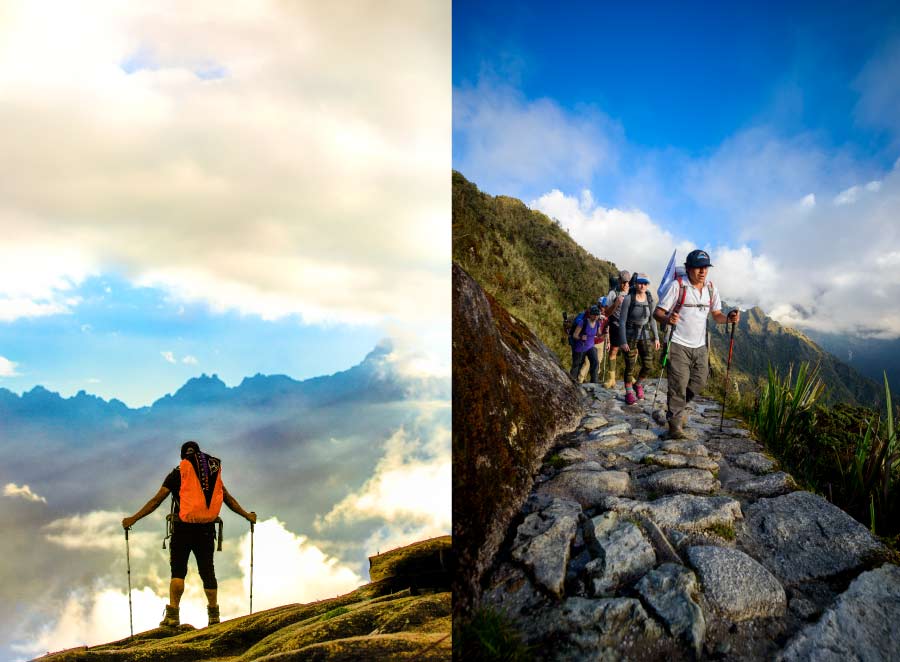
Advantages of the Inca Trail
One of the most important advantages of this trail is its unmatched historical significance. It is an enlightening experience to walk in the footsteps of Inca royalty, witnessing the architectural legacy of a civilization that mastered stone and mountain.
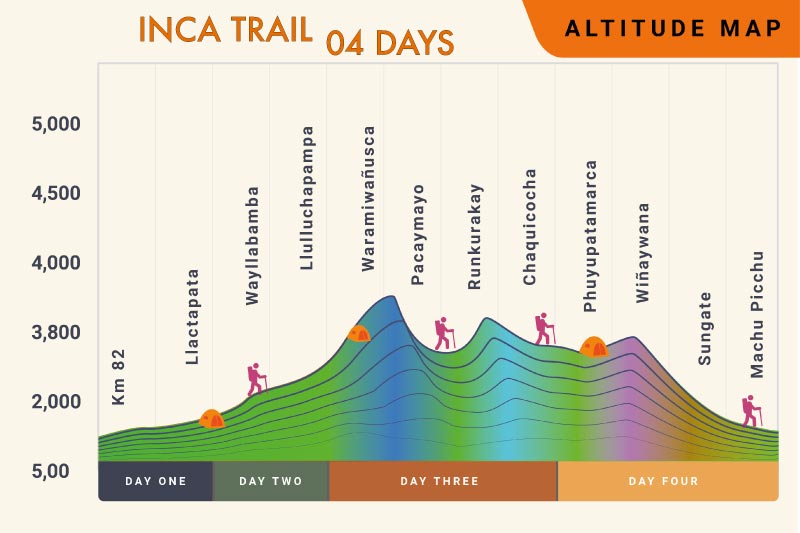
- Exclusive Archaeological Sites: You will explore ruins accessible only by foot, such as Sayacmarca, perched on a cliffside, and Phuyupatamarca, the “Town Above the Clouds.” Sites like Wiñay Wayna and Intipata line the trail, offering both cultural exploration and a deep dive into the engineering genius of the Incas.
- The Iconic Arrival: Note that only the Classic Inca Trail offers the spectacular and memorable access via the Sun Gate at sunrise. This provides a breathtaking, panoramic first view of the citadel before the crowds arrive by train.
- Managed Crowds: Due to its popularity, the government strictly requires a permit, allowing only 500 people per day (including guides and porters). This quota system ensures the preservation of the trail and prevents the over-congestion often found on other high-traffic tourist paths.
The Challenging Aspects
The classic route is a four-day trek covering 43 kilometers (26.7 miles). While a 2-day “Short Inca Trail” version exists for those with limited time, the 4-day journey remains the gold standard.
- Terrain and Altitude: The difficulty is considered moderate to challenging. The most formidable obstacle is Dead Woman’s Pass (Warmiwañusca), the highest point at 4,215 meters (13,828 feet). This section features steep, relentless stone stairs that test the endurance of even fit trekkers.
- Knee Impact: The descents can be as demanding as the climbs, particularly the thousands of original Inca steps leading down into the cloud forest.
- Preparation: For safety, it is vital to follow a specialized packing list, utilize trekking poles to protect your joints, and spend at least 2 to 3 days in Cusco beforehand to mitigate the risks of altitude sickness.
Activities and Life on the Trail
The core activity is trekking, but the experience is defined by the diversity of the Peruvian Andes. You will journey through multiple ecological zones, from high-altitude alpine tundras to lush, humid cloud forests teeming with orchids and hummingbirds.
- Camping in the Wild: Evenings are spent in designated campsites under the Andean stars, where professional crews provide high-quality meals and support, allowing you to focus entirely on the journey.
- Expert Interpretation: Beyond the physical effort, you will engage in daily cultural exploration. Our local guides provide deep insights into the spiritual meaning of each ruin and the flora and fauna that make this UNESCO World Heritage site unique.
To sum up: This hike is the definitive choice for history buffs and those seeking a classic, well-organized expedition with a heavy emphasis on archaeology and the prestige of the original path.
2. Salkantay Trek Overview: High-Altitude Adventure and Insights into the Inca Empire
An alternative trek to Machu Picchu, the 5-day, 4-night Salkantay Trek offers a more untamed and isolated experience compared to the Inca Trail trek. Named after one of the most revered peaks in Inca mythology, the majestic Salkantay Mountain (6,271 meters / 20,574 feet), this challenging trek provides a breathtaking journey through snow-capped peaks, cloud forests, and verdant valleys.
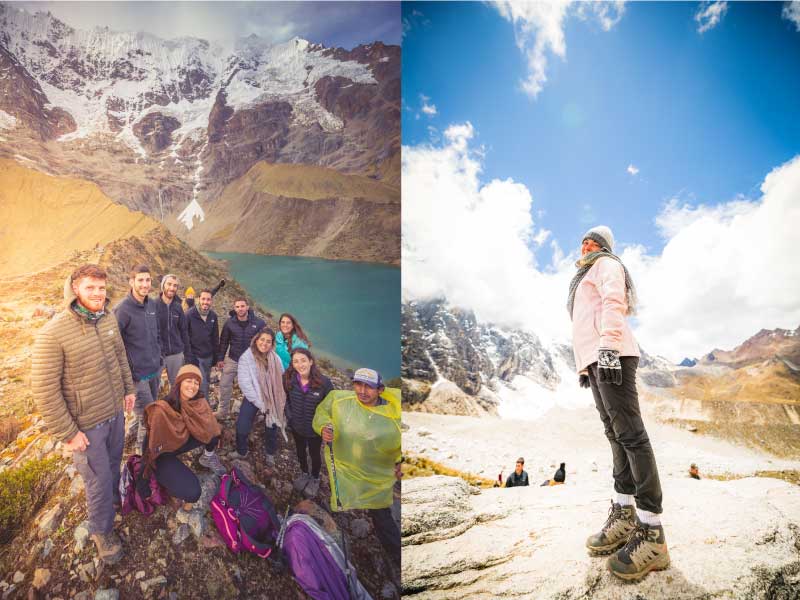
Advantages of the Salkantay Trek
One of the biggest advantages of this route is its stunning scenery. From high-altitude landscapes to lush rainforests, the trek offers unmatched vistas throughout the hike. Unlike the 4-day Inca Trail, this trek does not require permits, making it ideal for flexible planning. Due to its remote location and physically demanding terrain, it is far less crowded than the Inca Trail, providing hikers with a more intimate Inca Trail experience.
The trek also provides accommodation options ranging from rustic campsites to upscale lodges, allowing for a customizable Machu Picchu adventure.
The challenging aspects
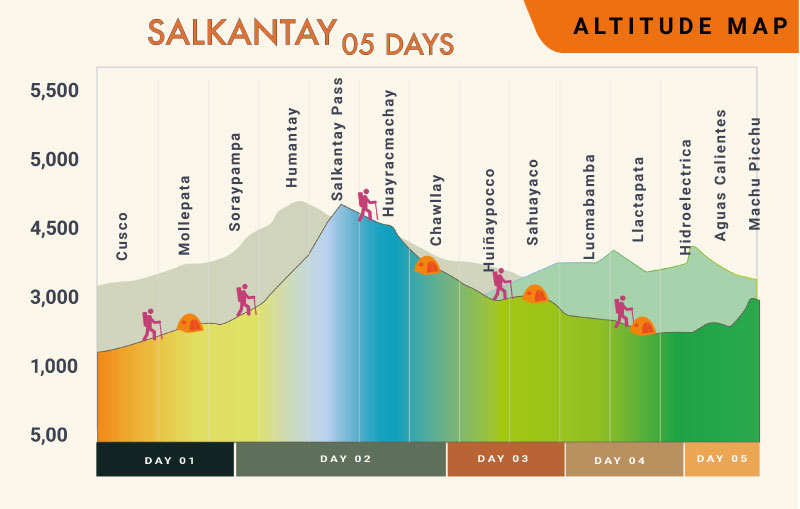
This trek covers approximately 74 kilometers (46 miles) and is more strenuous than the Inca Trail. The highest point, Salkantay Pass, rises to 4,630 meters (15,190 feet), meaning hikers must contend with high altitude, cold weather, and rough terrain. Proper preparation using an Inca Trail packing list and trekking poles is recommended to ensure a safe and enjoyable journey.
Activities on the Salkantay Trek
The trek includes daily climbs, descents, and cultural exploration. On Day 1, hikers visit the stunning Humantay Lake, followed by other highlights along the route, such as the Llactapata ruins, offering insight into the Inca Empire and the reign of the Inca emperor. The trek ultimately leads to entering Machu Picchu, where hikers can optionally ascend Huayna Picchu Mountain or Machu Picchu Mountain, creating an unforgettable experience.
This route is perfect for hikers seeking a strenuous journey with panoramic views, fewer crowds, and an immersive cultural experience. The right trek ensures a deep understanding of Machu Picchu, whether you’re interested in the path to Machu Picchu, the UNESCO World Heritage Site, or simply enjoying a once-in-a-lifetime Machu Picchu adventure.
Practical considerations include booking with a tour operator, knowing the best time to hike, and being aware that the trail can be closed for maintenance. For those seeking alternatives, the Inca Jungle Trek or other alternative treks to Machu Picchu also provide incredible experiences.
3. Inca Jungle Tour Overview: Adventure for Hikers and Insights into Machu Picchu
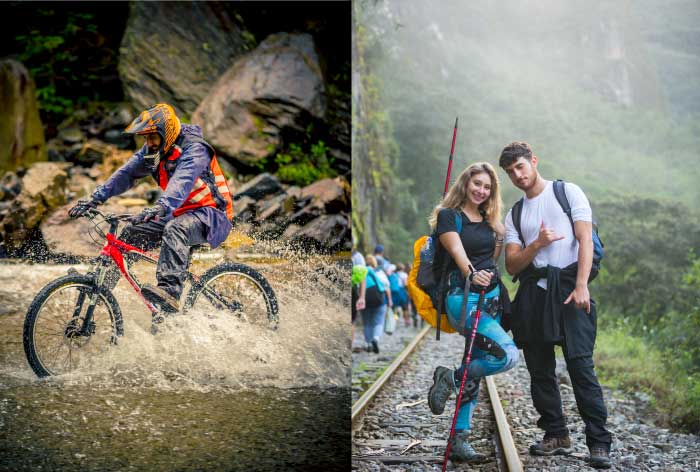
Trekking and heart-pounding pursuits like mountain biking, rafting, and zip-lining are all part of the 4-day, 3-night Inca Jungle Tour. Compared to classic Inca Trail tours, this experience is more varied and active, offering a unique alternative for adventure seekers.
Advantages of the Inca Jungle Tour
This tour is perfect for thrill-seekers, combining trekking with biking, rafting, and zip-lining. It also offers cultural immersion, passing through remote Andean villages where hikers can interact with locals and gain a deeper understanding of Machu Picchu and the Inca Trail’s historical context, including the reign of the Inca emperor.
Unlike the Inca Trail trek, the tour requires no permits for the Inca Trail, making it accessible even when the trail is closed for maintenance. Additionally, it is less demanding than the Salkantay Trek, while still offering a fun and engaging experience.
Challenging aspects
This trek requires a decent level of fitness, but it is less demanding than the Salkantay Trek for instance. The adventurous activities call for a moderate degree of fitness and a desire to engage in outdoor activities, even though the trekking portions are less demanding.
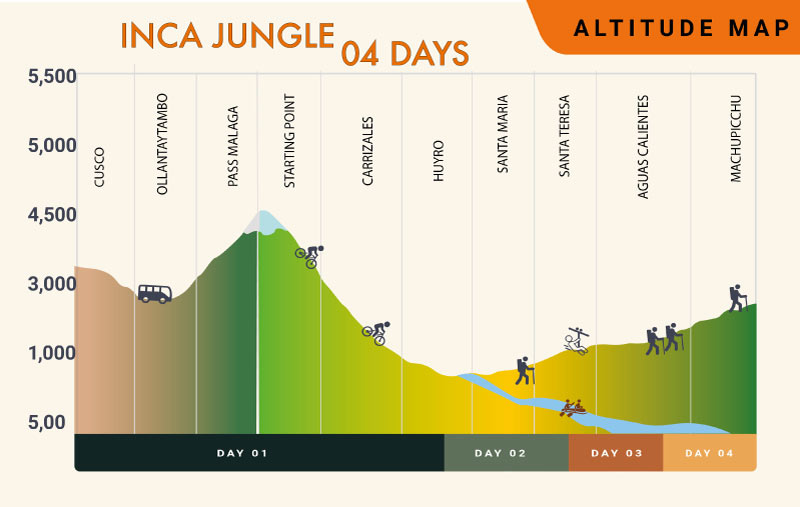
The trekking portion is about 50 kilometers length, and it spreads over 4 days in total, plus extra miles from biking and other activities. A shorter version can be done in 3 days and will avoid the hiking part.
Activities on the Inca Jungle Tour
The main point of interest of this tour resides in the numerous outdoor and exciting activities it offers. On the first day, you will embark on a spectacular mountain bike ride from Abra Málaga to Santa María. Then you will handle the Urubamba River’s rapids in your rafting team. On the second day, you will take a hike along historic Inca trails and into the jungle. And you will finally end with ziplining which will take you in the scenery from above as you soar over the jungle canopy. Once you arrive in Santa Teresa, you will have the opportunity to relax in the natural hot springs.
Finally, this hike is ideal for thrill-seekers and those seeking a varied, action-packed hike that combines nature, culture and adventure.
Cada uno de ellos está montando su bicicleta con entusiasmo, sonriendo y disfrutando de la aventura el primer día en nuestro tour inca jungle.
4. Hike to Choquequirao: Ultimate guide for hikers to Machu Picchu
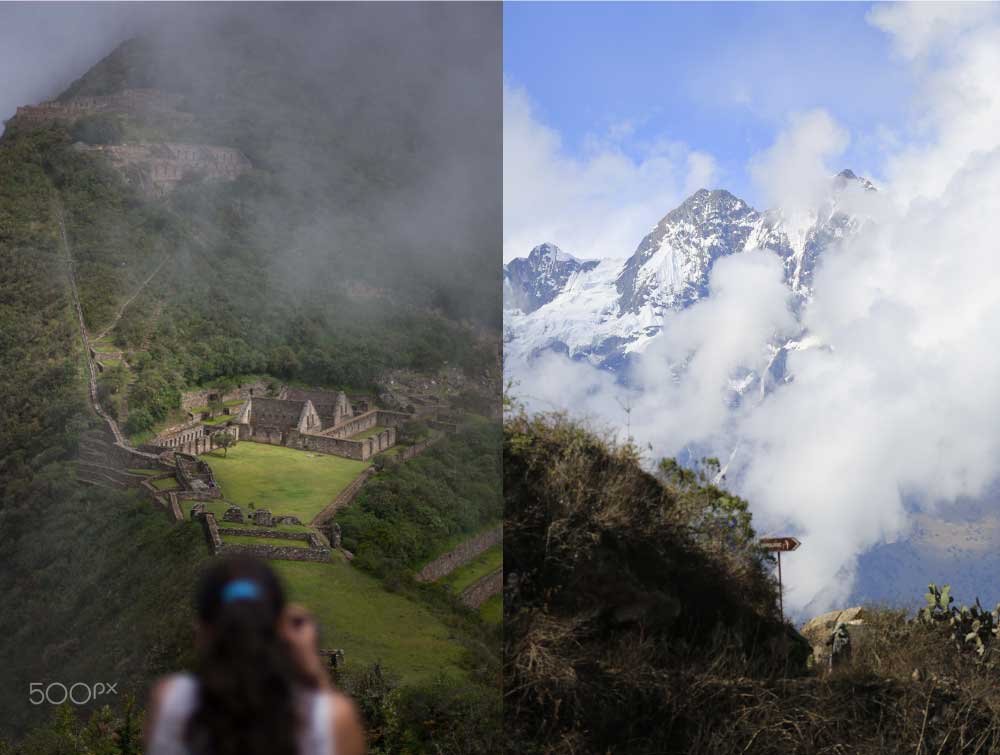
Often called “Machu Picchu’s sister city,” the Choquequirao Trek is a legendary 7-day, 6-night adventure that leads you through the heart of the Vilcabamba mountain range. This route connects the isolated Inca citadel of Choquequirao with Machu Picchu, creating a grand circuit that few travelers ever complete. As one of the hardest and least-traveled paths in the Peruvian Andes, this journey offers an unforgettable and truly immersive hike for those looking to escape the modern world.
Advantages of the Choquequirao Trek
The primary advantage of this trek is its absolute solitude and raw beauty. While Machu Picchu receives thousands of visitors daily, Choquequirao remains a hidden gem, often seeing fewer than 30 explorers a day.
- Archeological Grandeur: You will explore an expansive site that is actually larger than Machu Picchu, with only about 30% of it currently excavated. Highlights include the famous “Llamas del Sol”—unique white stone mosaics built into agricultural terraces—and the massive ceremonial plaza.
- Vertical Landscapes: The trek offers some of the most dramatic scenery in South America, crossing the Apurímac Canyon (one of the deepest in the world). You will experience a massive contrast between the dry, cactus-filled canyon floor and the humid, cloud-forested peaks where the ruins sit.
- Unmatched Privacy: This is a “private” history lesson. Without the crowds of the Classic Inca Trail, you have the freedom to meditate, photograph, and explore the ruins in near-total silence.
The Challenging Aspects
Spanning approximately 115 kilometers (71.5 miles) over 7 grueling days, the Choquequirao Trek is a high-strenuous expedition. It is not for the faint of heart; it requires peak physical condition and mental resilience.
- Extreme Elevation Changes: The trail is famous for its “yo-yo” topography. You will descend nearly 1,500 meters (4,900 feet) into the Apurímac Canyon, only to climb back up the same height on the other side in a single day.
- The Elements: Trekkers must endure intense tropical heat at the bottom of the valley and freezing temperatures at the high-altitude passes, which can reach over 4,670 meters (15,320 feet).
- Preparation: Due to its length and difficulty, high-quality gear and professional support are non-negotiable. Proper acclimatization in Cusco is critical to surviving the steep ascents.
Activities and Highlights of the Journey
The trek is a masterclass in endurance and discovery. Along the way, you will gain deep insight into the Inca Empire’s last stand, as this region served as a refuge for the Incas during the Spanish conquest.
- Wildlife Spotting: The isolation of the trail increases your chances of spotting the majestic Andean Condor soaring over the canyon or the elusive Spectacled Bear in the cloud forest.
- Crossing the Vilcabamba Range: After exploring Choquequirao, the journey continues through remote mountain passes and ancient mining routes, leading you closer to the back gates of Machu Picchu.
- The Culmination: On Day 6 and 7, the trek merges near the Santa Teresa valley, culminating in an unforgettable entry to Machu Picchu from a completely different perspective than the standard tourist routes.
To sum up: This trek is ideal for seasoned hikers and modern explorers seeking a remote, challenging, and historically rich adventure. It is the “PhD of trekking in Peru,” offering a deep connection with the Andean spirit that no other route can match.
5. Lares Trek Overview: High-Altitude Adventure and Insights into Machu Picchu
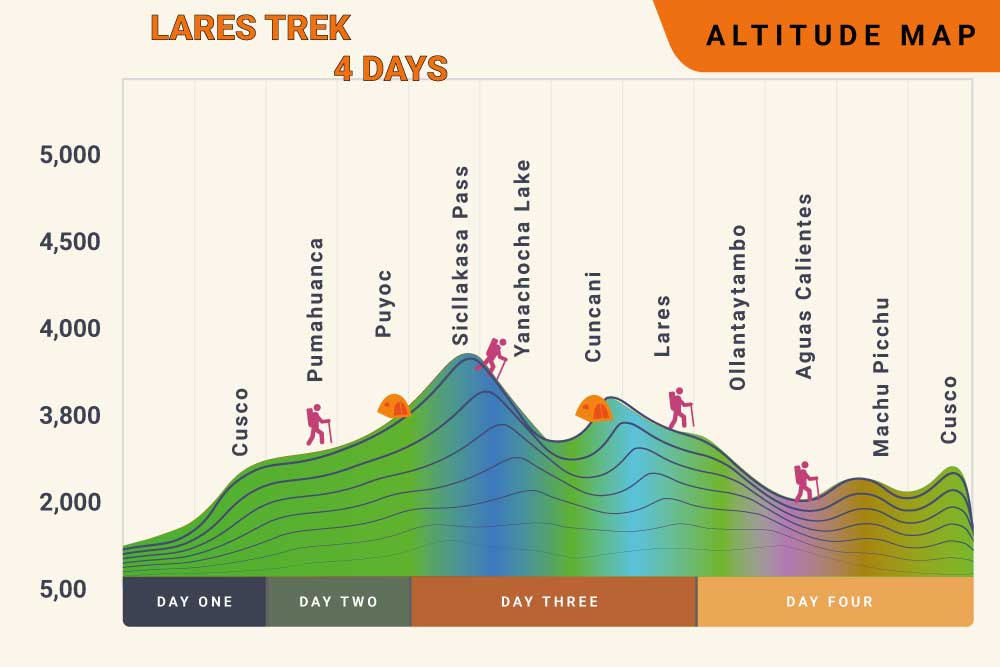
The 4-day, 3-night Lares Trek offers breathtaking Andean views and emphasizes cultural immersion while traveling through traditional Andean towns. It is a less demanding option compared to the Inca Trail or Salkantay Trek, making it ideal for hikers seeking a moderate adventure.
Advantages of the Lares Trek
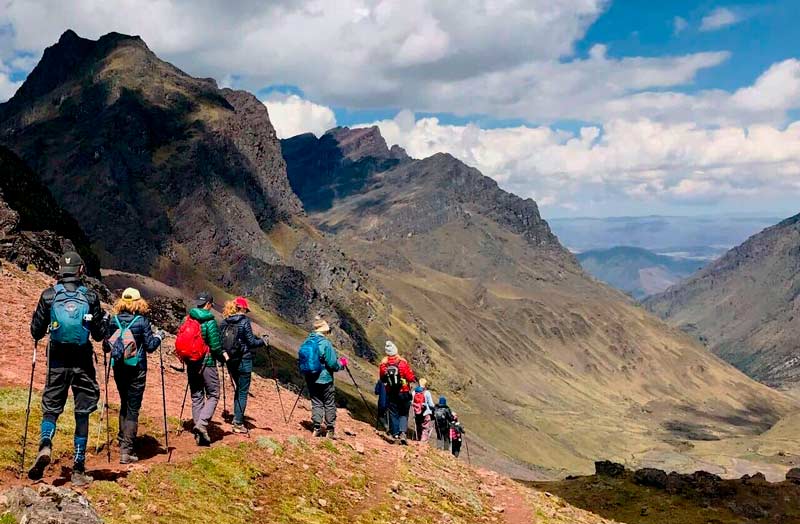
This trek is rich in cultural experiences, allowing hikers to engage with locals, learn their customs, and gain a deeper understanding of Machu Picchu and the reign of the Inca emperor. Along the way, the trail showcases terraced farmlands, glacial lakes, and snow-capped peaks. Its lower tourist traffic ensures a more tranquil and authentic experience, perfect for those who prefer solitude and genuine interaction with Andean communities.
Challenging aspects
While less strenuous than the Inca Trail or Salkantay, the trek does involve high-altitude sections, reaching up to 4,600 meters (15,092 feet). Covering approximately 33 kilometers (20.5 miles) over 4 days, the hike depends on your fitness level and understanding of Machu Picchu’s altitude effects can help prepare for a smoother journey.
Activities on the Lares Trek
The trek includes daily hikes through stunning landscapes and cultural stops, including weaving communities and local villages where hikers can discover traditional Andean life. After the hikes, you can relax in the natural hot springs of Lares, adding a rejuvenating touch to the adventure.
In conclusion, the Lares Trek is ideal for those seeking a moderate, culturally immersive hike with spectacular scenery, offering a unique perspective on Andean life and insights into the Inca civilization.
In conclusion
Every Machu Picchu hike is different, accommodating a range of interests, degrees of fitness, and modes of transportation. There is a great path for everyone, whether you are interested in the historical significance of the Classic Inca Trail, the exhilarating Inca Jungle Trail, the untamed beauty of the Salkantay Trek, the isolated seclusion of the Choquequirao Trek, or the cultural immersion of the Lares Trek.
Think about your interests, level of physical fitness, and the kind of experience you want when selecting your trek. Whichever route you choose, the trip to Machu Picchu will be a once-in-a-lifetime experience, full of breathtaking scenery, a wealth of historical significance, and a strong bond with the Andean spirit.
This thorough evaluation ought to assist you in selecting the journey that is most appropriate for your trip to Machu Picchu. No matter whatever path you select, Southern Peru Explorers will answer any additional question you may have and assist you in the preparation of your trip to the Sacred City.